It doesn’t matter how engaging a narrative is or how beloved a character has become; sometimes, all it takes to pull you out of a great show is a plot hole. This can take a few forms: maybe there’s a minor detail that contradicts what was said a few episodes prior, or maybe a character makes an observation or has a plan that completely goes against their own experiences. These instances are never deliberately planned by the writers, but it’s always impressive when something like this makes it past the hundreds or thousands of creatives that see an episode before it makes it to air.
Videos by ComicBook.com
Even worse than a plot hole, though, is the obsession that they create in the fandom. Plot holes, by their nature, are not calculated, and they should be easy to ignore. The trouble is that they’re not, because they might change the canon or force the audience to think about the story in constructive terms and not narrative ones. Marvel had a name for this, awarding fans with a blank envelope called a “No Prize” if they could identify such an inconsistency in their comics. The problem with the plot holes below is that we didn’t get a “No Prize” for noticing them, and instead, they’ve been stuck in our minds forever.
7) Game of Thrones

Picking on the final season of Game of Thrones may be easy, but the backlash to the last batch of episodes was largely deserved, with bizarre story choices and details that didn’t add up and went against much of the ethos the series had built up over the years. One of the most distinct plot holes in the final episodes is one that happens early on, and which had years of precedence to prevent it.
As the forces at Winterfell are preparing for the arrival of the Night King and his undead army, a plan is made for the non-combatants who are present to simply hide in the crypts of Winterfell. There’s just one problem with this: the Night King can raise the dead and command them to do his bidding, an act that Jon Snow himself witnesses at the end of Season 5. Who, in fact, suggests that people hide in the crypts? Jon Snow. And what happens down there after the Night King shows up? You already know it.
6) American Horror Story

Though every season is its own story, often with many of the same actors playing new characters, American Horror Story does have a loose connectivity across all of its stories with a lore that has crossed over a few times. This is where a plot hole in the series makes it clear that the story they’re telling is always going to trump the continuity they’ve created.
For starters, AHS: Hotel reveals that the original character James March was a mentor to several high-profile serial killers, including Charles Manson, the Zodiac Killer, John Wayne Gacy, and Richard Ramirez, all of whom are dead when they appear (Ramirez even says he died in 2013). However, Ramirez also appears in the later season, AHS: 1984, where his character stalks a woman to Camp Redwood, eventually being killed and having his soul stuck at the camp where he’s murdered for all eternity by the other ghosts. The loose connections across AHS seasons may make this discrepancy easy to ignore, but not after the series itself has gone out of its way to make the lore consistent.
5) Breaking Bad
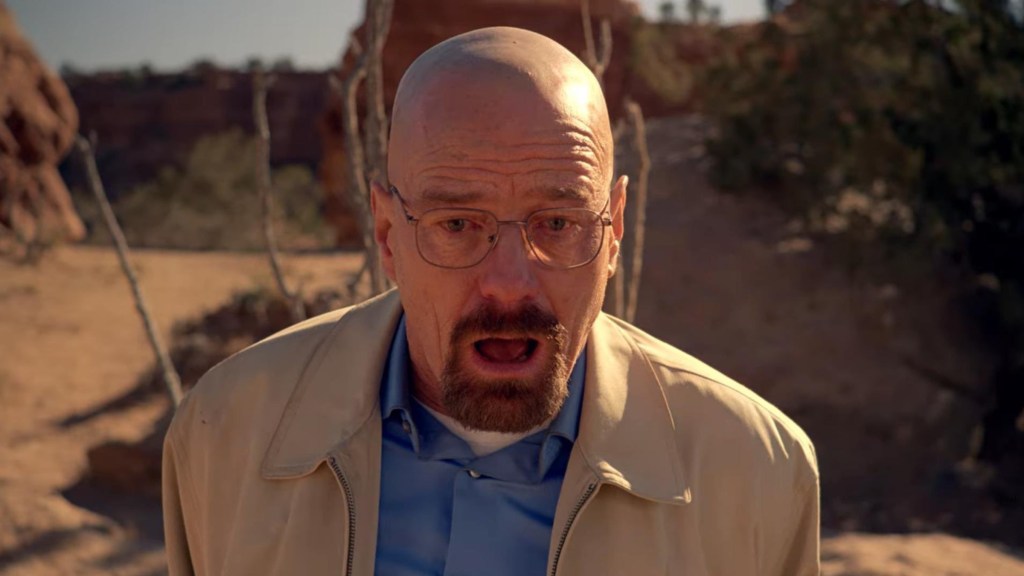
For the most part, Breaking Bad is a meticulously plotted and well-thought-out drama series that is tight as a drum, especially with its own narrative. One place where things get a little messy and confusing, though, is in the timeline. Though the series was on the air from 2008 to 2013, the show itself is set in a two-year timespan, from 2008 to 2010. As a result, some inconsistencies have popped up, with the most distinct being a reference to the death of Osama bin Laden. In an episode clearly set in 2009, Jack Welker notes that “whacking bin Laden wasn’t this complicated” in reference to the extensive prison assassinations that Walt orders. The only problem, of course, is that Bin Laden wasn’t killed until 2011, two years later.
4) Sherlock
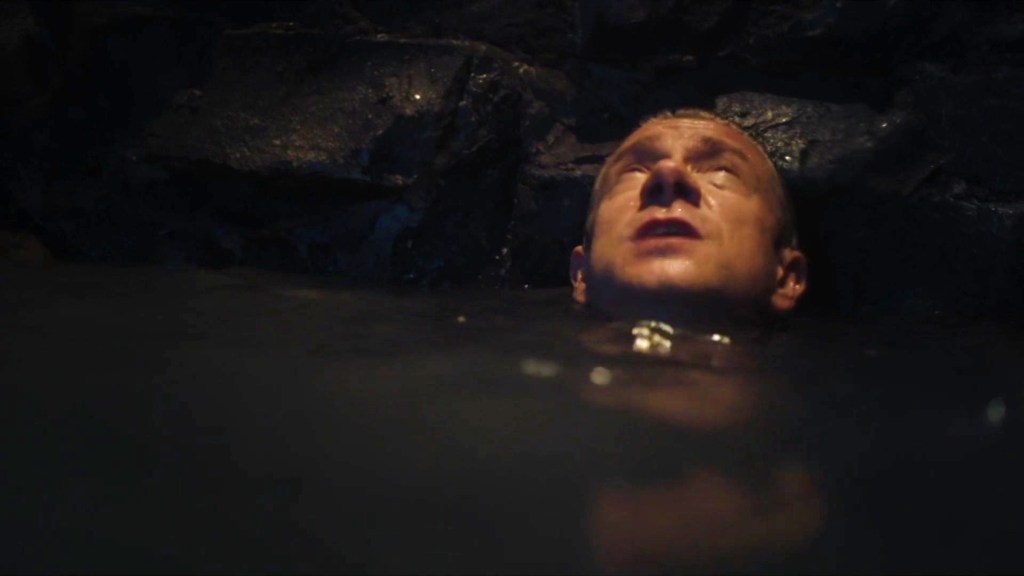
The series finale of Sherlock is easily one of the messiest in the series, with retcons and reveals that change the makeup of the entire series in ways that force the viewer to rethink everything. At the heart of the entire episode though is the conflict between Sherlock and his just-revealed secret evil sister, Eurus. By the end of the episode, Eurus has chained John Watson to the bottom of a well, which is filling up with water. Though he is eventually found, the series has him rescued by a simple rope falling down the well, which he climbs up to escape. How? How did this escape happen? And why did Sherlock decide to end its last episode with the most obvious plot hole of the entire series?
3) Dexter
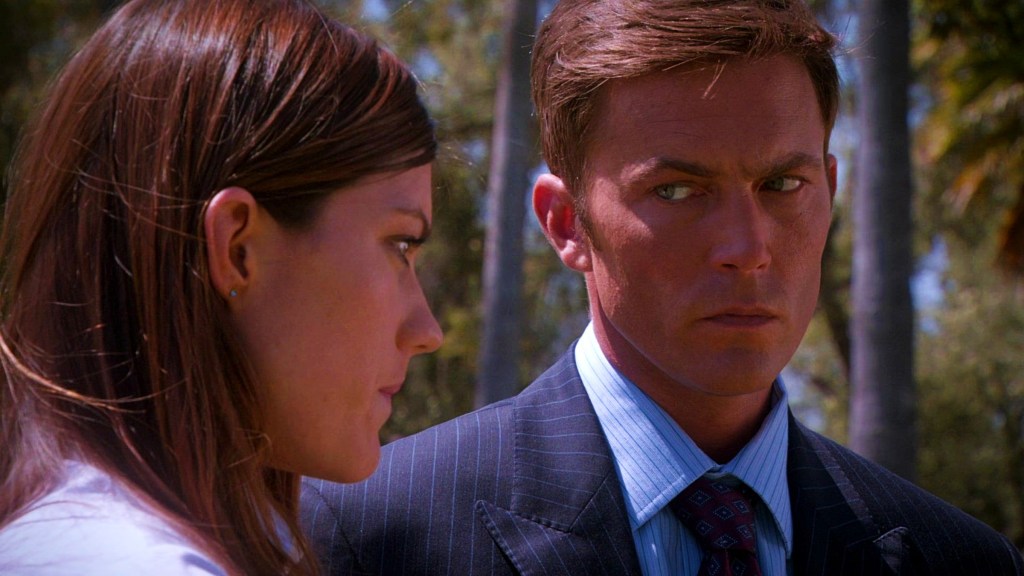
Dexter is a series largely built on a lot of plot conveniences in order to maintain the main character’s place in the world, but none are perhaps more baffling than what happens with Joey Quinn in Season 5. In the series, Quinn becomes suspicious of Dexter, hiring a former cop to help investigate him. Even though he does manage to dig up a lot of dirt on Dexter, he just as quickly decides to drop it all after his relationship with Dexter’s sister gets more serious. Even by the end of the season, when he’s committed to not looking into it further, he appears to realize that Dexter is exactly who he thought he was after he helps exonerate him for a murder. To make matters even worse, Quinn returned in Dexter: Resurrection, and the storyline wasn’t resolved in any way.
2) Stranger Things
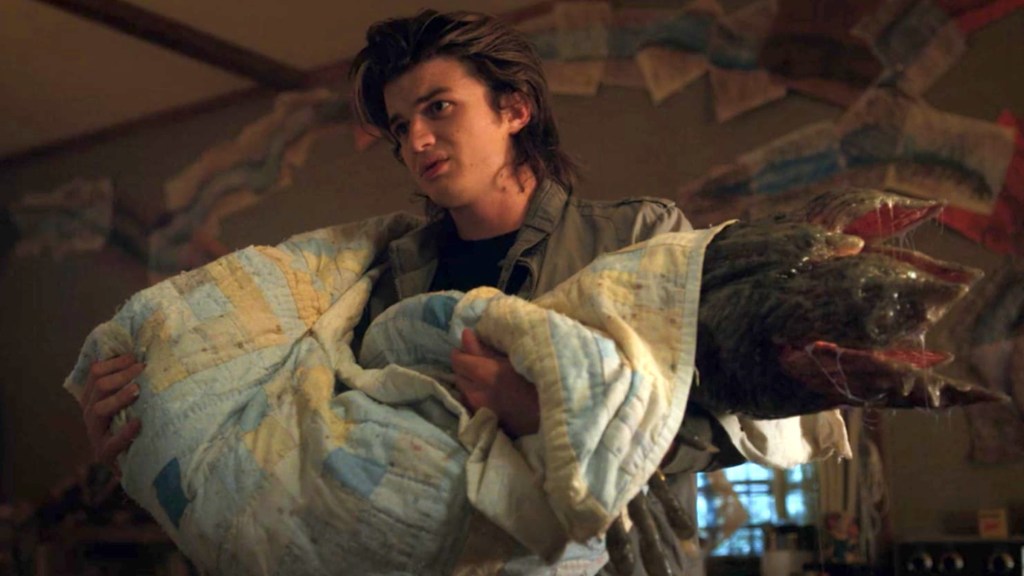
Stranger Things has become the latest major punching bag for fans due to its writing in the final episodes, but one of its biggest plot holes goes back to Season 2 of the series. The second batch of episodes in the Netflix hit introduced a twist on the Demogorgon monsters, revealing what they look like before they’re fully grown, referred to as “Demodogs” by the characters. In the Season 2 finale, while in possession of a Demodog corpse, Dustin and Steve clear out the Byers’ family fridge and put the corpse inside to study it later. At no point later in the series does this dead monster carcass ever come up, but the Byers family definitely keeps using that fridge. An attempt was made to explain what happened to it in a spinoff comic, but it didn’t happen on screen, so it doesn’t count.
1) The Walking Dead
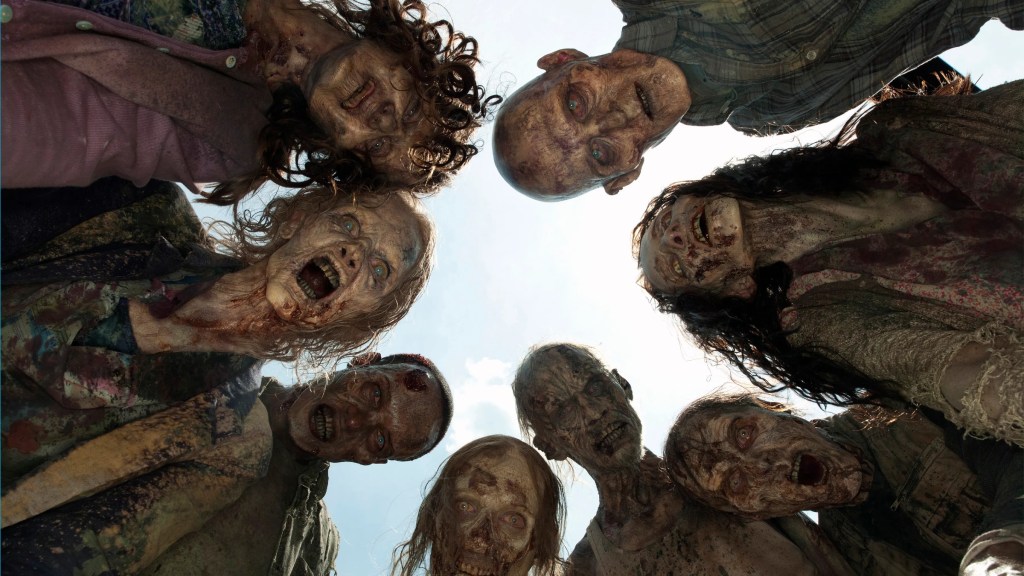
The Walking Dead has hundreds of episodes across its many TV shows, and the biggest problem with all the shows is that they can’t stick to their own rules about the actual infection and zombies. This can take the form of how humans can disguise themselves from the undead, at first by covering themselves in ropes of guts or wearing undead skin, only for the amount required to camouflage being reduced consistently.
One of the biggest twists with The Walking Dead on the whole is that everyone who is alive will become a zombie when they die, no matter if they were bitten or not. As a result, when any character or corpse is found, they should be a zombie (assuming the brain hasn’t been destroyed). This inconsistency can be seen throughout the shows, with dead bodies in cars or even characters dying and not turning immediately.
More TV Shows
-
IMAGE COURTESY OF PARAMOUNT PICTURES