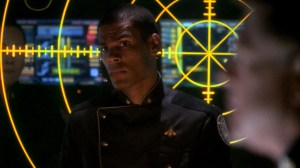
HBO has established itself as the premier destination for prestige television over the last two decades, creating a library of content that often rivals the cinematic quality of major Hollywood productions. This reputation for excellence is built on a foundation of complex characters, high production values, and scripts that refuse to hold the audience’s hand. However, even the most acclaimed networks are not immune to the curse of the bad finale, and viewers have learned the hard way that a strong pilot does not guarantee a satisfying conclusion. Game of Thrones‘ controversial ending, for instance, stands as one example of a series that can leave a bad last impression for a significant part of its fanbase.
Videos by ComicBook.com
That’s why it is so refreshing to find a series that maintains its quality across its entire lifespan. The shows on this list did not just start strong but managed to evolve and deepen their themes without losing sight of what made them special in the first place. These are the rare productions where the writers knew exactly where they were going and executed their vision with precision, delivering finales that felt earned.
7) The Righteous Gemstones

The saga of the Gemstone family proves that Danny McBride is one of the most consistent voices in modern television comedy. While The Righteous Gemstones is filled with absurd set pieces and vulgar insults, it functions as a surprisingly nuanced exploration of family trauma and the corrupting influence of unchecked greed. The series follows Eli Gemstone (John Goodman) and his three spoiled adult children as they fight to expand their televangelist empire while battling blackmailers, rival preachers, and their own incompetence.

What makes The Righteous Gemstones great from beginning to end is how it allows the characters to grow without fundamentally changing who they are. Jesse (McBride), Judy (Edi Patterson), and Kelvin (Adam Devine) remain deeply flawed narcissists, yet the narrative peels back the layers to show the genuine pain driving their behavior. The final season, which concluded in 2025, delivered a perfect send-off that balanced the high-stakes criminal plots with genuinely touching moments of reconciliation.
6) Barry
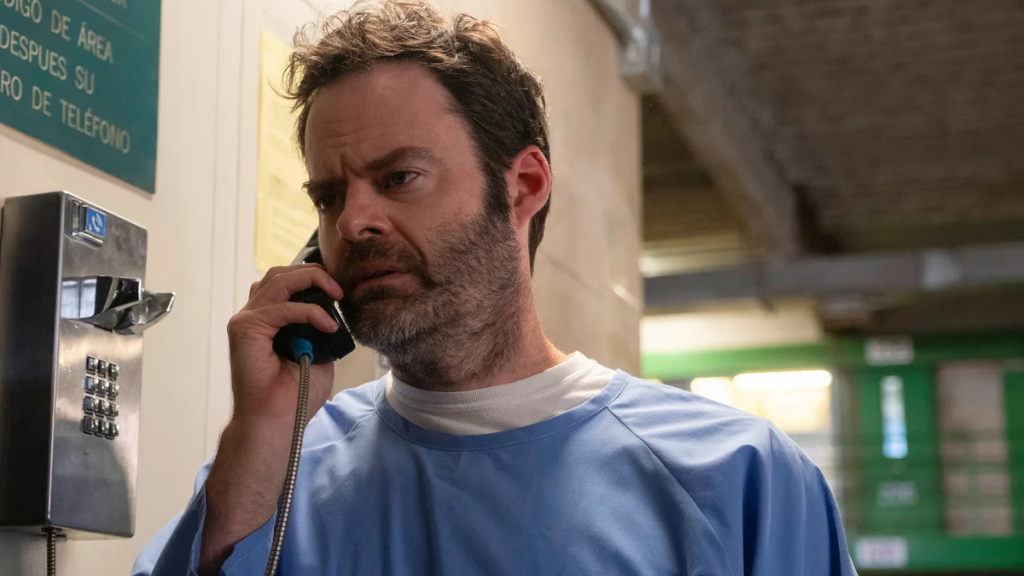
Bill Hader pulled off a magic trick with Barry by convincing the audience to root for a sociopathic hitman before slowly forcing us to confront the reality of his actions. The show starts with a high-concept premise where Barry Berkman (Hader) tries to leave his life of violence behind to become an actor in Los Angeles, guided by his eccentric teacher Gene Cousineau (Henry Winkler). While the early seasons lean into the dark comedy of Barry balancing auditions with assassinations, the series gradually morphs into a bleak psychological horror about the impossibility of redemption without accountability.
The writing of Barry remains sharp throughout the entire run, refusing to let any character off the hook for their choices. Every season finale completely upends the status quo, and the show never spins its wheels or repeats a plot beat. The final episodes are shocking in their brutality and stark realism, stripping away the Hollywood glamour to reveal the pathetic nature of violent men. Barry is a tight, disciplined story that never overstays its welcome and lands a final punch that leaves you breathless.
5) Six Feet Under

Most dramas about death focus on the mystery of how it happened, but Six Feet Under is interested in the messiness of those left behind. The Fisher family runs a funeral home in Los Angeles, and the series begins with the death of the patriarch Nathaniel Fisher (Richard Jenkins), forcing his children to confront their own aimless lives. Nate (Peter Krause) and David (Michael C. Hall) are two of the most fully realized brothers in television history, and their relationship anchors the show through five seasons of grief, love, and existential dread.
Six Feet Under is famous for its structure, opening every episode with a death that thematically mirrors the struggles of the main cast. While the middle seasons explore the complexities of mental illness and infidelity with incredible empathy, the show is rightfully legendary for its finale. The final sequence is widely considered the greatest closing scene of all time, offering a flash-forward montage set to Sia’s “Breathe Me” that provides definitive closure for every single character. It is a devastatingly beautiful reminder that everything ends, cementing the show’s legacy as a masterpiece of emotional storytelling.
4) Curb Your Enthusiasm
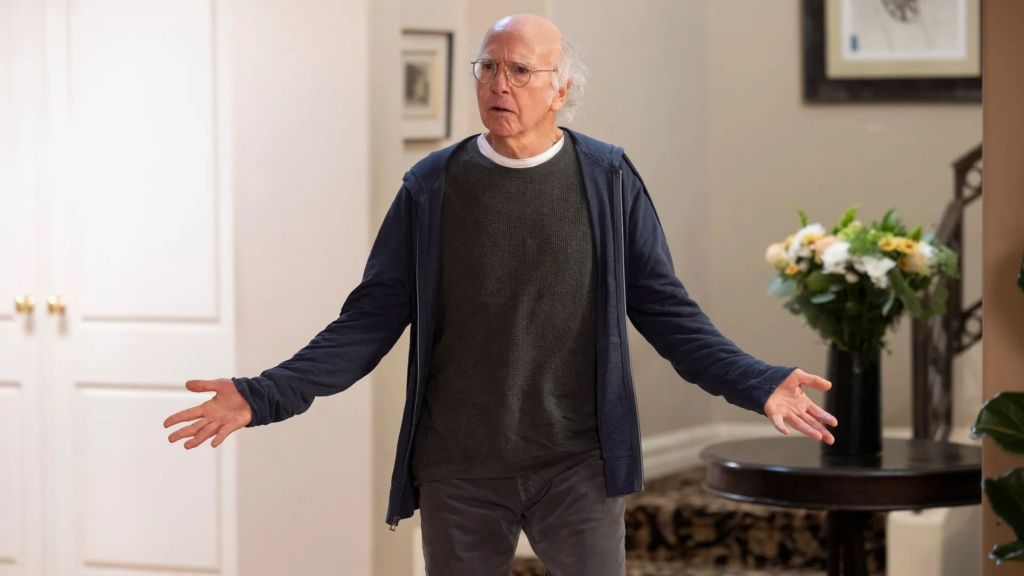
Comedy usually has a short shelf life, yet Curb Your Enthusiasm remained consistently hilarious for 24 years and 12 seasons by refusing to evolve. In the series, Larry David plays a fictionalized version of himself who navigates the social minefields of Los Angeles with zero tact and a strict adherence to his own made-up rules. The brilliance of the show lies in its intricate plotting, where seemingly unrelated minor grievances from the start of an episode inevitably collide in a catastrophic climax.
Whether he is feuding with a coffee shop owner or accidentally tripping a basketball star, Larry is the ultimate agent of chaos who says what everyone else is thinking but is too polite to voice. The supporting cast, including his manager Jeff (Jeff Garlin) and his roommate Leon (JB Smoove), provides the perfect sounding board for his neuroses. The 2024 series finale was a stroke of genius, serving as a meta-commentary on the controversial ending of Seinfeld while staying true to the character’s stubborn nature. It proved that Larry never learned a lesson in his life, which is exactly why we loved watching him.
3) The Sopranos
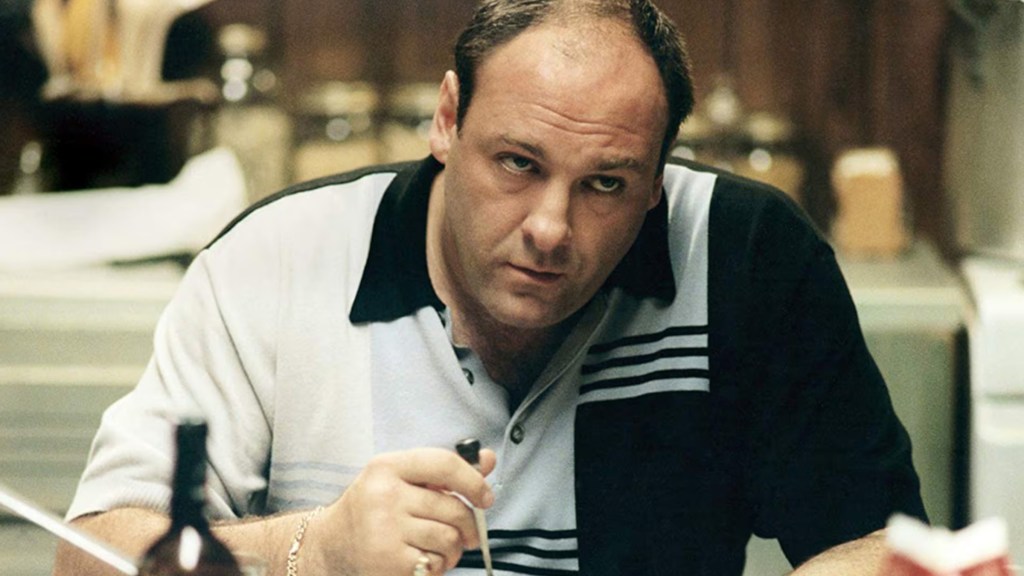
You cannot discuss the golden age of television without bowing down to the show that started it all. The Sopranos used the framework of a mob drama to tell a deeply psychological story about the decline of the American family and the erosion of traditional masculinity. Tony Soprano (James Gandolfini) is a brutal criminal who suffers from panic attacks, leading him to seek therapy with Dr. Jennifer Melfi (Lorraine Bracco). This dynamic opens up a world where the violence of the mafia is juxtaposed against the mundane struggles of raising teenagers and dealing with difficult in-laws.
The Sopranos remains flawless across six seasons because it prioritizes character depth over plot mechanics. We watch Tony struggle with his mother, Livia (Nancy Marchand), and his nephew, Christopher (Michael Imperioli), in ways that feel painfully real. While the cut-to-black ending sparked endless debate when it aired, time has revealed it to be the only logical conclusion for a man who lived his life in constant paranoia. It forces the audience to feel the same unresolved tension that defined Tony’s existence, ensuring the show lives on in our collective memory.
2) Succession
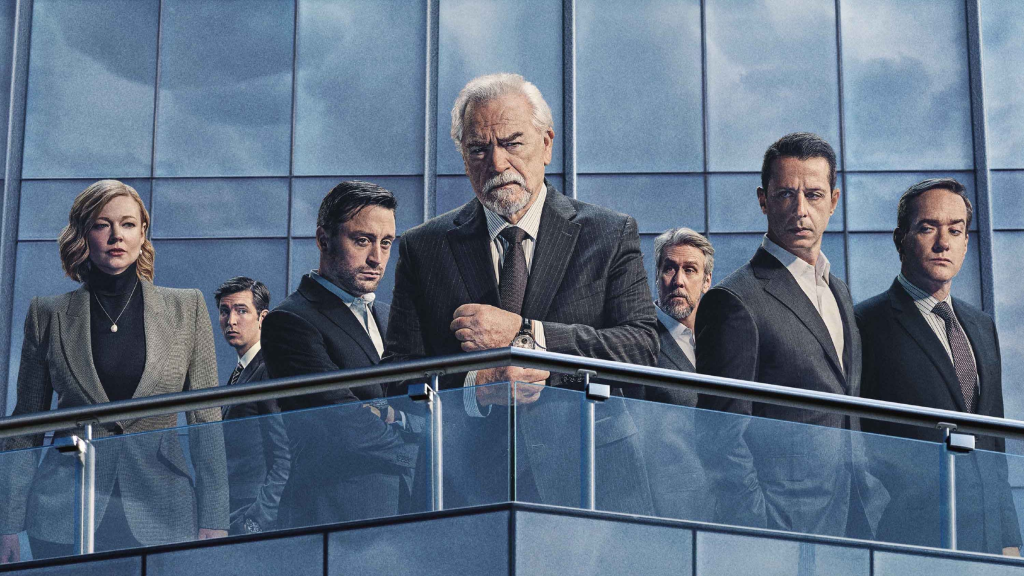
Corporate warfare has never been as visceral as it was in the halls of Waystar Royco. Succession tells the story of Logan Roy (Brian Cox), a terrifying media tycoon who pits his children against each other to determine who is worthy of inheriting his empire. The tragedy of the show is that Kendall (Jeremy Strong), Shiv (Sarah Snook), and Roman (Kieran Culkin) are all desperate for their father’s love, but his abuse has rendered them incapable of being serious people.
The dialogue of Succession is razor-sharp, filled with insults and business jargon that mask the deep emotional wounds of the characters. Every season escalates the tension, moving from boardroom coups to a chaotic presidential election, yet the core conflict remains the family’s inability to break their cycle of abuse. The finale is a masterwork of inevitability, confirming that in this world, the people with the most humanity are the first to lose. Succession is a cynical, hilarious, and heartbreaking portrait of power that never hits a false note.
1) The Wire
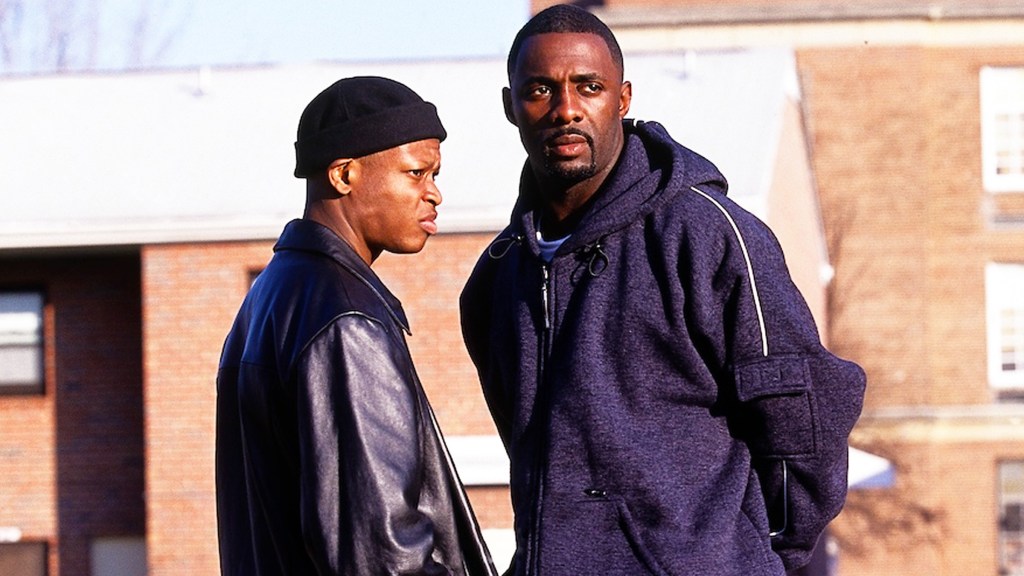
David Simon created a sprawling American novel for the screen with The Wire, a show that dissects the institutions of a crumbling city with journalistic rigour. Each season shifts its focus to a different facet of Baltimore, moving from the street-level drug trade to the shipping docks, city hall, the school system, and finally the media. This structure allows the series to demonstrate how these systems are interconnected and how they inevitably fail the individuals caught inside them. We see this through the eyes of unforgettable characters like the stick-up artist Omar Little (Michael K. Williams) and the ambitious drug lord Stringer Bell (Idris Elba).
The Wire does not rely on cliffhangers or melodrama but rather on the accumulation of details that paint a devastating picture of urban decay. It demands your full attention, rewarding viewers with a rich tapestry of storytelling where every action has a ripple effect seasons later. The Wire is great from start to finish because it remains true to its thesis that the game is rigged, offering a profound social commentary that is as relevant today as it was two decades ago.
Which HBO masterpiece do you think had the absolute best final episode? Leave a comment below and join the conversation now in the ComicBook Forum!
Most Viewed
-

Courtesy of Sony Pictures Animation / McDonald's -

Image Courtesy of TMS Entertainment -

Courtesy of TOHO Animation