The superhero genre has established itself as a pillar of global pop culture, leveraging an eighty-year history in comic books to become a dominant force across film, television, and gaming. The genre is characterized by its reliance on rigid moral frameworks, complex serialized continuities, and a persistent focus on the struggle to balance extraordinary power with human vulnerability. Whether presented through the pages of a graphic novel or a high-budget cinematic production, these stories utilize these core elements to explore the ethical compromises inherent in the pursuit of justice. However, despite these structural commonalities, the inherent flexibility of the superhero framework allows it to borrow liberally from other genres, including horror, science fiction, and, of course, fantasy.
Videos by ComicBook.com
Many successful superhero TV shows prioritize a scientific perspective, grounding their tales through the use of miraculous technology, laboratory accidents, or biological enhancements. Conversely, other narratives choose to bypass empirical logic entirely by embracing magic, innate mystical abilities, and the supernatural threats typically found in the high fantasy tradition. For superhero fans who find themselves captivated by the intersection of the heroic and the occult, the 21st century has produced a robust lineup of television programs that are exceptionally rewatchable.
7) Swamp Thing
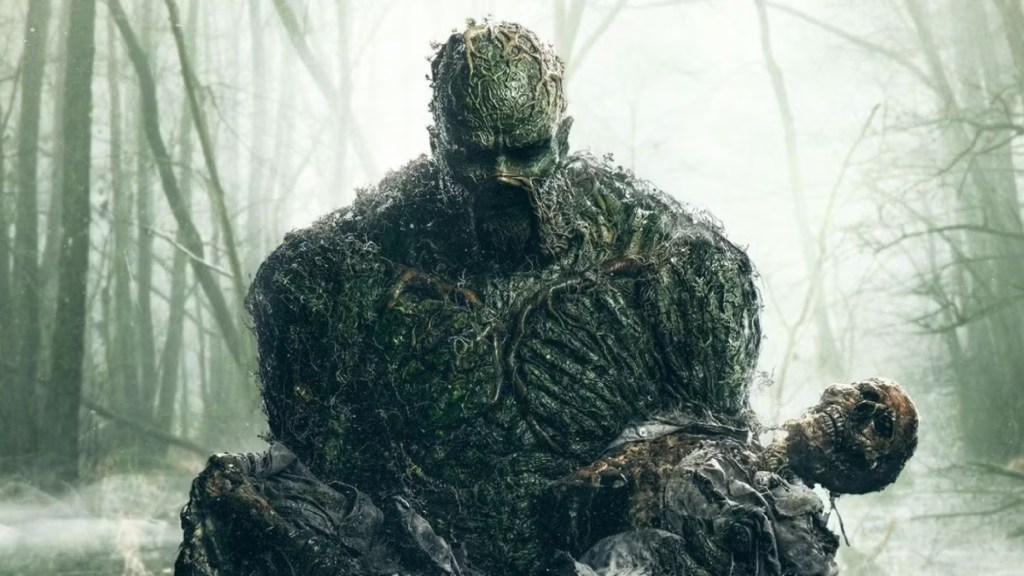
Despite its premature cancellation after a single season, the 2019 iteration of Swamp Thing remains a hauntingly beautiful exploration of environmental fantasy and southern gothic horror. The series follows Abby Arcane (Crystal Reed) as she investigates a deadly swamp-born virus in Marais, Louisiana, eventually encountering a sentient elemental entity known as Swamp Thing (Derek Mears). Much of the show’s rewatch factor is rooted in its dedication to practical effects, providing the titular creature with a tactile presence that CGI often lacks. In addition, Swamp Thing avoids the standard urban settings of most superhero dramas, opting instead for a dense swamp that feels alive and predatory. Furthermore, the narrative explores the deep-seated conflict between The Green and The Rot, two elemental forces representing life and decay. By treating the transformation of Alec Holland (Andy Bean) as a tragic mythic metamorphosis rather than a simple accident, the series creates a somber tone that rewards viewers who appreciate the darker corners of the supernatural DC universe.
6) Moon Knight
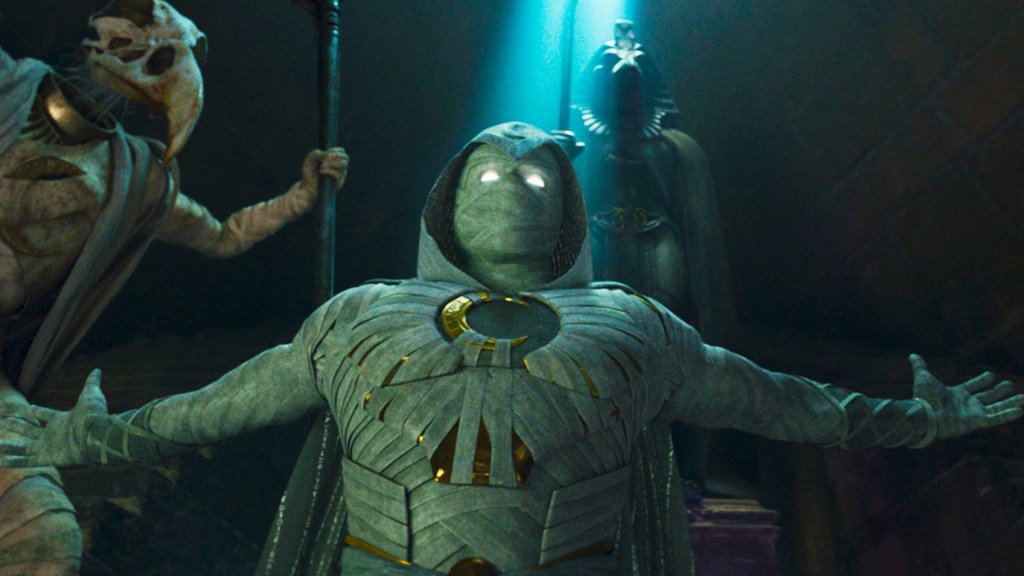
The Marvel Cinematic Universe ventured into the realm of ancient Egyptian mythology with Moon Knight, a series that effectively balances psychological drama with high-concept fantasy. In the series, Oscar Isaac delivers a transformative performance as Marc Spector and Steven Grant, two distinct identities inhabiting a single body while serving as the avatar for the moon god Khonshu (voiced by F. Murray Abraham). It is driven by the intricate details of its mythological world-building, as the plot evolves into a globe-trotting race to prevent the release of the goddess Ammit. Unlike many of its contemporaries, Moon Knight prioritizes the supernatural and celestial aspects of the character over street-level crime fighting or tech-based powers. Moreover, the inclusion of the Duat, the Egyptian underworld, and the presence of deities like Taweret (Antonia Salib) ensure the production feels like a grand archaeological adventure. For fans of the superhero genre, the friction between Arthur Harrow (Ethan Hawke) and the various identities of the protagonist provides an engaging ideological conflict that holds up under multiple viewings.
5) Constantine
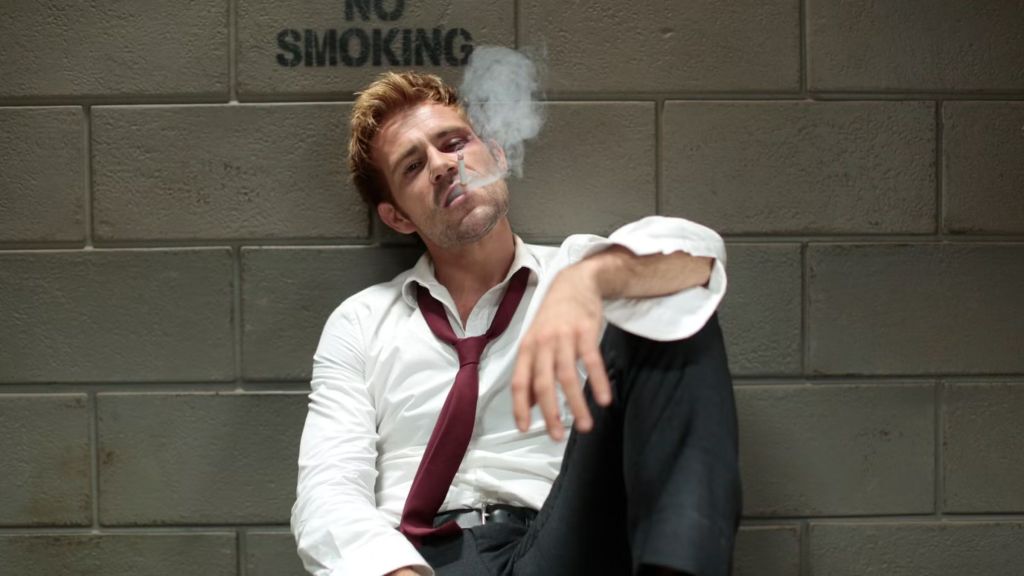
The 2014 series Constantine remains an essential piece of supernatural television due to its faithful adherence to the tone of the Hellblazer source material. John Constantine (Matt Ryan) is portrayed as a weary exorcist navigating a world of demonic contracts and ritualistic magic, providing a gritty contrast to the clean-cut heroics usually found on network television. The show functions as a series of occult encounters, with each episode building a broader picture of the “Rising Darkness” that threatens the mortal realm. This episodic structure makes the series particularly easy to pick up at any point, while the long-form arc involving the angel Manny (Harold Perrineau) adds necessary weight to the protagonist’s search for redemption. This commitment to the darker aspects of the fantasy genre has cemented Constantine‘s status as a cult favorite that ages remarkably well.
4) Agatha All Along
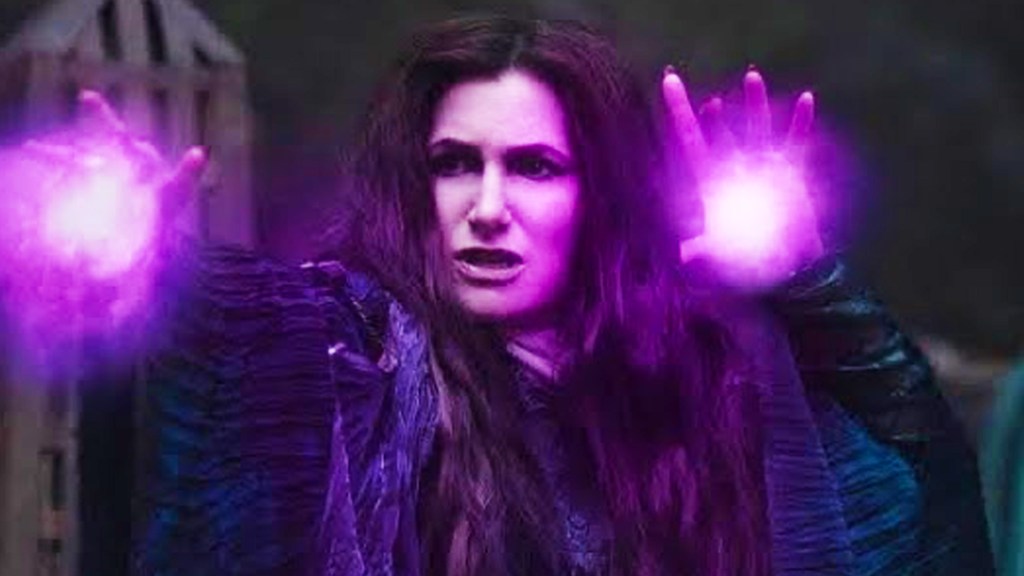
Agatha All Along became an immediate standout in the MCU by leaning entirely into the aesthetics of witchcraft and coven dynamics. The series follows the powerless Agatha Harkness (Kathryn Hahn) as she assembles a diverse group of witches to navigate the legendary Witches’ Road, a magical gauntlet that promises to restore what its survivors have lost. The production is notable for its commitment to the musical and theatrical traditions of the fantasy genre, utilizing original songs to propel the narrative forward. Plus, by pairing the campy humor of Hahn with the dark presence of Rio Vidal (Aubrey Plaza), the series maintains a rhythmic pace that feels both whimsical and dangerous. While those are reasons enough to rewatch it, Agatha All Along‘s masterful use of foreshadowing about the mysterious identity of Teen (Joe Locke) and the nature of the Witches’ Road makes a second viewing even more satisfying.
3) Lucifer
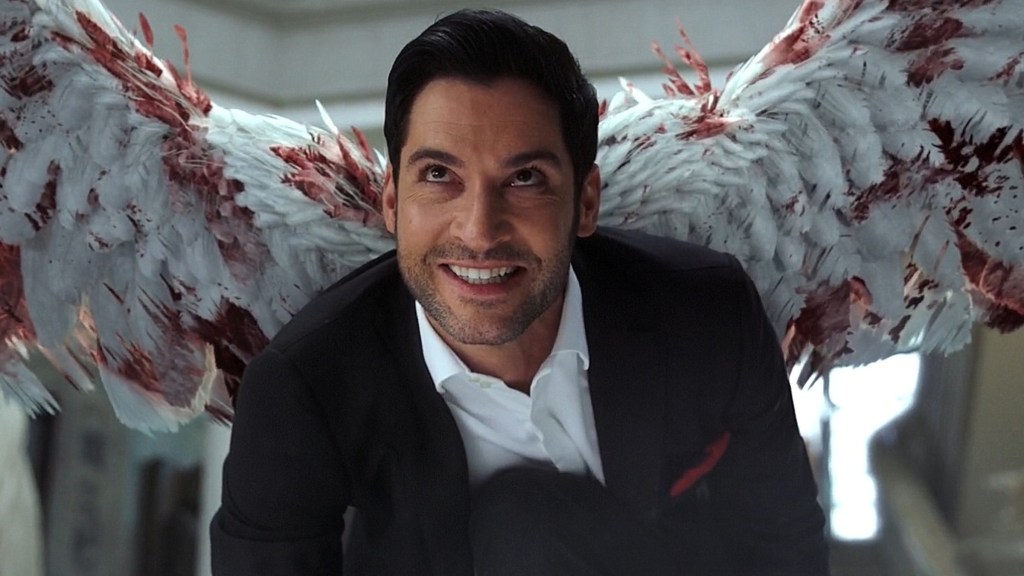
Spanning six seasons, Lucifer tells an urban fantasy story by casting the Devil as a charming nightclub owner who assists the LAPD in solving crimes. The charismatic performance of Tom Ellis, whose interpretation of Lucifer Morningstar balances arrogance with a sincere desire for redemption, remains one of the main reasons to revisit the show. While the show utilizes a procedural structure, the overarching narrative is a grand celestial drama involving angels, demons, and the politics of Heaven and Hell. This blend of lighthearted comedy and mythological weight makes the series highly rewatchable, as fans can enjoy the witty banter between Lucifer and Chloe Decker (Lauren German) while following the high-stakes evolution of characters like Amenadiel (D.B. Woodside). Finally, Lucifer’s ability to humanize divine figures while maintaining their awe-inspiring power provides a unique perspective on the superhero genre.
2) Legion
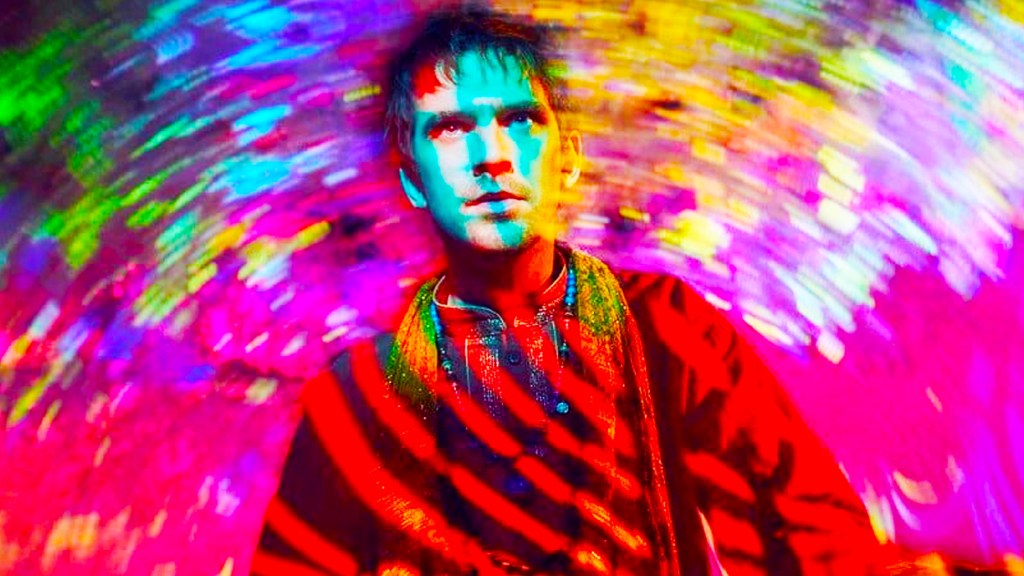
Noah Hawley’s Legion is a surrealist exploration of psychic power that abandons traditional superhero structures in favor of a visual language rooted in dream logic and psychological fantasy. The story centers on David Haller (Dan Stevens), a man who discovers that his hallucinations are actually the manifestations of his immense mutant abilities. Based on this premise, 4each season of Legion offers fans intricate visual puzzles and unconventional storytelling, often requiring multiple viewings to fully grasp the mind-blowing details the creative team has hidden in every psychedelic frame. Additionally, the depiction of the Shadow King (Navid Negahban) as a parasitic mental entity provides a terrifying supernatural antagonist that challenges the protagonist on a metaphysical level, leading to battles in different dimensions and even inside their minds.
1) Doom Patrol

At the pinnacle of the list, Doom Patrol excels by utilizing the absolute absurdity of its fantasy elements to deliver a sincere examination of trauma and self-acceptance. The series features a group of social outcasts—including the mechanical Robotman (Brendan Fraser), the energy-host Larry Trainor (Matt Bomer), and the physiologically unstable Rita Farr (April Bowlby)—who were brought together by the secretive Niles Caulder (Timothy Dalton). Unlike standard heroic teams, these characters are defined by their failures and their desperate attempts to maintain their humanity in a world that views them as freaks rather than saviors. Abandoning all scientific logic, the show pits the ensemble against surreal threats such as a sentient street or a cult dedicated to a cosmic de-creator, using these bizarre scenarios to explore the psychological scars of its protagonists. Because it consistently subverts expectations and prizes character growth over spectacle, Doom Patrol remains a rewarding experience for multiple viewings.
Which fantasy-inspired superhero series do you find yourself revisiting the most when you need a break from more grounded comic book adaptations? Leave a comment below and join the conversation now in the ComicBook Forum!
Most Viewed
-

Official art by Bastien Lecouffe-Deharme -
Image courtesy of Tor Books/Macmillan -

A photo of the Retrovolt Arcade taken in 2017, showing several classic arcade cabinets and stools. -

Courtesy of Saber Interactive -

Courtesy of TOHO Animation