For over a decade, the “Ozymandias” episode of Breaking Bad stood as the undisputed titan of television, maintaining a perfect 10.0 score on the Internet Movie Database (IMDb). This historical dominance was not merely a reflection of the episode’s structural perfection or its devastating emotional climax, but a testament to its status as a cultural landmark of the prestige TV era. Directed by Rian Johnson and written by Moira Walley-Beckett, the installment provided a definitive conclusion to the moral decay of Walter White (Bryan Cranston), achieving a level of universal acclaim that appeared insurmountable. However, the democratic nature of IMDb’s rating system—which utilizes a weighted average to calculate scores based on user contributions—eventually exposed “Ozymandias” to the volatility of online fan culture.
Videos by ComicBook.com
In early 2026, a series of organized review-bombing campaigns, largely sparked by rivalries between the Breaking Bad faithful and the burgeoning audience of the Game of Thrones prequel A Knight of the Seven Kingdoms, led to a significant shift in the site’s hierarchy. After thousands of retaliatory one-star reviews were logged, “Ozymandias” saw its average drop to a 9.5, effectively ending its reign as the only perfect TV episode on IMDb. This shift has redefined the ceiling for television quality on the platform, establishing a 9.9 rating as the highest achievable score currently held by any single installment. Today, that prestigious boundary is shared by 16 episodes, representing the absolute pinnacle of narrative achievement across both live-action and animated storytelling.
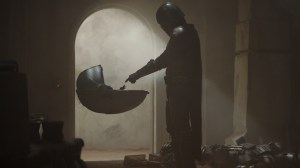
16) Star Wars: The Clone Wars: “Victory and Death”

The series finale of Star Wars: The Clone Wars serves as a somber and visually arresting conclusion to the animated saga, focusing on the immediate aftermath of Order 66. As Ahsoka Tano (voiced by Ashley Eckstein) and Captain Rex (voiced by Dee Bradley Baker) attempt to escape a crashing Star Destroyer, the narrative moves away from traditional heroism to explore the tragic reality of clones who have been robbed of their agency. The episode is praised for its atmospheric tension and a profound sense of loss, culminating in a silent epilogue that bridges the gap between the prequel era and the rise of the Galactic Empire. By stripping away the grandeur of the Jedi Order and focusing on the personal survival of its lead characters, the production provides a haunting perspective on the franchise’s most pivotal moment. The inclusion of a wordless appearance by Darth Vader reinforces the finality of the era, marking the end of the Republic with cinematic weight.
15) Regular Show: “A Regular Epic Final Battle”
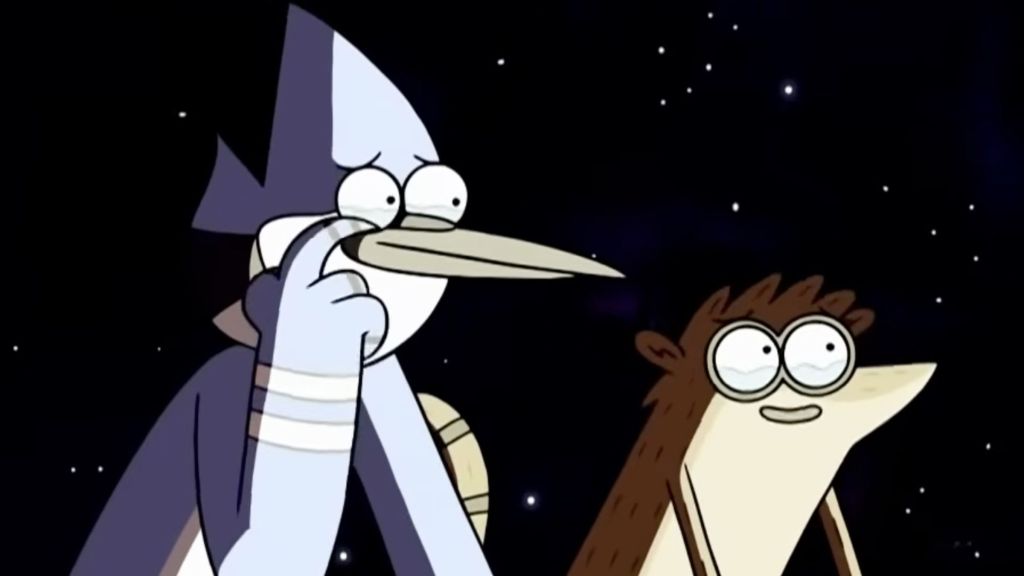
As the three-part series finale of the long-running animated series, “A Regular Epic Final Battle” transforms the show’s established surrealist comedy into a high-stakes cosmic odyssey. The narrative follows Mordecai (voiced by J.G. Quintel) and Rigby (voiced by William Salyers) as they join a multiversal war against Anti-Pops (voiced by Robert Englund), an entity whose power threatens to reset the entire universe. Unlike the episodic shenanigans of earlier seasons, the finale utilizes a grander scale to explore the themes of brotherhood and the inevitability of change. The creative team also leaned into the show’s meta-textual nature, incorporating references to its own production history to reward long-term viewers. Ultimately, the episode succeeds because it balances Regular Show‘s absurdist action with a poignant conclusion that allows its characters to transition into adulthood.
14) Legend of the Galactic Heroes: “Dream: To See It to the End”

“Dream: To See It to the End” functions as the final movement of the expansive Legend of the Galactic Heroes OVA series, delivering a philosophical conclusion to the rivalry between its two central ideologies. As Reinhard von Lohengramm (voiced by Ryō Horikawa) faces his terminal illness, the episode focuses on the transition of power and the legacy of the New Galactic Empire. The narrative eschews traditional military climaxes in favor of long, character-driven conversations that examine the cyclical nature of history and the heavy burden of leadership. This focus on political theory and personal integrity allows the series to maintain its intellectual depth until the final frame. The production utilizes its classical music score and meticulous art style to create a sense of operatic tragedy, framing the death of a conqueror as a moment of profound reflection rather than triumph.
13) Legend of the Galactic Heroes: “The Magician Doesn’t Return”

In one of the most shocking and structurally daring episodes in anime history, “The Magician Doesn’t Return” depicts the sudden and unceremonious death of Yang Wen-li (voiced by Kei Tomiyama). The narrative avoids the tropes of a heroic sacrifice, opting instead for a gritty and chaotic assassination that underscores the vulnerability of even the most brilliant tacticians. This decision reinforces the show’s central argument that history is often shaped by random acts of violence rather than grand destinies. By removing the show’s moral anchor long before the series finale, Legend of the Galactic Heroes forced the audience to confront the fragility of human progress. This oppressive sense of uncertainty and grief has cemented the episode’s reputation as a masterful subversion of the genre’s expectations.
12) Gravity Falls: “Weirdmageddon 4: Somewhere in the Woods”

The extended finale of Gravity Falls provides a definitive resolution to the mystery of the titular town, pitting Dipper (voiced by Jason Ritter) and Mabel (voiced by Kristen Schaal) against the reality-warping threat of Bill Cipher (voiced by Alex Hirsch). The final episode represents the peak of the show’s world-building, as every minor character and established plot thread converges to stop the extradimensional invasion. Beyond the kinetic energy of the battle, the heart of the story remains the sacrifice of Grunkle Stan (voiced by Alex Hirsch), whose decision to erase his own mind to defeat the villain serves as a powerful culmination of his character arc. This balance of cosmic horror and familial love allows the production to transcend its children’s network origins, delivering a sophisticated exploration of the transition from childhood to adolescence.
11) Mr. Robot: “407 Proxy Authentication Required”
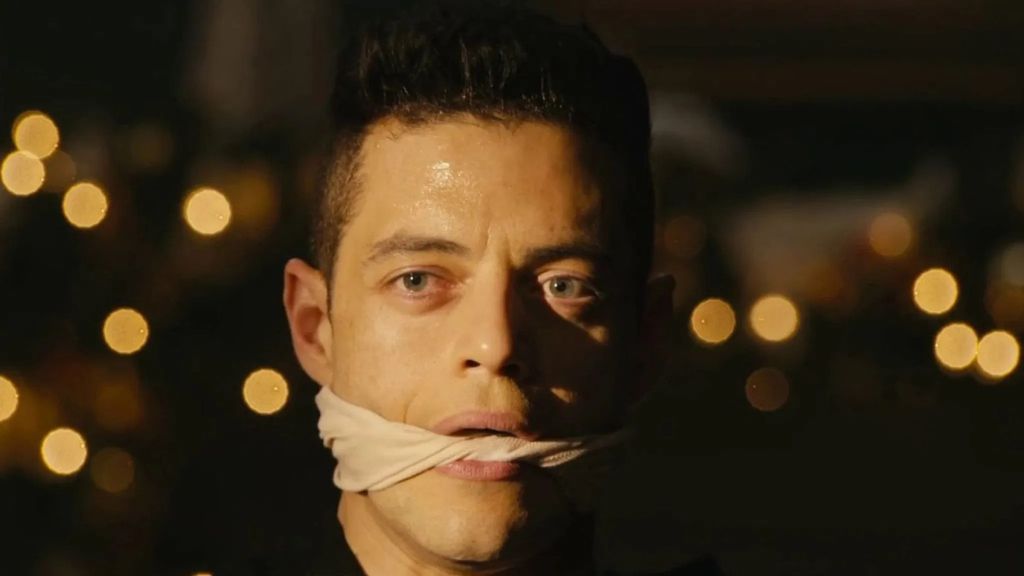
Mr. Robot‘s “407 Proxy Authentication Required” is a unique technical achievement, presented as a five-act stage play within the confines of a single location. The narrative focuses on a tense confrontation between Elliot Alderson (Rami Malek) and the unstable Fernando Vera (Elliot Villar), utilizing long takes and an oppressive atmosphere to build psychological tension. Director Sam Esmail stripped away the show’s usual technological focus to deliver a raw and devastating revelation about Elliot’s childhood trauma. This narrative pivot recontextualizes the entire series, transforming a story about corporate hacking into a deeply personal study of survival and mental illness. The performances are remarkably disciplined, with Malek and Villar engaging in a rhythmic exchange that feels both theatrical and claustrophobically real. By forcing the characters and the audience to sit with the discomfort of the truth, the episode achieves a level of intimacy that remains unparalleled in modern television drama.
10) Game of Thrones: “The Winds of Winter”

The Season 6 finale of Game of Thrones remains a landmark of cinematic television, specifically for its meticulously paced opening sequence involving the destruction of the Great Sept of Baelor. Directed by Miguel Sapochnik, the episode utilizes a haunting score by Ramin Djawadi to build a sense of impending doom as Cersei Lannister (Lena Headey) executes her plan to eliminate her political rivals. The narrative also provides several long-awaited payoffs, including the confirmation of Jon Snow’s (Kit Harington) true parentage and Daenerys Targaryen’s (Emilia Clarke) departure for Westeros. These monumental shifts in the power dynamic of the series are handled with a scale and visual polish that rivaled big-budget theatrical releases. This combination of structural elegance and massive narrative momentum makes it one of the most rewatchable installments in the entire franchise.
9) Game of Thrones: “Battle of the Bastards”

Game of Thrones‘ “Battle of the Bastards” redefined the possibilities of medieval warfare on the small screen, delivering a visceral and claustrophobic depiction of combat that prioritized the physical toll of battle. The central conflict between Jon Snow and Ramsay Bolton (Iwan Rheon) is presented with a grim realism, specifically during the sequence where Jon is nearly suffocated by a literal pile of bodies. This emphasis on the chaos of the front lines creates a tangible sense of dread, stripping away the romanticism often associated with fantasy. Beyond the technical brilliance of its choreography and cinematography, the episode provides a cathartic resolution to the Bolton occupation of Winterfell. The tactical intervention of Sansa Stark (Sophie Turner) and the Knights of the Vale adds complexity to the victory, emphasizing that the survival of the Stark legacy required more than just military bravery.
8) Game of Thrones: “The Rains of Castamere”

Few television episodes have achieved the level of cultural notoriety associated with “The Rains of Castamere,” famously known for the Red Wedding sequence. The narrative follows Robb Stark (Richard Madden) and Catelyn Stark (Michelle Fairley) as they attend a wedding at the Twins, only to be betrayed and massacred by the Frey and Bolton families. This brutal subversion of the traditional hero’s journey fundamentally altered the trajectory of Game of Thrones, demonstrating that no character was safe from the consequences of political missteps. The suddenness of the violence is enhanced by the absence of a musical score during the end credits, forcing the audience to sit in the silence of the aftermath. The performance of Fairley in her final moments provides the episode with its emotional core, conveying a sense of despair that transcended the screen.
7) Tomorrow’s Joe: “The Great End”
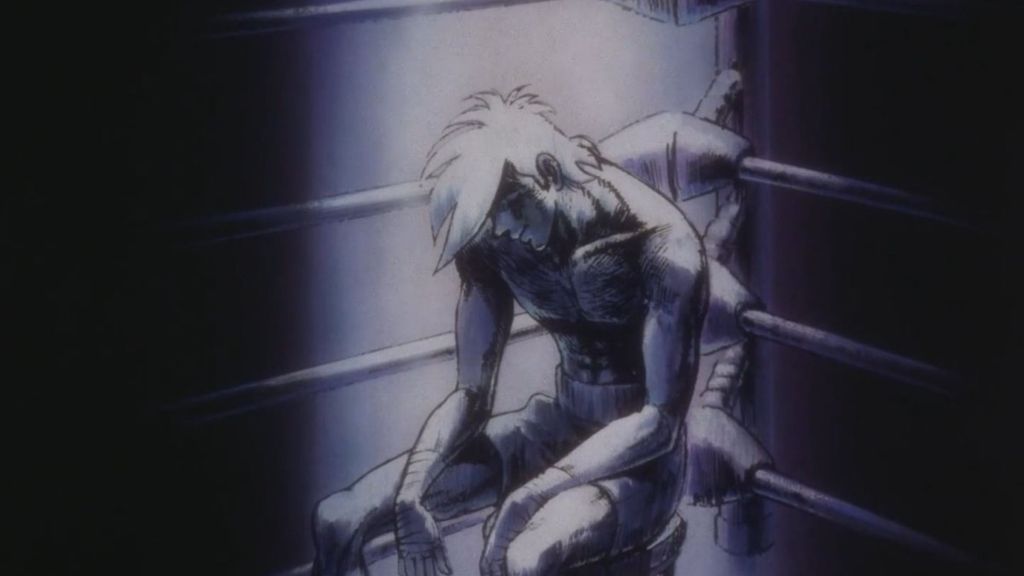
The series finale of the 1980s boxing classic Tomorrow’s Joe remains one of the most iconic and frequently referenced conclusions in the history of television. The episode depicts the final match between Joe Yabuki (voiced by Teruhiko Aoi) and Jose Mendoza, portraying the sport as a grueling endeavor that demands everything from the protagonist. The narrative focuses on Joe’s refusal to surrender, even as his body breaks down under the physical toll of the fight. This relentless determination culminates in the famous final image of Joe sitting in his corner, having “burned out to white ash.” This metaphor for total self-actualization provides the series with a profound and poetic ending that prioritizes the spirit of the athlete over the result of the match.
6) Better Call Saul: “Plan and Execution”
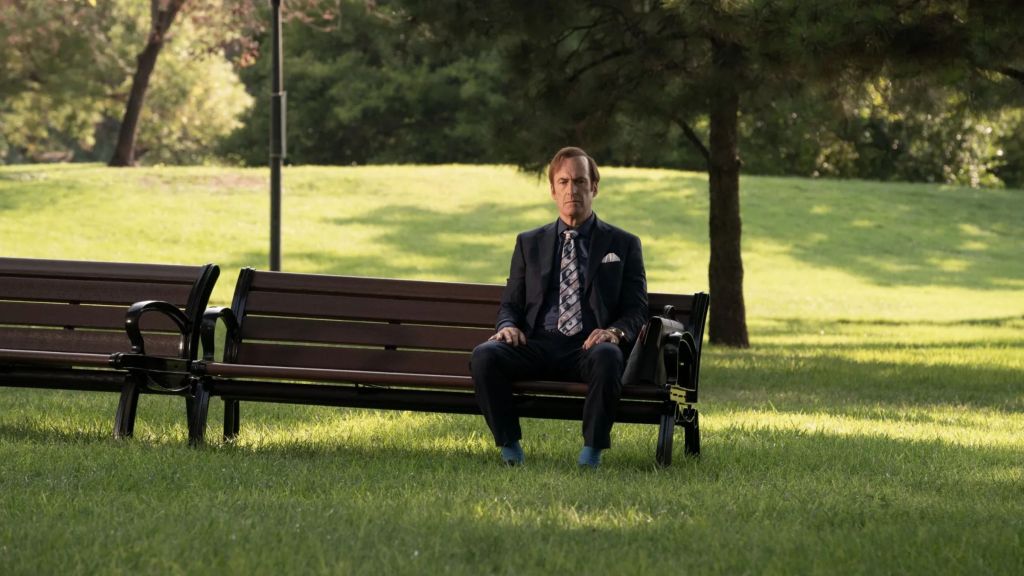
Better Call Saul‘s “Plan and Execution” serves as a masterclass in slow-burning tension. The first half of the episode focuses on the humorous and intricate sabotage of Howard Hamlin (Patrick Fabian) by Jimmy McGill (Bob Odenkirk) and Kim Wexler (Rhea Seehorn), only for the tone to shift drastically in the final minutes. The sudden arrival of Lalo Salamanca (Tony Dalton) transforms a legal dramedy into a terrifying thriller, leading to the senseless and shocking execution of Howard. This moment represents the definitive point of no return for Jimmy, as the consequences of his “scam” culture result in the death of a man who was merely an obstacle in his professional game. Furthermore, the direction by Thomas Schnauz utilizes silence and framing to heighten the sense of vulnerability within the apartment, making the violence feel sudden and inevitable.
5) Avatar: The Last Airbender: “Sozin’s Comet, Part 4: Avatar Aang”

The final installment of the four-part series finale of Avatar: The Last Airbender provides a flawless resolution to the epic journey of Aang (voiced by Zach Tyler Eisen). The episode centers on the final confrontation between the Avatar and Fire Lord Ozai (voiced by Mark Hamill), resolving the central conflict through a unique application of energy bending that adheres to Aang’s pacifist philosophy. This decision avoids the traditional trope of the hero killing the villain, offering instead a more sophisticated exploration of morality and the burden of destiny. Simultaneously, the Agni Kai between Zuko (voiced by Dante Basco) and Azula (voiced by Grey DeLisle) provides a tragic and visually stunning look at the collapse of a royal family. The animation reaches a pinnacle during these sequences, utilizing vibrant colors and fluid movement to emphasize the elemental power on display. By providing satisfying closure for every major character, the production established itself as a definitive achievement in the realm of fantasy television.
4) Vinland Saga: “End of the Prologue”

The Season 1 finale of Vinland Saga is a remarkably bold narrative shift that redefines the entire purpose of the show. After twenty-four episodes focusing on Thorfinn’s (voiced by Yūto Uemura) quest to avenge his father, the narrative culminates in the death of Askeladd (voiced by Naoya Uchida) at the hands of Prince Canute (voiced by Kensho Ono). This sudden conclusion leaves Thorfinn without his life’s singular goal, effectively rendering his years of violence and hatred meaningless. The episode focuses on Askeladd’s final tactical move to secure the future of Wales and Canute’s ascension, presenting the mercenary leader as a complex figure. This subversion of the revenge genre elevates the series into a philosophical exploration of war, fate, and the search for a land without conflict.
3) BoJack Horseman: “The View from Halfway Down”
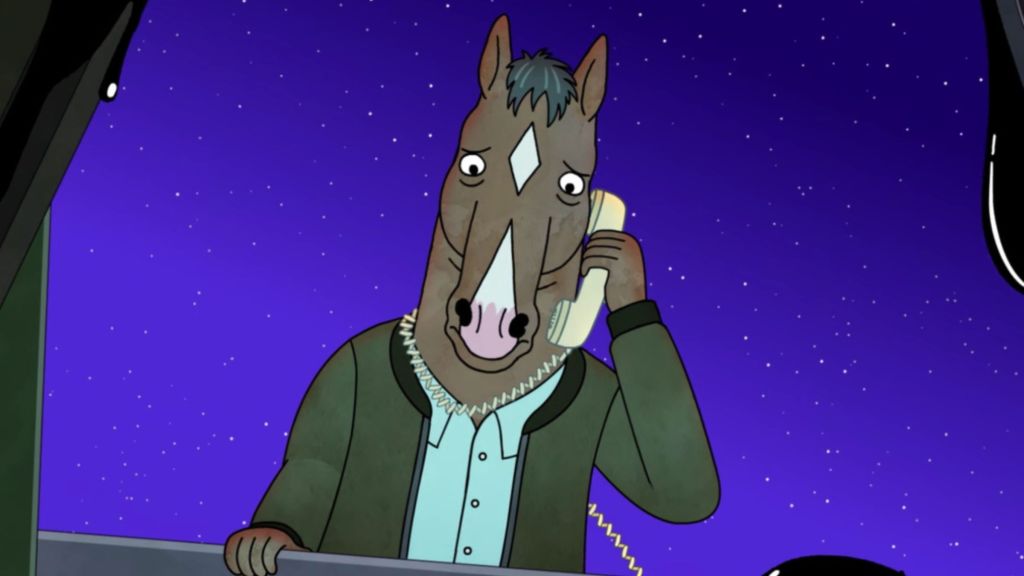
In its penultimate episode, BoJack Horseman delivers a surreal and harrowing exploration of mortality as the titular horse (voiced by Will Arnett) navigates a dreamscape dinner party with the ghosts of his past. The narrative utilizes a theatrical structure to confront the mistakes and traumas of BoJack’s life, culminating in a series of performances that examine the finality of death. The centerpiece of the episode is the titular poem read by Secretariat, which serves as a terrifying depiction of the regret felt during a suicide attempt. This focus on the nothingness after life creates a sense of existential dread that is rare for an animated series. On top of that, the production utilizes a decaying environment and a dripping black void to represent the encroachment of death, forcing the audience to witness the psychological erosion of a character seeking an escape that does not exist.
2) Heated Rivalry: “I’ll Believe in Anything”

The fifth episode of the breakout hockey drama Heated Rivalry represents a seismic shift in the queer sports subgenre, achieving a near-perfect score for its raw emotional intensity and high-stakes narrative payoffs. The episode focuses on a pivotal turning point in the secret relationship between Shane Hollander (Hudson Williams) and Ilya Rozanov (Connor Storrie), as their professional rivalry is complicated by the intrusion of their private feelings. Unlike typical sports dramas that focus on the big game, the production prioritizes the psychological friction of living a double life within a heteronormative environment. The narrative culminates in a series of intimate and vulnerable exchanges that strip away the characters’ protective athletic personas. This focus on emotional specificity and the chemistry between the leads allowed the show to build a massive global following in a short amount of time.
1) Six Feet Under: “Everyone’s Waiting”
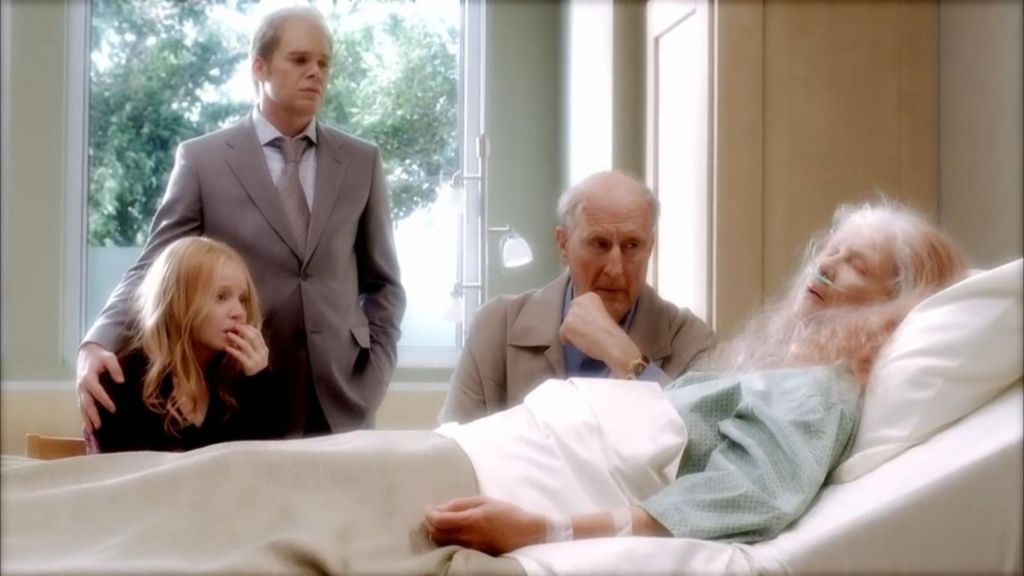
The series finale of Six Feet Under is widely regarded as the most perfect conclusion in the history of television, providing a definitive resolution that honors the show’s central themes of life and mortality. The narrative centers on Claire Fisher (Lauren Ambrose) as she leaves Los Angeles for New York, but the episode is best remembered for its final six-minute montage. Set to Sia’s “Breathe Me,” the sequence depicts the future deaths of every major character, effectively closing the book on their lives and ensuring there is no room for unnecessary sequels or reboots. This structural choice forces the audience to confront the inevitability of loss while celebrating the beauty of the characters’ journeys. The performances from the ensemble cast, including Peter Krause and Michael C. Hall, are deeply grounded in the history of the Fisher family. By addressing the one universal human experience that the show explored for five seasons, the production achieved a level of emotional resonance that remains the benchmark for series finales.
Which of these 9.9-rated episodes do you believe represents the absolute high-water mark for television storytelling? Leave a comment below and join the conversation now in the ComicBook Forum!
Most Viewed
-

Crunchyroll -

images courtesy of Walt Disney Studios Motion Pictures