The selection of Kathleen Kennedy as the President of Lucasfilm represented a foundational shift in how the industry approached legacy intellectual property. Handpicked by George Lucas as his successor in 2012, Kennedy was the primary architect who navigated the $4 billion sale of the studio to The Walt Disney Company. After that, her leadership immediately transitioned the Star Wars brand from a dormant cinematic relic into a relentless multimedia machine, focusing on a strategy of constant content output across both theatrical and streaming platforms. This era marked the revival of the main saga and the emergence of live-action Star Wars television, representing a period of unprecedented growth that fundamentally altered the scale of the franchise. However, despite its commercial triumphs, the Kennedy presidency was equally defined by a profound level of creative friction and internal shifts.
Videos by ComicBook.com
Kennedy officially stepped down from her Lucasfilm role on January 15, 2026. Dave Filoni has been promoted to President and Chief Creative Officer to lead the company alongside Co-President Lynwen Brennan, marking a return to the creative philosophy of the George Lucas lineage. Still, while the leadership has changed, a few projects overseen by Kennedy are still slated for release, including The Mandalorian and Grogu film and the upcoming Star Wars: Starfighter featuring Ryan Gosling. As the leadership of Lucasfilm changes, it’s the perfect time to take a look back at every Star Wars project developed while Kennedy was in charge. For the sake of conciseness, we’ll be excluding micro-series, shorts, and the Jedi Temple Challenge game show.
19) Star Wars: The Rise of Skywalker
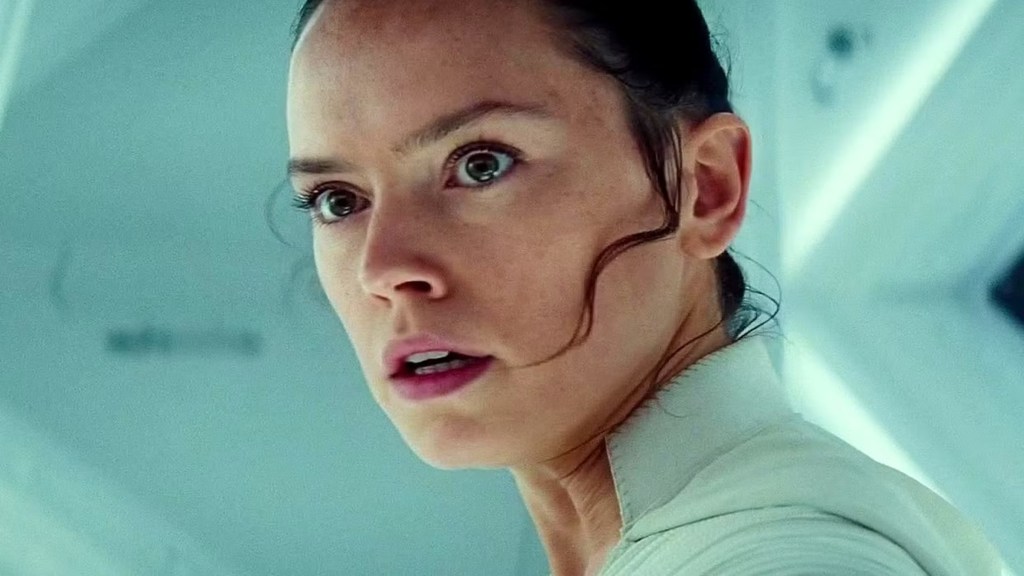
The concluding chapter of the Skywalker Saga represents the most significant creative struggle of the Kennedy era. Following a difficult production that saw J.J. Abrams return to replace the original director, Star Wars: The Rise of Skywalker relied on a frantic pace and heavy doses of nostalgia to mask a lack of narrative cohesion. In that context, the sudden reintroduction of Emperor Palpatine (Ian McDiarmid) felt like a reactive decision rather than a planned story beat, undermining the character arcs established in the previous two films. While the technical execution of The Rise of Skywalker was impressive, the script struggled to resolve the various “mystery boxes” of the trilogy, resulting in a conclusion that left the core mythology of the Star Wars universe in a state of confusion.
18) Star Wars Resistance
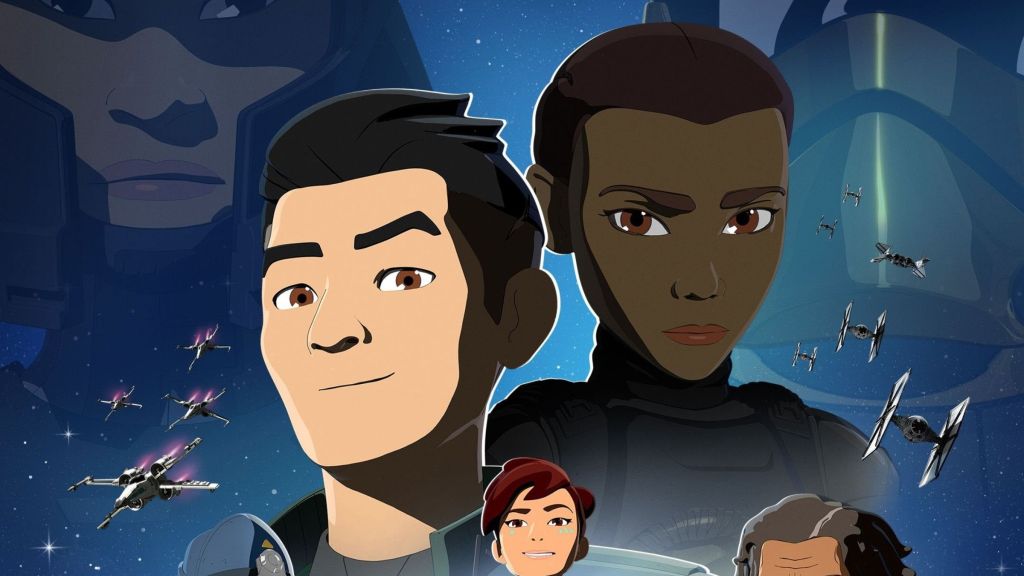
As an attempt to capture a younger demographic while the sequel trilogy was the primary focus of the studio, Star Wars Resistance struggled to find its footing within the larger franchise mythology. First of all, the series utilized a cel-shaded animation style that felt visually jarring compared to the cinematic depth of its animated predecessors, creating a disconnect for viewers accustomed to the high-production standards of the brand. Furthermore, while the narrative offered a unique look at the civilian pilots of the Colossus, the stakes frequently felt too low for a galaxy that was supposed to be on the brink of total collapse. Plus, the show’s inability to integrate its plot meaningfully into the events of the First Order’s rise left it feeling like a secondary thought in the Star Wars ecosystem. Finally, because the character development for Kazuda Xiono (voiced by Christopher Sean) often leaned into slapstick humor, it failed to generate the crossover appeal that typically elevates Lucasfilm’s animated output.
17) The Book of Boba Fett

The long-awaited return of the galaxy’s most famous bounty hunter proved to be a disjointed experience that lacked a clear creative direction. The Book of Boba Fett attempted to humanize Boba Fett (Temuera Morrison) by showing his transition from a mercenary to a benevolent crime lord, yet the narrative frequently lost momentum during its flashbacks—the show’s decision to spend a significant portion of its limited runtime on the history of the Tusken Raiders delayed the development of the primary conflict in Mos Espa. This identity crisis was exacerbated when the series shifted its focus entirely to Din Djarin (Pedro Pascal) for two full episodes, effectively turning The Book of Boba Fett into a supplement for another show. While the action sequences provided occasional highlights, the series failed to justify why Boba Fett needed to be the center of his own story, resulting in a finale that felt more like a promotional tool for the wider “Mando-verse” than a definitive character study.
16) Young Jedi Adventures

The inclusion of Young Jedi Adventures on this list highlights Lucasfilm’s commitment to expanding the Star Wars audience to the youngest possible demographic. Set during the High Republic era, the series follows younglings such as Kai Brightstar (voiced by Jamaal Avery Jr.) and Nash Durango (voiced by Emma Berman) as they learn the basic tenets of the Jedi Order. The animation is vibrant, and the tone is appropriately optimistic, focusing on lessons of empathy and teamwork that fit a preschool audience. However, Young Jedi Adventures’ rigid adherence to its educational format means it lacks the sophisticated storytelling found in the rest of the franchise. While it serves as a functional entry point for toddlers, the series does not possess the narrative weight or the complex stakes required to rank higher among the more ambitious projects of the Kennedy era.
15) Solo: A Star Wars Story

The production of Solo: A Star Wars Story remains one of the most publicized examples of the creative difficulties during Kennedy’s tenure. After the mid-production firing of the original directors, Ron Howard stepped in to deliver a competent but ultimately safe origin story for Han Solo (Alden Ehrenreich). The film effectively checked the boxes of the character’s history, showing the acquisition of the Millennium Falcon and the first meeting with Chewbacca (Joonas Suotamo). However, the narrative felt constrained by its own prequel status, often prioritizing the explanation of Han’s equipment and nicknames over genuine character growth. While the performance of Donald Glover as Lando Calrissian was a clear standout, Solo: A Star Wars Story struggled to find an audience at the box office. It stands as a well-made adventure that nonetheless highlights the limitations of the “Star Wars Story” anthology format when the stories are too focused on filling in existing gaps.
14) The Acolyte
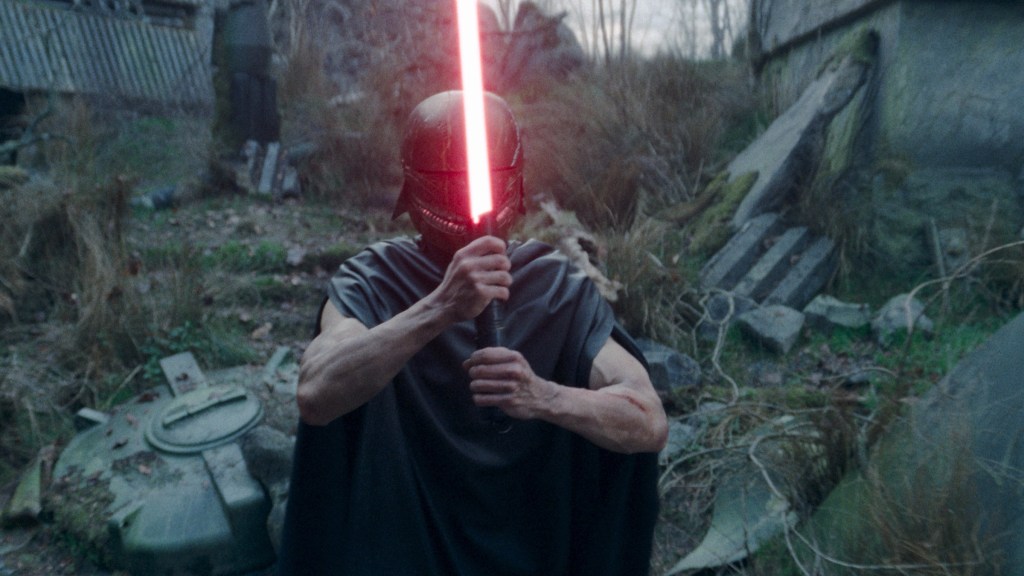
The first live-action exploration of the High Republic era arrived with The Acolyte, a series that attempted to subvert traditional expectations of the Jedi and the Sith. The show focused on a mystery involving twins Osha and Mae (Amandla Stenberg) and featured some of the most intricate and brutal lightsaber combat in the history of the Star Wars franchise. On top of that, the introduction of the Stranger (Manny Jacinto) provided a terrifying and fresh antagonist who challenged the moral certainty of the Jedi Order. Unfortunately, The Acolyte struggled with uneven pacing and a narrative structure that left many viewers disconnected from the central emotional conflict. While the production values were high and the world-building was ambitious, the show became a lightning rod for cultural debate, which ultimately overshadowed its creative merits. The cancellation of the series after its first season prevented the resolution of several major plot points, leaving it as a truncated experiment in the Kennedy era.
13) Obi-Wan Kenobi

Obi-Wan Kenobi was a major event that capitalized on the enduring popularity of the prequel trilogy by reuniting Ewan McGregor and Hayden Christensen. The series explored the psychological trauma of Obi-Wan Kenobi during his exile on Tatooine, providing a necessary bridge between his failure as a master and his eventual rebirth as a guide for Luke Skywalker. The emotional core of the show was the relationship between Kenobi and a young Leia Organa (Vivien Lyra Blair), which added a new significance to their connection in the original 1977 film. However, the production was hampered by visual effects that often looked flat and a script that felt stretched thin to accommodate six episodes. While the final confrontation between Vader and Kenobi was a powerful realization of a decade-long fan wish, the surrounding plot elements occasionally felt like filler, preventing Obi-Wan Kenobi from achieving the true cinematic status it deserved.
12) Star Wars: Skeleton Crew

Directed by Jon Watts and Christopher Ford, Star Wars: Skeleton Crew is a stylish coming-of-age adventure that successfully channels the spirit of 1980s Amblin films. The series follows a group of children who discover a lost ship and accidentally launch themselves into a dangerous and unknown part of the Star Wars galaxy. By centering the story on the perspectives of children, Star Wars: Skeleton Crew restored a sense of genuine wonder and peril to the franchise, while the inclusion of Jod Na Nawood (Jude Law) as a morally ambiguous guide added tension to the group’s attempt to find their way home. The show’s strength lies in its ability to tell a standalone story that feels grounded and personal, proving that the universe is capable of hosting diverse genres beyond the typical war narrative. It is a refreshing and imaginative entry that emphasizes the potential for smaller stories in the streaming era.
11) Ahsoka
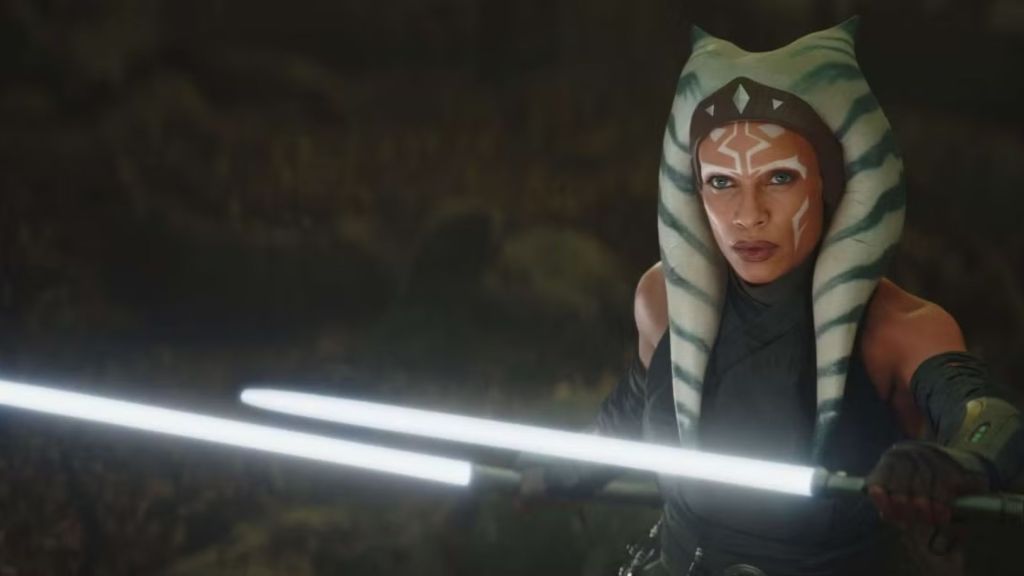
The live-action debut of Ahsoka served as a direct continuation of the animated Star Wars Rebels, bringing the beloved warrior Ahsoka Tano (Rosario Dawson) into the heart of the New Republic’s struggle. The series focused on the search for Ezra Bridger (Eman Esfandi) and the impending return of Grand Admiral Thrawn (Lars Mikkelsen), utilizing a visual style that felt deeply rooted in the mysticism of the Force. Above everything else, the performance of Ray Stevenson as Baylan Skoll provided one of the most intriguing new antagonists of the Kennedy era, offering a philosophical alternative to the traditional Jedi-Sith binary. While Ahsoka was criticized for being too reliant on the viewer’s knowledge of previous animated series, it successfully translated the spirit of those stories into a live-action format.
10) Star Wars: Tales

The anthology format of Tales of the Jedi, Tales of the Empire, and Tales of the Underworld allowed the studio to deliver some of its most mature and focused storytelling through short-form animation. Utilizing the visual language established by Dave Filoni, these episodes explore pivotal moments in the lives of characters like Count Dooku (voiced by Corey Burton) and Morgan Elsbeth (voiced by Diana Lee Inosanto). The brevity of each chapter forces the writers to strip away unnecessary subplots, resulting in a lean and impactful narrative that emphasizes theme over spectacle. The exploration of Dooku’s disillusionment with the Republic and his gradual descent into darkness was particularly effective, providing a tragic context to his role in the prequels. These stories prove that the Star Wars universe can be remarkably efficient when focusing on character psychology, making this series a vital addition to the lore that rewarded long-term fans without the bloat of a traditional series.
9) Star Wars: The Bad Batch

As a direct spin-off from the final season of The Clone Wars, Star Wars: The Bad Batch followed a squad of elite clones as they navigated the immediate aftermath of Order 66. The show succeeded in humanizing the clones through the bond between the squad and the young Omega (voiced by Michelle Ang), transforming a military procedural into a touching family drama. In addition, by exploring the rise of the Empire from the ground level, the series provided a detailed look at the systemic destruction of the Republic’s institutions and the replacement of clones with stormtroopers. The production values of Star Wars: The Bad Batch remained high across all seasons, featuring cinematic lighting and complex action choreography that pushed the limits of television animation. As a result, the series managed to provide an emotional conclusion for its characters, a rarity in the franchise.
8) Star Wars: The Force Awakens
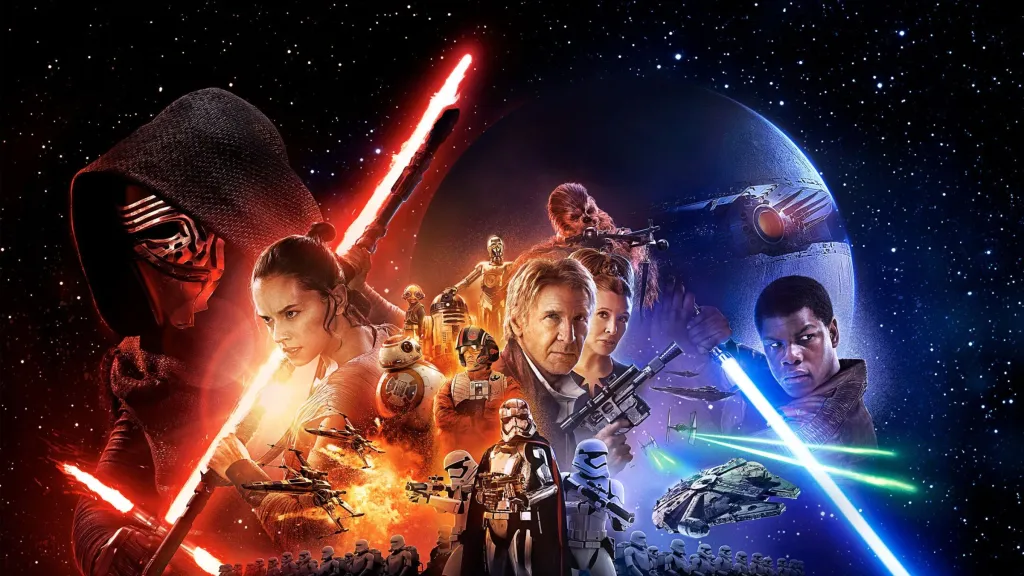
The film that relaunched the franchise for a new generation, Star Wars: The Force Awakens, was a massive commercial and cultural triumph that successfully recaptured the excitement of the original trilogy. By introducing a new trio of heroes led by Rey (Daisy Ridley), the movie established a fresh dynamic that felt both familiar and modern. The direction of J.J. Abrams prioritized practical effects and location shooting, resulting in a tactile aesthetic that grounded the fantasy elements. While the plot was criticized for mirroring the structure of the 1977 original, the film’s impeccable pacing and character introductions reminded the world why the Star Wars brand was a global powerhouse. Furthermore, the volatile performance of Adam Driver as Kylo Ren set the stage for the most interesting conflict of the sequel trilogy, ensuring the film remains a highlight of the Kennedy era’s theatrical output.
7) Star Wars: Visions

One of the most creative and visually diverse projects of the Kennedy era was Star Wars: Visions, an anthology series that invites international animation studios to tell non-canonical stories. By removing the constraints of the timeline, the show allowed for a radical reinterpretation of the franchise’s iconography, from the feudal Japan aesthetic of “The Duel” to the vibrant colors of “Screecher’s Reach.” This experiment proved that the core themes of the Star Wars universe—such as the struggle between light and dark or the importance of family—could be successfully filtered through virtually any cultural lens. Even more important, the anthology format encouraged artistic risks that would never be possible in a live-action feature, resulting in some of the most memorable and unique visual experiences in the studio’s history. Visions stands as a testament to the versatility of the brand and its ability to inspire creators across the globe to redefine what a Star Wars story can be.
6) Star Wars Rebels
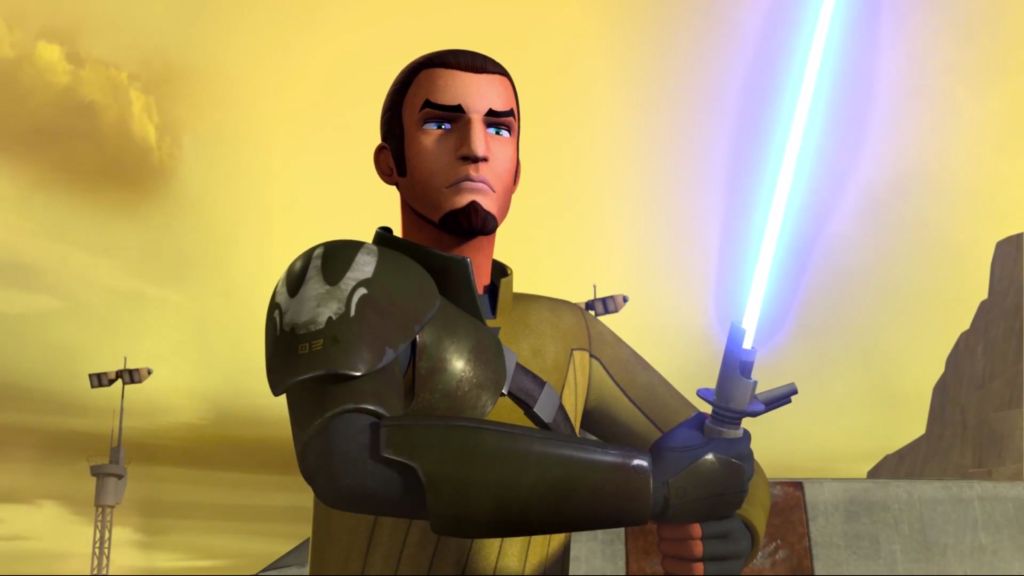
Star Wars Rebels began as a simple adventure about a small cell of insurgents, but eventually transformed into an essential pillar of the modern mythology. The series followed the crew of the Ghost as they participated in the birth of the Rebellion, introducing characters like Kanan Jarrus (voiced by Freddie Prinze Jr.) and Hera Syndulla (voiced by Vanessa Marshall). Still, by integrating legacy characters like Darth Vader and Maul into the story, the series provided a bridge between the prequel and original trilogies that felt both earned and impactful. Beyond that, the show’s strength was its ability to balance lighthearted humor with deep spiritual exploration, particularly concerning the mysteries of the Force and the history of the Jedi. The finale of Star Wars Rebels also offered a hauntingly beautiful resolution that left the fate of the protagonist Ezra Bridger (voiced by Taylor Gray) as a lingering mystery, ensuring the show would remain a crucial reference point for the future of the franchise.
5) Star Wars: The Clone Wars (Season 7)
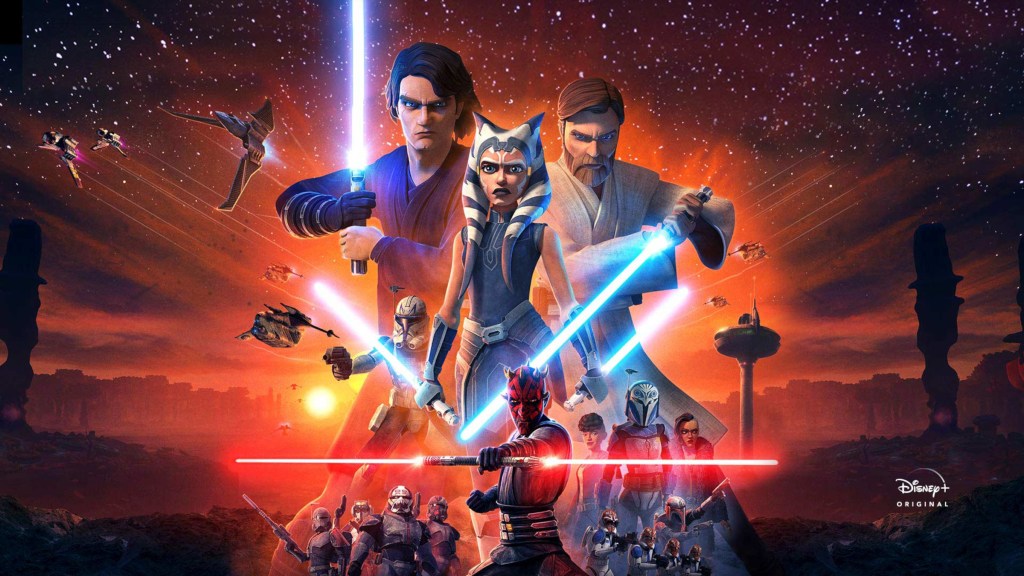
The seventh and final season of Star Wars: The Clone Wars was a historic achievement that provided the definitive conclusion to a series that had sustained the brand for over a decade. The season’s final arc, focusing on the Siege of Mandalore, utilized cinematic production values that surpassed the standards of television animation. By showing the events of the Great Purge and Order 66 from the perspective of Ahsoka Tano (voiced by Ashley Eckstein) and Captain Rex (voiced by Dee Bradley Baker), Star Wars: The Clone Wars delivered a crushing emotional weight that the live-action films could not match. This final run elevated the entire prequel era, proving that animation could deliver some of the most sophisticated and tragic storytelling in the Star Wars universe.
4) Star Wars: The Last Jedi
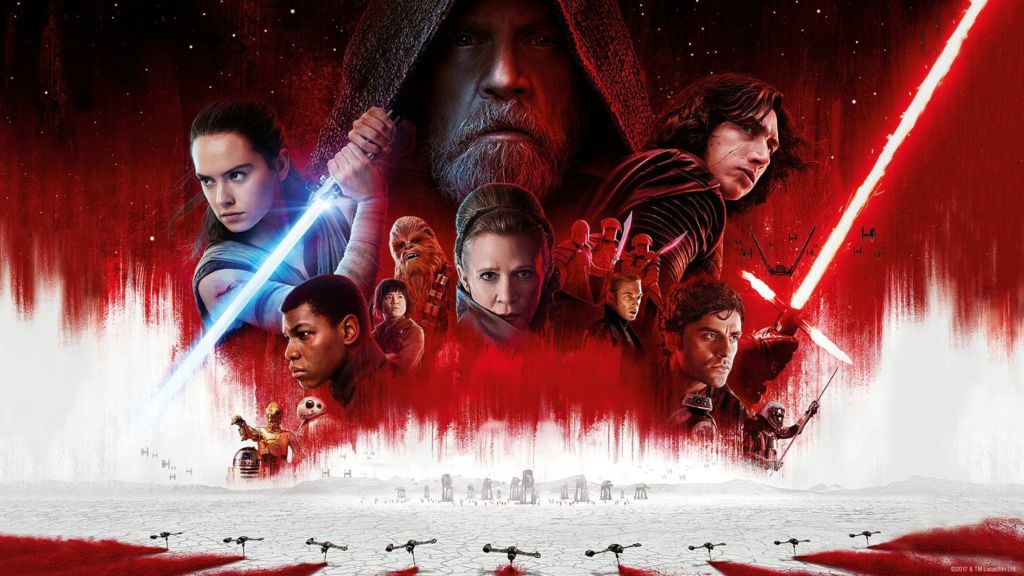
No film in the Kennedy era was as daring as Star Wars: The Last Jedi, a project that chose to deconstruct the myths of the Jedi Order and the legacy of Luke Skywalker (Mark Hamill). In The Last Jedi, writer-director Rian Johnson delivered a visually stunning experience that challenged the audience to look beyond the binary of light and dark. The film’s exploration of failure and the idea that everyone can be a hero, regardless of their heritage, subverted the family roots of the saga, promising to open the mythology to whole different stories. Added to that, the performance of Hamill as a disillusioned Luke was a risk that paid off by providing the character with a profound arc of redemption. While the film’s choices remain a point of intense debate among the fanbase, its critical acclaim and bold vision solidified it as a singular achievement that refused to rely on the safety of a formula. That’s why, despite its shortcomings, it’s a shame Lucasfilm decided to throw away the best things The Last Jedi brought into the Star Wars universe.
3) The Mandalorian
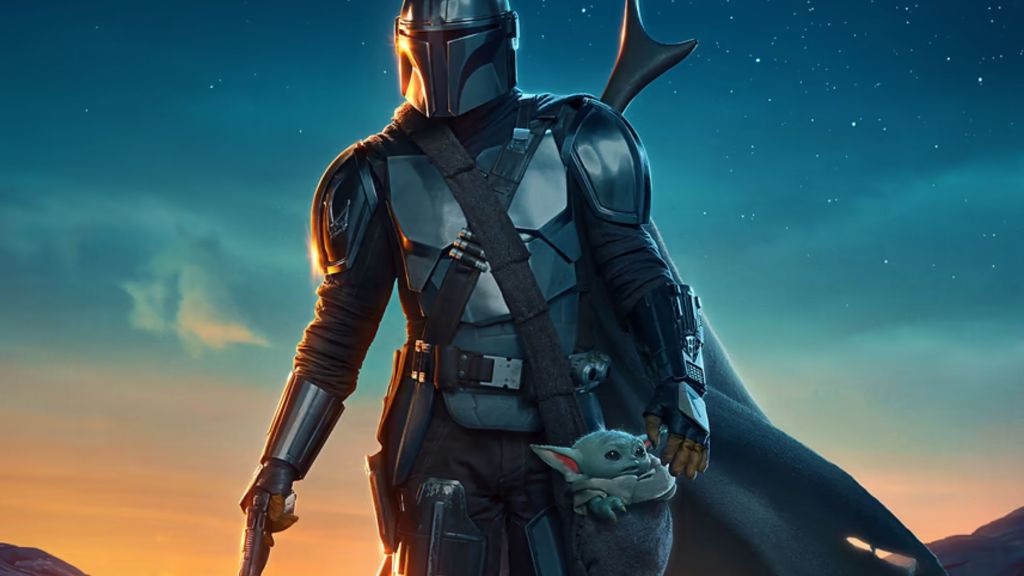
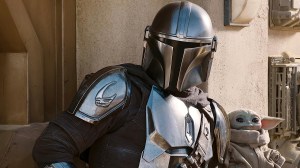
The premiere of The Mandalorian signaled a new era for Star Wars by successfully bringing high-budget live-action storytelling to the small screen. The series focused on the silent, armored bounty hunter Din Djarin (Pedro Pascal) and his unexpected role as a protector for a young Force-sensitive creature affectionately named by fans as Baby Yoda. By stripping away the galactic stakes of the Skywalker Saga, The Mandalorian allowed for a more intimate and grounded look at the Star Wars universe, utilizing the visual language of classic Westerns and samurai films. The production was also a pioneer in the use of the “Volume” digital stage technology, which has since become a standard in the blockbuster industry. The show’s massive cultural impact and the popularity of Grogu ensured that the Star Wars brand remained relevant during a period of theatrical hiatus, establishing a new model for how the studio could sustain a franchise through serialized streaming content.
2) Rogue One: A Star Wars Story

Rogue One: A Star Wars Story is the gold standard for standalone films in the Disney era, providing a visceral look at the high cost of the Rebellion. The movie followed Jyn Erso (Felicity Jones) and her team as they attempted to steal the plans for the Death Star, culminating in a ground-level battle on the beaches of Scarif. Rogue One’s willingness to kill off its entire cast of heroes gave the mission a weight and a sense of finality that is rare in modern blockbusters. Also, despite a difficult production that involved significant reshoots, the final product felt perfectly aligned with the aesthetic of the original 1977 film while offering a more modern perspective on the conflict. The final sequence featuring Darth Vader’s assault remains one of the most celebrated moments in the franchise’s history, successfully bridging the gap between the prequels and the original trilogy with sheer cinematic power.
1) Star Wars: Andor
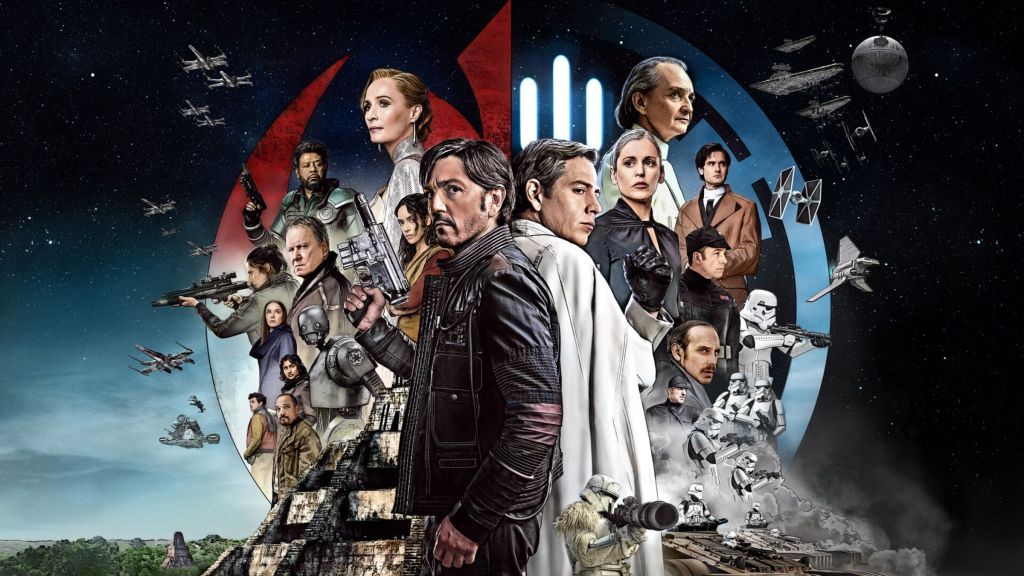
At the pinnacle of the Kennedy era is Star Wars: Andor, a series that fundamentally changed the perception of what a story in this universe could be. After working on Rogue One, showrunner Tony Gilroy delivered a sophisticated political thriller that focused on the banality of evil and the often morally grey logistics of starting a revolution. By grounding the story of Cassian Andor (Diego Luna) in the reality of imperial oppression, the show managed to create a sense of tension and intellectual depth that far exceeded the typical genre expectations. In addition, every performance, from Stellan Skarsgård as the manipulative Luthen Rael to Genevieve O’Reilly as the desperate Mon Mothma, contributed to a lived-in world that felt dangerously real. Andor proved that the Star Wars brand does not need Jedi or lightsabers to be compelling; it only needs great writing and a commitment to the human elements of the struggle.
Which Star Wars project from the Kathleen Kennedy era do you believe will have the longest-lasting impact on the franchise’s legacy? Leave a comment below and join the conversation now in the ComicBook Forum!
Most Viewed
-

Official art by Bastien Lecouffe-Deharme -
A photo of the Retrovolt Arcade taken in 2017, showing several classic arcade cabinets and stools. -
Image courtesy of Tor Books/Macmillan