
Written and illustrated by Eiichiro Oda, One Piece began serialization in the Weekly Shonen Jump magazine on July 22nd, 1997. It’s been exactly 29 years since then, and the series is expected to have a major celebration next year. Over the decades, One Piece became the best-selling manga of all time, with over 600 million copies in circulation across the globe. Not to mention that for several years now, Luffy remains the face of Shonen Jump, which is a testament to the series’ legacy and historic success. Even though the majority of the world is familiar with Luffy’s face, WSJ doesn’t shy away from putting him in the spotlight. The covers always include characters from ongoing series. However, no matter how many Jump covers are released, fans always find Luffy in the middle with other protagonists surrounding him.
Videos by ComicBook.com
This has been the norm for several years, and it’s no coincidence that WSJ keeps giving Luffy the spotlight. Following the conclusions of massive hits like Dragon Ball and Slam Dunk in the mid 1990s, the magazine was in deep waters for quite a while. The sales plummeted, and it didn’t have as much relevancy as before, despite the fact that the 1990s were a revolutionary era for anime and manga fans. However, things changed when One Piece debuted in 1997 and made the magazine into what it is today. This happened despite the fact that the manga was reportedly rejected three times before serialization, since no one could’ve expected the impact it would have one day.
One Piece Kept Its Legacy Alive Even Now
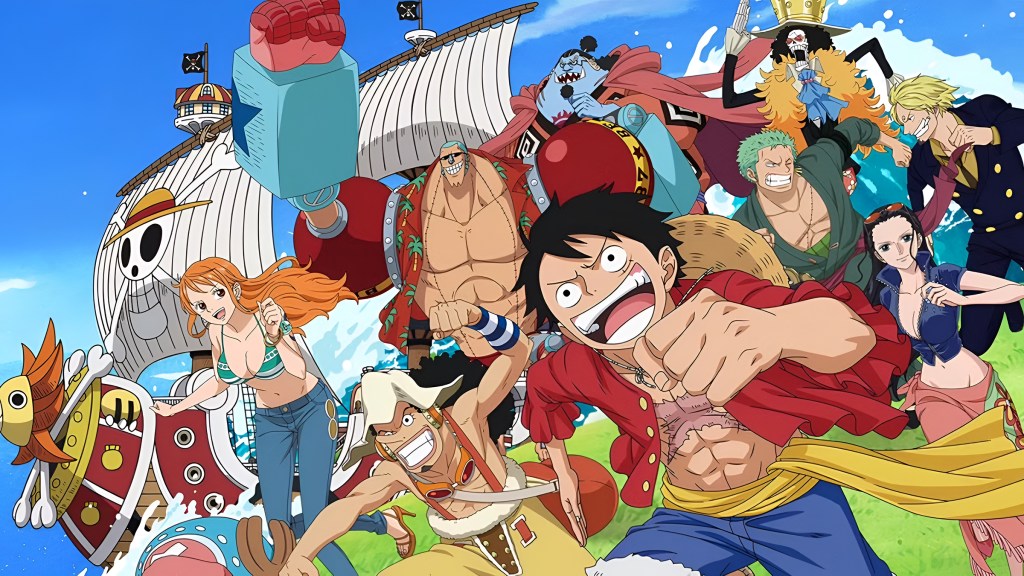
Even after almost three decades, One Piece‘s popularity only continues to grow. With the live-action’s success and the remake anime under production, the franchise will continue to grow even more. The popularity is definitely deserved thanks to the exceptional storytelling set within the expansive world created by Oda. Every part of the journey reveals something major about the world or the Void Century, contributing to the spectacular world-building of the series.
One Piece is more than just fights, and its true strength lies in the world-building, the layers of mysteries, and complex storylines. This is why the premise of each Saga is more than just fighting to protect an island. The fights are never the main focus since the backstories and lore drops often grab more attention, and for obvious reasons.
On each island, Luffy meets new allies, most of whom have crucial roles to play in the Final Saga. It’s thanks to the repetitive pattern of Luffy saving them that these characters, including Princess Vivi, Princess Shirahoshi, and many such influential figures, end up admiring him and taking his side despite the fact that he is a pirate.
What do you think? Leave a comment below and join the conversation now in the ComicBook Forum!
More Anime
-

Image Via TMS Entertainment -
Courtesy of Toei Animation -

Image Courtesy of Science Saru -

Image Courtesy of Studio Enishiya -

Courtesy of 20th Television Animation -

Courtesy of Paramount+ -
©Ryoko Kui, KADOKAWA/Delicious in Dungeon PARTNERS -

Image Courtesy of Toei Animation
