The anime industry is ever-growing, releasing an abundance of new series each year, with most of them getting overshadowed by the mainstream shows. This is especially true in the last decade or so, as anime’s popularity has skyrocketed and etched its mark as mainstream media. While the viewership continues to grow and diversify in their interests, action Shonen still dominates the industry, especially those with fantasy settings and superpowers. It’s been decades since these shows have continued to get global recognition, as evidenced by the popularity of Shonen classics such as Dragon Ball and One Piece, as well as modern hits such as Jujutsu Kaisen and Demon Slayer.
Videos by ComicBook.com
Compared to these incredible shows, realistic anime series with a unique outlook on personal struggles, academic burnout, and the creative and artistic process are bound to go under the radar. Despite critical acclaim and high viewership ratings, these series never reach the same heights of popularity as battle Shonen. Additionally, even though some of these shows do get decent enough viewership, a sequel is never guaranteed, as it could take years to return, and some just disappear completely. Blue Period, which was released in October 2021, became known for its thought-provoking themes, garnering many good reviews. The first season concluded on December 18th of the same year, and even though it’s been almost four years since then, there’s no hope for the sequel at all.
What Is The Plot of Blue Period?
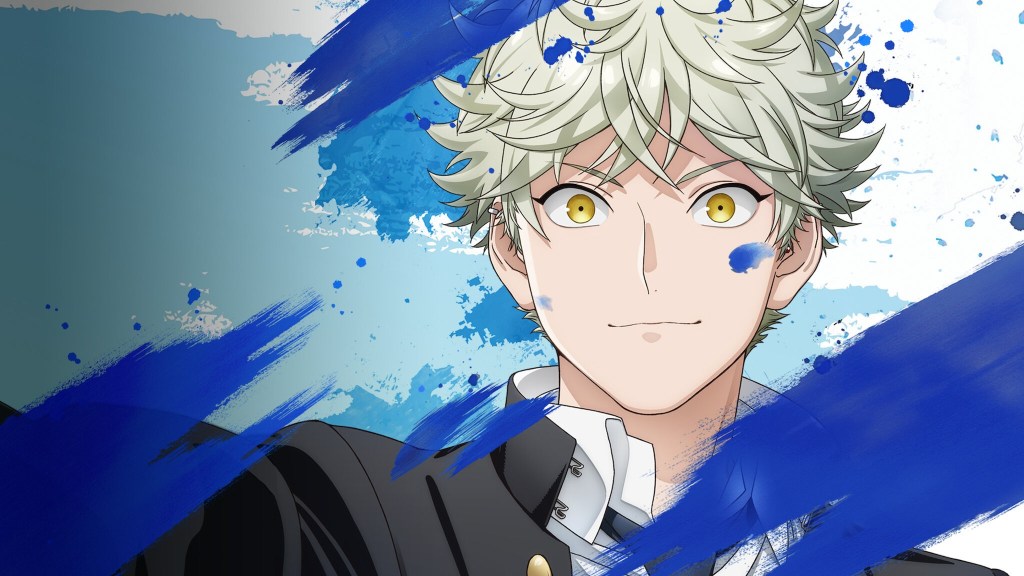
The series is based on the award-winning manga by Tsubasa Yamaguchi, which has been serialized in the Afternoon manga magazine since 2017. Blue Period is one of those anime that hits different, where viewers are immersed in the beauty of art and the struggles artists face. The story centers around Yatora Yaguchi, an unmotivated, second-year high school delinquent.
Despite his excellent grades, he is uninterested in everything around him until he finds his true calling in life when he stares at the vibrant landscape of Shibuya. Inspired by the breathtaking art, Yatora picks up a paintbrush, hoping to convey his thoughts on a canvas. Before long, he begins his artistic journey, facing the challenges that come with it. Even so, he works hard toward his goal despite the roadblocks and soon decides to enter Tokyo University of the Arts, a highly competitive school that only accepts one in every two hundred applicants.

However, compared to those who have been painting for years, a newcomer like Yatora has his work cut out for him, despite his talent. As his inexperience shows in front of his peers, Yatora is in a race against time as he must improve quickly before the entrance exam.
Blue Period Is a Realistic Approach to Creativity and Artistic Burnout

The anime doesn’t sugarcoat an artistic journey; instead, it focuses on sleepless nights, artistic blocks, burnout, rejection, vulnerability, and the struggle to embrace your true self. The story stands out for portraying art as a demanding and vulnerable journey, often leading those pursuing it to doubt themselves. We see the discipline required behind it through the points of view of the characters as they spend hours on practice while experiencing emotional highs and lows, and the constant pressure to improve. Yatora isn’t naturally gifted, but the one thing he possesses is his ability to improve within a short period of time.
He confronts his limitations through relentless curiosity, study, and understanding his own vulnerabilities before anything else. His grounded perspective makes his journey even more impactful and honest. At the same time, the anime doesn’t shy away from the darker side of artistic ambition through Yatora’s friend Ryuji Ayukawa. Unlike Yatora, who approaches art through discovery, Ryuji uses art as a form of expression that gives voice to feelings they cannot freely share in everyday life.
The character’s art is deeply personal, tied to their struggle with expectations, gender expression, and the discomfort of living between who they are and who they’re told to be. The series resonates with viewers because it treats art as something deeply human and acknowledges that creativity can be both exhilarating and exhausting. After all, burnout is a natural part of any meaningful pursuit. The show doesn’t offer easy answers, but instead celebrates persistence, self-reflection, and the courage to redefine what it means to be an artist.
What do you think? Leave a comment below and join the conversation now in the ComicBook Forum!
Most Viewed
-

Image Courtesy of Toei Animation -
Image Courtesy of Ufotable