Some anime absolutely should have ended 50 episodes ago. Some of these long-running have has a natural “ceiling” where its main promise gets fulfilled. Sometimes the power system gets stretched until it becomes paperwork, and sometimes the cast grows so large that half the episodes feel like roll call with fight scenes. But there is a reason these shows keep going anyway, and it is not just greed.
Videos by ComicBook.com
Long series become weekly habits, and habits are valuable. Some fans want the original plot. Others just want to live with the characters longer. The frustrating truth is that “should have ended” and “people will keep watching” can both be true, especially when a series is good at comfort viewing and knows how to deliver periodic peaks that reset fan patience for another stretch. Still, not every long runner earns that patience.
10. The Seven Deadly Sins
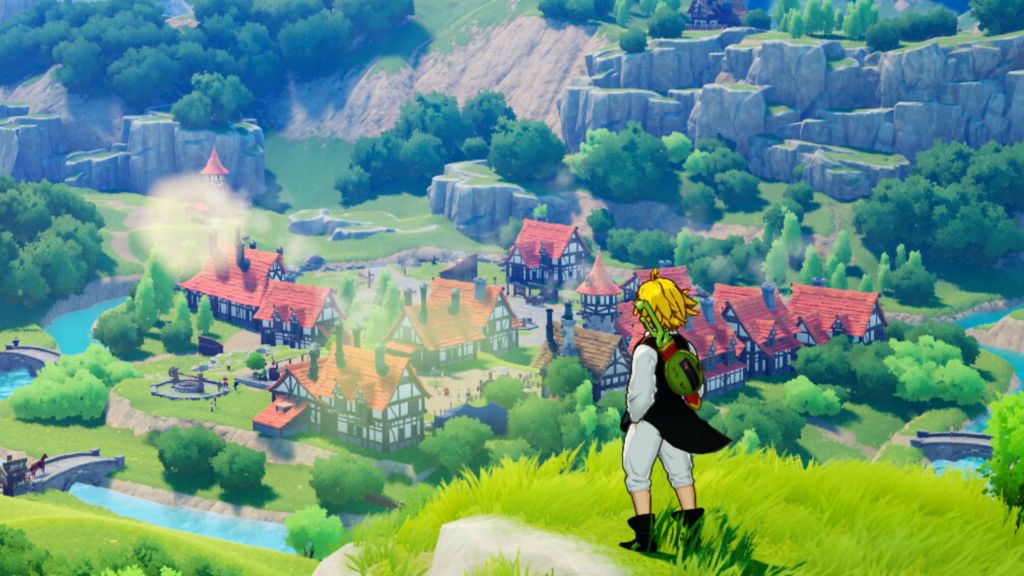
Season 1 of Seven Deadly Sins had momentum, a tight core cast, and a clear hook. Then the series kept stretching conflicts past their natural endpoint, leaning harder on power escalation and recycled “bigger evil appears” plotting. The production side didn’t help. Later seasons became infamous for inconsistent animation and off-putting compositing, especially when compared with the show’s early appeal. Fans who stuck around often did it for closure and character loyalty rather than excitement about the next arc.
9. Tokyo Revengers
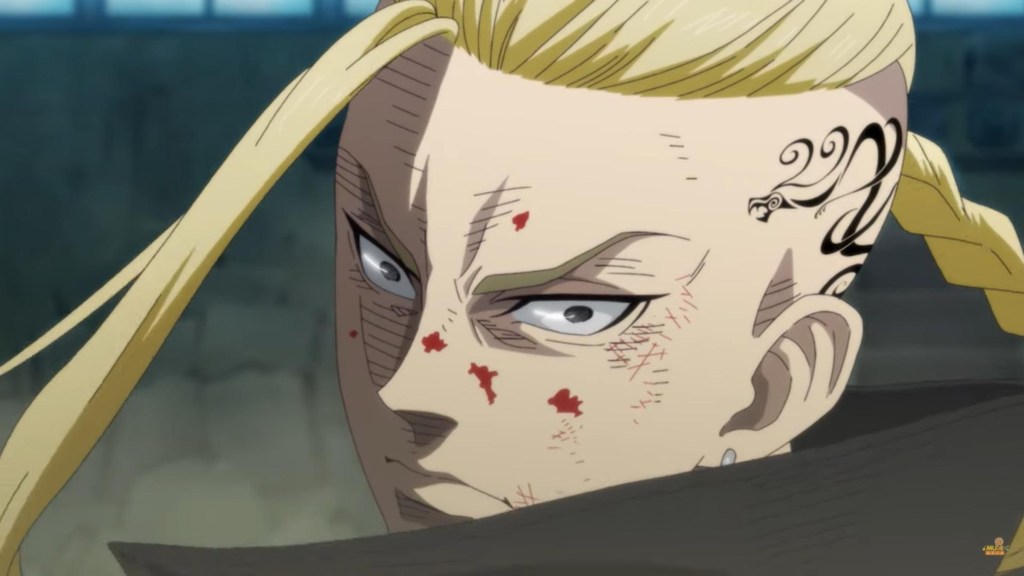
The first major arc of Tokyo Revengers works because it commits to a focused emotional engine: regret, friendship, and the desperation of changing one event. After that, the time-loop structure begins to feel like a treadmill. Setbacks repeat, stakes inflate, and the story keeps finding reasons to reset progress instead of letting consequences land. The series also paints itself into corners with its own premise. Keeping the protagonist reactive for so long makes later arcs feel more like plot maintenance. When a story keeps asking for patience without delivering payoff, the extra episodes stop feeling “more” and start feeling “again.”
8. Bleach
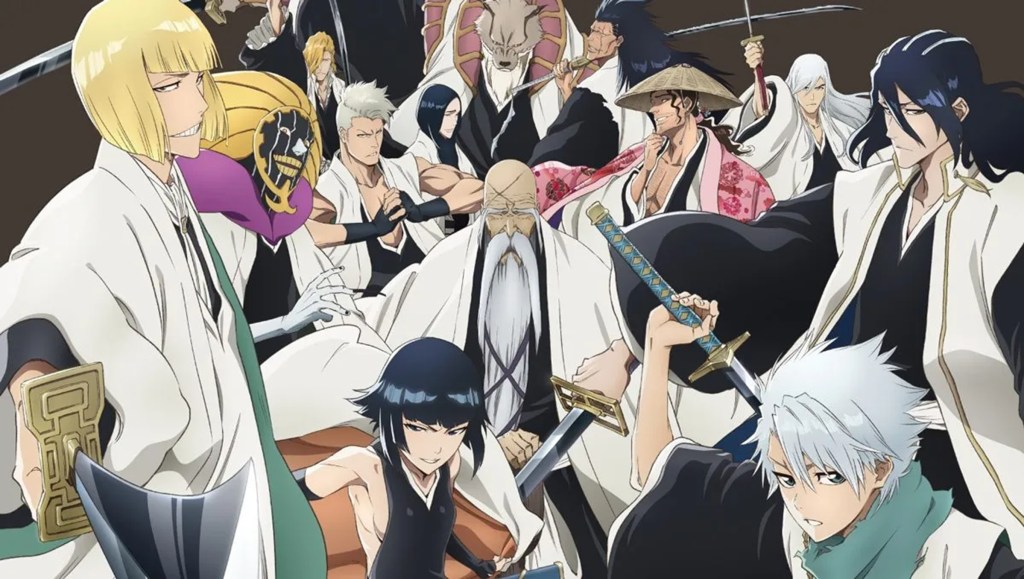
Bleach‘s Soul Society arc remains the peak for many viewers because it balances mystery, clear goals, and exciting matchups. After that, the show extends itself through long runs of filler and arc structures that echo earlier beats. Even canon material leans heavily on new factions and higher tiers of enemies, which can dilute the impact of what came before.
The anime’s original run (2004–2012) also suffered from pacing whiplash. Viewers would get a burst of momentum, then hit a wall of anime-original detours. The later return with Thousand-Year Blood War looks better and moves faster, but it also highlights how much of the earlier sprawl could have been trimmed.
7. Fairy Tail
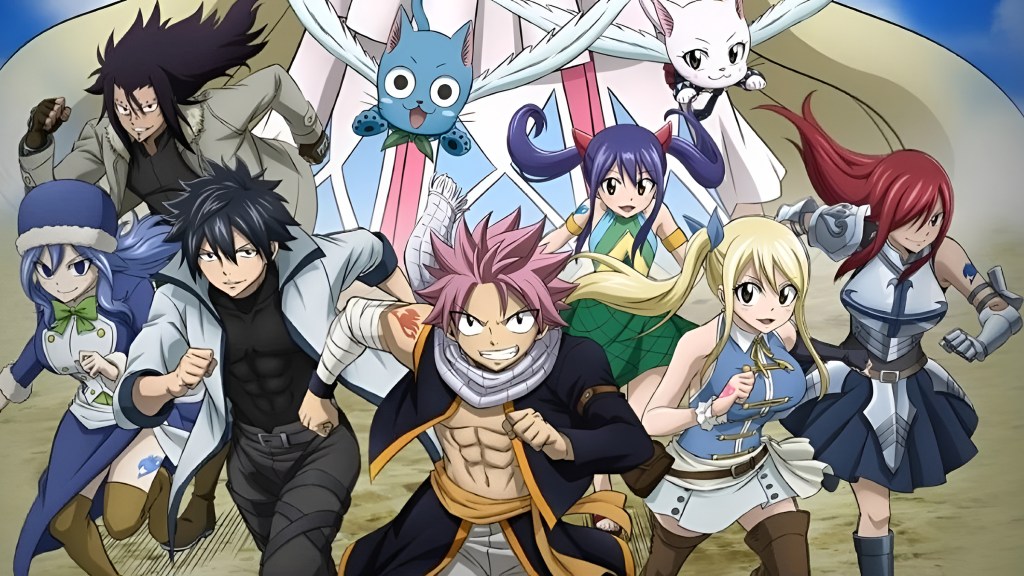
At its best, Fairy Tail delivers comfort-food shonen with a likable guild dynamic and big emotional speeches. It also over-relies on the same patterns: new threat appears, the cast gets separated into matchups, someone powers through with feelings and friendship, then the next even bigger threat arrives. The episode count (300+ across the main TV runs) became a liability because the story kept trying to top itself without changing its tools. If you like the characters, you can enjoy hanging out with them. If you want escalating arcs that genuinely evolve the narrative, the mid-to-late stretch tests your patience.
6. Black Clover
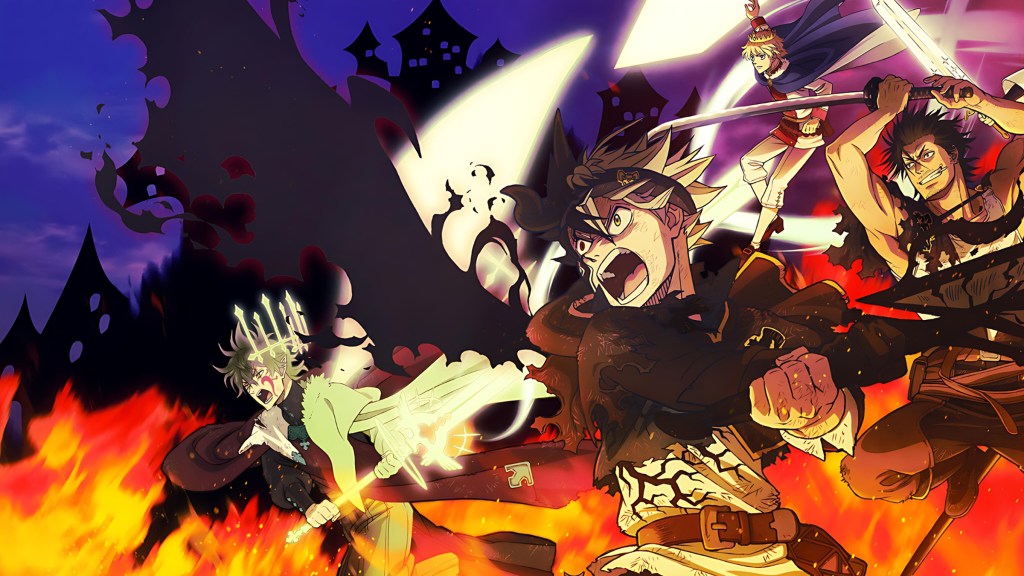
The early show has a scrappy charm, and it eventually finds its footing with better fights and clearer team dynamics. The problem came when Black Clover started stacking arc on arc with constant magic reveals and ever-larger threats, often without giving the world time to breathe. Its long TV run (170 episodes) also includes a stretch of anime-canon material and slower sections that soften urgency. A tighter cut could have preserved the series’ best trait: forward drive.
5. My Hero Academia
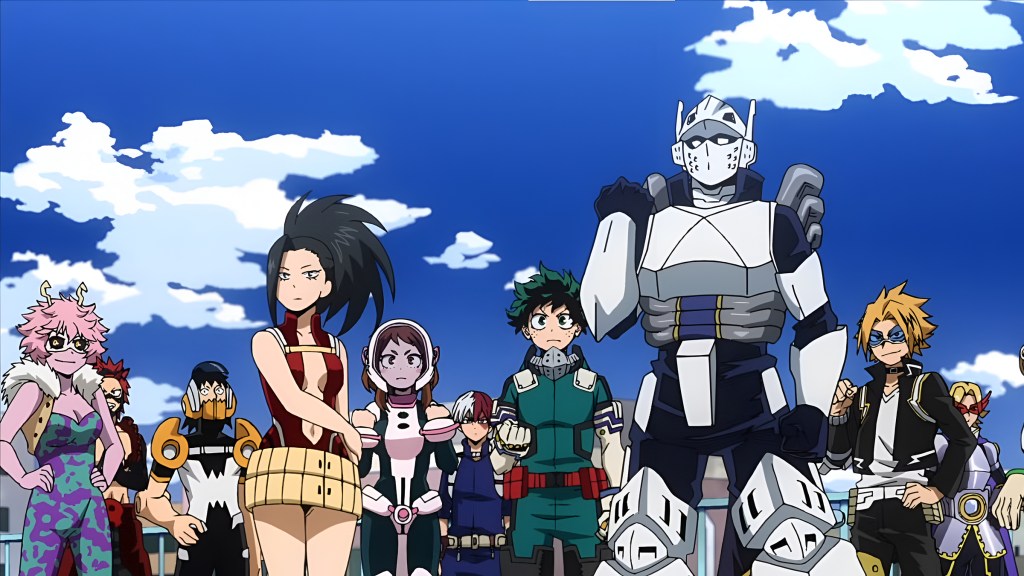
My Hero Academia‘s premise stays strong, and the early seasons balance school life with villain pressure in a way that feels fresh. As the story continues, it leans more on expanded lore, bigger conspiracies, and a widening cast that competes for screen time. That expansion can be exciting, but it also bloats the narrative and weakens the original “students growing into heroes” rhythm. Some arcs still hit hard, especially when they focus on consequences and character limits. Others drag because the show keeps circling the same themes while adding new subplots that don’t land equally well.
4. Sword Art Online
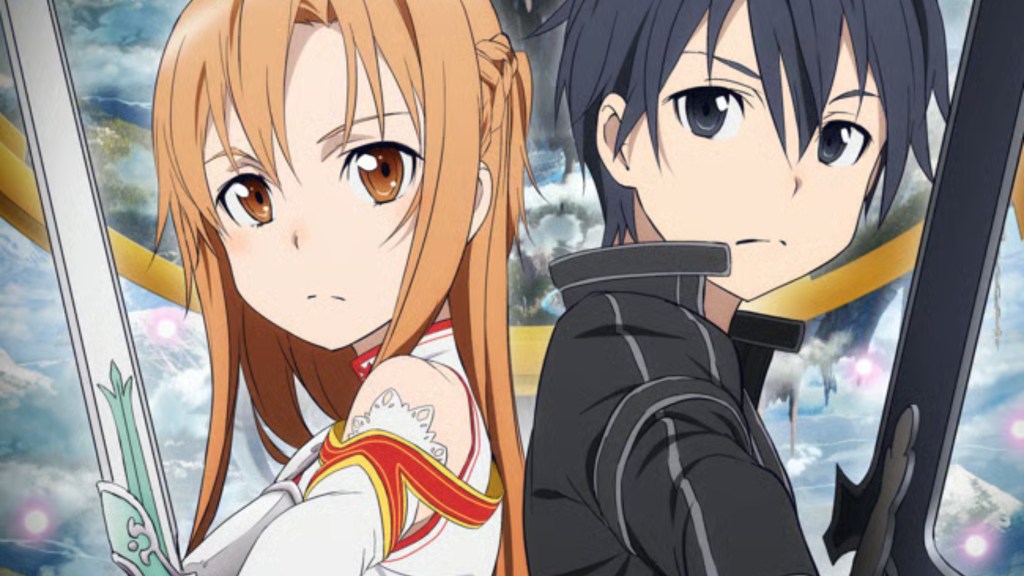
Aincrad had a clean, compelling endpoint built into the premise: clear the game. Sword Art Online‘s show sprinted through that concept, then kept going through new worlds and mechanics that often feel like attempts to recapture the original hook. You can enjoy the experimentation, but it rarely matches the urgency of the first idea.
The franchise also carries baggage from uneven writing choices and tonal swings that divide its audience. Some later arcs improve characterization and worldbuilding, yet the brand still feels trapped by its need to keep restarting the concept in a new setting.
3. Naruto / Naruto: Shippuden
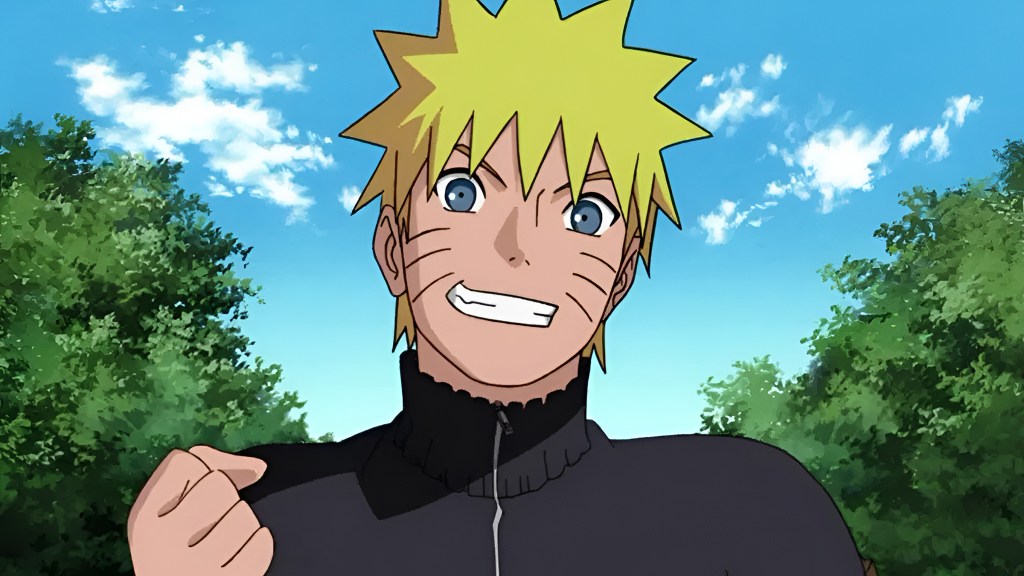
Naruto’s core story has real emotional weight, and the best arcs deliver iconic rivalries, creative fights, and satisfying reveals. The problem becomes scale. As the series pushes deeper into god-tier threats and endless revelations, it crowds out the grounded ninja drama that made it special.
Filler and pacing issues made this worse in the anime. Large blocks of anime-original episodes interrupt momentum, and even canon material can drag under repetition and extended flashbacks. A leaner adaptation would have kept the focus on character arcs rather than sheer volume.
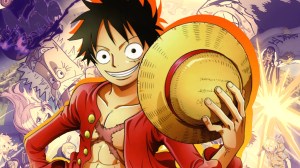
2. One Piece
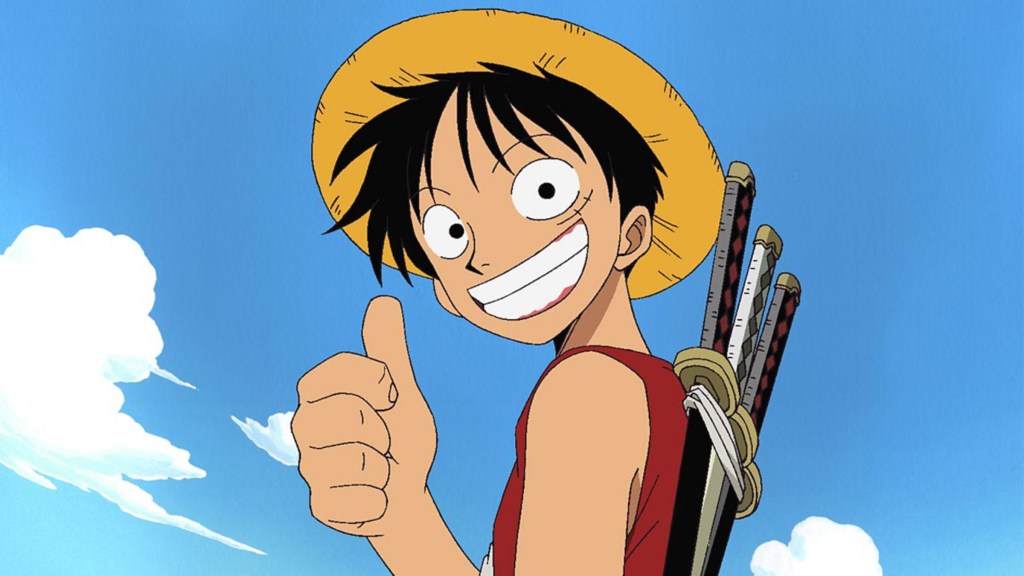
The worldbuilding and long-term storytelling of One Piece remain unmatched, and the series still delivers huge emotional peaks. The anime pacing, though, has become the biggest obstacle. This is less a problem with the story than with the weekly format’s grind. The result feels like watching a great tale through a slow drip-feed. Many fans recommend the manga or special edits because the anime’s length isn’t only “long,” it’s padded.
1. Dragon Ball Z (and the long tail of Dragon Ball sequels)
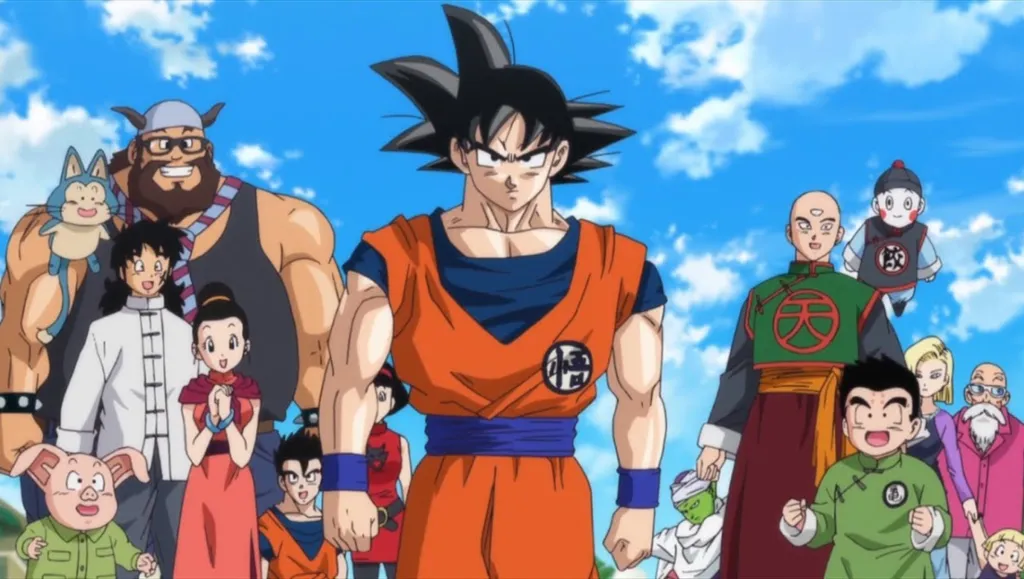
Dragon Ball Z mastered hype, but it also normalized the idea that fights should take forever. Namek remains the classic example, with long stretches devoted to powering up, staring down, and repeating the same stakes. It worked once because the tension was new. Over time, the formula turned into self-parody and trained audiences to expect bloat.
Then the franchise kept extending the endpoint. Dragon Ball GT (anime-original sequel) and later Dragon Ball Super revived the cycle of transformations, new gods, and bigger ceilings. The brand still prints memorable moments, but the storytelling often feels engineered to continue rather than conclude.
What do you think? Leave a comment below and join the conversation now in the ComicBook Forum!
Most Viewed
-

Courtesy of Sony Pictures Animation / McDonald's -
Courtesy of Sony Pictures Animation / McDonalds -

Image Courtesy of HIDIVE