Sometimes it’s not the grand tragedies that destroy you. It’s the ones that sneak up quietly while you’re looking the other way. You think you’re just watching a lighthearted slice-of-life or a show about teens chasing their dreams, and suddenly you’re staring at the screen, wondering when that lump in your throat turned into full-blown tears.
Videos by ComicBook.com
The genius of these endings lies in misdirection. They lull you into a false sense of comfort. The writers knew what they were doing, too. They build that sense of security, let you grow attached, and then yank the rug out with the precision of a seasoned heartbreaker. You were promised character growth and got emotional damage instead.

10. Your Lie in April
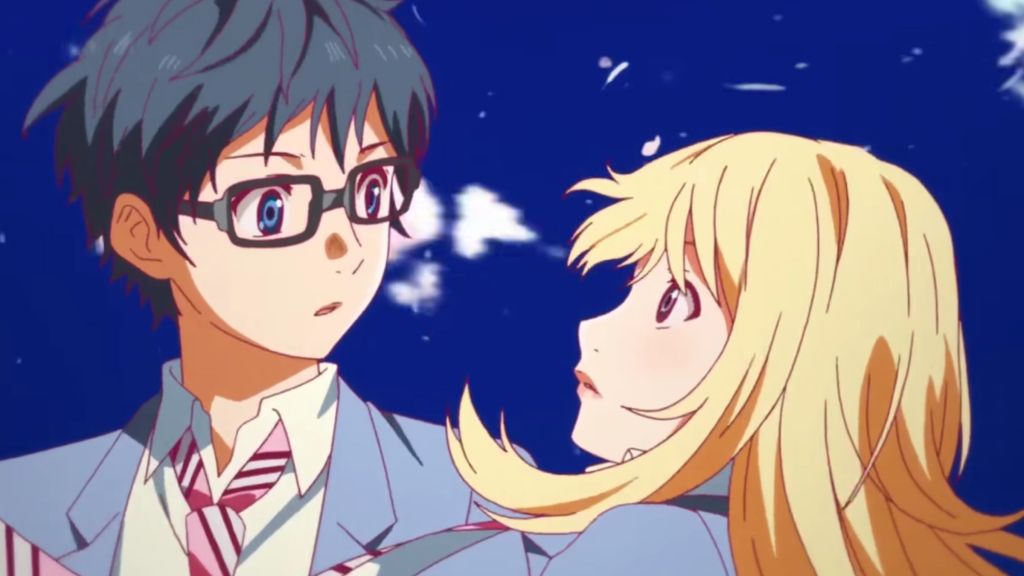
What begins as a heartwarming story of musical rediscovery ends in emotional ruin. Kousei’s life regains color through Kaori’s bright presence, but the lingering shadow of her illness hangs heavy over every note they play. Just as he finds the courage to live again, she’s pulled away, leaving only her final letter as a bittersweet symphony of love and loss.
Your Lie In April’s last moments force you to confront the beauty of connection amid inevitable sorrow. It’s not just the death itself, but the cruel timing and sincerity of their bond that leave you gutted.
9. Violet Evergarden
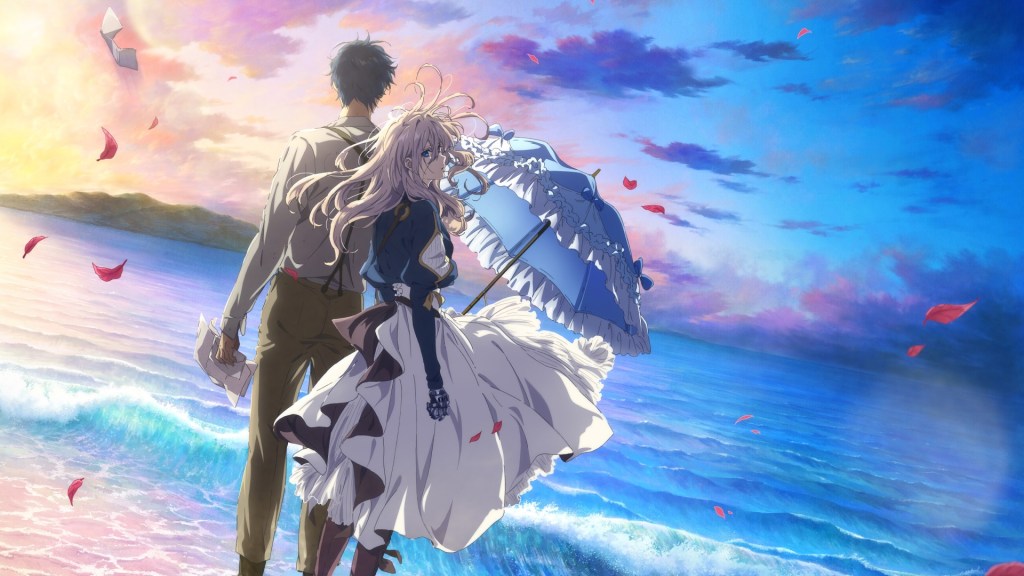
Violet Evergarden’s journey is one of emotional rehabilitation — learning empathy after being raised as a weapon. Each letter she writes brings her closer to understanding humanity, but it’s the lingering memory of Major Gilbert that defines her heartbreak. The uncertainty of his fate becomes both a wound and a driving force.
Violet’s growth feels earned, but it comes with the haunting recognition that love sometimes means learning how to let go. You cry for the fragility of connection in a world rebuilt from ashes.
8. Banana Fish
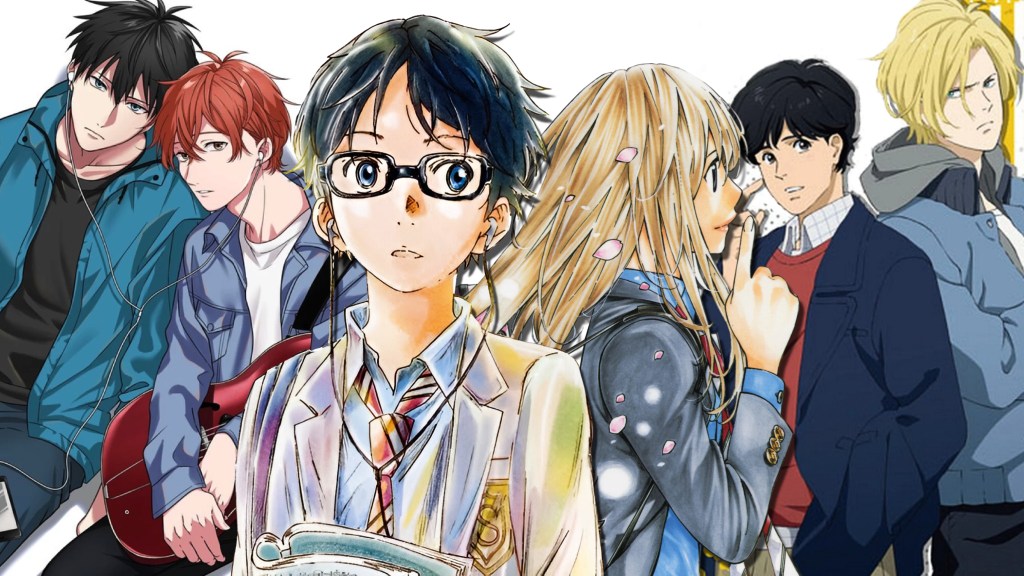
Banana Fish traps its characters in a brutal web of trauma, politics, and lost innocence. Ash Lynx fights for control of his own life, and when he finally tastes the freedom he’s earned, it’s snatched away in an instant.
What makes it linger is its understatement. There’s no dramatic orchestral send-off, just quiet tragedy in a library, where dreams of peace end with blood on the floor. The silence hurts more than any scream could.
7. Tokyo Magnitude 8.0
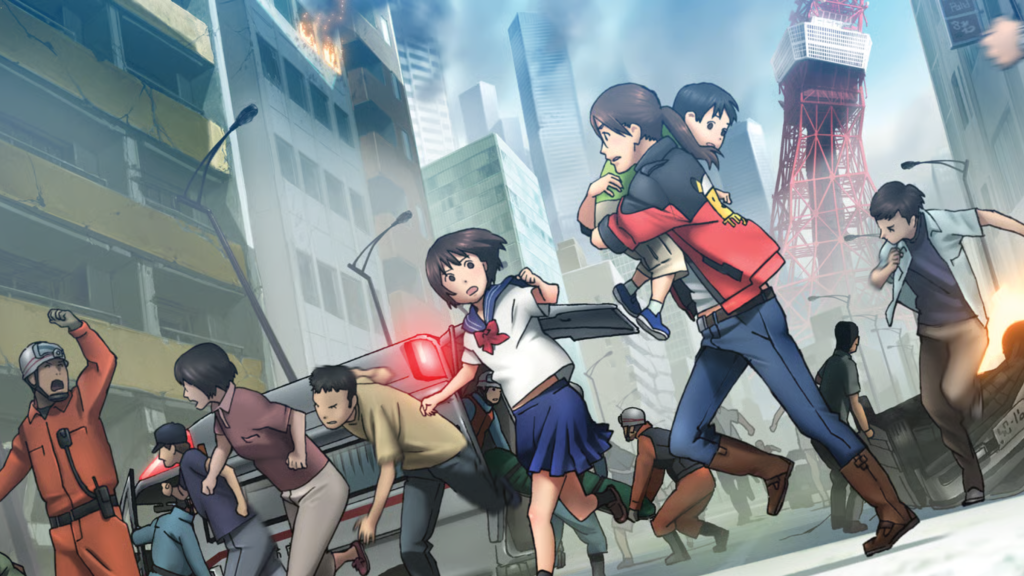
Tokyo Magnitude 8.0 doesn’t rely on fantasy or exaggerated storytelling. Its devastation feels all too real. When a massive earthquake hits Tokyo, siblings Mirai and Yūki struggle to survive amid crumbling infrastructure and broken human spirit. For much of the series, their bond and resilience keep hope alive.
Then comes the reveal. The emotional gut-punch lands as softly as a whisper yet sends everything crashing down. What follows is a quiet meditation on grief and acceptance that hits harder than any disaster scene.
6. Grave of the Fireflies

Studio Ghibli’s most heart-shattering film depicts wartime Japan through the eyes of two children just trying to survive. Seita and Setsuko’s story unfolds with painful slowness as innocence and hunger clash in the ruins of war. Hope drains scene by scene until only tragedy remains.
There’s no villain to blame — only circumstance and neglect. The film’s restraint makes it unbearable, forcing you to watch as love proves powerless against starvation. The final moments are haunting not because of what happens, but because of how inevitable it feels.
5. Five Centimeters per Second
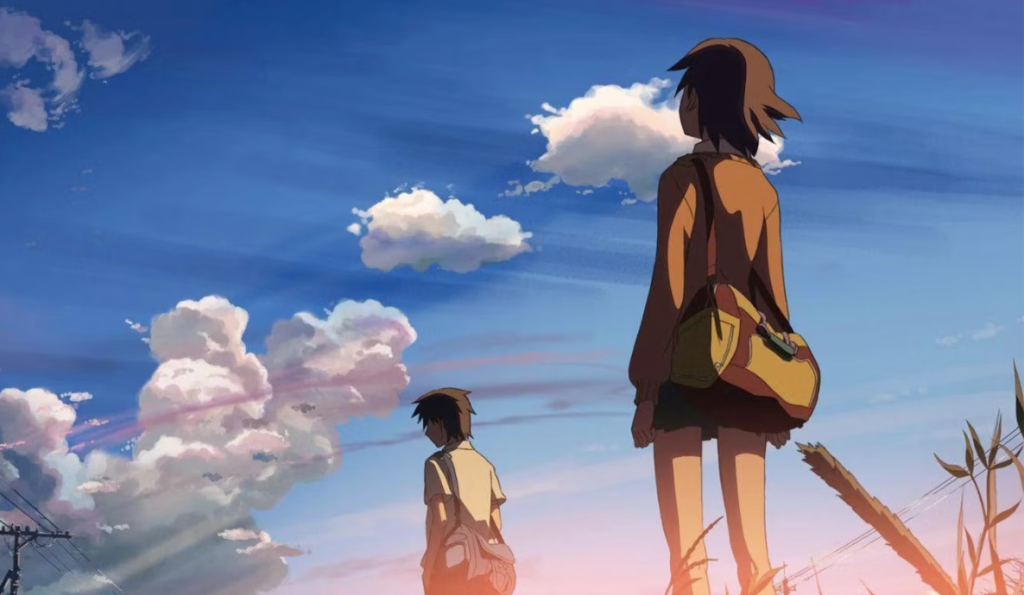
Makoto Shinkai’s meditation on distance builds heartbreak out of realism. Tōno and Akari’s connection fades as life moves forward, their love buried under time’s relentless march. The quiet realism cuts deeper than melodrama ever could.
By the end, the viewer feels the crushing weight of missed chances. It’s not about death or loss in the traditional sense, but about how love can slowly dissolve into memory while you’re still alive. It hurts precisely because it’s so recognizable.
4. A Silent Voice
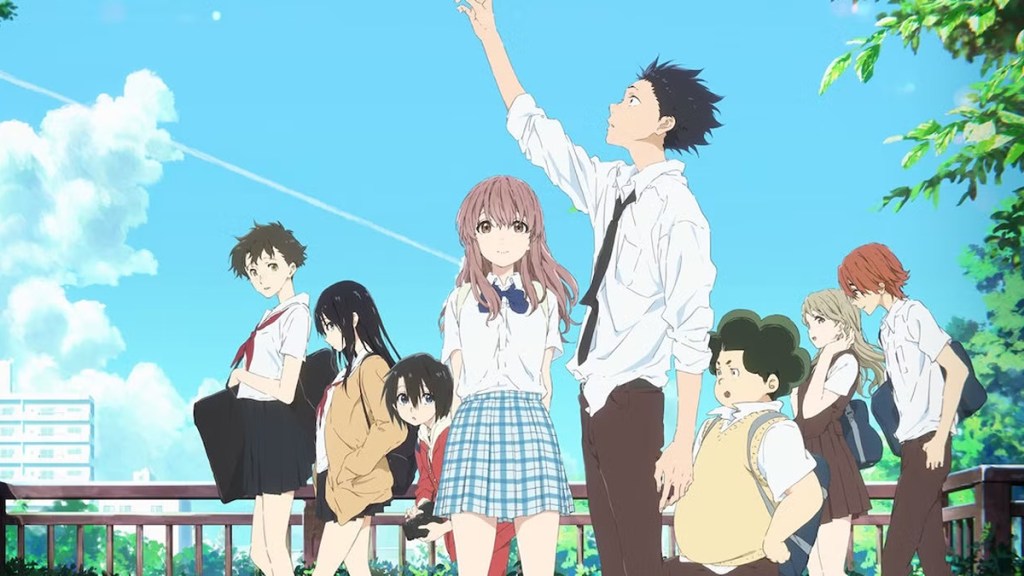
While A Silent Voice centers on redemption, it never promises forgiveness without pain. Shoya’s attempt to atone for bullying his deaf classmate Shoko evolves into a brutal self-confrontation. Every emotional breakthrough feels fragile, as if it could collapse under the weight of guilt.
Its bittersweet conclusion reminds you that healing isn’t linear. The characters grow, but the scars never fade. You leave hopeful, yet emotionally exhausted, aware that kindness doesn’t erase the past. It simply helps you endure it.
3. Clannad: After Story
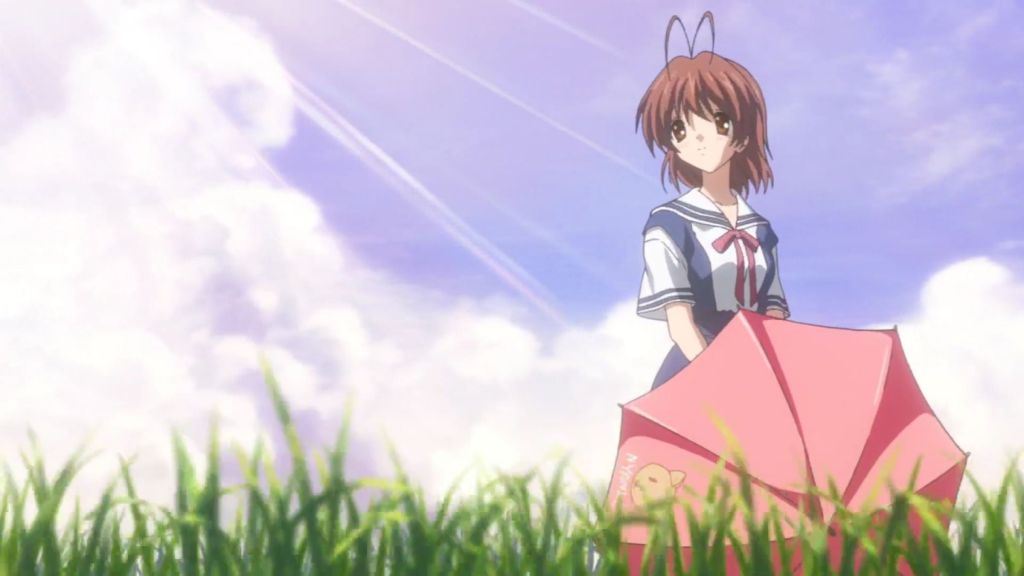
This sequel transforms a simple high school romance into a story about adulthood, family, and devastating loss. Tomoya’s journey from youthful love to crippling despair is one of anime’s most emotionally layered arcs. When tragedy strikes, it feels personal, as though you’ve lived alongside him.
Clannad: After Story‘s emotional crescendo crushes you not through shock, but through relentless empathy. Even the supernatural undertones can’t soften the blow. The pain of losing everything you’ve built and still finding the will to go on — few series capture it this rawly.
2. Made in Abyss

Made in Abyss seduces you with beauty before tearing that beauty apart. The world is breathtaking and cruel, a place where innocence is devoured by discovery. Each layer of the Abyss strips away hope, revealing suffering that feels almost unbearable to witness. By its climax, the cost of adventure becomes horrifyingly clear. You end up devastated, hollowed out, and strangely grateful for the experience.
1. Angel Beats!

At first glance, it seems like a quirky afterlife comedy, but Angel Beats! quietly builds toward one of anime’s most touching and devastating conclusions. Every character hides unspoken pain, and each farewell is a soft knife twist. When the truth behind the world is revealed, joy and sorrow blend until you can’t separate them. The finale breaks you in the purest way possible — through love, memory, and the need to move on.
What do you think? Leave a comment below and join the conversation now in the ComicBook Forum!
Most Viewed
-

Courtesy of Eight-Bit -

Courtesy of Kadokawa / Shosetsuka ni Naro -

Image courtesy of 20th Century Studios -

Photo by Jesse Grant/Variety via Getty Images -

Courtesy of Crunchyroll