Certain anime tropes are so overused that they’ve become creative shortcuts disguised as emotional depth. The audience gets just enough satisfaction to keep watching, while genuine innovation gets smothered under layers of predictability.
Videos by ComicBook.com
What’s worse is how these tropes feed into each other like an echo chamber of unoriginality. The same story beats, character archetypes, and emotional manipulations keep coming back because they’re safe. Audiences crave familiarity, but constant reliance on recycled ideas turns creativity into assembly-line entertainment. The result is an industry afraid to take risks, perfectly content to keep telling the same story while pretending it’s a bold new masterpiece.
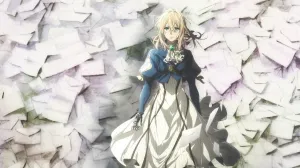
5. The Power of Friendship Fixes Everything
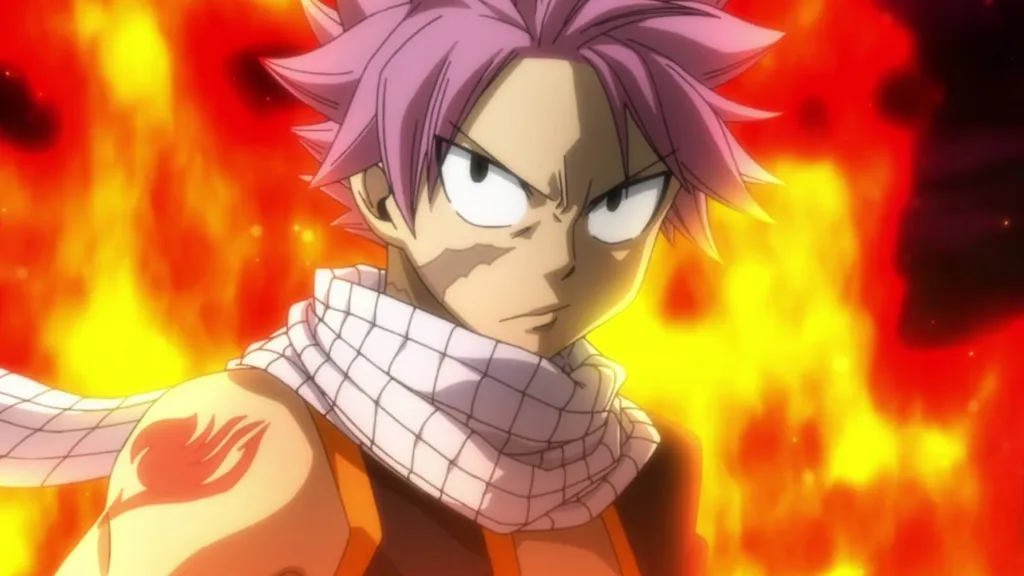
Too often in anime, no matter how dire the fight or impossible the odds, the “power of friendship” magically solves everything. This trope drains tension from otherwise great stories. When characters suddenly gain absurd strength just because they believe in each other, it undermines all the training, strategy, or world-building the show worked hard to establish. Emotional bonds are important, but they shouldn’t replace legitimate growth or consequence.
Series like Fairy Tail and Naruto popularized this pattern to the point that it became predictable. The protagonist can be beaten half to death, outmatched in every way, yet somehow friendship is the ultimate power source. Audiences deserve stakes that feel earned. Perseverance and teamwork are compelling when developed naturally, not when used as a narrative magic button.
4. The Overpowered Protagonist
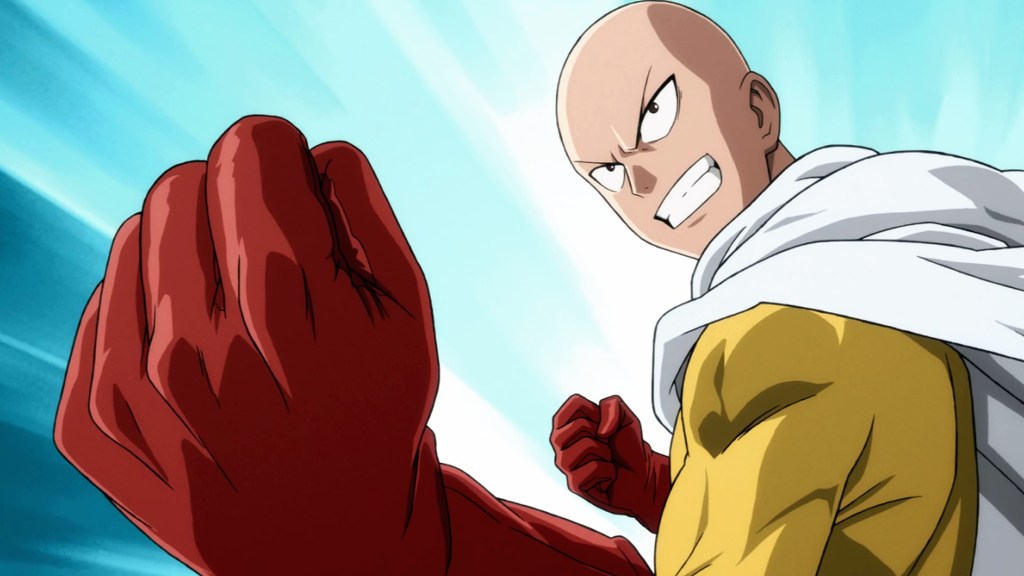
At first glance, the unbeatable hero seems exciting. Yet after a few episodes, the lack of struggle becomes boring. Watching a character like Saitama in One Punch Man works because the show uses his strength for satire. But when most isekai or shonen shows treat an omnipotent lead seriously, the story loses tension fast. There’s no suspense if victory is inevitable.
Many modern anime fall into this trap: Tensei Shitara Slime Datta Ken, Sword Art Online, and countless reincarnation stories feature heroes who can win without effort. The appeal of growth and risk disappears. The best characters earn their moments through failure and doubt, not effortless dominance.
3. The Helpless Female Lead
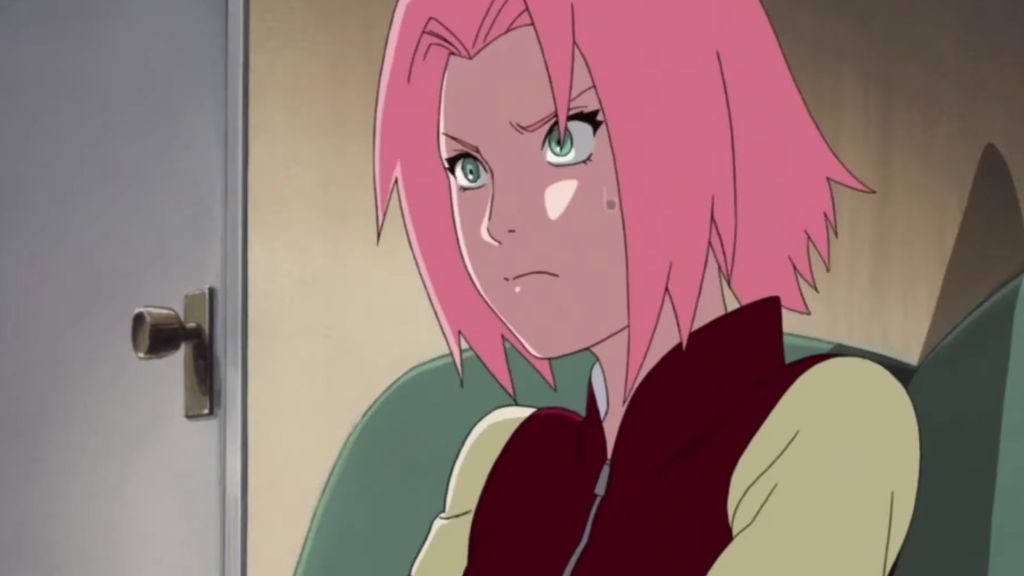
Plenty of anime still write women as helpless cheerleaders or plot trophies instead of real people. The “damsel” or “emotional support” role appears even in series that should know better. Think of Orihime in Bleach or Sakura in early Naruto. Both had interesting potential but were sidelined into repetitive emotional beats.
Fans expect equality of depth, not just a token “strong female character” who talks big but contributes little. Shows that write competent women (Fullmetal Alchemist, Psycho-Pass) prove it’s possible. This trope persists out of lazy writing, not tradition. The audience grows frustrated when female leads exist solely to motivate the male hero.
2. The Endless Flashbacks
Anime flashbacks can add emotional weight, but too many shows abuse them to pad episodes or repeat information. Rather than reinforcing a point, they stop momentum cold. Naruto and Dragon Ball Z are prime offenders, recycling scenes viewers have already seen dozens of times. It kills pacing and weakens dramatic impact.
Flashbacks should clarify, not stall. When every death, transformation, or trauma triggers a three-episode memory dump, it feels manipulative instead of meaningful. Modern production standards demand tighter pacing; viewers no longer have the patience for filler memories that drag out obvious developments.
1. Fake Deaths and Plot Armor
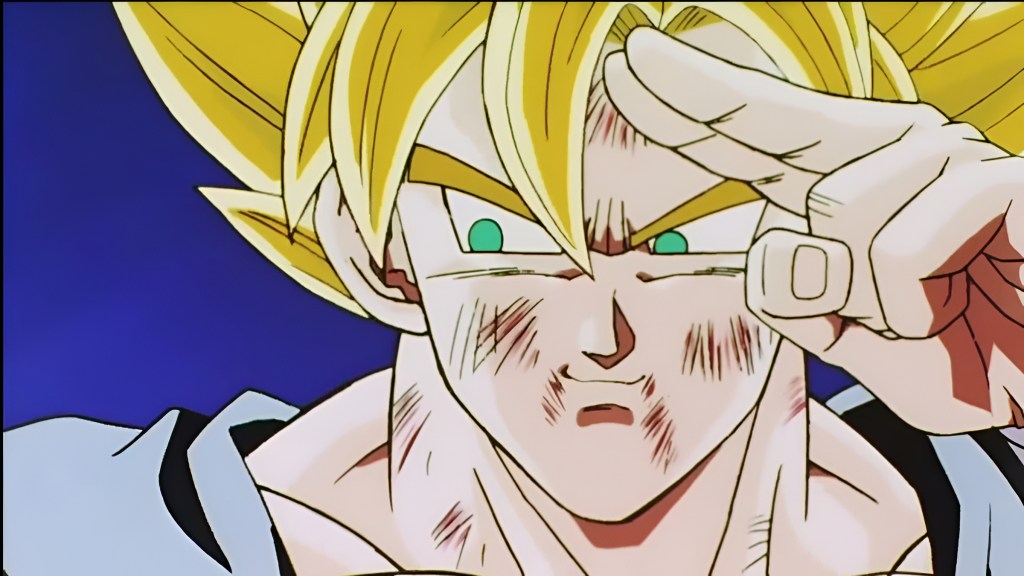
Few things infuriate anime fans more than a “death” that doesn’t stick. Emotional investment evaporates once audiences realize no one actually stays dead. When characters like Goku, L, or countless modern protagonists cheat death without consequence, every sacrifice loses weight.
This trope poisons suspense. If fans expect every corpse to get revived by divine magic or sheer willpower, the story stops mattering. Great anime understand restraint — finality gives meaning to loss. The constant resurrection gimmick feels like an insult to viewers who want closure or genuine emotional stakes.
What do you think? Leave a comment below and join the conversation now in the ComicBook Forum!
Most Viewed
-

Image courtesy of Warner Bros. Pictures -
Image Courtesy of TOHO -

Image Courtesy of Crunchyroll