Some anime endings leave a mark because they refuse to comfort the audience. They close not with resolution but with quiet devastation, forcing viewers to sit with questions that have no easy answers. These finales often strip away hope in the final moments, showing that growth and survival can come at a heavy cost.
Videos by ComicBook.com
Instead of grand sacrifices or predictable redemption, they confront loss, guilt, and the fragility of meaning. Even after the story ends, the atmosphere remains. Viewers may not revisit them often, but they remember the feeling — how suddenly the world of the story became too close to reality.

7. Neon Genesis Evangelion (1995)
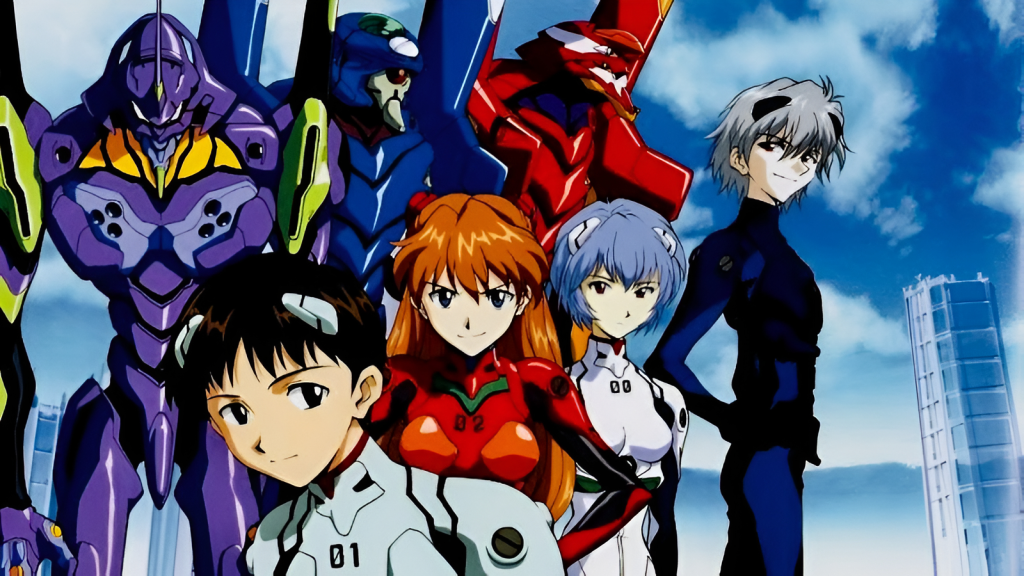
Few conclusions have alienated and fascinated viewers like Neon Genesis Evangelion’s original TV ending. The haunting internal monologues and fragmented visuals left fans stranded in the fragile psyche of its tortured characters. Rather than offering closure, it tore open existential wounds about identity and purpose. What began as a mecha series ended as a psychological collapse where victory and meaning dissolved together.
Years later, The End of Evangelion film delivered a more concrete yet equally devastating finale. Humanity’s desperate attempt at evolution turned into mass annihilation, leaving only loneliness in its purest form. The sight of Shinji on a ruined beach beside Asuka, both broken and barely human, lingers as one of anime’s most nihilistic parting images.
6. Grave of the Fireflies (1988)

Studio Ghibli’s wartime masterpiece is it’s emotionally pulverizing. The sight of Seita and Setsuko fighting starvation and despair under fire-bombed skies captures the brutal human cost of war more effectively than history books. Every scene feels genuine, drawn from the scars of postwar Japan.
The ending refuses comfort or redemption. Setsuko’s tragic death and Seita’s quiet demise moments later leave the viewer hollow. The spirits of the children watching the city lights from the afterlife form a haunting image that cuts deeper with each rewatch. It’s the slow suffocation of hope.
5. Devilman Crybaby (2018)

What starts as a wild, psychedelic reimagining of Go Nagai’s manga spirals into an apocalypse of despair. Akira and Ryo’s friendship collapses under the weight of emotion and ideology, poisoning both heaven and earth. The chaos feels catastrophic not because it’s bloody, but because it’s personal.
By the finale of Devilman Crybaby, humanity ceases to exist, and Akira’s corpse lies beside a tearful Satan who finally understands love too late. The overwhelming sense of futility makes it one of modern anime’s bleakest endings. It’s the kind of heartbreak you can’t look away from.
4. Perfect Blue (1997)
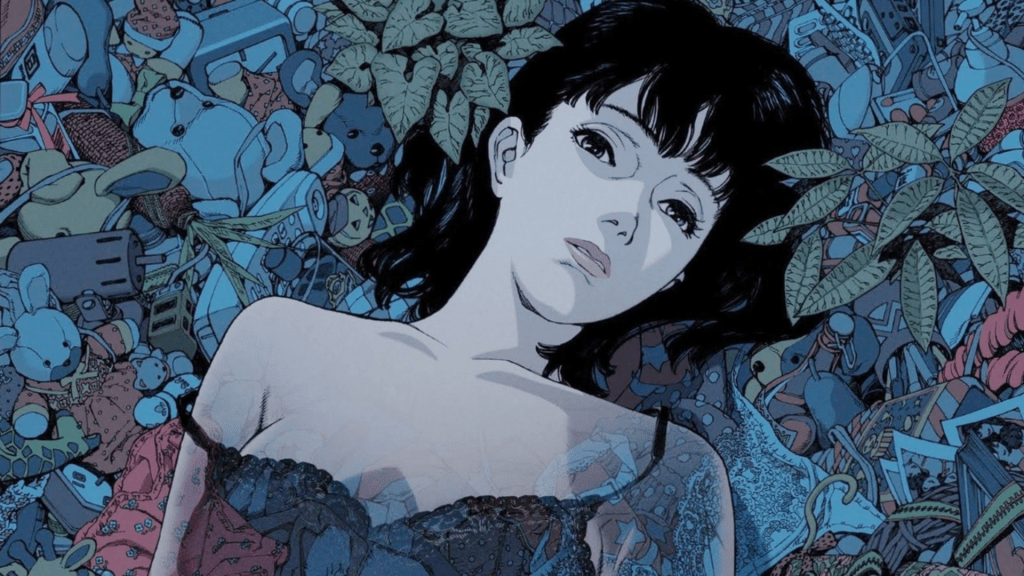
Satoshi Kon’s psychological thriller strips the glitz off idol culture until only anxiety and identity crisis remain. As Mima’s grip on reality unravels, viewers are forced into her fractured mind, unsure what’s real or imagined. The result is claustrophobic, a nightmare that feeds on fame’s dark side.
Mima’s final smile feels like survival rather than victory. Fame consumes her again and again, even in the moments she tries to reclaim herself. Perfect Blue leaves behind an aftertaste of dread that clings long after the credits roll.
3. Made in Abyss: Dawn of the Deep Soul (2020)
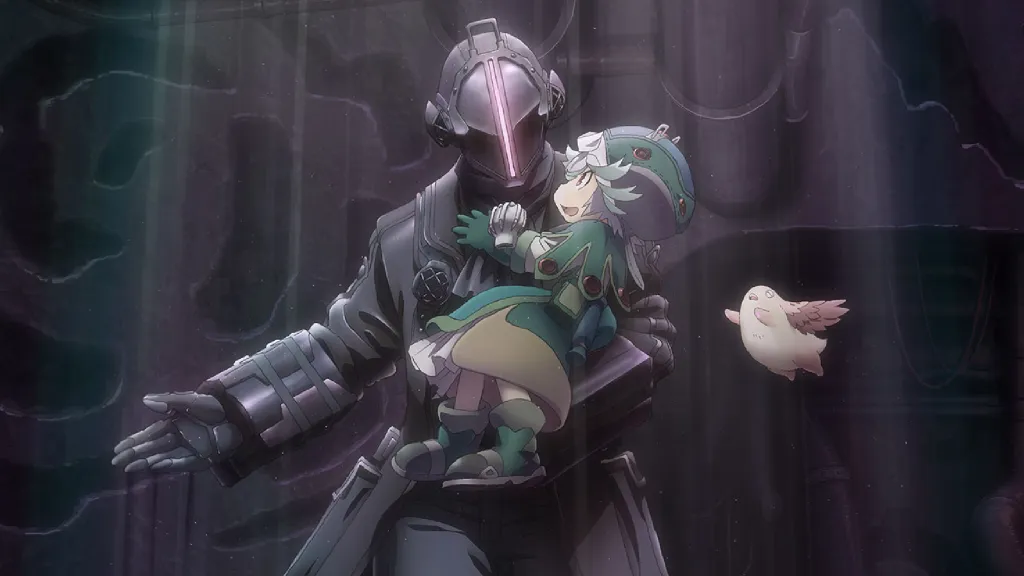
Behind its deceptively cute art lies some of the cruelest storytelling in modern anime. Every descent into the Abyss strips away innocence. The film’s ending pushes those themes further, forcing its young heroes to confront the grotesque price of survival.
Nanachi’s tragedy, combined with Prushka’s unimaginable fate, transforms love into something monstrous and beautiful. The ending’s mix of horror and tenderness captures what Made in Abyss truly is — an expedition through human cruelty disguised as adventure.
2. Berserk (1997)
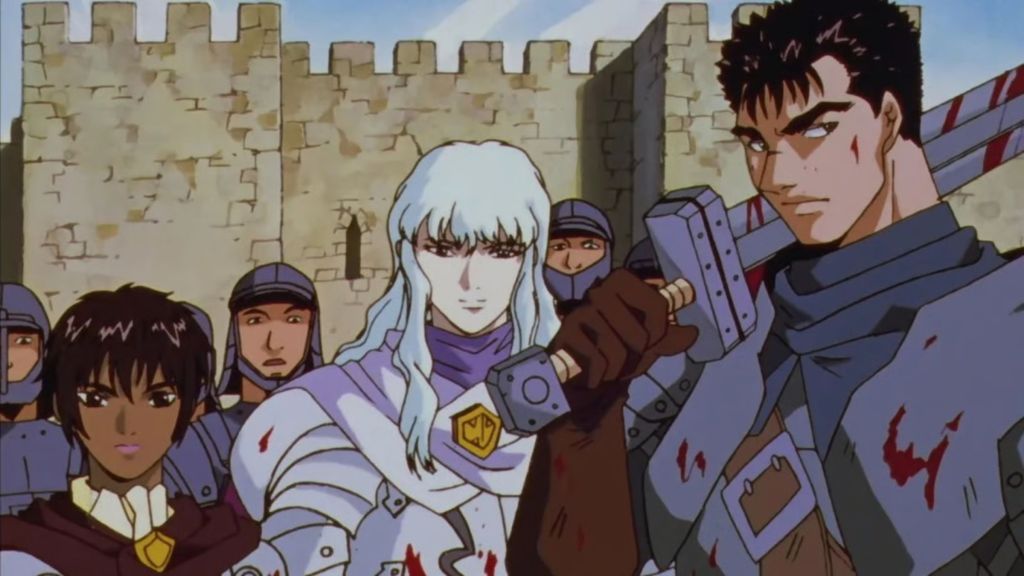
The Berserk anime’s Golden Age arc ends not in triumph but total annihilation. Guts and his comrades, once symbols of loyalty and ambition, are destroyed in a single night of cosmic betrayal. The Eclipse remains one of the most nightmarish sequences ever animated.
Griffith’s ascension and Guts’ torment define the brutality of Kentaro Miura’s storytelling. No redemption, no justice — only trauma carved into flesh. The anime cuts abruptly after the massacre, leaving viewers staring into the abyss, mirroring Guts’ endless rage. Few endings have ever felt so viscerally final.
1. Akira (1988)
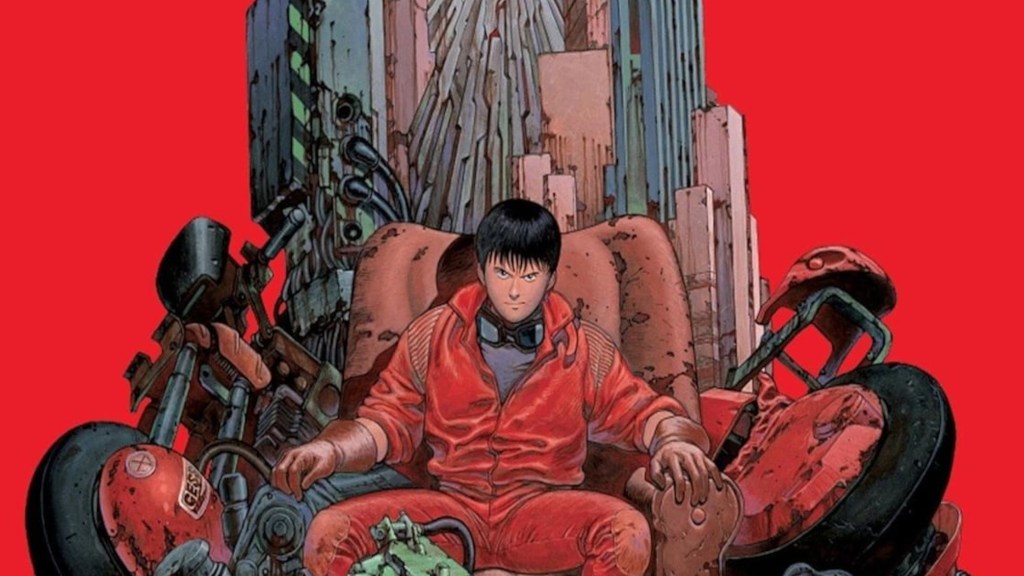
Katsuhiro Otomo’s Akira closes in a burst of psychic energy that swallows both the city and its characters. Tetsuo’s transformation into a godlike monstrosity embodies power without restraint or understanding. Neo-Tokyo’s collapse unfolds as both spectacle and prophecy, predicting mankind’s obsession with its own destruction.
The aftermath offers no moral lesson, only aftermath and awe. Kaneda’s desperate sprint through chaos and Tetsuo’s ascension into an unknown existence turn the finale into a cosmic requiem. Decades later, Akira’s ending still haunts because it suggests humanity’s greatest terror may be evolution itself.
What do you think? Leave a comment below and join the conversation now in the ComicBook Forum!
More Anime
-

Courtesy of GeyeG Pictures / Crunchyroll -

Image Courtesy of Studio Pierrot -

Image Courtesy of Studio Trigger / Netflix -

Image Courtesy of Studio Deen