Sci-fi anime messes with your head in the best way possible. These shows love to hide their intent behind techno-babble and surreal imagery, making you work for the meaning. And that’s the thrill of it. When you rewatch them, everything clicks differently.
Videos by ComicBook.com
You notice how carefully each scene was built, how a throwaway line early on was actually the key to the whole thing. It’s like realizing the story was smarter — and meaner — than you first thought. You start to hear what the story was whispering all along: that progress, like meaning, is never final — it’s something we’re always decoding.

7. Psycho-Pass
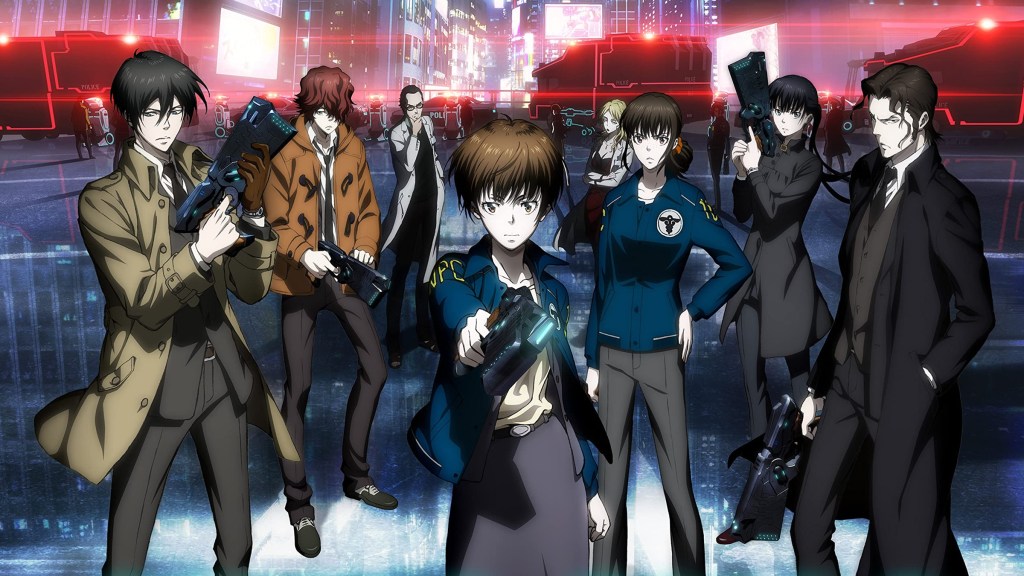
Each revisit to Psycho-Pass sharpens your understanding of its philosophical core. The Sibyl System, initially framed as a dystopian surveillance tool, becomes a mirror reflecting humanity’s preference for order over freedom. On the second or third watch, the quiet manipulations of Sibyl and the moral compromises of its enforcers hit even harder.
Character arcs that first seemed straightforward — like Kogami’s pursuit of justice — unravel as complex meditations on what “justice” means under an authoritarian system. The show’s crisp cyberpunk aesthetic is a chilling extension of societal decay that becomes more pronounced once you know who benefits from the system’s control.
6. Parasyte: The Maxim

The body horror and human drama in Parasyte blend so seamlessly that it’s easy to miss the layers hiding under the gore on first viewing. A rewatch turns every philosophical question about humanity and survival into something deeper, especially once you understand Migi’s evolving logic and emotional growth.
Each transformation — literal or psychological — feels more deliberate the second time. Shinichi’s gradual detachment from humanity reads as both a tragedy and inevitability, depending on how closely you notice his choices. The moral grayness, initially disturbing, transforms into one of the most nuanced portrayals of human adaptability in anime.
5. Ghost in the Shell: Stand Alone Complex
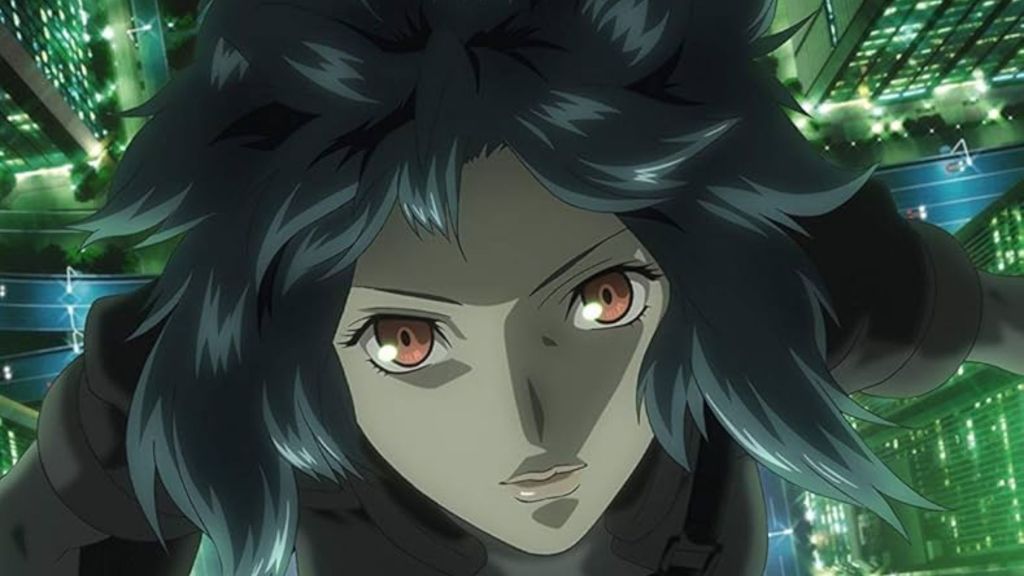
Few sci-fi anime reward patience like Stand Alone Complex. Every intricate case connects to a vast social web, but you only start realizing its brilliance when you rewatch with full context. Its depictions of identity, consciousness, and technology’s ethical boundaries become more relevant every year.
Major Motoko Kusanagi’s introspection gains new dimensions once you’ve seen her arc play out. The series uses procedural storytelling as camouflage for existential dissection, pulling viewers into debates about the nature of the self in a world eroding the line between human and machine.
4. Ergo Proxy

Ergo Proxy thrives on ambiguity. Once you revisit it, the cryptic dialogue and sudden tonal shifts snap into focus as deliberate reflections of identity crisis and systemic control. The fragmented narrative and noir tone can feel alienating at first, but with familiarity, every stylistic choice feels purposeful.
Vincent Law’s journey becomes far more tragic when you catch the symbolic cues you missed before — religious imagery, psychological loops, and the duality of human consciousness. It’s a series that grows in philosophical weight once you understand that confusion isn’t a flaw; it’s part of the design.
3. Steins; Gate
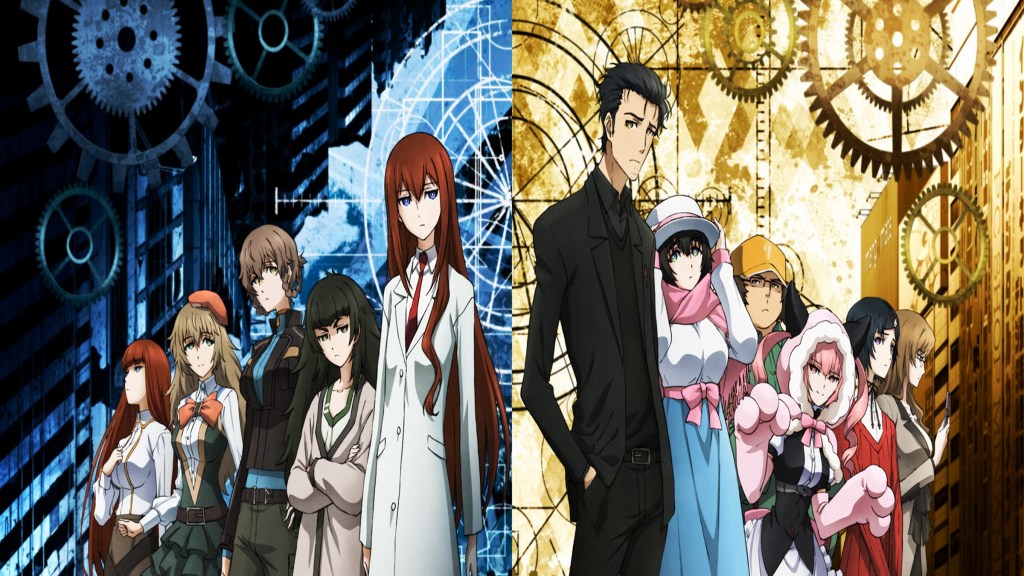
The brilliance of Steins;Gate unfolds fully only after you know its conclusion. What initially plays as chaotic banter transforms into a meticulous setup for heartbreak and hope. Every line of dialogue, every tiny gadget scene, holds emotional weight you couldn’t grasp before you knew the stakes.
The time-travel logic, often confusing on first watch, becomes a masterclass in foreshadowing on rewatch. Okabe’s tragedy feels more visceral when you’ve seen the consequences of every minor decision. Few anime capture the emotional cost of intelligence and obsession as sharply as this one.
2. Neon Genesis Evangelion

No anime changes meaning more with age than Neon Genesis Evangelion. On the first watch, it’s an apocalyptic mecha series filled with cryptic imagery. On subsequent viewings, it becomes an emotional autopsy of depression, ego, and the human need for validation.
Characters once read as melodramatic now feel painfully real. Shinji’s paralysis and Asuka’s unraveling echo the fragility of identity itself. You begin to see the world of Eva not as a biblical puzzle but as a psychological landscape reflecting human despair. Each rewatch uncovers another layer of emotional truth buried in the chaos.
1. Serial Experiments Lain

Every rewatch of Lain feels like decoding an encrypted dream. Its early episodes tease cyberpunk mystery, but with context, they reveal a prophetic vision of identity dissolution in the digital age. The way it predicted social media, online personas, and data consciousness feels unsettlingly accurate now.
Lain’s transformation grows even more haunting when you view it through the lens of technological alienation. What seemed confusing — reality, simulation, or delusion — emerges as a layered commentary on what individuality means when the self exists across networks. It’s the quintessential rewatchable sci-fi anime, not because it simplifies with time, but because understanding it feels like catching up to the future.
What do you think? Leave a comment below and join the conversation now in the ComicBook Forum!
Most Viewed
-

Image Courtesy of Madhouse -

Lucasfilm – 20th Century Studios