Fantastic Four #91 was a fun book for fans of the comic, and it is one that many collectors have sought to own for various reasons. While Stan Lee brought the wonder and adventure to the First Family of Marvel Comics, it was Jack Kirby who brought the sci-fi storylines and the sense of exploration that exists in their greatest stories. That is what defined this issue, as well as the next two, as this was the beginning of a three-part tale. What was best about this first issue is that it played out as what appeared on the cover to be a time travel story, but it turned out to be another of Jack Kirby’s cosmic Marvel tales, as the villains were none other than the Skrulls.
Videos by ComicBook.com
The cover of Fantastic Four remains iconic, as it showed the Thing captured and at the mercy of what looked like Prohibition-era gangsters. Once the story starts, that is what it shows too, with the intro telling readers not to mistake this for “a scene from The Untouchables.” Stan Lee reveals the spoiler on the first page as well, writing that this isn’t a time travel story and is instead an adventure on another planet. A woman asks if Ben Grimm is “the slave” they are buying for the “coming games.” The paper shows Ben is a “Skrull Slave,” and that kicks off this adventure.
Fantastic Four #91 Is a Skrull Story Posing as a Gangster Adventure
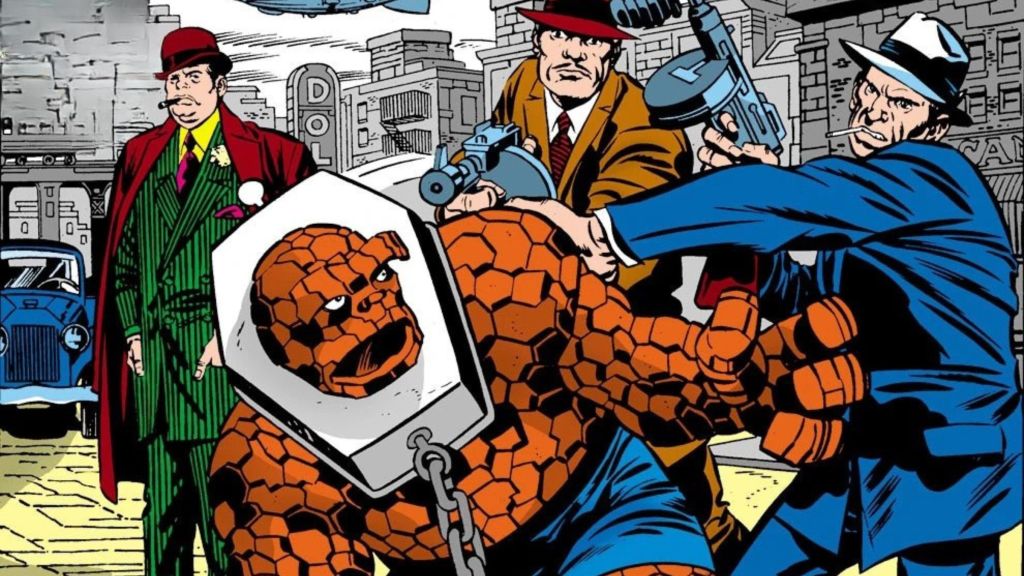
What is interesting is that the comic makes it look like this planet is full of gangsters similar to those from Earth during the Prohibition era. There are gangsters, femme fatales, and even a private investigator. It’s clear that Stan Lee was having a ball writing old film noir dialogue into his story, while throwing in the Fantastic Four as the big selling point. The story also featured some of Jack Kirby’s incredible art, which really began to shine when it showed the Skrulls in space, after they had captured the Thing and planned to sell him to the highest bidder.
On top of the Jack Kirby space visuals and the Stan Lee homage to gangster movies, there was also a debut in this issue. This was the first appearance of the alien warrior known as Torgo. When the Skrull who kidnapped Ben gets to the planet called Kral, on the outskirts of the Skrull Galaxy, he is sold, along with several other captives, to the gangsters on this planet. That is when the story explains that an Earth gangster named Machine-Gun Martin was brought from Earth, and he was so iconic that the entire society based its appearance and actions on him.
This led to sci-fi battles, as the aliens here only acted like gangsters, while they still had force fields, laser guns, and flying machines. When the Thing learns he has to fight Torgo, and Torgo was trained to kill him, this is when things pick up. The issue then ends with Reed Richards learning the Skrulls kidnapped Ben, and they prepare to find him and bring him home.
The book is a great story, but the main selling point here is that this is late-era Jack Kirby at his best. Kirby would leave the title after issue #102, ending a long and successful run on the Fantastic Four. Other than a trip back to the moon, this was also the last storyline with Kirby taking the FF into the far reaches of space before this departure. Of course, Kirby left Marvel completely, and he would create giant tales of the cosmos at DC Comics, but this was the last spot to see him doing it with the team where he originated the idea.
Fantastic Four #91 Is a Great Pickup for Any Marvel Collection
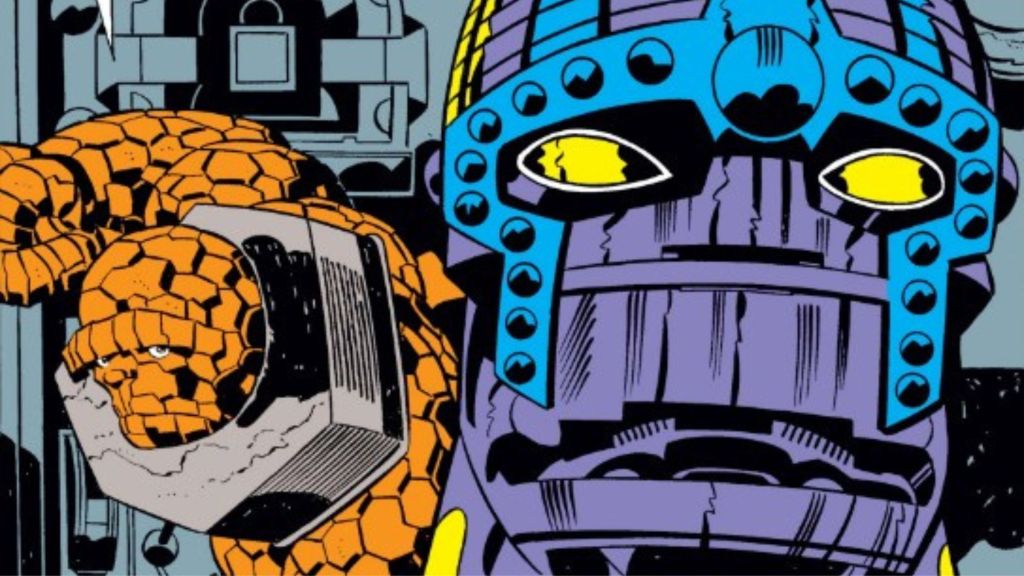
Fantastic Four #91 offers a lot for fans of the team, and especially for Jack Kirby fans. This is yet another Skrulls issue, and while the Skrulls seemed like the aliens setting up the action, all the gangsters on this planet were also Skrulls. This wouldn’t be revealed until the next two issues, but it was a great start to a fun story. With Stan Lee’s entertaining writing and Kirby’s masterful sci-fi alien atmosphere, this was the exact comic that defines what the Fantastic Four are supposed to look like.
This was also the first time that Marvel showed that the Skrulls had co-opted Earth culture for their own ends. Here, it was the gangster era. In Fantastic Four #174 (1976), there was a planet that they made appear like the European Medieval period. In Black Panther #32-34 (2007-2008), a Skrull planet took on the culture of the Civil Rights Movement. Wisdom #1-6 (2006-2007) showed a Skrull planet that embraced the 1960s British pop music explosion. Those ideas all started here with the Skrulls copying the Prohibition era. With the introduction of a new character in Torgo, the revelation that Skrulls loved to mimic Earth culture, and a brilliant story by Stan Lee and Jack Kirby, this issue remains a highly praised collector’s issue for fans.
What do you think? Leave a comment below and join the conversation now in the ComicBook Forum!
More Collectibles
-
Courtesy of Toei Animation / LEGO Group -

Pokemon Happy Meal