Origins are an essential part of superhero stories. Given that comic book heroes are designed to star in never-ending stories, they need strong, defined starting points from which all future stories can draw inspiration. Status quo is king, after all, so origins need to serve as a thesis statement for how these characters develop into who they are. Importantly, they also need to be adaptable. Given that heroes tend not to age, they typically exist on a sliding timescale, meaning that their earliest years are repeatedly moved up in time to be closer to the present day. Every few years, origin stories tend to be reimagined and updated. All except for “Year One.”
Videos by ComicBook.com
Batman’s “Year One” is often cited as not just his definitive origin, but one of his greatest stories put to page. It modernized Bruce Wayne’s journey from trained warrior to Batman, even adding Jim Gordon’s arrival and rise in Gotham. It was a foundational tale about their partnership, and it’s been treated as his definitive origin ever since, even superseeding the New 52’s “Zero Year.” However, it was only meant to serve as his post-Crisis reintroduction, not as his singular starting point. Every other popular hero has had their origin retold at least once by this point, so today, we’re examining exactly what made “Year One” work so well, and why it still might be time for a new version.
Time for a New Take on a Classic Standard
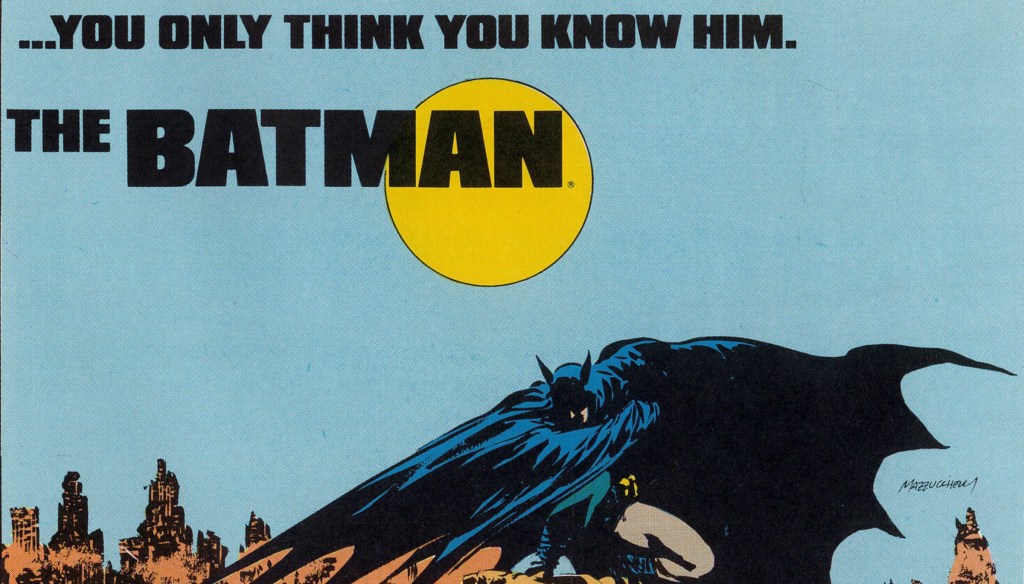
Before diving into why we need a new story to supersede “Year One,” let’s talk about why it’s stuck around for so long. For starters, it provided the foundation for the modern interpretation of Batman while simultaneously being vague enough in characterization to make practically any interpretation of the character work. Batman is presented as a brooding but inherently kind man, who strives to help as much as he does to inflict vengeance. It leans into every part of Batman’s character like balancing on a tightrope. Beyond that, it’s incredibly well-written, knowing exactly what to focus on to build the mythos, reimagining past scenes with a gravitas and seriousness that helped cement Batman as someone important.
I could rave about “Year One” all day, but suffice to say, it’s a perfect starting ground for Batman because it’s a short, contained story that tells you everything you need to know about how he operated in his early years and how his partnership with Gordon started. Any fan could read it in an afternoon and dive into any other modern Batman comic with at least a decent understanding of who Batman is. It’s timeless yet feels distinctly grounded in its own time, which both helps sell it but also is exactly the reason that this comic needs to be reworked for the current timeline. It is, after all, a snapshot of Batman’s fights against the gangsters and mobsters who ruled Gotham’s underground. Just take a look at this trailer for the animated adaptation.
The point being, “Year One” has aged as well as any story could hope to, but it’s simply time for new origins to explain how Batman fits into the modern DC mythos, which has significantly changed since the immediate aftermath of Crisis on Infinite Earths. DC has fully embraced its fantastic and strange roots that it tried so hard to shy away from when “Year One” released. The story it provides no longer completely reflects the DC around Batman. The question of continuity and history is constantly changing, but DC is making a substantial effort to tie its heroes to a timeline. It’s no mistake that Superman’s history as Superboy is being expanded on at the same time Wonder Woman received a rework of her own origin, both of which bring in modern sensibilities and smooth their ages.
The Changing World Requires a Changing Batman
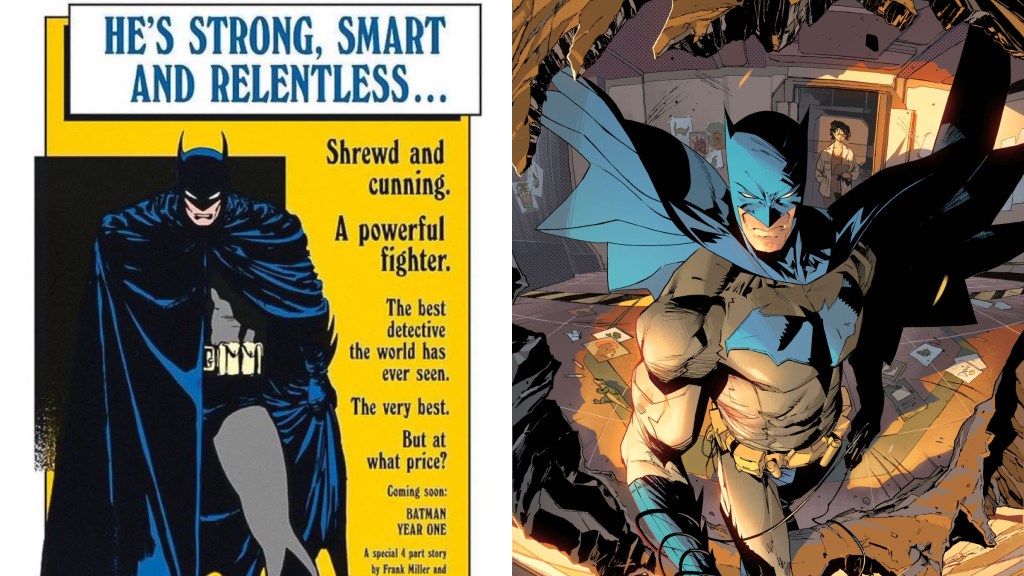
Continuity has always been a messy thing in comic books, but with DC’s decision to embrace its entire history and characters’ overlapping lives following Dark Nights: Death Metal, it’s become more essential than ever to specify what’s canon and not. Batman has usually shirked this problem, with the New 52 citing that the vast majority of his famous stories took place on a hyper-condensed time scale, but with things more convoluted than ever and it having been decades since a lasting update to his first outing as Batman, there are more than enough reasons to warrant a new take on this classic tale.
A modern version of Batman’s origin would definitely draw heavily on “Year One,” but it would also likely steer away from the militaristic outlook that Bruce had. Given that Batman is essential in the second wave of superheroes rising in DC, it’s likely that major villains and other heroes wouldn’t have a presence. Still, why it would almost certainly focus on the corruption in Gotham City, with the Justice Society of America and Superboy returned to continuity, it would probably also involve the rise of the costumed supervillain as much as the old mafia that had a death grip on Gotham.
Most likely, we’d see a three-way battle between the corrupt powers-that-be like Falcone, an ambitious up-and-coming gangster-type villain like Penguin or the Ventriloquist, and the forming duo of Batman and Gordon. Importantly, a new origin for the Dark Knight would need to embrace the less grounded aspects of his character, presenting Batman as something more than a detective who wears a funny hat. It has to feel distinctly superheroic, which is one of the things that, while present in “Year One,” always felt somewhat on the back burner. We need to see Batman as a superhero in his origin, instead of just blossoming into one or being a good man with great skills.
At the end of the day, Batman’s origin is still one of DC’s greatest, and while it’s about time to relay the groundwork, “Year One” will always be a classic Batman tale. What change would you make to Batman’s origin, if you could make just one? Let us know in the comments below!
More Comics
-
Image Courtesy of DC Comics -

Image Courtesy of Marvel Comics -
Image Courtesy of Marvel Comics -
Image Courtesy of DC Comics -
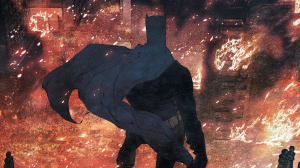
Image Courtesy of DC Comics