
When someone mentions the name Supergirl, the person who springs to everyone’s mind is Kara Zor-El. AS one of the few surviving Kryptonians and Superman’s cousin, Kara has proven time and again that she’s one of the greatest heroes in all of DC, even though she rarely gets the credit or spotlight she deserves. As with any iconic role, plenty of other characters have taken up the Supergirl mantle when Kara was unavailable. The most famous of these are Matrix and Linda Danvers, both filling the role before Kara made her post-Crisis debut, and the most recent example is Thundergirl, who actually is filling in as the Maid of Might in the ongoing Supergirl (2025) series.
Videos by ComicBook.com
However, as iconic as Kara is, she actually wasn’t the first heroine to rock the S-shield. She might be the original Supergirl, but months before she literally rocketed into Superman’s world, a very different gal called herself Super-Girl, complete with Kara’s looks, powers, and costume, to boot. Of course, she only appeared for one issue, and it’s clear that this version served as a testing ground for the conceit of the character, but therein lies a lost art of comic book character introductions. Super-Girl is one of the most pivotal characters in DC, and she’s the embodiment of this forgotten style of superheroic introductions.
The Original Girl of Steel
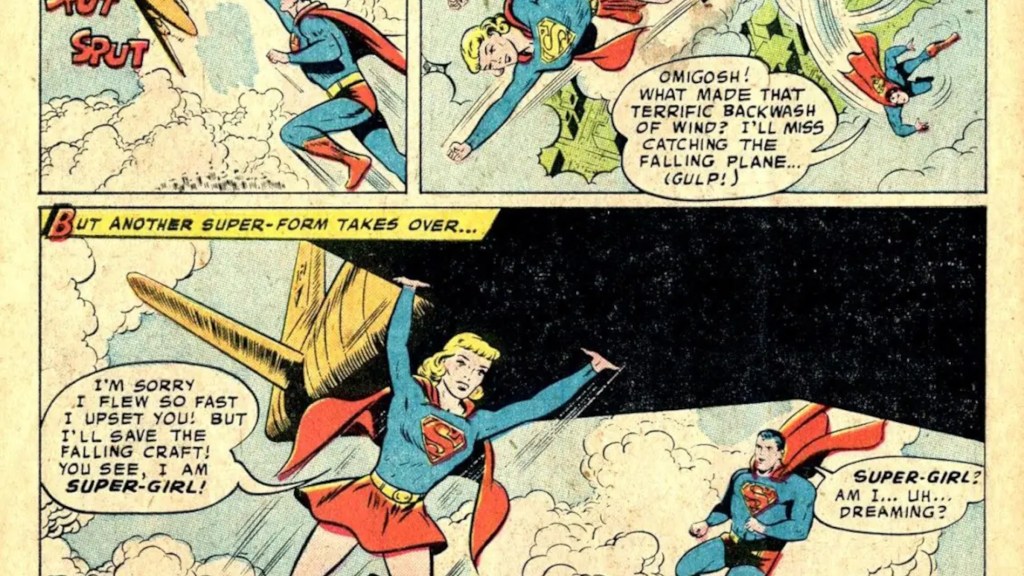
This version of Super-Girl made her singular appearance in Superman (1939) #123. Jimmy Olsen, as he is wont to do, came into possession of a wish-granting staff, and his first thought was to create a female companion who could fight alongside Superman to keep him safe and give him companionship. Super-Girl fit the bill perfectly, proving she had all of Superman’s many marvelous powers. However, she lacked the experience he did, so she wound up getting in his way more often than she did help him. She even nearly revealed his identity to Lois after X-raying through his outer outfit. In the end, however, she wound up saving the Man of Steel, sacrificing herself to save Superman from a Kryptonite attack. As she succumbed to Kryptonite poisoning, she asked that Jimmy undo his wish, making her cease to exist.
It’s a morbid end to this introduction, but it did what it had to do, as it posed the question of whether fans would want a Supergirl in the first place. By creating a character made to expire by the end of the issue, the creators were able to gauge fans’ reactions to Super-Girl as a concept. If they hated her, they could sweep this under the rug as a one-off adventure. But since they loved Super-Girl, they were incentivized to create the proper version just nine months later. Obviously, introducing a character like Kara wasn’t something they could walk back from, and the heads at DC were likely very nervous about the whole thing, so using Super-Girl as a test was a perfect middle ground. On top of that, she serves as the perfect example of how characters used to be introduced.
The Old Versus New Ways to Introduce Heroes
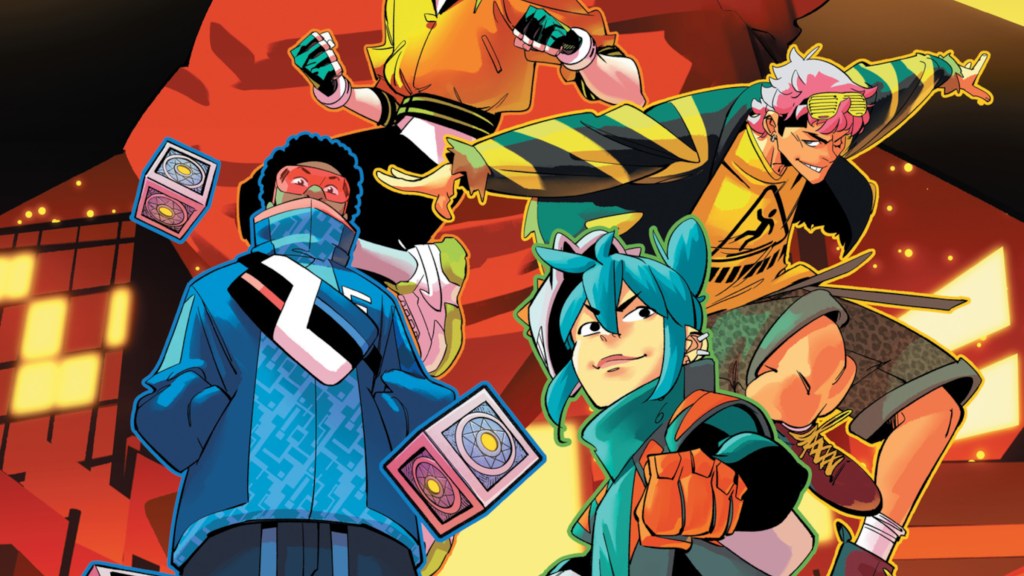
Super-Girl’s origin is definitely strange, but back in the day, the idea of introducing a superhero in the main issue of another character’s ongoing was the premier way of debuting. Often, these heroes would join in on a story and then race off to their own back issues or side adventures in an anthology book, before eventually claiming their own place in an ongoing, if they proved popular enough. Supergirl would take that path, but she more often served as a main and side character in Superman’s adventures as well, with other characters like the Elongated Man also fitting this role.
Nowadays, however, breakout heroes don’t tend to be introduced in this same way. Instead, more often than not, they debut in team books. Don’t get me wrong, plenty of new heroes grace heroes’ main book pages every month, but they aren’t typically designed as breakout stars. Jade Tiger swung onto the pages of Batgirl (2025) and Marilyn Moonlight in Superman (2023), but these characters more serve as supporting cast members rather than heroes designed to lead their own adventures. Meanwhile, team books like Teen Titans (2026) and New Titans (2026) introduce entire casts of new characters, from the bionic Eva to the bad-luck-inducing Wildcard.
It makes sense to throw a new hero designed to break away onto a team, as it gives them a reason to stay in the public eye for a longer time as they battle alongside established heroes instead of relying on one or two issues for them to build an audience. New characters still do show up in solo books, but it’s much rarer, as it takes a much bigger chance that the character will make a scant few appearances before being relegated to event-only limbo, or even worse, back-up feature-only jail. Still, DC testing the waters with more heroes debuting in solo adventures could be something to explore once again, as it keeps the focus squarely on one or two heroes instead of an entire team, which can easily be spread too thin.
What’s your preferred method of introducing new characters? Let us know in the comments below!
More Comics
-
Image Courtesy of Marvel Comics -
Image Courtesy of DC Comics -

Image Courtesy of DC Comics -
Image Courtesy of Vertigo/DC Comics -
Image Courtesy of Marvel Comics -
Image Courtesy of Marvel Comics -
Image Courtesy of Marvel Comics -
Image Courtesy of Marvel Comics
