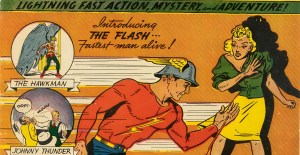
The relationship between toys and comics is, and has always been, a mutually beneficial one. Think of legendary comic writer Larry Hama’s stint on G.I. Joe in the 1980s or Ralph Macchio’s issues for The Transformers. Pairing up toys and comics gives the opportunity to create a broader fictional universe around a pre-existing concept. This either amplifies the love kids already have for a toy, or it gives a toy that isn’t working another chance. It allows the comic to exist beyond pages, giving kids the opportunity to use their own imaginations on what may happen in the fictional worlds created by these writers.
Videos by ComicBook.com
Toys and comics were further intermingled in the 1980s — a great decade for both toys and comics — when several franchises included mini-comics with the release of individual toy figures. Now seen as valuable collectibles, these mini-comics were just bonuses with the toy when they first arrived. Some lines were more successful than others, launching line after line of mini-comics while others stopped after only three issues. See if you can remember any of these beloved toy-comic mashups below!
5. Dino-Riders
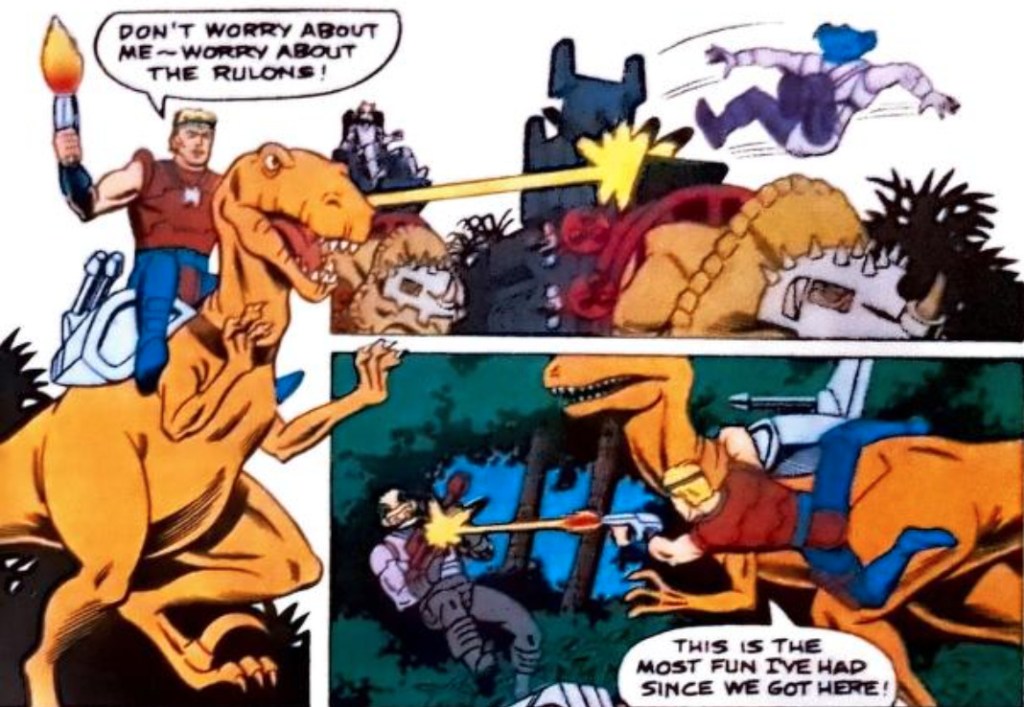
Although toy giant Mattel acquired it in 1996, Tyco carved out its own niche in the toy market for a time. Tyco was founded in the 1950s as a producer of toy train kits before moving on to pre-built trains, slot cars, and remote control vehicles. In December of 1987, Tyco launched a toy line known as Dino-Riders. With each dinosaur figure released, kids got a mini-comic. Since it was a new toy, Tyco figured a comic would help market the action figures. According to the comic, Dino-Riders was about the battle between the superhuman Valorians and the humanoid Rulons, set during dinosaur times on Earth.
The comic was sixteen pages long, and Tyco would release two issues of it. The second issue continued the narrative from the first one and was included in each box of the toy’s second, third, and Ice-Age series. The mini-issues were written by regular Tyco freelancer Paul Kirchner. In addition to Dino-Riders, Kirchner wrote for Tyco’s Crash Dummies and Spy-Tech toy lines. It would hardly be his only contribution to toy comics, given his work with G.I. Joe, He-Man, Thundercats, and Power Rangers in the 1980s and 1990s.
4. Sectaurs
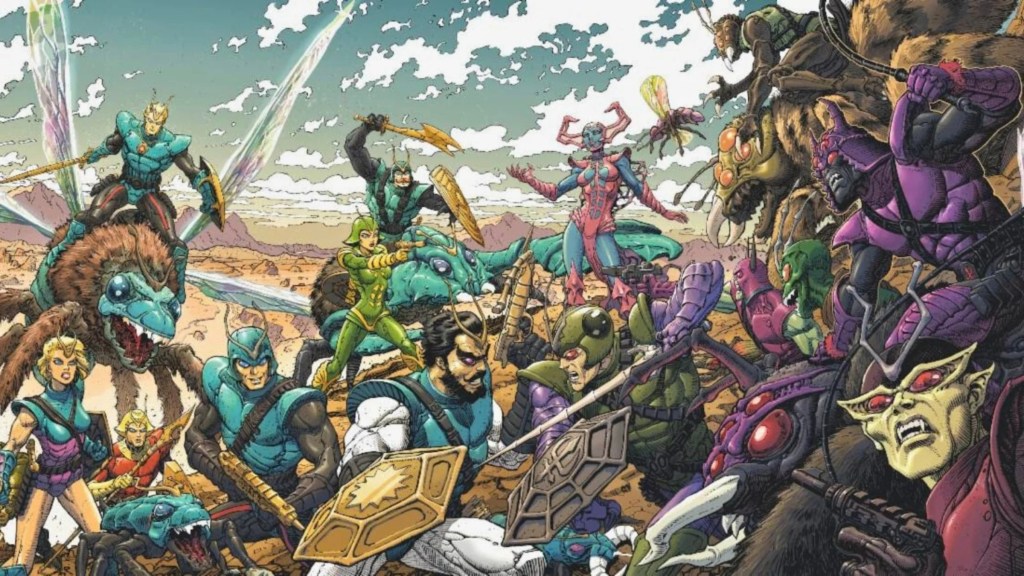
Before the company filed for bankruptcy and had its products bought out by Hasbro in 1989, Coleco Industries, known for Cabbage Patch Dolls, created a line of action figures. These figures were known as the Sectaurs, the warriors of Symbion. The warriors of Symbion were humanoids who had insect- and arachnid-like features.
The Sectaurs toys included nine mini-comics with the series released in 1984. From 1985 to 1986, a series of regular comics from Marvel about the Sectaurs was written by Bill Mantlo. Mantlo is perhaps better known for his work on the Micronauts and Rom, along with co-creating Rocket Raccoon and the pair Cloak and Dagger. While each toy’s mini-comic was meant to spotlight the character or playset it came with, some comics were more common than others, such as “The World of Symbion”.
3. MASK
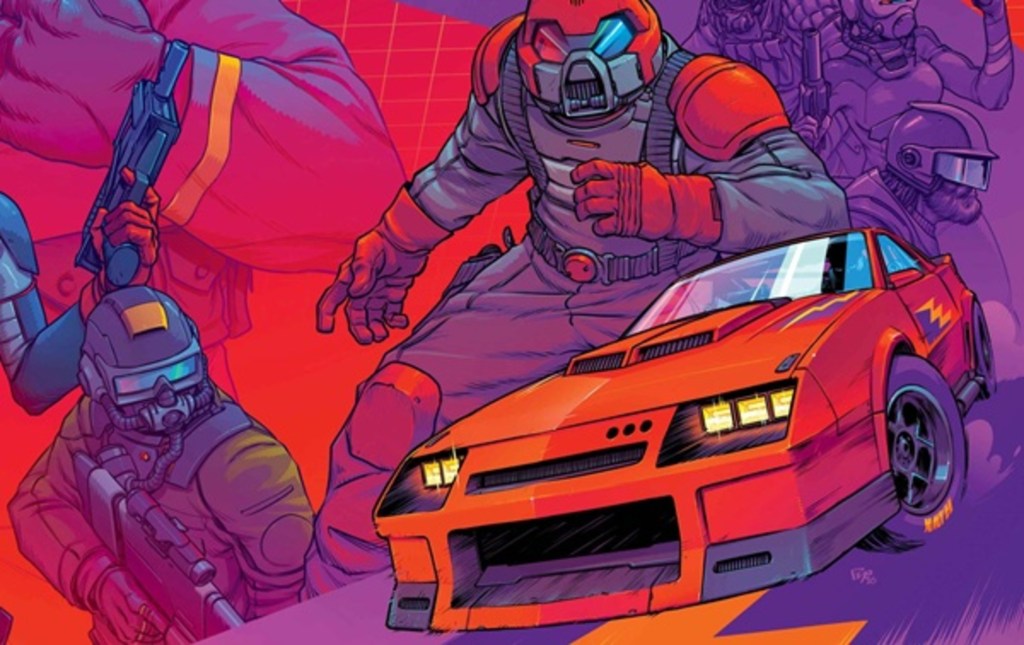
MASK had three mini-comics that came out with the Kenner toys. The comics were randomly included in 1985’s series one boxes, and they were the first comics that were produced for MASK. These comics delved into the world set up by the animated series but brought the characterization, history, and worldbuilding beyond it. The first comic gave MASK a beginning, something that was never given attention in the animated series, while the two other issues told comic-exclusive adventures.
“Flaming Beginnings” had a double storyline, showing the beginning of Matt Tracker’s battle with Mayhem and how he lost his brother Andy, along with present-day Miles Mayhem’s attempt to use a human robot to sabotage Matt Tracker and Bruce Sato. “Monster from VENOM” featured another attack on Matt Trakker and Bruce Sato, this time featuring a Loch Ness Monster-esque creature, while “Assault on Boulder Hill” concluded the saga with yet another of Miles Mayhem’s plans going awry.
2. Masters of the Universe
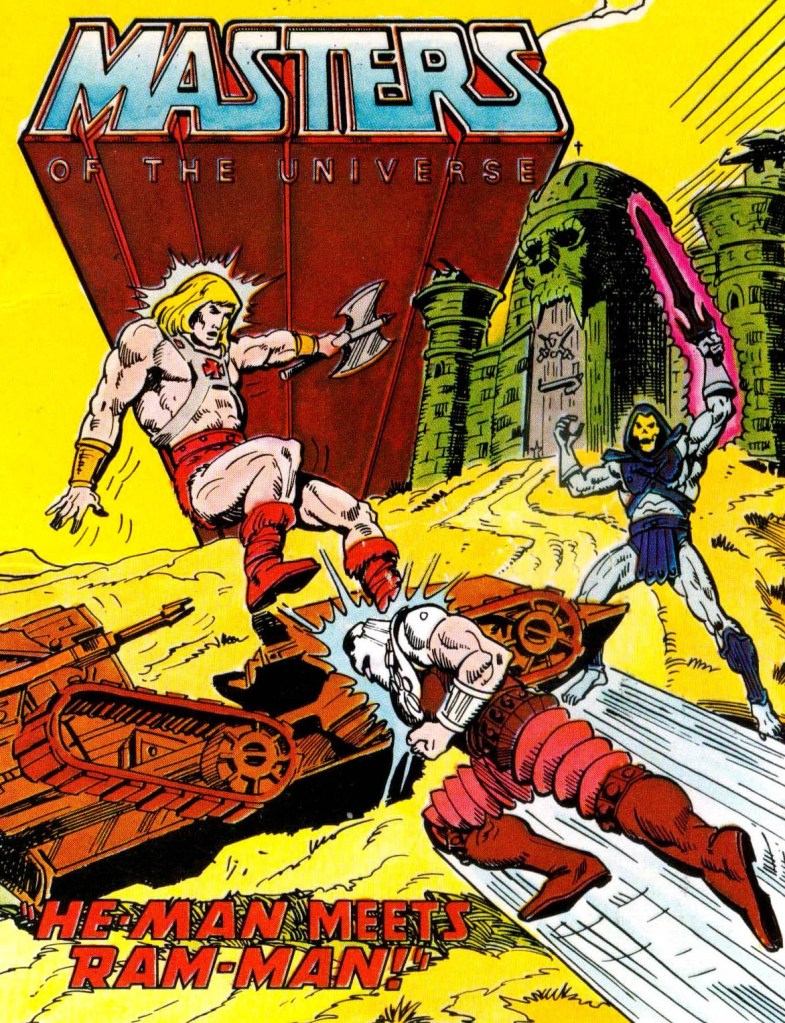
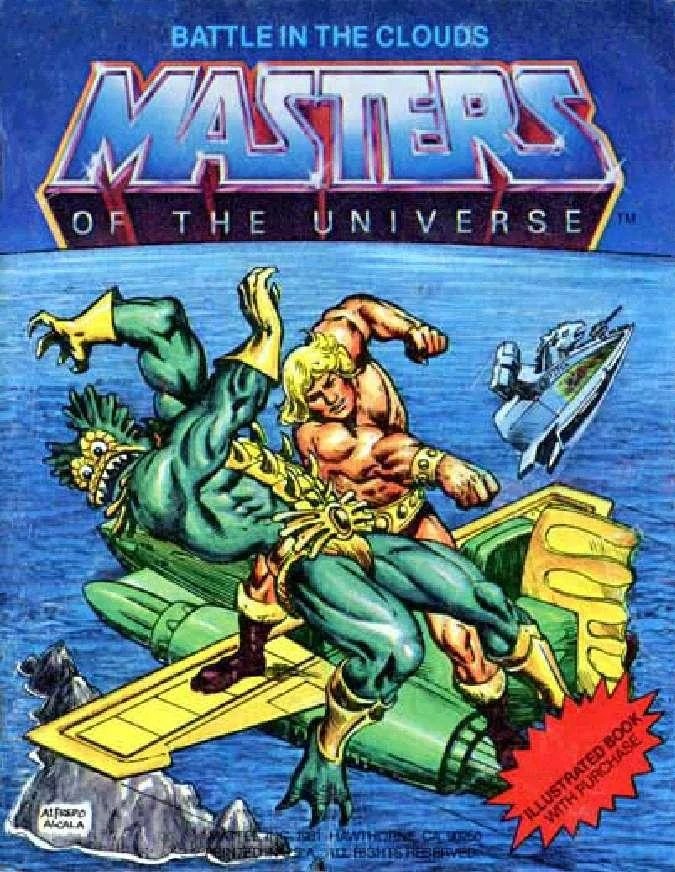
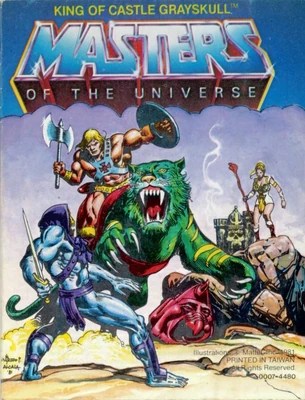
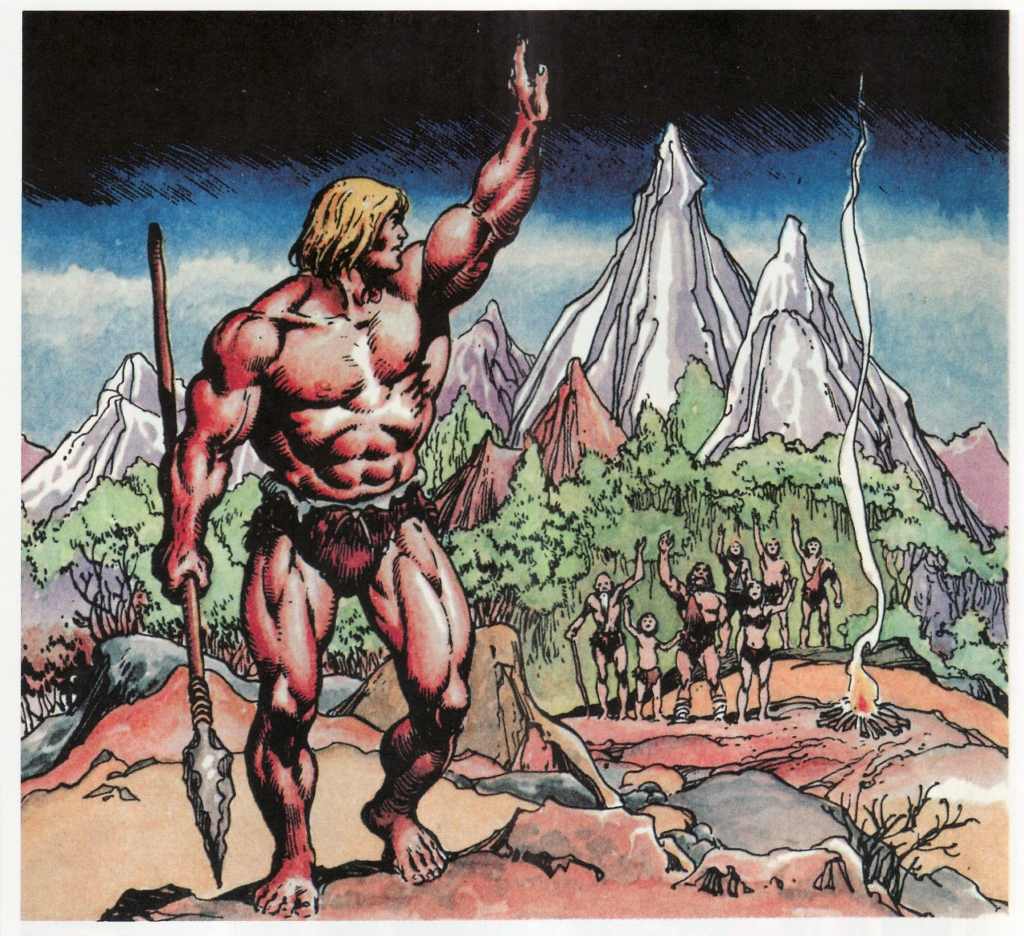
Masters of the Universe was a force to be reckoned with during the 1980s. Unlike the other entries on this list, Masters of the Universe as a brand only dates back to 1982. Its parent company, Mattel, had created it to re-establish a foothold in the boys’ toy market, having already conquered the girls’ with Barbie. Given that the line was new, the Masters of the Universe action figures came with a mini-comic meant to introduce not only the individual toy’s character but also the larger lore around Eternia.
In the US, there was a plethora of Masters of the Universe comics, released from 1982 to 1987 across seven series rollouts. The comics predated the animated series, but the comic line would adjust starting in 1984 when there was a larger canon to contend with. DC Comics would take over production of the comics starting in 1983, with writer Gary Cohn taking over from Donald F. Glut.
1. Super Powers
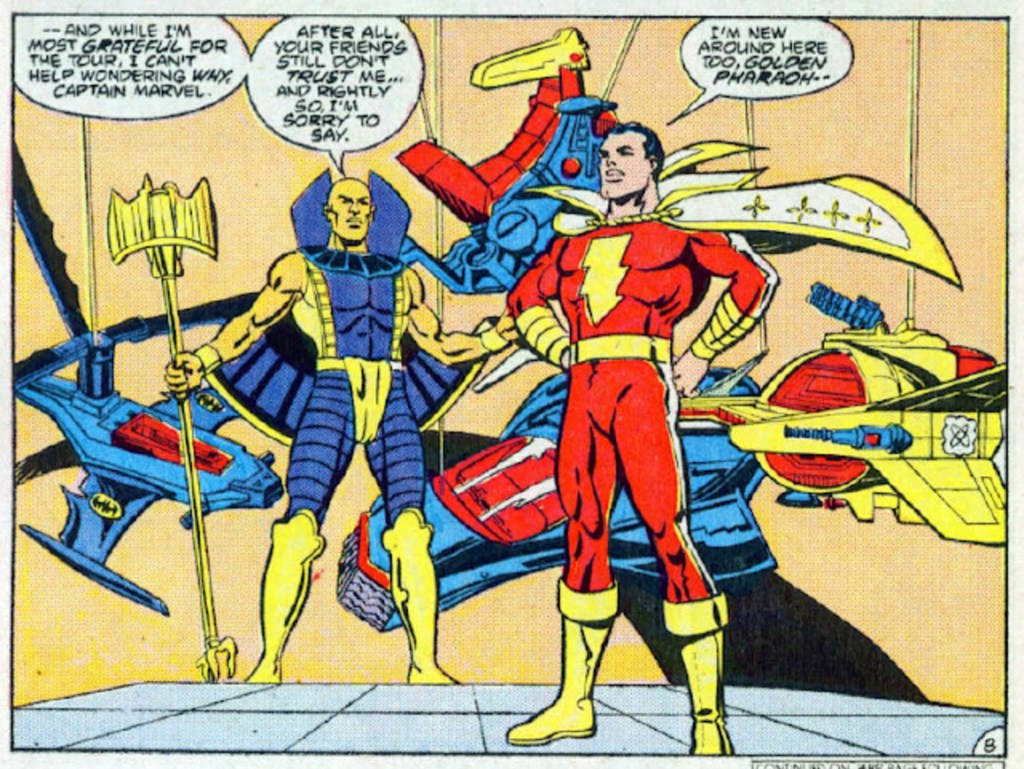
From 1984 to 1985, the Super Powers collection from Kenner Toys published 23 mini-comics. These mini-comics included fan-favorite heroes such as Superman, Batman, and Wonder Woman going up against the formidable Joker, Brainiac, and Lex Luthor. The second series focused on a broader base of heroes — Green Arrow, Dr. Fate, Firestorm, Martian Manhunter — than DC’s Trinity or Robin.
The Kenner toy line gave a big push for Jack Kirby’s “Fourth World”. Kirby’s “Fourth World” refers to Darkseid and his minions, characters that are instrumental in the DC Universe today. Kenner reached out to Kirby directly and had him commission designs for the action figures, such as Darkseid. A similar decision was made with George Perez when Kenner asked him to create a design for Cyborg.
While Super Powers started out as a toyline, it branched out into books, games, puzzles, toys, and was cross-branded with the Super Friends tv show. The mini-comics existed largely out of continuity, but Crisis on Infinite Earths: The Compendium classified the Super Powers world as Earth Thirty-Two.
Which action figure mini-comics came as a surprise? Which were a no-brainer? Let us know in the comments below!
More Comics
-

Image Courtesy of DC Comics -
Image Courtesy of Vertigo/DC Comics -
Image Courtesy of Marvel Comics -
Image Courtesy of Marvel Comics -
Image Courtesy of Marvel Comics -
Image Courtesy of Marvel Comics -
Image Courtesy of Marvel Comics