
Since the late 1930s, DC Comics has been a pioneer of the superhero genre, creating iconic characters like Superman, Batman, and Wonder Woman. However, ever since the company’s earliest days, it has also absorbed smaller comic book companies to bolster its ranks and tighten its hold over the industry. Many of DC’s oldest and most beloved characters and superhero teams originated with other companies before being integrated into the main DC Universe. Even decades later, DC still sometimes acquires the rights to heroes from other companies. This has allowed these characters, and the DC Universe as a whole, to expand to new heights.
Videos by ComicBook.com
The history of DC Comics and the legal issues regarding acquiring and publishing rights to characters from other companies is a complicated mess, to say the least. While some superheroes remained relatively unchanged when placed in the DC Universe, others have undergone drastic revisions to their backstories and brands to fit in better. These are some of the DC heroes and teams who started in completely different universes and companies.
10) Caitlin Fairchild
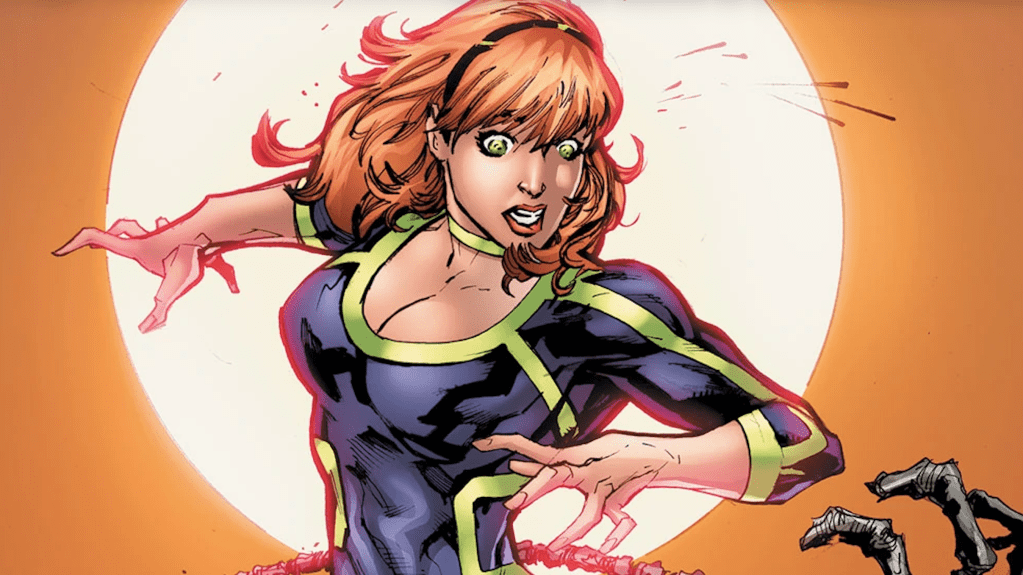
Aside from DC and Marvel, the other significant company in the comic book industry is Image Comics, with some of its biggest titles including Spawn, Invincible, and The Walking Dead. As part of its Wildstorm Productions imprint, Image created the teenage superhero group Gen13, with Caitlin Fairchild as its leader. Like the rest of Gen13, Caitlin was a test subject in a government super soldier program. From that program, she developed superhuman strength. When DC Comics purchased Wildstorm Productions, Caitlin was one of the few members of Gen13 who didn’t fall into obscurity. When the Wildstorm Universe merged with the DC Universe during the New 52, Caitlin became an ally of Superboy.
9) Uncle Sam
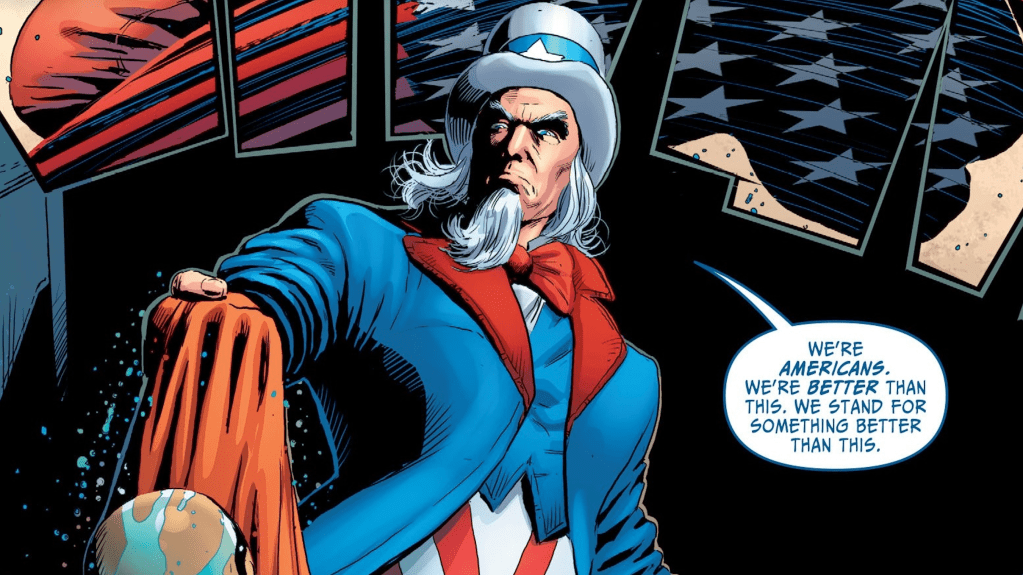
During the Golden Age, one of the earliest comic book companies was Quality Comics, which produced many patriotic heroes, including Uncle Sam. This superhero wasn’t just someone dressed up in a costume; Uncle Sam was instead the living embodiment of the American Spirit and its ideals of truth, justice, and equality. His powers include super strength, size alteration, and immortality. When Quality Comics shut down in the 1950s, DC swooped in and acquired the rights to all of their characters. In the 70s, DC would take Quality Comics heroes like Uncle Sam, Ray, Human Bomb, Phantom Lady, Black Condor, and Doll Man and make them into a Nazi-fighting superhero team called the Freedom Fighters. Naturally, Uncle Sam became the leader of this anti-fascist team of heroes.
8) WildC.A.T.s
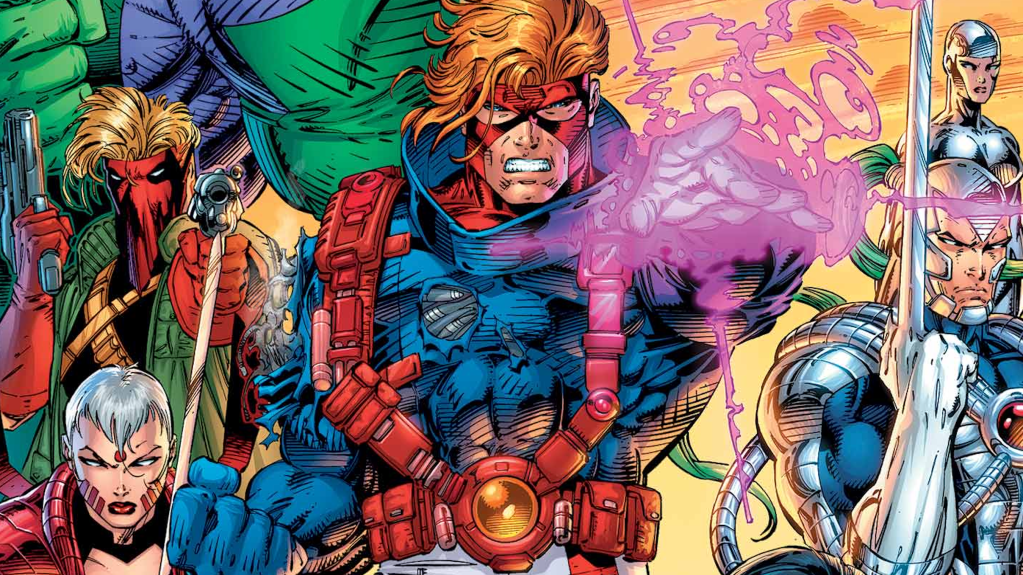
One of Image Comics’ and Wildstorm Publications’ earliest successes was the anti-hero team WildC.A.T.s (Covert Action Teams). The team was created to fight off alien invasions. Some of the best members of the WildC.A.T.s were the gun-wielding Grifter, the Superman copycat Mr. Majestic, the swordswoman Zealot, the android Spartan, the killer cyborg Warblade, the size-changing Maul, and the precognitive Void. The WildC.A.T.s are entrenched in 1990s anti-hero tropes, and they, along with the rest of the Wildstorm Universe, were purchased by DC Comics. Although they initially had their own universe, during the New 52 reboot, they were integrated into the main DC Universe and since have had many more adventures. Even with drastically changed origin stories, the WildC.A.T.s are still an awesome force to be reckoned with.
7) Peacemaker
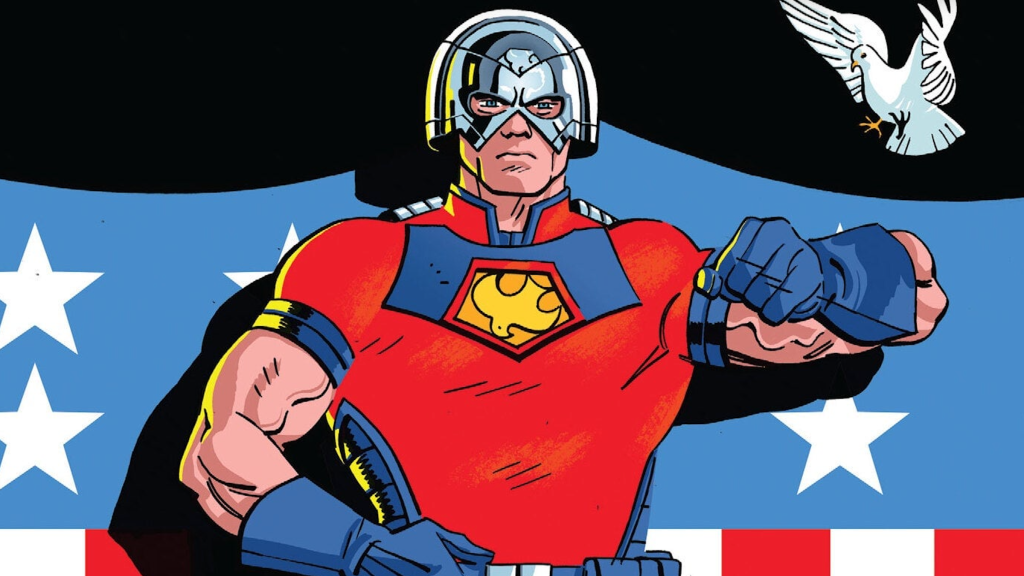
Thanks to his portrayal by John Cena in the DC Universe movies and TV shows, Christopher Smith, aka Peacemaker, has surged in popularity over the last few years. His gimmick is that he loves peace so much that he’ll kill anyone to achieve it. Peacemaker was originally one of the biggest names in Charlton Comics. Eventually, Peacemaker, along with other Charlton superheroes, was bought by DC Comics and was placed in Earth-4 of the multiverse. After the Crisis on Infinite Earths, Peacemaker and the other superheroes were rewritten to exist in the main DC Universe. Since then, Peacemaker has continued acting as a brutal anti-hero, featured in numerous recent storylines as both a protagonist and an antagonist.
6) Question
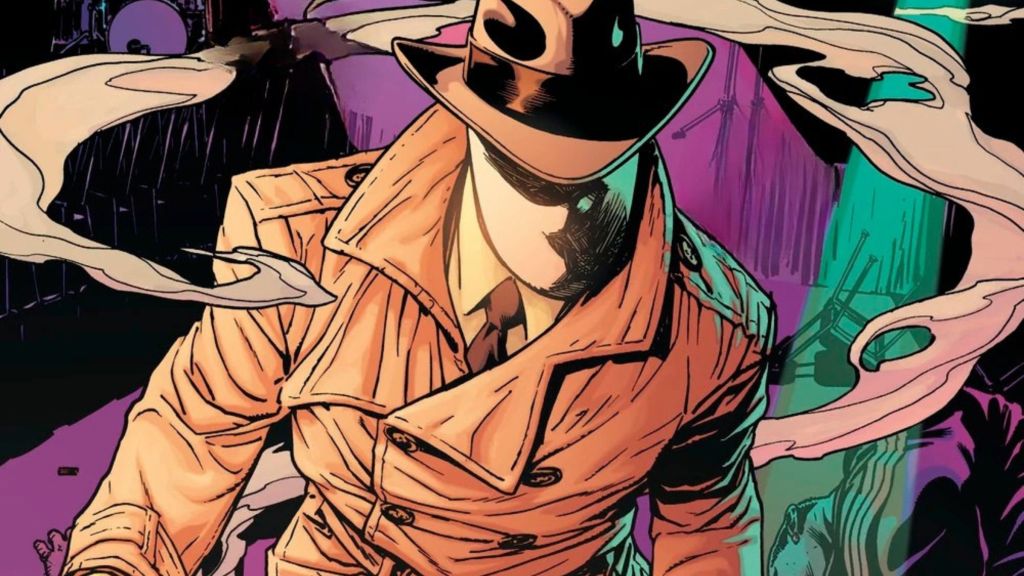
Batman isn’t the only genius detective in comics. Another hero created by Charlton Comics, Vic Sage, aka the Question, is an investigative journalist who wears a mask that makes him appear to have no face, enabling him to fight crime. Originally used primarily as a bland mouthpiece for the political views of his creator, Steve Ditko, the Question underwent a massive revision and improvement when DC Comics bought him. Transformed into a more three-dimensional character with less controversial views, the Question quickly became one of the most recognizable street-level heroes in DC Comics and one of its most brilliant investigators. Even after he died, his legacy would live on through Detective Renee Montoya.
5) Authority

The WildC.A.T.s weren’t the only anti-hero team under Image Comics’ Wildstorm Productions banner. The Authority was a team of former members of the United Nations-sponsored superhero group Stormwatch. In a brutal satire of the superhero genre, the Authority’s members are violent, cruel, authoritarian, and sometimes outright psychopathic in their mission to protect the world. The team’s original roster consists of the telekinetic Jenny Sparks, the solar-powered Apollo, the vicious Midnighter, the high-tech Engineer, and the mystical Doctor. Like the rest of the Wildstorm Universe, they were bought by DC and absorbed into the main universe during the New 52 reboot. Apollo and Midnighter became one of DC’s most iconic gay couples, while the Engineer was a villain in the 2025 Superman film.
4) Blue Beetle
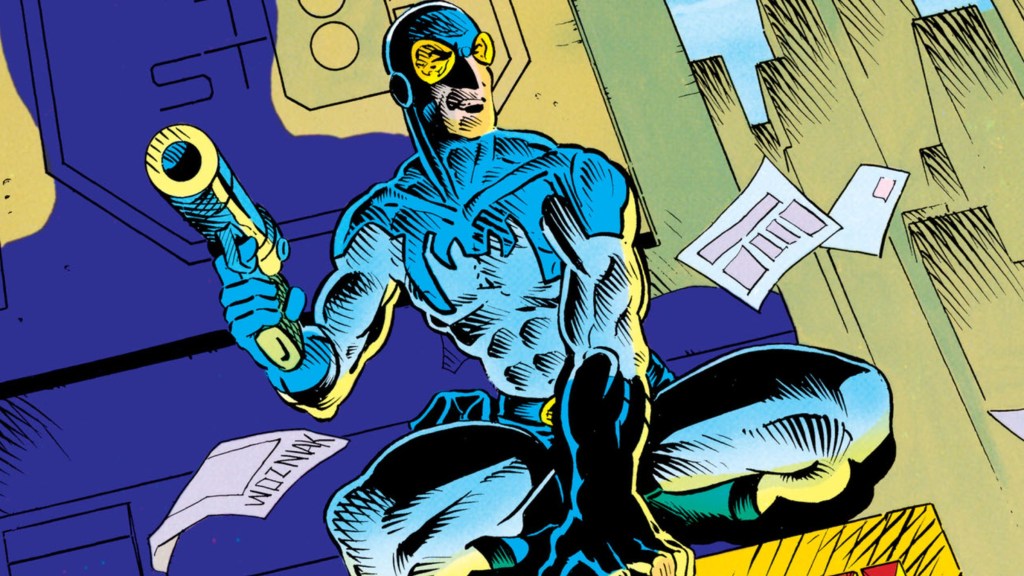
The Blue Beetle is a mantle that has not only been passed down to several heroes but also has travelled through several comic book companies. One of the first superheroes in history, the original Blue Beetle, Dan Garrett, was created by Fox Comics. Dan used a special vitamin to gain super strength. Eventually, the Blue Beetle brand was acquired by Charlton Comics, who created Dan’s successor, Ted Kord. Instead of superpowers, Ted relied on gadgets. Finally, DC Comics purchased Blue Beetle. And, of course, DC introduced its own version of Blue Beetle, Jaime Reyes, who served as Ted’s successor. After bonding with a biomechanical alien called the Scarab, Jaime gained the ability to manifest extraterrestrial armor and weapons.
3) Captain Atom
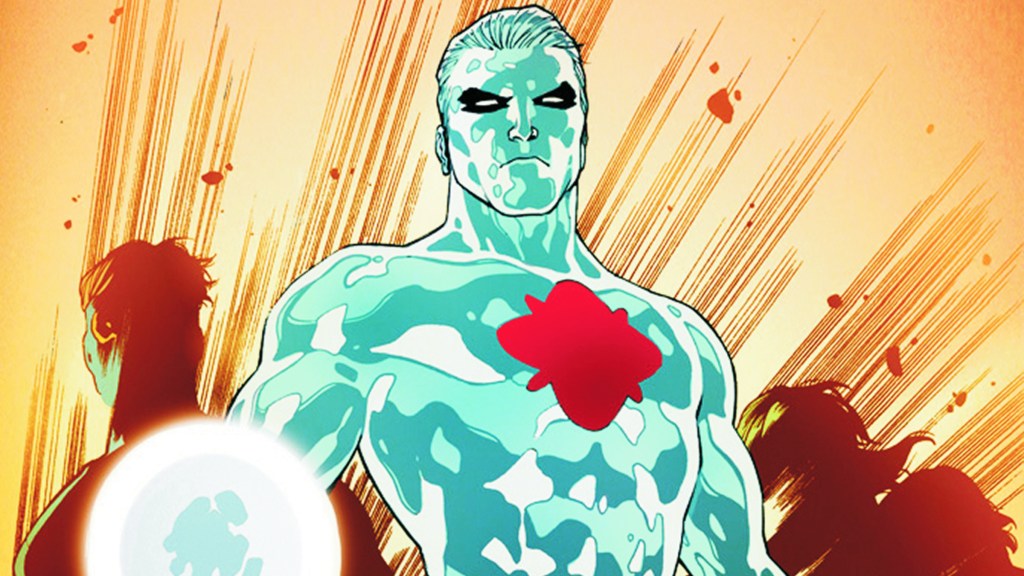
One of the most powerful heroes in both Charlton and DC Comics, Captain Atom
is a living weapon. Initially, his real name was Allen Adam, and an explosion from a rocket gave him quantum powers, including energy blasts and super strength. When DC Comics acquired Charlton’s superheroes, Captain Atom underwent a drastic change. On top of his name being changed to Nathaniel Adam, his new origin was that he was in a super soldier experiment that turned him into a being of living energy that needed to be housed in a silver containment suit. In this form, Captain Atom gained the ability to manipulate all forms of energy, making him one of DC’s biggest powerhouses.
2) Plastic Man
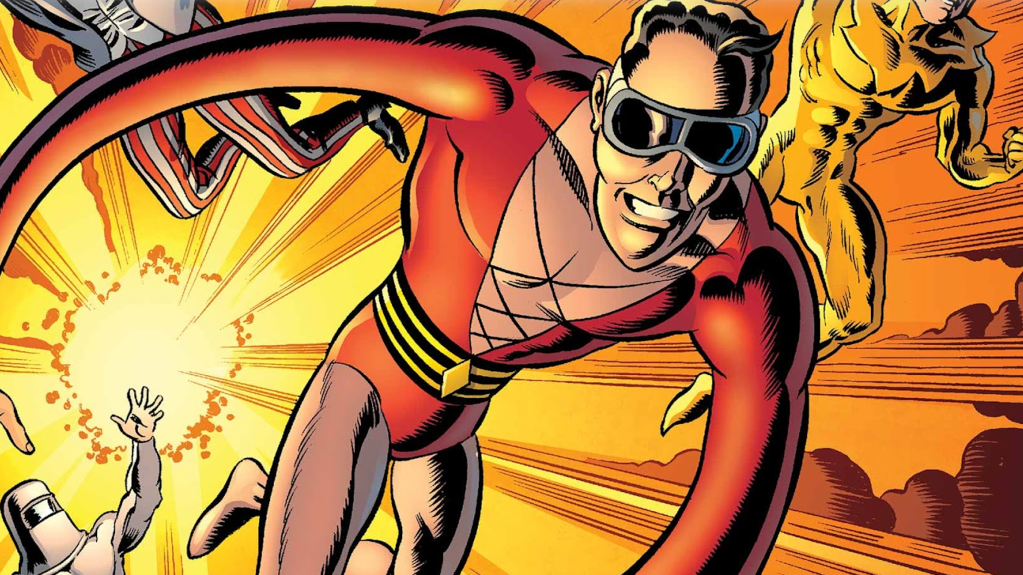
Ever since his first appearance in Quality Comics, Patrick “Eel” O’Brien, aka Plastic Man, has been a creative and hilarious subversion of Golden Age superheroes. Initially a petty crook, Eel underwent a drastic transformation when he fell into a vat of chemicals that gave him potent shapeshifting abilities. With his newfound abilities, Eel decided to turn his life around by becoming the comedic hero Plastic Man. When Quality Comics shut down, DC Comics rescued the stretchy hero and quickly made him a mainstay of their universe by having him as both a solo hero and a frequent member of the Justice League. Even though he’s not the most serious character, Plastic Man’s creative powers and comical character make him a fan favorite.
1) Shazam
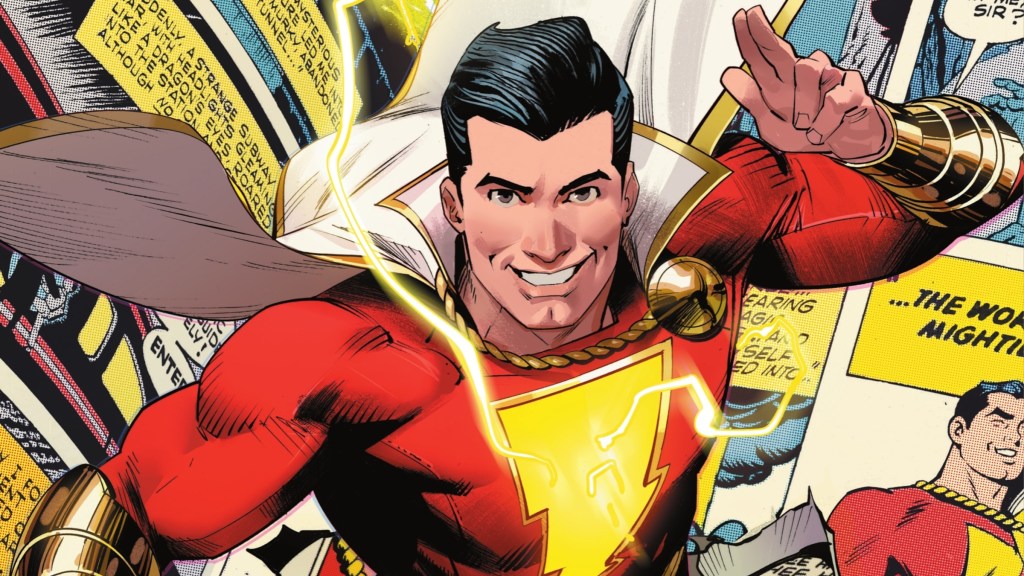
No superhero in comic book history is more infamous for their transition to another company than Billy Batson, aka Shazam. Billy was just a young boy when a wizard granted him the powers of mythological gods and heroes. By saying the word “Shazam,” Billy could transform into an adult superhero called Captain Marvel. Initially published by Fawcett Comics in the 1940s, Captain Marvel was created as a competitor to DC’s Superman, leading to an intense legal battle. By the time DC acquired the rights to the Mighty Mortal, Marvel Comics had already copyrighted the Captain Marvel name. After several attempts at reinvention, DC finally settled on making Billy’s new superhero name Shazam. Now, Shazam is one of DC’s most beloved and positive heroes.
What do you think? Leave a Comment below and join the conversation in the ComicBook Forum!
More Comics
-
Image Courtesy of Marvel Comics -
Image Courtesy of Marvel Comics -
Image courtesy of DC Comics -

Image Courtesy of Marvel Comics -
Image Courtesy of DC Comics -
Image Courtesy of Marvel Comics -
Image Courtesy of Marvel Comics -
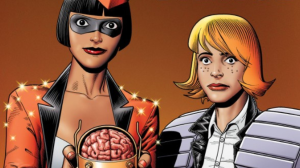
Image Courtesy of DC Comics
