The recently revealed sequel to Alien: Isolation shows a lot of promise, but the biggest question on fans’ minds are how it can live up to the original cult classic. Initial reviews for the first Alien: Isolation are misleading for how beloved that horror game is, providing one of the most intense atmospheres of any title in the genre. However, to re-create the experience of that game builds up plenty of risk, especially considering how other good horror titles flopped with their sequels.
Videos by ComicBook.com
Already, information about the Alien: Isolation sequel comes with the many changes that are being implemented. For starters, the claustrophobic environment of the first game’s space station is now transitioning to a larger, outdoor space on an alien world. With internal engines altering the look of the game somewhat too, fans are tensely waiting to see if this game can live up to the singular horror content that came before.
Alien: Isolation 2’s Move To Open Spaces Is Similar To Big Changes Made For Other Horror Titles
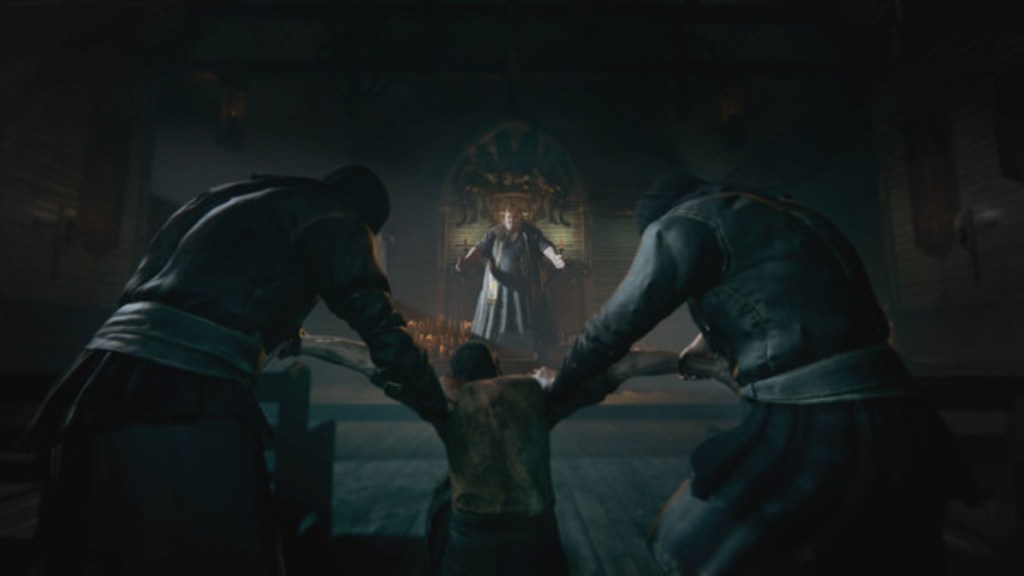
There is a strong history in the horror genre of games having great first outings, but terrible follow-ups. Multiple examples like Outlast 2, Dead Space 3, Amnesia: A Machine for Pigs, Condemned 2: Bloodshot, or Resident Evil 6 are all considered far inferior to the games that were released before. Outlast is a great comparison to Alien: Isolation, as both games had similar approaches to their gameplay loops and inclusion of a “stalker” type enemy.
Outlast 2 was largely reviewed negatively for cheapening the scares of the original game, with jump scares coming from outdoor environments instead of the confined insane asylum of the first title. This reflects the open world changes of Alien: Isolation‘s sequel right now, leading to some important comparisons. Most of the time, a horror game’s continuation drops some of the most interesting aspects of the first game, leading it to misunderstand why players loved it originally.

Some horror games up the action, cut out tension, or introduce convoluted stories that diminish the appeal the series could have built up through multiple successful outings. Horror games where you can barely fight back, such as Outlast, Alien: Isolation, Amnesia: The Dark Descent, or Iron Lung, would suffer the most from these inclusions of additional gameplay that cheapened the intended restrictions of their experiences. Part of the reason why Alien: Isolation works so well is because you can’t fight back against the Xenomorph pursuer, only distract it or briefly drive it back with flames.
More often than not, when a horror game tries to “evolve” or get “bigger” with its sequel, it falls short by introducing too many clashing mechanics. That, or the sequel tries to up the horror with more jump scares, chase sequences, or cheap surprises that eventually desensitize players to the horror itself. Alien Isolation 2 had systems that could be refined, but trying to bloat the game or change too much of the first title’s direction might create something that doesn’t feel the same.
Alien: Isolation 2 Runs The Risk Of Lessening Its Horror By Overplaying Its Hand
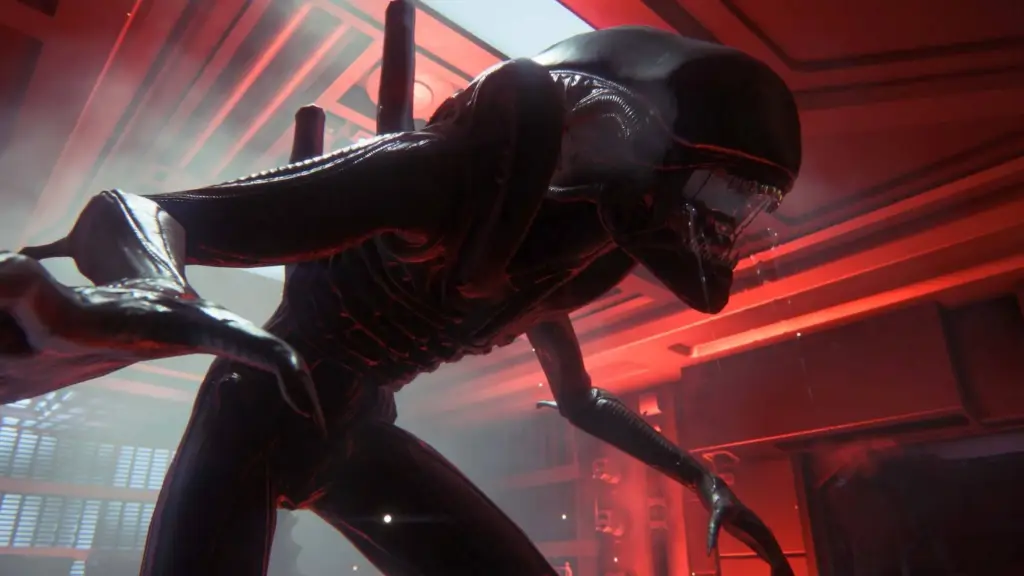
One of the easiest tropes Alien: Isolation 2 could fall into is learning the wrong lessons behind the first game’s greatest scares. Alien: Isolation‘s claim to fame is its highly intelligent, learning AI programmed into the Xenomorph that tracks you down, learning your patterns and adapting to sounds or habits you make as you try to pursue different goals. As arguably the most terrifying enemy in any horror game, an easy thing for the sequel to do would be to include a similarly cunning Xenomorph throughout more of the game’s runtime.
This would be somewhat of a trap, though, as over-exposing players to the Xenomorph would lessen its fear factor. Part of the tension of Alien: Isolation came from how the Xenomorph was restrained to particularly important encounters, with other enemies like defective synthetic androids occupying other parts of the story. Not only did this add to the slow burn and build up of tension in the game, but it also made sure players felt the impact of the Xenomorph when it appeared.
Part of what makes the original Alien movie so beloved is how it allows the horror to quietly ramp up over time, a style that Alien: Isolation mimicked incredibly well. Although Aliens was a film that had far more action, it is completely different compared to its predecessor. If Alien: Isolation‘s sequel was anything like that transition between movies, fans of the horror game would ultimately be very disappointed.
By introducing too much horror, or altering the approaches the first game made to its scares, fans could easily become frustrated or apathetic to a new experience. Unlike other horror sequels, Alien: Isolation has the best chance to keep its core design intact, delivering another pulse-pounding adventure in an iconic sci-fi setting.
How do you think Alien: Isolation 2 can avoid struggling like other horror game sequels? Leave a comment below or join the conversation in the ComicBook Forum!
More Gaming
-
Image Courtesy of Dreamworks -
Image Courtesy of Electronic Arts -
Image Courtesy of Electronic Arts