Ever since the genre gained popularity, soulslike games have been known for their challenging gameplay, punishing difficulty, and steep learning curves. FromSoftware’s Dark Souls made this a defining feature of the genre, but that design philosophy has gatekept many players from it. As the genre expands, developers have been increasingly experimenting with ways to make the games more approachable. Code Vein 2 continues this trend, and I believe it has reshaped the traditional soulslike experience for new players by offering new systems and mechanics that help both newcomers and genre veterans feel at home.
Videos by ComicBook.com
What makes Code Vein 2 especially exciting is not just its stylistic identity or expanded combat options. For me, it is how the game lowers barriers that might intimidate new players, or those like me who aren’t very skilled. That said, the game offers a challenge familiar to the genre, but also features mechanics that help new players ease into the game, mitigating the difficulty early on and allowing players to learn and practice skills before fully immersing themselves in the open-world action RPG.
Code Vein 2 Offers a Smooth Learning Curve
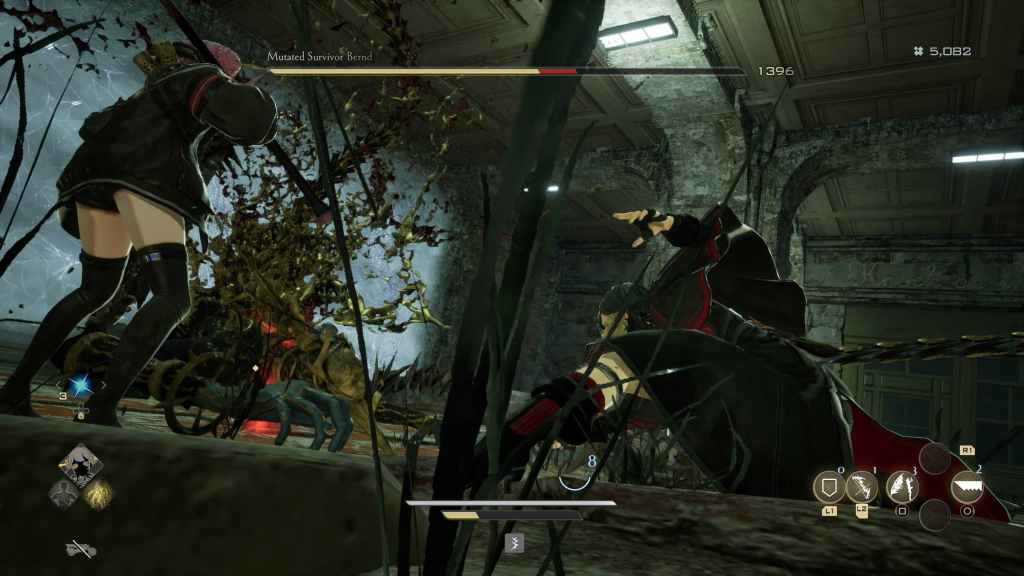
One of the most refreshing aspects of Code Vein 2 is how it eases players into its systems. Unlike some genre entries that drop players into an unforgiving world with little context, Code Vein 2 gradually introduces mechanics and strategies, giving players time to absorb what makes the game work. Early areas and encounters feel designed to teach through play alongside tutorials. Even the more complex layers of combat and progression reveal themselves at a measured pace, rewarding curiosity without leaving players lost in menus or confused by unseen systems.

When I first jumped in, the story exposition slowly led me toward the heart of the game: its combat. Early enemies have attack patterns to help you learn the basics, and the first few bosses you encounter pose a challenge but not a severe one. It wasn’t until I decided to return and help Noah that I encountered my first real test. Admittedly, the boss wiped the floor with me several times, forcing me to improve and master the skills the game taught me. I was rewarded for my patience and persistence, and the choices I made.
Now, once the game has taught you the mechanics, the difficulty ramps up, forcing you to recognize patterns, learn timing, and utilize various skills. You’ll be learning throughout the course of the game, but Code Vein 2 makes learning enjoyable, allowing players to experience growth in a way that feels natural. I could feel my journey from novice to capable fighter rather than feeling defeated at each punishing misstep. Even seasoned soulslike players will find satisfaction in mastering its fluid combat, but the experience feels significantly more accessible from the beginning compared to other soulslikes.
Companions Make Code Vein 2 Perfect for New Players

Perhaps the most significant innovation in Code Vein 2 that boosts accessibility is its expanded companion system. Instead of facing every battle alone, players can bring AI-controlled companions into combat environments with them. These partners are not mere distractions; they act as tactical allies with unique abilities and playstyle synergies that can complement any build. But for those who prefer to face enemies on their own, companions can bond with your avatar to increase your skills and make you more formidable. With this, Code Vein 2 appeals to both veteran and new players.
Companions serve several major functions that make Code Vein 2 feel more approachable. They draw enemy aggro when needed, allowing players breathing room to heal or reassess a fight. They also provide offensive support, chipping away at foes so the player doesn’t face overwhelming odds on their own. Most importantly, companions can revive the player mid-battle through the Restorative Offering mechanic, giving players a second chance without returning to a checkpoint. That safety net exists in a few other soulslikes in the same way. I can’t count how many times the Restorative Offering ability was the difference between me beating a tough boss and losing.
This system distinctly softens Code Vein 2’s learning curve. A newcomer who might be unfamiliar with hostile patterns or stamina management can rely on a companion’s presence to create space or revive them when needed. This does not lessen the genre’s challenges; bosses and enemies can still test even experienced players. But it makes the journey through that challenge feel supportive rather than adversarial. Because every companion has unique Link Traits and combat bonuses, experimenting with different allies also encourages exploration and replayability without fear of dipping into builds or strategies that don’t immediately click.
Combat Is Built for Experimentation in Code Vein 2
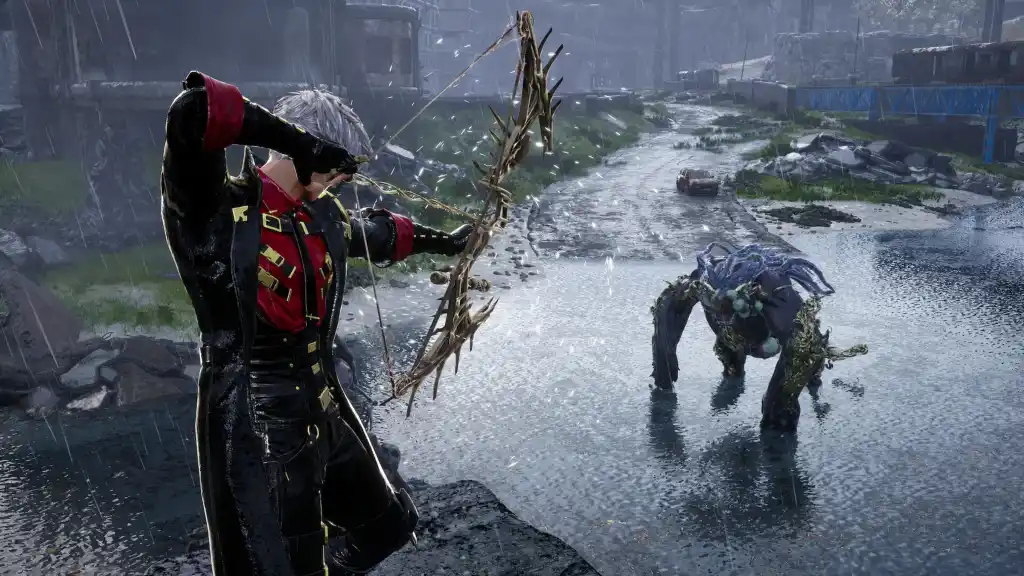
Combat lies at the heart of Code Vein 2, and what sets it apart from other soulslikes is how it encourages flexibility and experimentation without overwhelming players. The game expands on its signature systems of Blood Codes, Formae, and weapons to offer a wide variety of playstyles. Players can switch between forms, customize builds on the fly, and adapt tactics to suit challenging encounters. This emphasis on choice not only diversifies combat encounters but also makes learning different approaches part of the fun.
Instead of locking players into a single rigid class or style, Code Vein 2 allows for shifts in gameplay mid-run. Players might combine fast-paced melee with ranged attacks, experiment with mobility-focused builds, or focus on powerful Formae skills that change how they approach battles. Coupled with companions who buff, heal, or engage enemies directly, this flexibility gives players freedom to express themselves in battle in so many ways.
Perhaps most importantly, Code Vein 2 does not punish experimentation. Failure becomes a learning opportunity. If a particular tactic fails against a strong enemy or boss, players are encouraged to try alternate strategies, adjust Blood Codes and Formae, or call on their companions’ strengths in new ways. This iterative loop of trial, error, and adaptation fosters engagement instead of frustration. Soulslike games have often been criticized for creating needless barriers between player and progression. Code Vein 2 challenges that notion by showing how accessibility and depth can coexist, which is why I loved the gameplay loop so much.
What do you think? Leave a comment below and join the conversation now in the ComicBook Forum!
Most Viewed
-

Image Courtesy of Marvel Comics -

Sony Pictures -

Image Courtesy of HIDIVE -

Image courtesy of The Pokemon Company -

Image Courtesy of Netflix -

Image courtesy of Bandai Namco