One of the biggest criticisms of the Far Cry series is that the games don’t make significant changes between entries, keeping many of the same problems in back to back titles. Innovations do happen, alongside quality-of-life features that have elevated the Far Cry experience, but sometimes it can feel like one step forward and two steps back. To help Ubisoft refine any potential Far Cry 7, perhaps they need to look at an underrated title in the series for inspiration.
Videos by ComicBook.com
Far Cry‘s recent games have been called out for having uninteresting worlds despite their size, with lackluster stories and mechanics supporting fairly generic FPS action that has gotten less creative over the years. This might lead Ubisoft bring back classic Far Cry games, remastering older titles with visual upgrades rather than moving forward. While fans remember the diverse action of Far Cry 3 fondly, other games have also changed up the series’ mechanics to keep things fresh for players.
Far Cry Primal Marked A Sharp Contrast From The Series Back In 2016
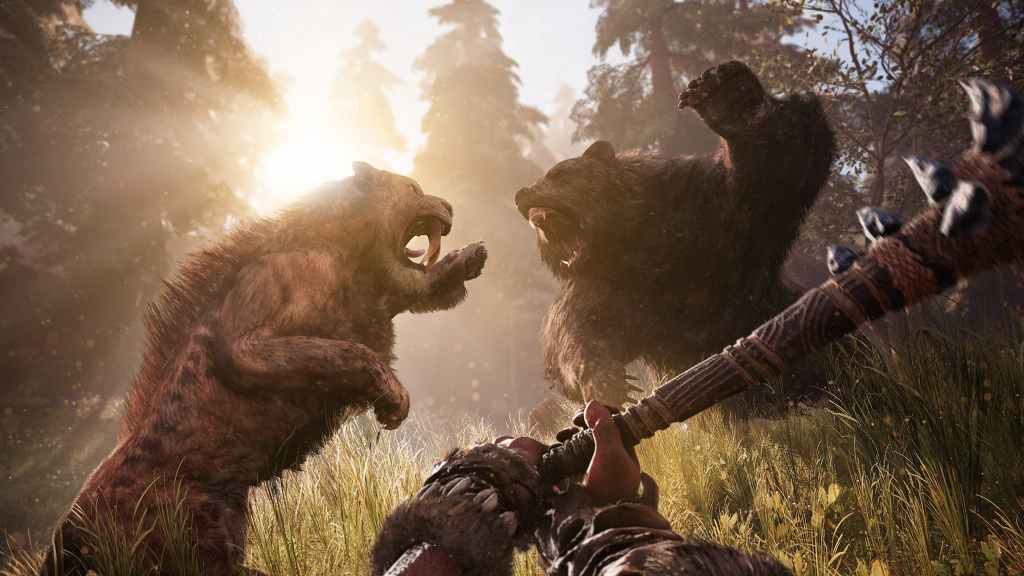
Far Cry Primal is perhaps the most distinct game in the series, taking players back to the historical Stone Age rather than a secluded region in the modern day. Featuring cavemen and Neanderthals alongside massive prehistoric beasts, this game added wild dangers that were only seen rarely in Far Cry games from the past. No guns or firearms were available, but rather sharp sticks, traps, and bows with arrows to defend yourself against a variety of enemies.
Although the story of Far Cry Primal is nothing too special, the systems within the game are far different from anything players could have expected. A heavy emphasis on crafting and survival systems made the world feel more vast, encouraging player exploration more than other Far Cry games were able to do. Every mission couldn’t be solved simply by going in guns blazing, but required preparation to equip yourself for the task, using limited tools based on what was available in the ancient world.

The smaller nature of Far Cry Primal meant the game didn’t overstay its welcome either, even if it did get somewhat tedious in its final hours. The immersive quality of this spin-off is surprisingly deep, with historical accuracy portraying the Stone Age era in a remarkable ways. When combined with extinct creatures like sabretooth tigers, mammoths, and wild dogs in the proto-indo-European landscape, the world feels lived-in and authentic in ways that other Far Cry games don’t try to reach.
Survival Gameplay & Exploration Over First Person Shooting Created A Unique Experience
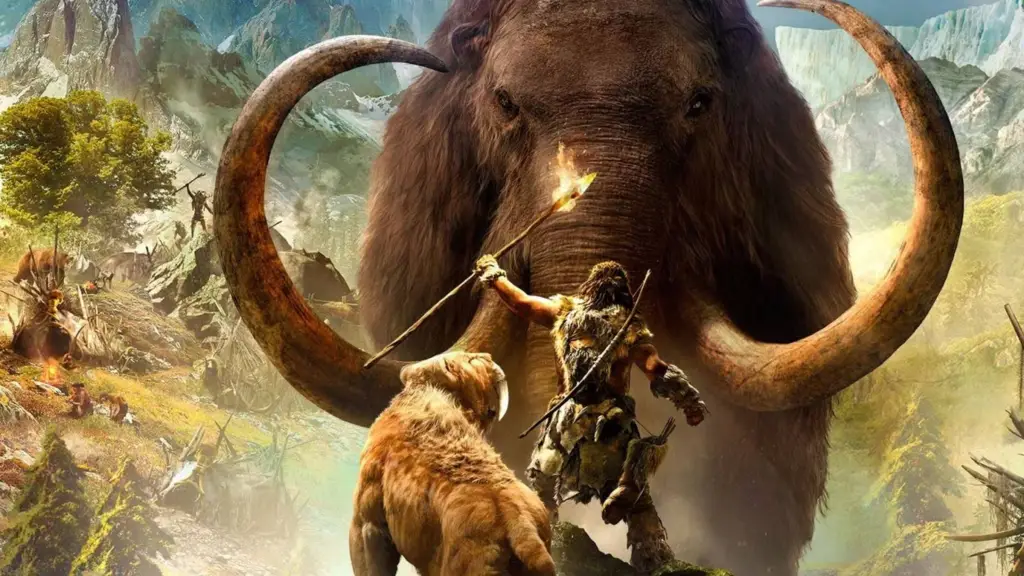
Ironically, the removal of mechanics is what made Far Cry Primal so interesting. Since it took place in the Stone Age, there was no little to no in-game currency to buy gear or weapons from other characters. A lack of vehicles meant travel was more intensive too, with players having to move by foot to whatever destination they were trying to reach. This increased the level of exploration within the game, both in navigating through survival features and learning the nuances of the map you were in.
While factions still existed as a gameplay mechanic like other Far Cry games, Primal‘s combat is where the survival features really shined. Beyond a trusty melee tool, you only had a bow and arrows to fend off enemies from afar, making combat feel precise and overwhelming at times. Crafting makeshift traps out of basic materials like honeycombs or sharp sticks made their success feel all the more satisfying when they worked to beat tougher foes.
Without high-speed bullets, moving targets are an even larger issue, forcing you to use fire, poison, or any other distracting method to keep your enemies from overwhelming you quickly. Armored enemies later in Far Cry Primal made combat even more intense. However, your ability to tame prehistoric wild beasts made for excellent moments of wild fury during the game’s action, rewarding players who combined survival techniques and knowledge of the land to win battles.
More Immersive World Building To Match Far Cry Primal’s Era Is Something The Franchise Needs To Do Again
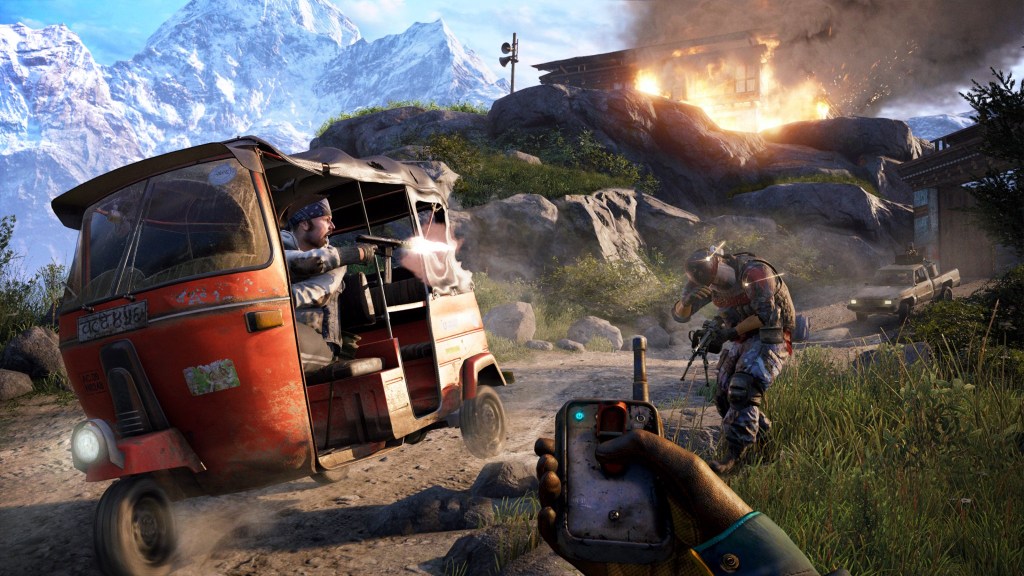
The immersive qualities of Far Cry Primal go away the moment you take away the restrictions that the game needed to have for its era. That being said, future Far Cry games can take lessons from Primal by emphasizing what made the series unique to begin with. Each Far Cry story is about someone who is unfamiliar with a certain location suddenly being thrust into a chaotic fight for survival, fighting off mercenaries, hostile government soldiers, and dangerous wildlife while meeting allies who can help them along the way.
Most Far Cry games make the mistake of giving you too many tools immediately as the game starts, forgoing the survival experience in favor of basic FPS action. Like Far Cry Primal demonstrates, having more survival mechanics can be a good thing, forcing players to get creative in how they approach dangerous situations. It doesn’t make sense that a Far Cry protagonist can use heavy firearms right away, so perhaps building up to the FPS action would feel more natural.
Having players learn about the landscapes they find themselves in to become guerilla fighters is far more fascinating as a concept than having them be action movie stars like 99% of other FPS games. Far Cry has already shown potential to be an immersive series through titles like Primal, but a lack of emphasis on its worlds could contribute to its ongoing downfall in years to come.
Do you think Far Cry Primal had the right idea that future Far Cry games should follow? Leave a comment below or join the conversation in the ComicBook Forum!
Most Viewed
-

Courtesy of Bit Reactor -

Courtesy of Crunchyroll