The shooter genre has been through a lot of changing trends, and hero shooters are the hot thing right now. These blend competitive multiplayer, expressive characters, and stylish worlds in ways few other shooters do. When a new hero shooter is announced, such as the most recent example, Highguard, I want to be excited. I want to dive into a new universe, learn its characters, and invest in its long-term future. Instead, that excitement is often replaced with a familiar sense of disappointment once the full picture becomes clear. So many of these games look incredible, play well enough, and then stop short of becoming something truly special.
Videos by ComicBook.com
Every time a new hero shooter is released, the developers repeat the same common mistake that has been made time and time again. While they nail the multiplayer aspect, little thought is put into single-player content, especially a narrative campaign that takes full advantage of the incredible worlds and lore surrounding the gameplay. I’m frustrated with hero shooters because I want to love them. But there is only so much fun I can get out of the multiplayer modes, only so much connection I can get out of the characters when the only way I interact with them is shooting my enemies and dying.
Multiplayer Is Fine, but Where Is the Single Player Content?
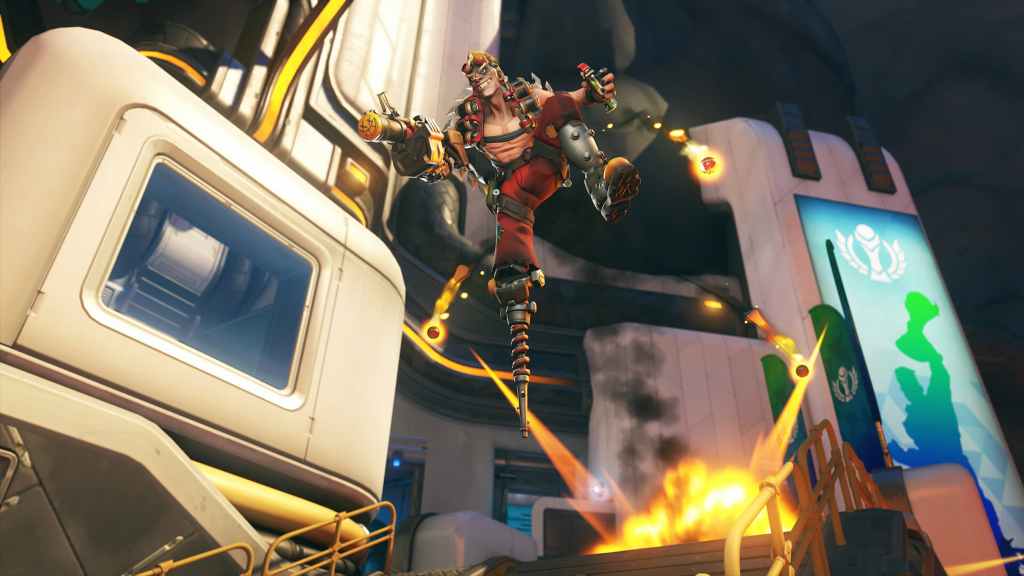
Now, to be clear, multiplayer is not the problem. Hero shooters are built around team-based competition. And this is exhilarating, especially when playing with friends or when the gunplay, abilities, and map design come together. Overwatch 2 still feels great to play on a mechanical level, and that has always been Blizzard’s strength. Tight controls, readable visuals, and heroes that feel distinct all matter. Marvel Rivals has had similar success. But great gameplay alone is no longer enough to carry an entire genre.

Part of this frustration comes from what was promised and what never arrived. Overwatch 2 was supposed to deliver meaningful single-player and PvE content that expanded its universe and dove deeper into its beloved characters. Blizzard talked openly about story missions, hero progression, and narrative arcs that would finally bring the game’s world to life beyond the cinematics. Then it bailed, completely going back on the promises that were made. What players were left with was essentially a reworked multiplayer experience and the lingering feeling that something vital had been stripped away in favor of a new microtransaction shop.
Marvel Rivals felt like it had an even clearer path. Marvel is one of the richest fictional universes ever created, packed with iconic heroes, villains, and storylines that practically beg to be adapted into playable missions. Instead, the focus remained squarely on competitive multiplayer. Fun matches, flashy abilities, and recognizable characters can only go so far when there is no deeper hook pulling players in between matches. These games ask for long-term investment without giving players a reason to care beyond the next win or loss. And what is even more sadder is how easily Marvel Rivals could have swept if it launched a single-player or even multiplayer campaign in the wake of Overwatch 2’s failed delivery.
The Worlds Are Too Cool Not to Be Used
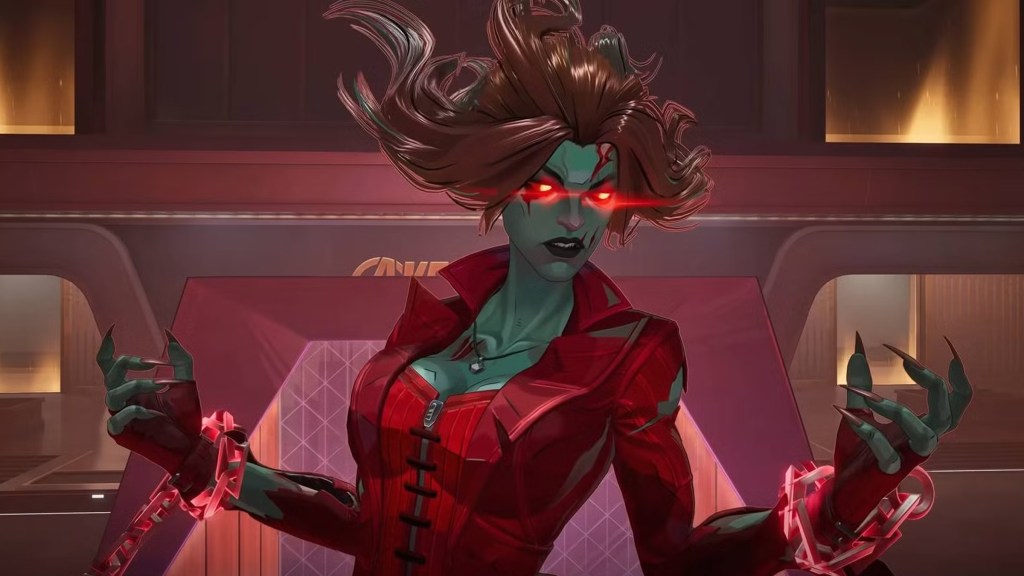
This is where hero shooters truly stumble. The worlds they create are often fascinating. Overwatch introduced players to a future shaped by global conflict, advanced technology, and morally complex factions. Every animated short, comic, or seasonal event hinted at a larger story that players were never allowed to actually experience firsthand. We were told about pivotal moments instead of playing them. Learned about each hero’s life without getting to explore them in meaningful ways.
That disconnect is exhausting. When I load into a map or select my hero, I do not just see a competitive arena or an avatar with stats and abilities. I see a city with history, characters with relationships, and conflicts that clearly exist beyond the boundaries of a single match. Yet none of it matters once the countdown starts. The match ends, the lobby resets, and the world snaps back into a static backdrop.
This problem is not unique to Overwatch 2. Marvel Rivals has access to decades of storytelling across comics, films, and animated series. The idea of playing through a co-op mission that adapts a famous Marvel storyline feels like a no-brainer. Instead, players get character banter and environmental details that tease something more substantial but never deliver it.
Now, Highguard enters the conversation, and it has followed the same path. Another hero shooter with striking visuals, interesting character designs, and lore tucked away in menus or external media. The game has had a rocky reception, but this could have been so different if Wildlight Entertainment had leaned into the one aspect hero shooters have never delivered. Player frustration could have been subsided if there was a meaningful use of the world that helped showcase the characters and mechanics.
Only One Hero Shooter Needs to Break the Trend
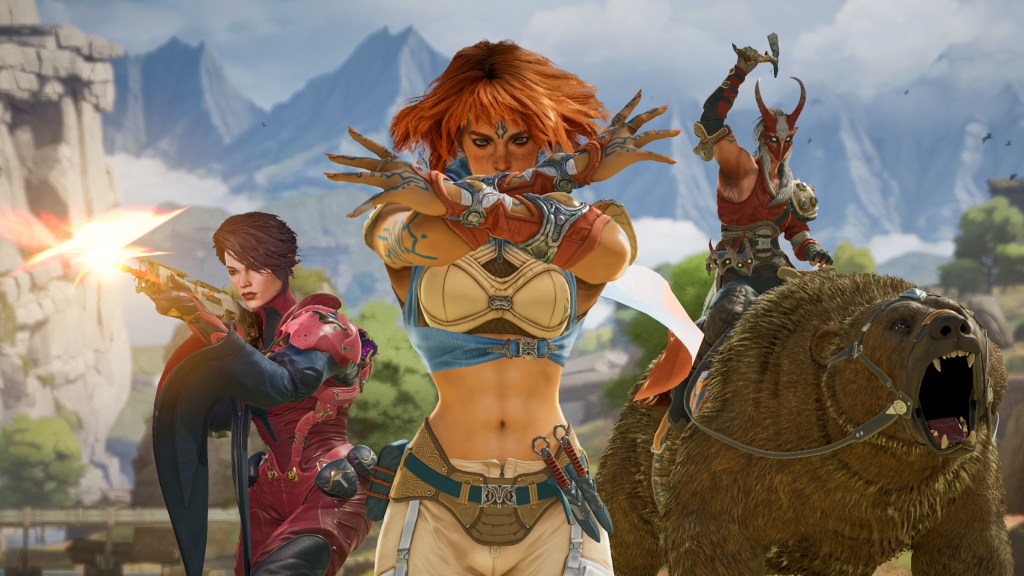
What makes this situation so frustrating is how easy the solution feels. It does not require abandoning competitive multiplayer or turning hero shooters into full RPGs. It just requires one studio to commit to using its world in a meaningful way. One hero shooter that launches with a substantial single-player or co-op experience alongside its multiplayer could change expectations for the entire genre.
A hero shooter where story missions release alongside new heroes would be a game-changer. Missions that explore character backstories, resolve ongoing conflicts, and let players engage with the world in a low-pressure environment. These modes would not replace multiplayer but complement it and enhance the experience. Players who want competition still have it, while others gain a reason to stay invested even when they are burned out on ranked matches.
This approach also helps with onboarding. Single-player or co-op content gives new players a space to learn heroes, abilities, and mechanics without the stress of competitive play. It builds emotional attachment to characters, which in turn makes players more likely to stick around long term and even buy skins.
Hero shooters do not need to abandon what they do well. They just need to stop pretending that multiplayer alone is enough. These worlds are too creative, these characters are too well designed, and these universes are too rich to remain locked behind endless matches. All it takes is one game to finally break the trend and prove that hero shooters can be more than just competitive arenas. Until that happens, we’ll keep having the same conversation every time a new one launches.
What do you think? Leave a comment below and join the conversation now in the ComicBook Forum!
Most Viewed
-

Courtesy of Crunchyroll