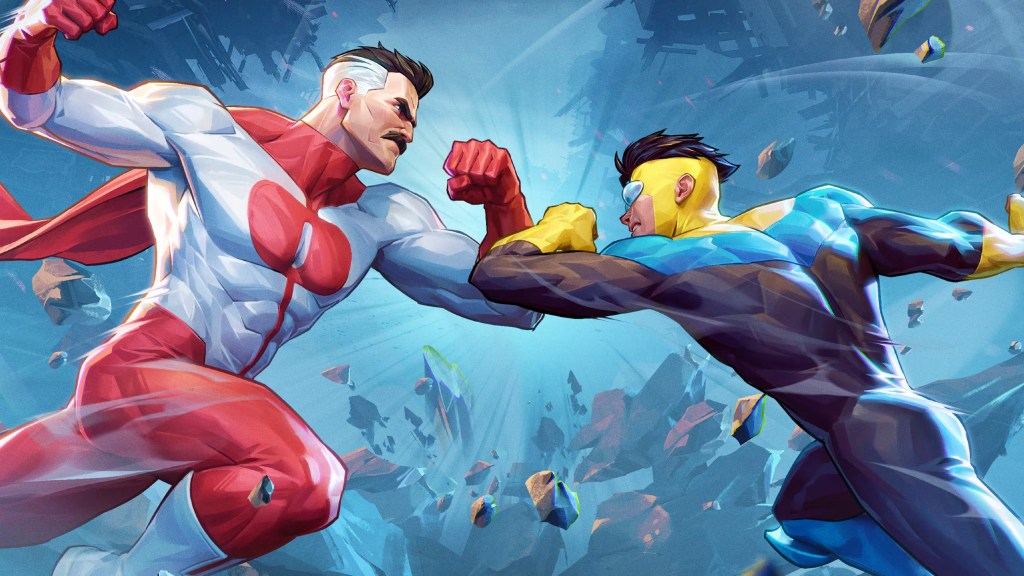
The open beta for Invincible Vs. was a large introduction for the 3v3 fighting game to general audiences, placing chaotic tag team battles into the hands of players largely for the first time. Server testing aside, this beta showed off many innovative features, attracting a larger group of players who were newer to the genre or more casually interested in it. As a result, an old problem with fighting games was exposed, showing that no amount of mass appeal can fix a long-standing issue.
Videos by ComicBook.com
As Season 4 of Invincible brings the IP into even greater heights of popularity, the hype surrounding Invincible Vs. is palpable, reaching levels of mainstream appeal comparable to Mortal Kombat in some circles. It helps that Invincible Vs. features kinetic action with two teams of three characters battling it out with flashy combos, assists, and super moves. Similar in scope to Dragon Ball FighterZ or Marvel vs. Capcom, Invincible Vs. has enough unique qualities fans have been praising ever since access to the open beta began.
Invincible Vs’ Open Beta Is Full Of Players Who Either Rage Quit Or Drop Matches Fast
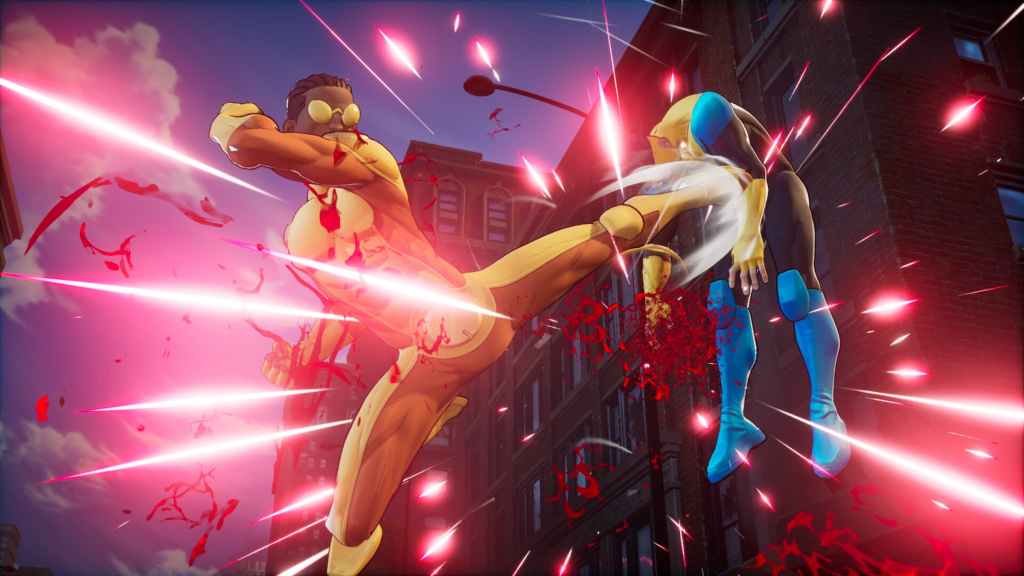
For anyone who had time to play the Invincible Vs. open beta, one fact was clear — you were going to have at least one player who rage quit your match. Disconnects from a match you were winning are more commonplace in three days of Invincible Vs. than they have been in years of other fighting games, even very popular ones like Street Fighter 6. There are many theories as to why this was happening so often in Invincible Vs., despite solid netcode and matchmaking servers running well otherwise.
In some cases, taking out one character on an opponent’s three person team would result in them dropping the match. Other instances from my experience saw a rage quit take place right before I was about to make a comeback, or win outright with a huge advantage. The anger of players surrounding Invincible Vs. is not unique to new players within the genre, but the sheer number of disconnections is shocking to anyone who has dipped their toe into fighting games for a long enough time.

Players have pointed to Invincible Vs.‘ lack of punishments in place for rage quits, and how the game allows players who drop matches to retain ranked points as they play. At higher levels, rage quitting was even more egregious, with players close to higher ranks disconnecting from almost every match to preserve their spot on leader boards. Although feedback is already being considered to introduce severe rage quit penalties from developer Quarter Up, the larger problem reflects something fighting games have always struggled with.
Casual Fighting Game Fans Will Always Avoid Trying To Improve When Losses Start Piling Up
In an age where fighting game patches and updates define frequent changes to the genre, there have been many projects that have tried to simplify a title to generate greater casual appeal. Invincible Vs. does this in a few ways, by not only adopting a superhero IP that many comic and TV fans enjoy, but also through how its gameplay systems are set up. It is not difficult to do special moves in Invincible Vs., with simple inputs functioning like Super Smash Bros., where players can press a direction and button to do something strong.
Characters have complexity to them for fighting game veterans, but for the most part, each technique of every fighter is something everyone can do. Longer combos, managing assists, and keeping teams intact is slightly more advanced. That being said, casual fans or those who have never played fighting games before helped Invincible Vs.‘ beta grow rapidly, creating a huge player base of people who were playing a tag team fighter for the first time. And yet, even with all the tools at their disposal, the rage quits were in bigger amounts than almost any other fighting game out right now.
This debunks many long-held beliefs that newer fighting game players simply needed more accessibility to the genre’s complexities to stay engaged. At their core, fighting games are difficult to pick up, taking time and effort to master over a platformer or FPS you can jump into with minimal knowledge. Even if the game has incredibly easy mechanics to execute, some players will simply not enjoy losing, choosing to quit in games like Invincible Vs. rather than improve their skills.
Tag Team Fighting Games Are Much Harder For New Fans To Get Into
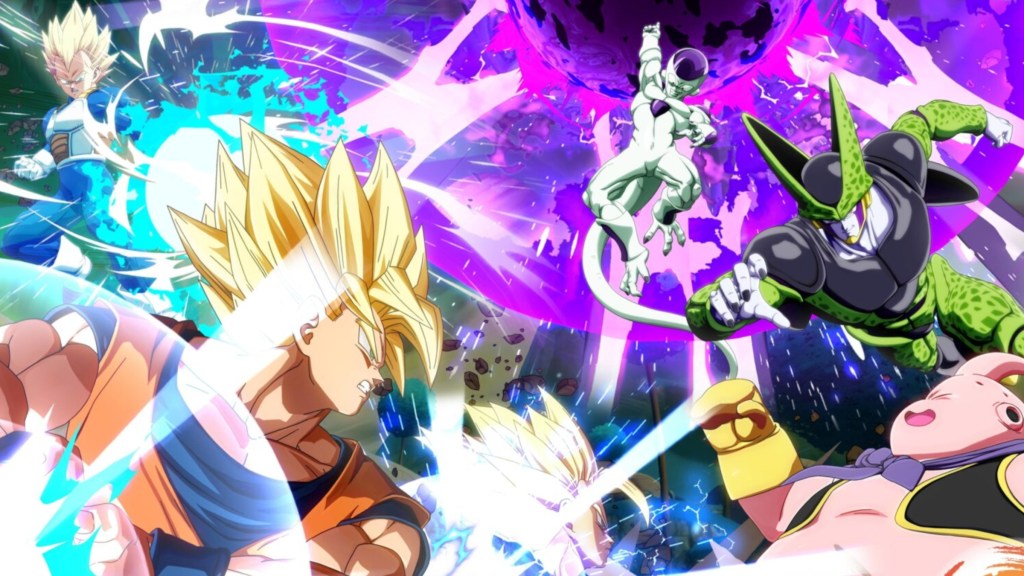
It doesn’t help that newer players will naturally feel overwhelmed in games like Invincible Vs. due to its 3v3 format. Tag team fighting games are harder to break into because you have to learn the intricate systems of three characters rather than one. On top of that, you have to worry about how your team’s fighters pair together, such as which assists work best with a particular character. Organizing your team in half the battle in a 3v3 fighting game, making it difficult for it to just pick up and start playing effectively.
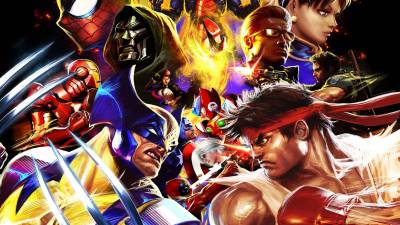
Even though “modern” fighting games want to attract the largest audiences possible, it’s impossible to prevent rage quitting due to the nature of the genre itself. The most successful fighting games don’t completely cater toward players who are going to drop matches, instead using exciting visuals or robust single-player content to keep those casual visitors invested. It remains to be seen how Invincible Vs. will solve the problems of its open beta, but in the end, a strong core audience can still make it an enjoyable fighting game.
What do you think about the abundance of rage quitters in Invincible Vs.‘ open beta? Leave a comment below or join the conversation in the ComicBook Forum!
More Gaming
-

Image Courtesy of Dreamworks -

Image Courtesy of Electronic Arts -

Image Courtesy of Electronic Arts