Gaming trends come and go over time. As with any commercial art form, there are game genres and aesthetic styles that come in and out of favor over time. It can feel cyclical, with older ideas often coming back in new forms thanks to new generations of creators who grew up on older, “out of date” material. Sometimes, these fresh takes on older ideas can connect with audiences, turning older ideas into new hits.
Videos by ComicBook.com
Sometimes, though, the new games can set off an entire genre resurgence. That’s what happened after New Super Mario Bros. landed on the Nintendo DS. Launching May 15, 2006, the fresh take on a side-scrolling adventure became an almost instant best-seller for Nintendo. More than revitalizing this style of Mario game, this twenty-year-old game helped bring back the side-scroller as a viable genre and set the stage for plenty of terrific modern classics.
New Super Mario Bros. Was A Perfect Retro Reimagining
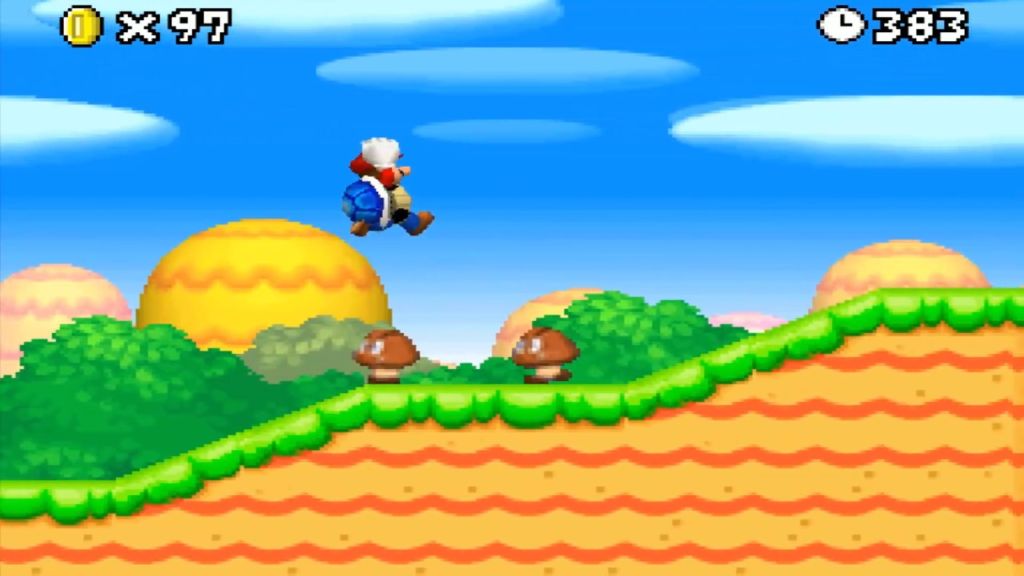
The desire to use old gaming concepts to create something new was a key element of New Super Mario Bros. development. Development on the game began when Super Mario Advance director Hiroyuki Kimura decided that the franchise needed a breath of fresh air instead of another remake. Although the game would use 3D models and the more vivid graphics made available by the Nintendo DS, the gameplay remained firmly rooted in the side-scrolling 2D style. New items, power-ups, and enemies added new variety to the gameplay, all while using the underlying platforming mechanics that the franchise had perfected decades earlier.
The first original 2D platformer starring Mario since 1992’s Super Mario Land 2 for the Game Boy, New Super Mario Bros. had very high expectations going into release — but the game blew those expectations out of the water. The game earned strong reviews from critics at the time, and players flocked to the game — leading it to become the best-selling game on the DS. It also currently ranks at 27th on the list of best-selling video games of all time, as well as the 11th best-selling Nintendo game ever at the time of writing.
New Super Mario Bros. Helped Set Off A Side-Scrolling Revival

While New Super Mario Bros. did a lot of work restoring the appeal of the classic Mario formula in a broader gaming audience, the biggest impact it really had on the industry was helping revive the 2D side-scrolling platformer. The genre had been a fixture of earlier consoles, but the move into 3D had reshaped the gaming landscape. Even the most prolific franchises that played with the genre found themselves shifting into three-dimensional worlds — including Mario. While the side-scroller still had some new entries every now and again, thanks to franchises like Castlevania, Metal Slug, and Mega Man, the genre had largely fallen by the wayside in the early 21st century. The critical and commercial success of New Super Mario Bros. did two major things for the industry: it proved the genre could still be refined with modern touches and that older franchises still had a space in the gaming landscape.
In the years since New Super Mario Bros. landed, numerous other games were released, intending to replicate that success. Sometimes it involved older properties like Contra ReBirth, Sonic the Hedgehog 4, and Rayman Origins getting a fresh coat of paint on their retro stylings. Other times, it was fresh games inspired by side-scrollers of old but with their own unique tweaks and elements. Each of them was successful in their own right, proving that the 2D approach could still work with modern graphics and tech. Each of these games highlighted how the 2D side-scroller could be something fresh and exciting.
The art styles that were available to developers could allow the games to embrace retro aesthetics like Cuphead’s throwback or expand on the pixel art design for lush worlds like in Shovel Knight. The style could be tweaked for creeping horror, as in Limbo, bombastic bloodshed with games like Super Meat Boy, or surprisingly bittersweet tales, like with Braid. Dead Cells, Katana Zero, Pizza Tower, Hollow Knight, Silksong, Ori and the Will of the Wisps, Bō: Path of the Teal Lotus, and countless other great games have all embraced the genre, finding creative ways to flesh out worlds and narratives while still utilizing (and even occasionally tweaking) the tried and true gameplay mechanics that have always made side-scrolling games so accessible.
New Super Mario Bros., beyond proving that Mario and his supporting cast remain iconic for a reason, also underscored just how much potential was still in the then-forgotten side-scrolling genre. It was a game that proved that nostalgia charm wasn’t the only reason to revisit the genre, and that modern gaming could benefit from looking more overtly to the past while charting its future. While there are other Mario games that sold better or have a bigger cultural footprint, New Super Mario Bros. helped revitalize an entire genre — and in the twenty years since, gaming has gotten a lot of great titles as a result.
More Gaming
-

Courtesy of Evil Empire