Pragmata has been a major success for Capcom, especially given its fresh identity. While the developer is best known for long-running franchises like Mega Man, Street Fighter, and Resident Evil, their latest hit has been a solid success for a new IP. Released on a AAA budget and given the support it deserved from the publisher for an extended development cycle, the game sold over a million copies in 48 hours while earning rave reviews from critics. That’s probably why, according to reporting from GamesRadar, Capcom USA COO Rob Dyer told the Interactive Innovation Conference that the success of Pragmata has created another IP for Capcom that “can continue to go down.”
Videos by ComicBook.com
While this is far from any confirmation for a potential sequel, it does highlight how easily the sci-fi game could be used as the jumping-off point for a new franchise continuing the adventures of Diana. It’s something that would be exciting on a certain level, given just how compelling that world was and how engaging the gameplay was. However, there’s something to be said for how well Pragmata works as a singular experience. While a sequel could be fun, the game is strong enough on its own that it doesn’t need one — and I’d be more excited to see the team continue to experiment with new ideas.
Pragmata Is A Great Example Of A Self-Contained Game
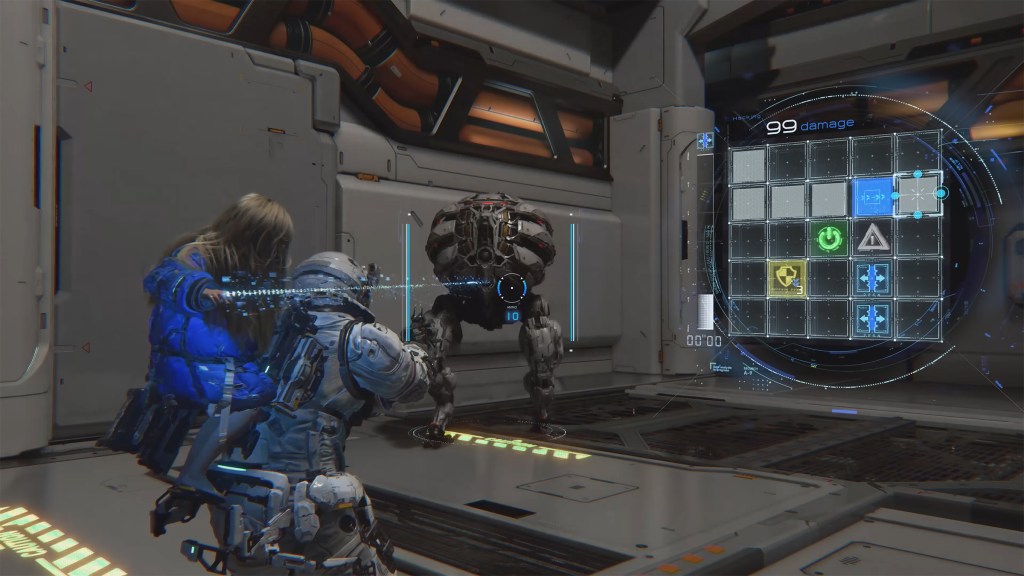
Pragmata was a great singular adventure, with a very fulfilling narrative arc that doesn’t necessarily call for a sequel or a franchise. The very core of Pragmata is the dynamic between the robotic child Diana and the gruff engineer Hughes, a relationship that develops over time from one rooted purely in survival into a friendly and even familial relationship. That bond extends beyond the plot points and cut-scenes, as their symbiotic approach to combat and exploration serves as the primary gameplay. It’s a very effective approach that easily flows into the game’s blend of hacking and shooting, while also giving the narrative an easy emotional anchor to connect with.
The game’s entire story is rooted in that relationship, to the point where the ending of the game feels as inevitable as it does heartbreaking. It’s a game that works perfectly well on its own, too. While there are lingering threads and secret post-credits beats that could be seen as sequel setup, they could also just be fun little touches that don’t need to be overexamined. The game’s themes about love and environmentalism almost work better as singular arcs, a tragedy that would feel cheaper if it were drawn out or expanded unnecessarily.
There is such a thing as a singular expeirence, without the need to franchise it. Diana could return for more stories, or a sequel could find a way to bring back Hughes, but the central emotional arc that made us care about them is resolved, and the future is purposefully open-ended. Trying to expand it unnecessarily feels like a risk to a perfectly good self-contained story. I really enjoyed Pragmata, but I don’t think we need another story that would risk undercutting the sweet story, empathic tone, and especially pitch-perfect ending.
I Want To See What The Team Behind Pragmata Wants To Do Next

Instead, what I want to see is the team from Pragmata tackle something new. While the development took years to finalize, the result was something deeply impressive on technical, narrative, and creative levels. One of the stated reasons for the six-year delay between the game’s initial announcement and formal release, at least according to reporting from Kotaku, was a result of a new development team needing to experiment with the formula and find its rhythm. However, the team continued to work at it and eventually settled on a great game. I want to see what the team behind Pragmata can do next, with all that new experience and fresh knowledge. I want to see how they would take inspiration from the hacking/combat fusion and use it to push the gameplay forward.
Instead of reiterating on what came in Pragmata, I want to see the team’s new ideas — even if the underlying fusion of puzzles and real-time combat remains central to the experience, I don’t want a retread of what made Pragmata feel unique. If Capcom really wants to push Diana as a new IP, then the success of Pragmata could allow other developers to expand the world with their own ideas for that universe. This could leave the team that made the original game the space to craft something new. Players want new games and fresh approaches to gaming — Pragmata is a big example of that, a fresh gameplay approach with a strong narrative core that felt new. I don’t want that success to just lead to Pragmata 2 but to something that feels just as new.
More Gaming
-
Courtesy of Shueisha