Every Pokémon adventure you embark upon across Generations of the series are defined by the region you find yourself in. Each region ever created for the mainline series is based on real locations around the world, with fictional landscapes matching the unique aesthetics of specific areas. Usually featuring sprawling urban marvels alongside a variety of breathtaking biomes to find new Pokémon, a region is the personality of a Pokémon game, with some being far more memorable than others.
Videos by ComicBook.com
Several spin-offs in the Pokémon series also have unique regions, such as the historical Hisuan region in Pokémon Legends: Arceus, meant to represent Gen 4’s Sinnoh region from the past. Although this list will only cover regions from the mainline games, spin-offs and ROM hacks oftentimes have incredible landscapes for players to explore. Yet, some regions carry a level of nostalgia that makes them worth seeing over and over again, either in remakes or other projects that take players back to memorable locations.
9. Galar Region (Gen 8)
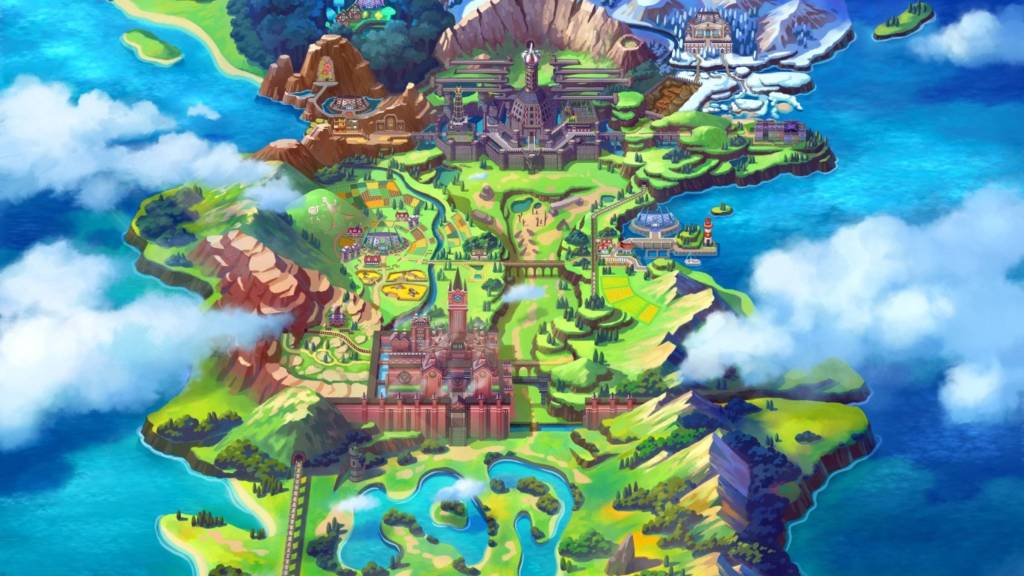
The Galar Region of Pokémon Sword and Shield is meant to emulate the United Kingdom, featuring rolling hills and large monuments meant to host the Gigantamax and Dynamax Pokemon of the region. Huge stadiums and castles fill this location, but the way it is desgined for exploration leaves a lot to be desired compared to past games. Everything in this game is very linear, with routes having little to no mysteries or incentive to explore off the beaten path.

Part of this is due to the region’s overall structure, which is a vertical countryside that you explore from bottom to top. Although an interesting idea, the steady approach to this region is restricted in many ways, with even the open Wild Area being surprisingly devoid of substance. Despite the cool new Pokémon of Gen 8 present in Galar, it doesn’t present its lore or history in coherent ways either, making them afterthoughts that can confuse players as they travel.
8. Paldea Region (Gen 9)
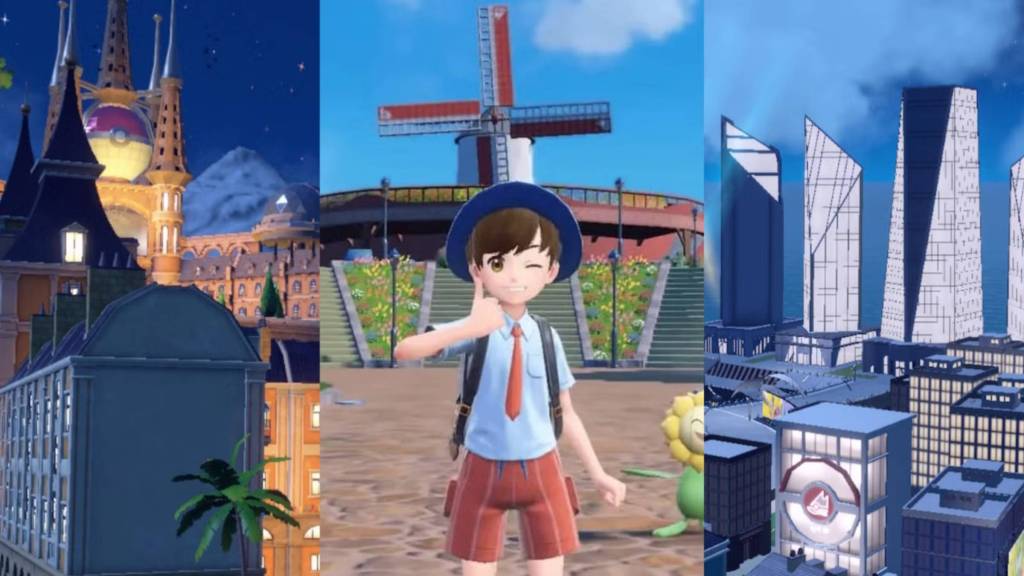
Despite having expansions within its The Teal Mask and The Indigo Disk DLCs, Pokémon Scarlet and Violet‘s Paldea region has some of the same problems as Galar. Based off regions from the Iberian Pennisula, such as Spain, Portugal, Andorra, and Gibraltar, Paldea has gorgeous landmarks organized into a somewhat open world. This was a first for the Pokémon series, but the open nature of the region made the locations you did visit feel somewhat hollow, which makes it hard to connect with the world itself.
As Pokémon Winds and Waves plans to adopt Paldea’s formula, it’s easy to remember the frustrations that came with its region’s design. Enemies not scaled to your level meant that the open world nature of Paldea was somewhat of a lie, with the game suggesting certain paths rather than free exploration. That being said, there are still enough varied locations in the game to make it interesting, such as the Great Crater in the center of Paldea. Performance issues and constant backtracking hold Paldea back, even if you have a mount to explore areas faster.
7. Kanto Region (Gen 1)
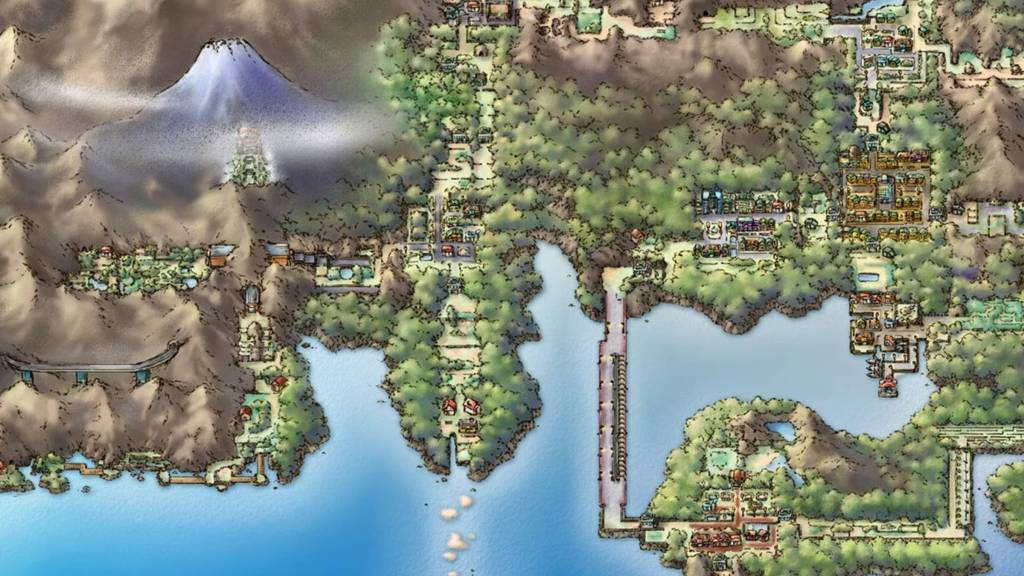
Meant to resemble the eastern Honshu areas of Japan, the Kanto region is iconic for starting the Pokémon series as a whole, with several iconic locations. Featured across several games, Kanto is memorable for its high population of urban environments, including large cities and settlements stretched across your map. Yet, its status as the first region in the series unfortunately means it has far less content than what would come after.

The simplicity of Kanto has its own charm, with areas like Lavender Town, the Power Plant, and Sevii Islands helping to expand the history and lore of the region through isolated locations. That being said, revisiting Kanto over and over again throughout different games has partially diminished the region’s original appeal. The evolution from 2D to 3D also didn’t do Kanto any favors, making the regions tough to explore in Pokémon: Let’s Go Pikachu or Let’s Go Eevee. The grid-like structure of Kanto is great for beginners to the series, but the region itself doesn’t do anything too special.
6. Johto Region (Gen 2)

The Johto region expands on the ideas from Kanto in many ways for Gen 2, but this region truly shines in the Pokémon HeartGold and SoulSilver remakes. Meant to mimic the Kansai region of southern-central Honshu in Japan, with some parts of western Chubu and easter Shikoku, Johto draws from a variety of inspirations to craft an intricate land. The cultural impact of Johto is far easier to see than other Generations, with some areas like Bell Tower in Ecruteak City or the Lake of Rage creating very memorable locations for players to discover.
Far more elements of Japanese culture help Johto shine, with cities having beautiful and deliberate designs meant to evoke real-world connections. However, the limitations of Gen 2 meant that Johto is extremely small compared to other regions, with its original landscapes being miniscule compared to future locations. The ability to re-visit Kanto in Gen 2 games often masks how small Johto is, and how dependent it is on the past, even if the world building is top notch.
5. Kalos Region (Gen 6)
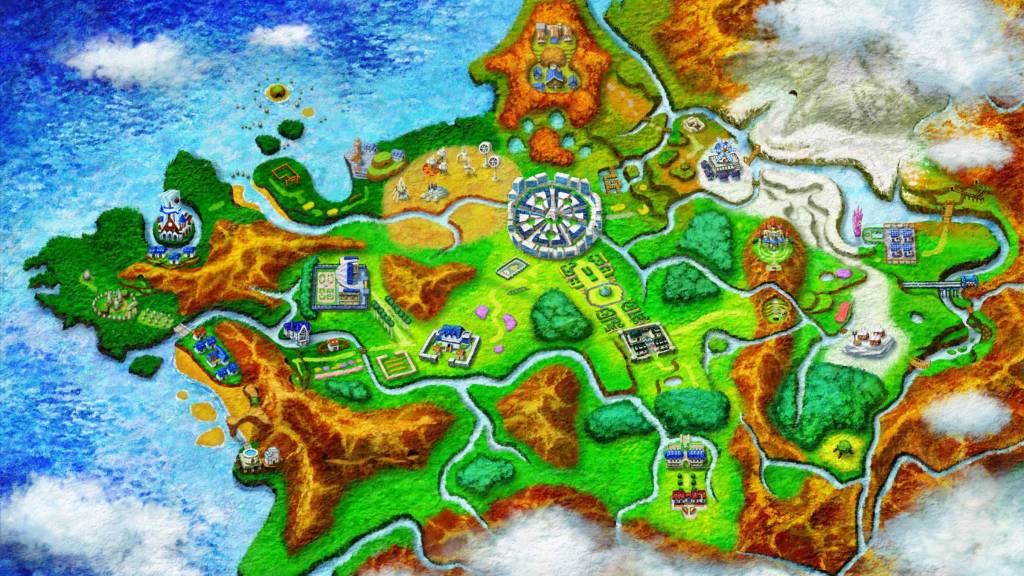
Although many fans have problems with Pokémon X and Y, there’s no denying that Gen 6’s transition from 2D to 3D was supported largely to how the Kalos region was constructed. Inspired by regions of France, areas like Lumiose City are meant to be like the metropolis of Paris, with its centerpiece Prism Tower meant to be the Eiffel Tower of the Pokemon world. Later seen as the only location of spin-off Pokémon Legends: Z-A, Lumiose City is but one of several impressive locations that make Kalos a great region to explore.

Tons of world building help craft Kalos into a region rich with lore, with players able to dive deep into areas with their own style. Beautiful natural landscapes, such as The Glittering Cave or Santalune Forest, also have layers of detail to them only possible through the jump into 3D. A taxi system in Gen 6 makes areas easy to backtrack to as well, giving players more opportunities to explore Kalos at their leisure. The emphasis on urban culture with boutiques, cafes, and other 3D environments helped solidify Kalos as a instantly recognizable region.
4. Unova Region (Gen 5)
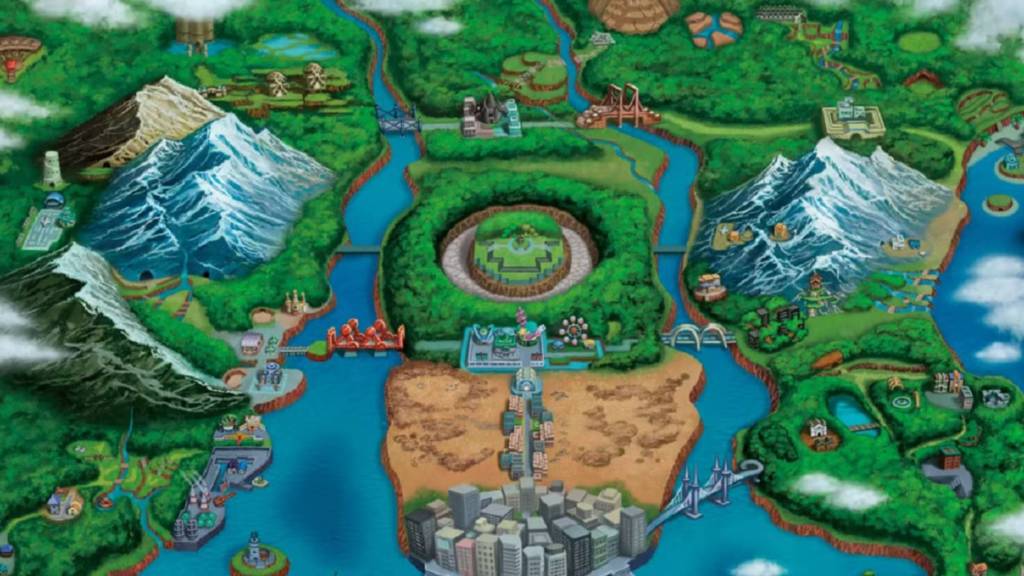
Unova is the first region to be based on an area of the world outside of Japan, taking direct inspiration from North American locations like New York City. Featured in Pokémon Black and White, as well as its sequels, Unova is the most urbanized region in the series, but it acts as a fresh start for the franchise that is supported through how its grid-like region is desgined. Instead of grassy routes, you travel across paved roads, sprawling city streets, airports, and centers of art and entertainment that make Gen 5 truly feel alive.
Natural landscapes have layers of history to them despite the urban environment, with large castles dedicated to deep conflicts that run at the core of Unova’s surprisingly deep story for a Pokemon game. Unova truly feels lived-in compared to other regions, with NPC characters constantly walking the streets of cities and making locations feel lived in. Rarely do you feel alone in Unova, as it has dense populations of characters even in areas more suited for natural discovery of Pokemon, whether it be dense forests or mysterious desert ruins.
What makes Unova special, however, is how it changes your camera perspective to make aspects of the world feel larger than life. The entirety of Castelia City alone makes building seem as tall as skyscrapers, with your character being a tiny spec in the larger city. Similar depictions of scale are seen while running on connected bridges or traveling up dense mountainous caves, giving Unova extra character as you explore the region. With everything combined, Unova’s only thing holding it back is how linear its progression is, rarely giving you reason to leave a straightforward path.
3. Hoenn Region (Gen 3)
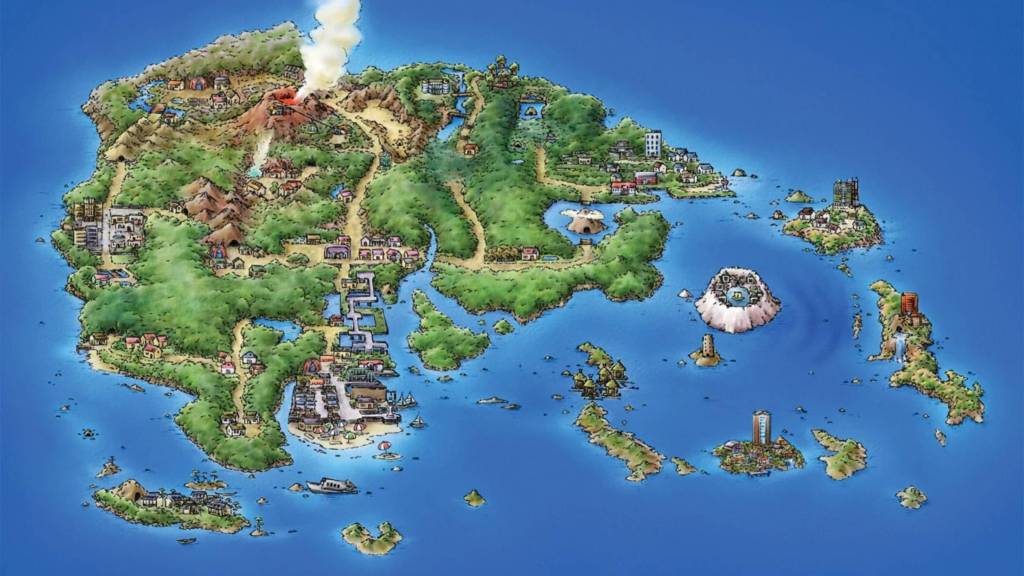
“Too much water” is often a misleading statement about Pokémon‘s Hoenn region from Gen 3, as the aquatic nature of this landscape enhances its themes rather than making the location dull. The idea of land vs sea is apparent in Hoenn through its central conflict between the Legendary Pokémon Kyogre and Groudon, with games like Pokémon Ruby, Sapphire, and Emerald highlighting how the region was shaped by those Pokémon. The remakes Omega Ruby and Alpha Sapphire go into this idea further, while making the region shine even more through new forms of travel.

The vibrancy of Hoenn is reflective of Japan’s Kyushu region, the southernmost of Japan’s four islands, including nearly areas like Okinawa as well. Some areas of Hoenn are almost tropical, with places like Sootopolis and Pacifidlog Town showing off settlements in the ocean itself that feel completely unique compared to other Pokémon locations. Ashen landscapes from volcanic mountains were paired with tall jungle grasses and dynamic weather, making Hoenn feel like a constantly shifting force of nature, much like the Pokémon who created it.
2. Alola Region (Gen 7)
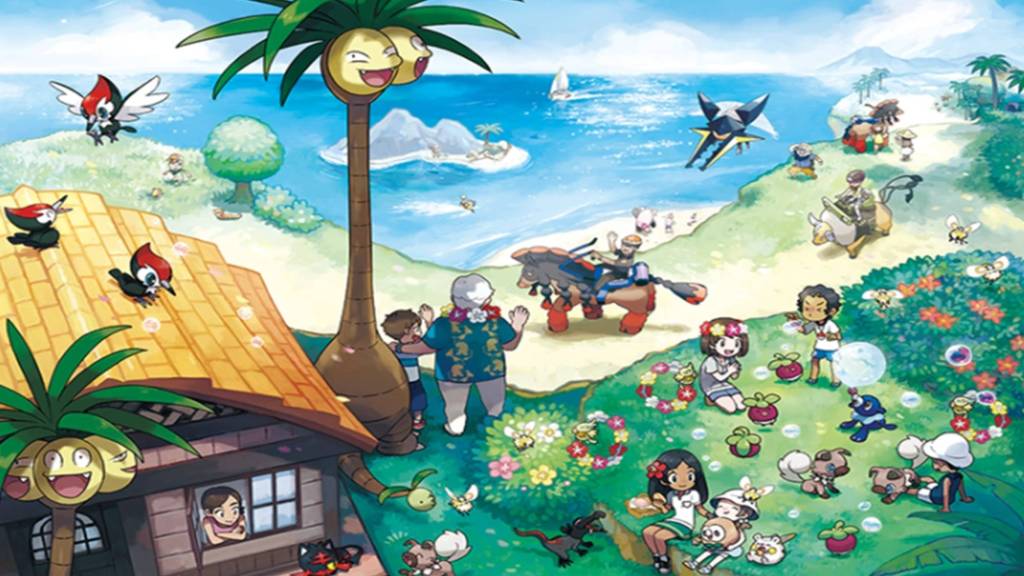
The Alola region might be Pokémon‘s boldest departure from “traditional” regions to date, featuring a set of islands rather than a unified landmass. Meant to represent the state of Hawaii in the United States, Alola took quite a number of bold steps, from ditching the usual Gym structure of past games to introducing regional variant forms to classic Pokémon in Pokémon Sun and Moon. These factors make Alola exciting to roam around, with small open spaces that players could explore at their own pace.
Environmental world building have kept Alola as a distinct evolution of what Gen 6 did before it, refining the 3D look to be better than the series had ever been. Pokemon Ultra Sun and Ultra Moon took Alola’s ideas further, even if the islands were somewhat linear in how players approached them. Unlike other regions, Alola’s traditions and culture are an integral part of the location that players learn over time. This connection between a classic Pokémon tale and regional identity helps players feel engrossed in Alola, more so than most regions ever achieve.
1. Sinnoh Region (Gen 4)
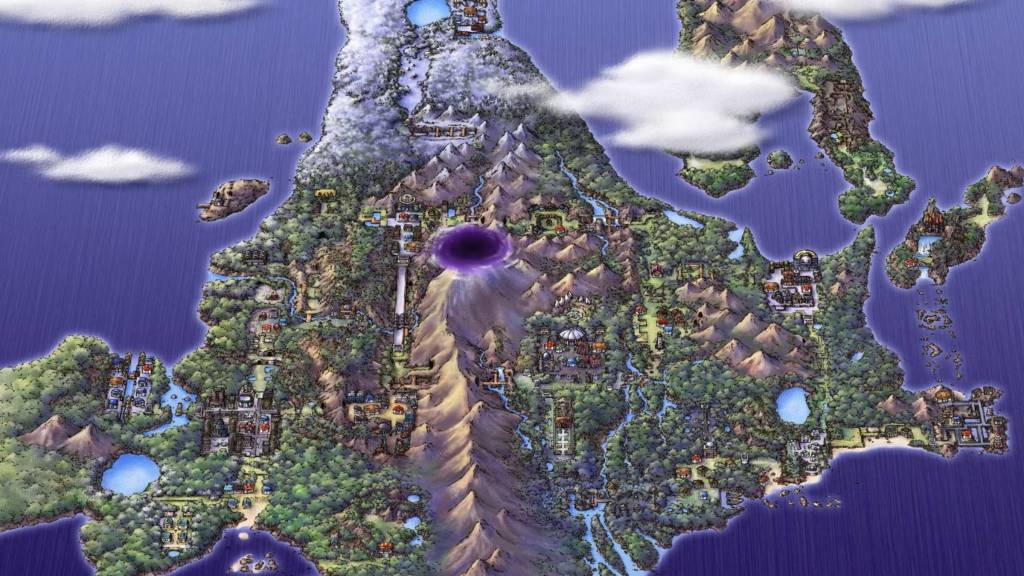
Sinnoh is arguably the most diverse region Pokémon has ever made, featuring nearly every type of biome a fictional world could have for an experience that appeals to all types of players. For Pokémon Diamond, Pearl, and Platinum, Sinnoh is a region with the most world building possible, constantly showing players new pieces of how the location has evolved over time. Secret locations and hidden details are innumerable here, especially once you hit Gen 4’s extensive postgame, which expands Sinnoh in new ways.
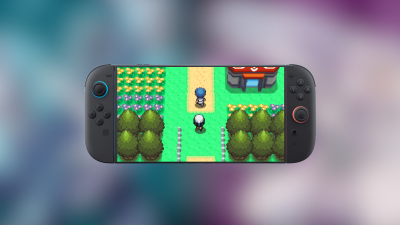
Many different Legendary Pokémon create pockets of Sinnoh worth discovering, but even its central structures are a sight to behold. The infamous Mount Coronet splits Sinnoh in half, but divides the region in a way that creates multiple areas with their own personalities. From the dense snows of Snowpoint City to the tranquil Eterna Forest, Sinnoh has great variety, which results in every player having their own favorite spot.
Similar to regions like Unova and Kalos, Sinnoh also has great urban atmospheres through its cities and towns. Jubilife City is a hub for trade and technology, Hearthome City is a bustling epicenter of Sinnoh’s culture, and Sunyshore City is a thriving port town built on solar panels and docks. Each area of Sinnoh is memorable in its own way, easily making the region the best in the Pokémon series for its wealth of great locations.
What is your favorite region in the Pokémon series? Leave a comment below or join the conversation in the ComicBook Forum!
More Gaming
-

Courtesy of The Pokemon Company