Any successful IP is always on the verge of being reused, reimagined, or remade. It’s just a reality of mass media, where brand recognition can help catch attention amid a thousand other options. The problem is that this underlying approach can have serious effects on how storytelling in mass media is handled and whether it gets the chance to actually play out as it should. Especially in gaming, there are plenty of iconic characters whose story has felt complete, only to see them brought back out for a new sequel or a fresh reboot.
Videos by ComicBook.com
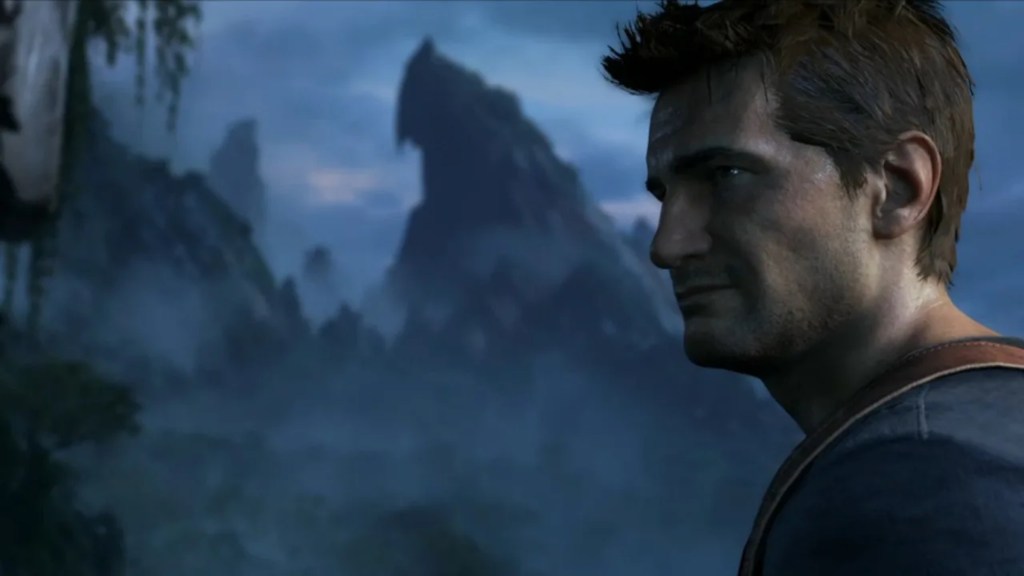
Especially in the AAA space, there’s only been a real handful of notable characters and franchises in modern gaming who have escaped that fate. A decade later, one of the most notable remains Nathan Drake. The star of the Uncharted series that became synonymous with the PS3 and PS4, Nathan Drake’s adventures came to an end a decade ago on May 10th, 2016, with Uncharted 4: A Thief’s End. Designed very much as a finale for the character and the series at large, that game’s successful sense of closure — and the fact that the studio hasn’t felt the need to revisit the character since — highlights how important a good ending can be to a big series.
Thief’s End Was A Perfect Ending For Nathan Drake’s Story
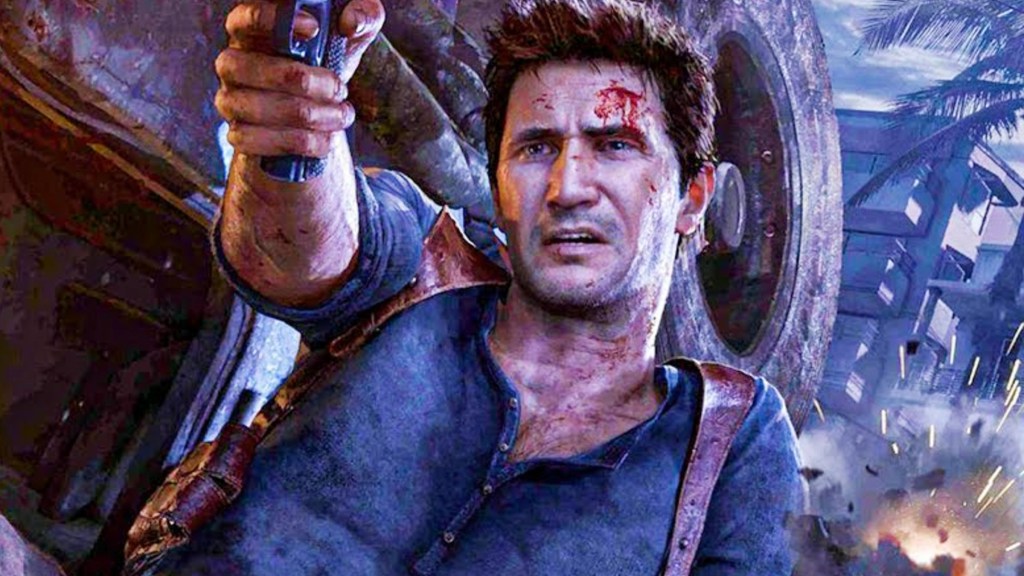
Released ten years ago today, Uncharted 4: A Thief’s End remains the prime example of how a huge series can go out on a high note and stay that way. A Thief’s End was the fourth mainline entry in the Uncharted series, following the adventures of Nathan Drake and the other treasure hunters in his orbit as they traveled around the world in each game. As the final entry in the series, Uncharted 4 doesn’t really try to reinvent the wheel at all, instead leaning harder into the emotional dynamics and the narrative set-pieces that had largely been the appeal of the games. The trick is that the series as a whole had been so driven by the narrative by this point that it felt like a fitting conclusion instead of dull.
The game plays with the origins of Nathan by introducing Sam Drake, Nathan’s presumed-dead older brother — bringing him into a new adventure that brings back fan favorites like Emily and Sully while pitting them against threats like Rafe Adler and Nadine Ross on the search for a massive collection of pirate treasure. Sam proves to be a clever addition to the cast, someone who could have potentially been frustrating but quickly proves to be a solid foil to Nathan, forcing him to confront his own character growth and former motivations. It makes sense as a final conflict, one that proves how much Nathan has changed. With a solid narrative focus and tight (if fairly simple) gameplay that benefits a broad appeal, Thief’s End serves as a good send-off for the character that feels the right level of cinematic to match the heights of the rest of the series, with the ending that leaves the door open for other adventures but serves as a good final chapter in Nathan’s story.
Sometimes, A Series Needs To End On A High Note
Video games, as with any narrative art form, need catharsis and conclusions to feel complete. However, as with many forms of mass media, the reasons to keep a character recurring even after their story is done have resulted in plenty of long-running franchises running out of steam or employing multiple reboots. There’s something to be said for letting a story conclude and moving on to the next one, though. It’s something that helps solidify the best narratives in gaming history, giving their characters full arcs instead of just leaving their futures open for another adventure.
Look at characters like Master Chief or Marcus Fenix, who had clear throughlines for their character arcs and yet return for multiple games to help keep their franchise alive. At least Marcus moves to a supporting role to leave room for other narratives; Halo‘s attempts to give Master Chief closure always fell apart. Modern games have felt more confident in telling conclusive stories, but Uncharted 4: A Thief’s End really highlighted how satisfying a true ending to a game series can be. There hasn’t been a formal Uncharted game since then, outside a side-story expansion for Uncharted 4 focusing on Chloe and Nadine and re-releases of the previous games.
Even a decade later, Naughty Dog has let the character lie as they shifted focus to new stories. It made the conclusion feel justified and wholly earned on an emotional level by giving Nathan himself closure. It even found a way to leave the door open for other games or spin-offs. Especially in eras of endless games with little plot or continuous remakes of classic characters, it’s heartening to remember that the AAA space still has the room to tell emotionally satisfying stories that have the confidence to end — and that Uncharted 4 proved how effective that can be.
More Gaming
-

Courtesy of Unknown Worlds -
Final Fantasy VII Console Heroes Diorama -

Image courtesy of Square Enix