When it comes to the “Soulslike” genre, players usually envision action RPGs within a dark fantasy framework, with a suitable level of challenging battles and deep character builds through personal customization. The various play styles and settings of Soulslike games have evolved a lot over the years, leading to excellent variations of the subgenre outside of developer FromSoftware’s approach. However, that studio remains the ultimate pioneer in its approach to action RPGs as a whole, with one title first establishing its formula with a number of risky design choices.
Videos by ComicBook.com
Everyone remembers the first Dark Souls to some degree, as it is largely considered a masterpiece that helped create the Soulslike sub-genre in action RPGs. Games like Lies of P, Bloodborne, Elden Ring, Lords of the Fallen, and Black Myth: Wukong wouldn’t exist without Dark Souls‘ influence, but some fans forget that it isn’t the first action RPG FromSoftware ever made. In fact, Dark Souls owes a lot of its best features to what came before, as refinements from FromSoft’s first attempts allowed that game to thrive.
Demon’s Souls Released In 2009 To Start Developer FromSoftware’s Jump Into Dark Fantasy Action RPGs
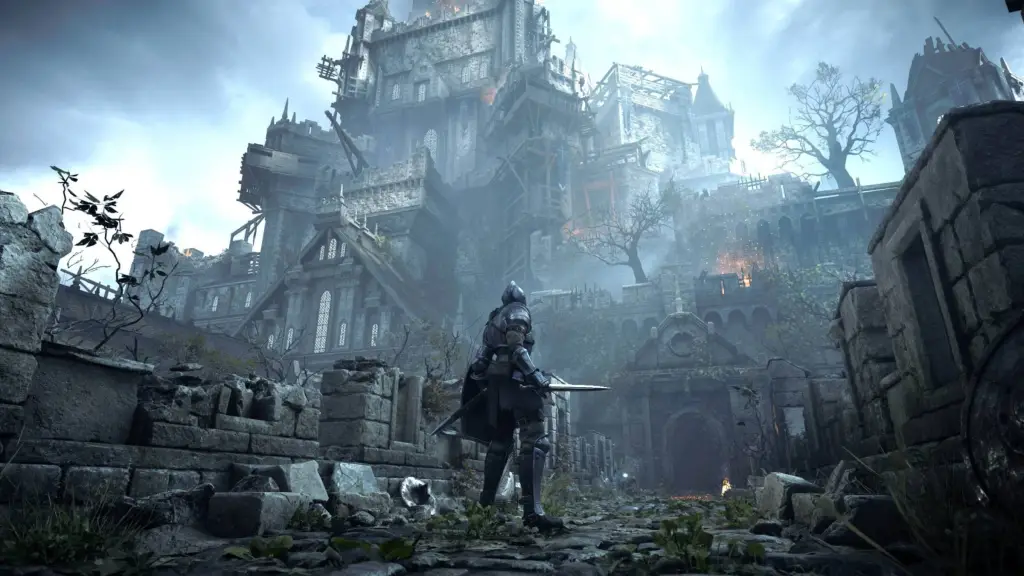
Demon’s Souls released on October 9, 2009 in North America, after coming out first in Japan back in February of the same year. 11 years before the Demon’s Souls remake became the selling point and launch title for the PlayStation 5 in 2020, Demon’s Souls came out on the PlayStation 3 as a niche action RPG that developed a strong following. Initial reviews for Demon’s Souls were full of praise, with many citing the game’s unique setting and unforgiving nature compared to other titles releasing at the time. In an era dominated by lengthy tutorials and too lenient checkpoints, Demon’s Souls difficulty was a breath of fresh air.
Many critics were pleasantly surprised by Demon’s Souls‘ quality, with its uncompromising and old-school hardcore design being a huge selling point. The darker atmosphere of the game was unlike not just other action RPGs, but plenty of other titles coming out around the late 2000’s in general. The difficulty of the game never felt unfair to players either, encouraging smart play and slow learning of game systems to avoid error rather than creating unintuitive features players had to work around. Passive multiplayer elements, such as the ability to leave messages on the ground or invade other players’ games, also added a unique appeal most single-player experiences didn’t offer.
Demon’s Souls wasn’t without its flaws, though, as the game had a number of issues players pointed out when it released. For starters, the camera and enemy targeting systems were all over the place, lacking the refinement Dark Souls and later games would have. In addition, frame rate issues and general hardware problems on the PS3 were a common problem you just had to deal with. Other features, such as Demon’s Souls‘ World Tendency mechanic that changed enemy difficulty, were also incredibly obtuse, and wouldn’t return within other FromSoft projects.
Dark Souls Would Not Exist Without The Tropes Established In Demon’s Souls First
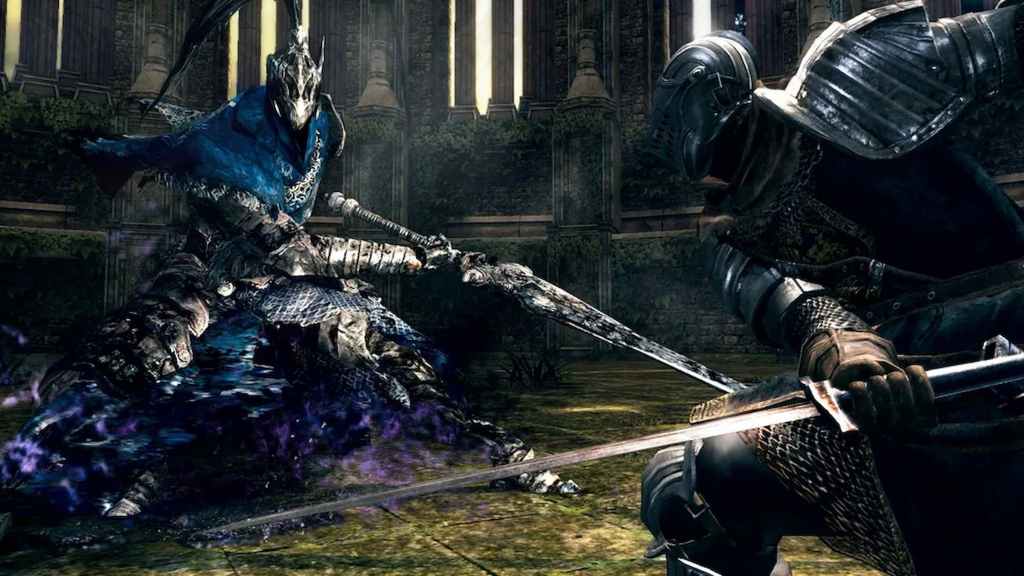
In almost every way, Demon’s Souls‘ big swings are what made Dark Souls into the masterpiece it’s often described as, from the combat and character building to the interconnected level design. Demon’s Souls had players access various worlds through a hub area called The Nexus, with adventures tied into how they explored new areas. Players could unlock shortcuts and ways to work through worlds faster, mimicking the nature of paths connecting back to safe zones in Dark Souls and future Soulslike games.
At the same time, Demon’s Souls solidified the Soulslike structure of having permanent consequences for death that could be devastating under different circumstances. Much like Dark Souls, Demon’s Souls established the infamous “Souls” system, where players gained Souls as an in-game currency/resource for defeating enemies and bosses. Dying made you lose all the Souls you accumulated, representing a real and tangible threat for failure besides just going back to a save point. The lack of save states in Demon’s Souls meant that players could not go back to “fix” mistakes, creating a rigid demand for players to take responsibility for their actions.
This was a big risk for the era of gaming Demon’s Souls existed in, as players routinely were used to games holding their hand or not dishing out real punishment for certain choices. Killing a vendor NPC in Demon’s Souls meant they would never come back, as the game auto saved at different points to keep your choices forever. This is where the real difficulty of the Souls series lies, rather than in the idea of challenging bosses. The open-ended nature of Demon’s Souls meant that players were constantly immersed with what choices they were making, whether it was statistics for character builds or how they interacted with levels, enemies, and NPCs.
High Difficulty & Complex Character Building Systems Would Become A Staple Of The Popular Sub-Genre
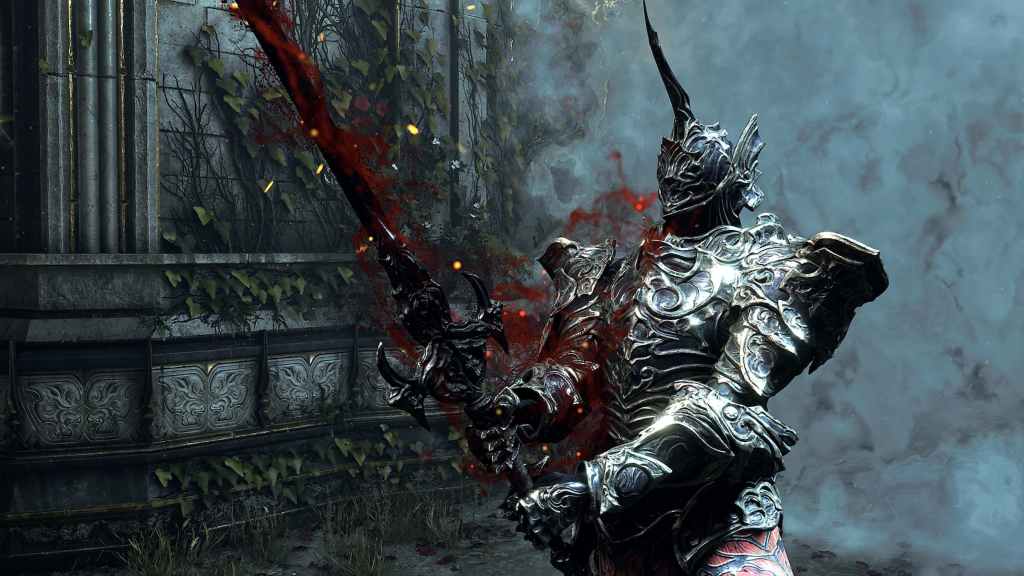
The blueprint made by Demon’s Souls ensured that future Soulslike games were defined by atmospheric, interconnected, and difficult worlds that had strong identities for players to connect with. Some players still prefer the original Demon’s Souls over the PS5 remake for this reason, as the visuals and presentation of that game’s world are so synonymous with that style of action RPG that exists now. Limited resource systems, stat-based character customization for unique play styles, and challenging boss fights are all terms players associate with Soulslike titles, but those tropes were part of Demon’s Souls first.
Although Demon’s Souls was perhaps the roughest version of the Soulslike formula, its bold desire to create something different is what allowed it to grow. By having punishments for player actions and not forgiving mistakes, this game set a trend that emulated the difficult coin-eating nature of some truly fantastic arcade titles from a decade prior. The Soulslike genre truly begins with Demon’s Souls, leading to FromSoftware iterating on what it created to make some of the best action RPGs ever developed.
Have you played and enjoyed any version of Demon’s Souls? Let us know in the comments below!
More Gaming
-
Courtesy of 343 Industries -

Image Courtesy of Sony Interactive Entertainment -

Courtesy of Embark Studios -

Image Courtesy of Sony Interactive Entertainment