For years, I have loved the ideas behind gacha games far more than the games themselves. The genre is filled with incredible anime art direction, huge fantasy worlds, flashy combat systems, and character-driven storytelling. Games inspired by Japanese RPGs and anime often create some of the most visually striking experiences in modern gaming. But after enough time with daily login systems, stamina mechanics, limited banners, and endless monetization hooks, the excitement starts to wear thin. It becomes difficult to fully enjoy exploring these worlds when every system feels designed to pull players back into another grind cycle or tempt them into spending money on the next character release.
Videos by ComicBook.com
That is why Dragon Sword Awakening immediately caught my attention. The upcoming July release began development as a live service gacha game before shifting into a fully single-player offline experience with no microtransactions. Fans have already started calling it the “Gacha-less Genshin Impact,” and honestly, that description perfectly explains why so many players like me are excited. We have already seen major anime-style projects like Arknights: Endfield and Neverness to Everness generate huge attention this year, but a focused offline RPG with the scale and style of a modern gacha game feels like something the industry desperately needs, and Dragon Sword Awakening might finally deliver it.
Dragon Sword Awakening Looks Like the Anime RPG Fans Have Been Asking For
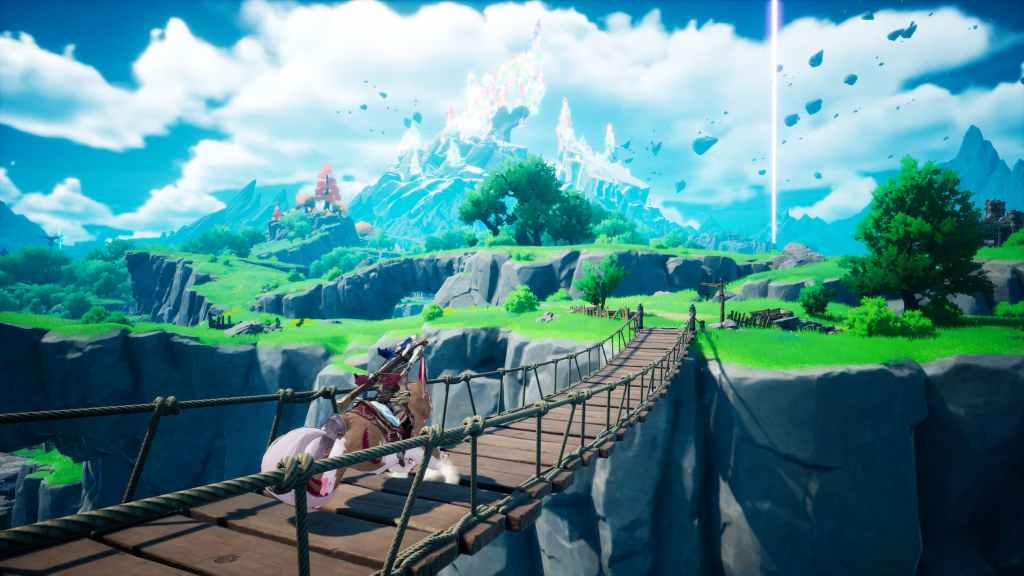
At first glance, Dragon Sword Awakening immediately looks familiar to fans of modern anime RPGs and could easily be mistaken for Genshin Impact. The game features a massive open world, vibrant fantasy environments, fast-paced combat, and a colorful cast of heroes. The world itself looks genuinely impressive. Built in Unreal Engine 5, the Continent of Orbis is designed as a large anime-style fantasy setting filled with meadows, caves, dungeons, hidden treasure locations, and coastal regions to explore.

But what separates it from many competitors is the complete removal of the monetization systems that usually dominate games like this. Instead of funneling players toward limited-time events or rotating banners, the game appears focused entirely on adventure and exploration. That shift alone already makes it stand out in a crowded genre. This is what excites me most: a gacha game that does away with the microtransactions, the FOMO, and the need to constantly grind the game. Modern gacha games often struggle because they try to be endless, forever games and have to compete with one another for players’ time. But Dragon Sword Awakening is taking a fresh spin on this genre.
The story setup also feels refreshingly classic in the best way possible. Players follow Lute, a young boy traveling toward Orbis, the first kingdom built by humanity. Along the way, he becomes involved with Johnny, a mercenary, and Castella, an Elf, before getting pulled into a much larger conflict involving the return of a Dragon that once nearly destroyed the continent sixty years earlier. It has the structure of a traditional fantasy RPG instead of a constantly evolving live service narrative designed around seasonal updates, showing that it is designed as a complete adventure from beginning to end.
The Combat System Could Be the Genre’s Biggest Surprise
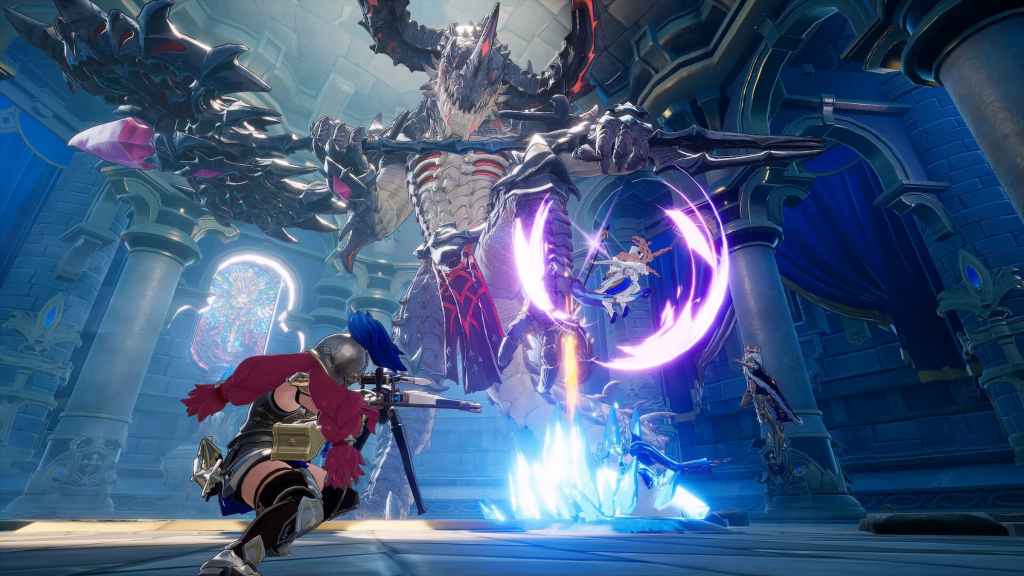
While the game’s lack of microtransactions is getting most of the attention right now, and why it stands out to me the most, the combat system might actually become its strongest feature. Dragon Sword Awakening centers around status ailments, team synergy, and stylish tag-team combos that encourage constant switching between heroes during battles. This applies to its cast of 19 playable heroes, each with unique aspects and gameplay. The depth in Dragon Sword Awakening feels like the satisfying gacha games that came before, but with the refinement of a single-player title.
Dragon Sword Awakening layers many interesting features in its combat beyond its heroes. Players can stack status ailment abilities, use active skills, and trigger powerful signal skills for flashy and powerful combos. The “Switching Signal” mechanic especially stands out. Instead of combat revolving around cooldown management or maximizing damage rotations from rare premium units, the system appears built around experimentation and team composition. That could give the game far more depth than people expect.
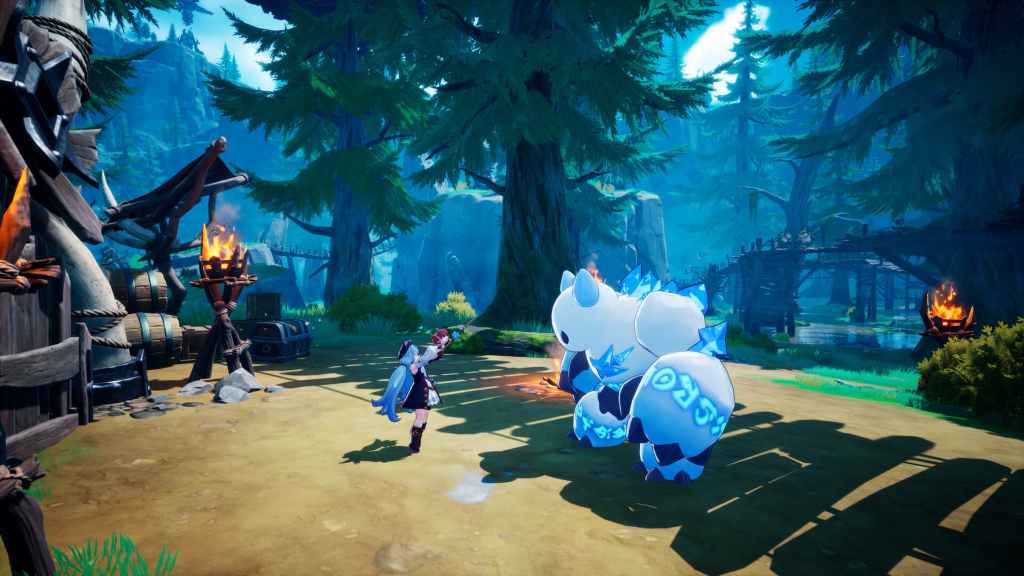
The companion systems also add another layer to exploration and combat. Players can travel alongside allies and collectible companions known as Familiars that assist during the journey. Outside of battle, the game also includes life-sim style activities like cooking with gathered ingredients, helping residents, and interacting with towns across Orbis. Those systems help make the world feel alive instead of simply acting as a series of combat zones connected by quest markers.
A Gacha-Free Future Could Change the Entire Genre
Dragon Sword Awakening feels important because it represents a different future for anime-style RPGs and gacha games. For years, the genre has been dominated by aggressive monetization systems filled with energy mechanics, premium currencies, limited banners, and endless progression grinds. Even great games often become exhausting because players spend more time managing systems than simply enjoying the adventure itself. This is what has kept me from enjoying games like Arknights: Endfield and Neverness.
That fatigue is becoming impossible to ignore. Plenty of players love anime RPGs but avoid new gacha games because they already know the cycle. The excitement of discovering characters and exploring beautiful worlds eventually gets replaced by repetitive grinding and constant pressure to spend money. That is why Dragon Sword Awakening feels so refreshing. The game keeps the massive anime-style open world, cinematic presentation, and fast-paced combat associated with modern gacha titles while removing the microtransactions entirely. Instead of chasing rare pulls, players can focus on exploration, combat, and story progression.
The game’s fantasy story also feels rooted in classic RPG design. The return of the Dragon after sixty years, Lute’s journey across Orbis, and the search for the six legendary Heroes all give the adventure a nostalgic feel while still looking modern through its beautiful presentation. Right now, Dragon Sword Awakening feels like the exact kind of game many anime RPG fans have been waiting for, and if it delivers on its promise, it could push more developers to rethink the future of the gacha genre. Sure, removing many of the gacha features may disqualify it from this genre, but I think its roots firmly started here, and it can at least show a different route for it.
What do you think? Leave a comment below and join the conversation now in the ComicBook Forum!
More Gaming
-
Image Courtesy of Sony Interactive Entertainment