Open-world RPGs have become one of the most popular genres because they give players the freedom to lose themselves in massive worlds filled with exploration, combat, factions, and difficult choices. Games in this genre often succeed when they create the feeling that every path could lead to a new discovery. Over the years, a few titles became defining examples of that formula, like The Elder Scrolls V: Skyrim or The Witcher 3: Wild Hunt. These have inspired countless developers to build worlds where player decisions, atmosphere, and exploration matter just as much as combat.
Videos by ComicBook.com
One of my favorite examples of this is Drova: Forsaken Kin. The open-world RPG clearly draws inspiration from games like The Elder Scrolls V: Skyrim and The Witcher 3: Wild Hunt, but many players overlooked it because of its pixel art presentation and top-down perspective. But beneath its retro-inspired visuals is an excellent RPG filled with strong worldbuilding, rewarding exploration, challenging combat, and surprisingly well-written storytelling. Instead of trying to imitate modern cinematic RPGs directly, Drova: Forsaken Kin channels classic role-playing design philosophies while still feeling modern, mechanical, and unique.
Drova: Forsaken Kin Captures the Spirit of Classic Open World RPGs
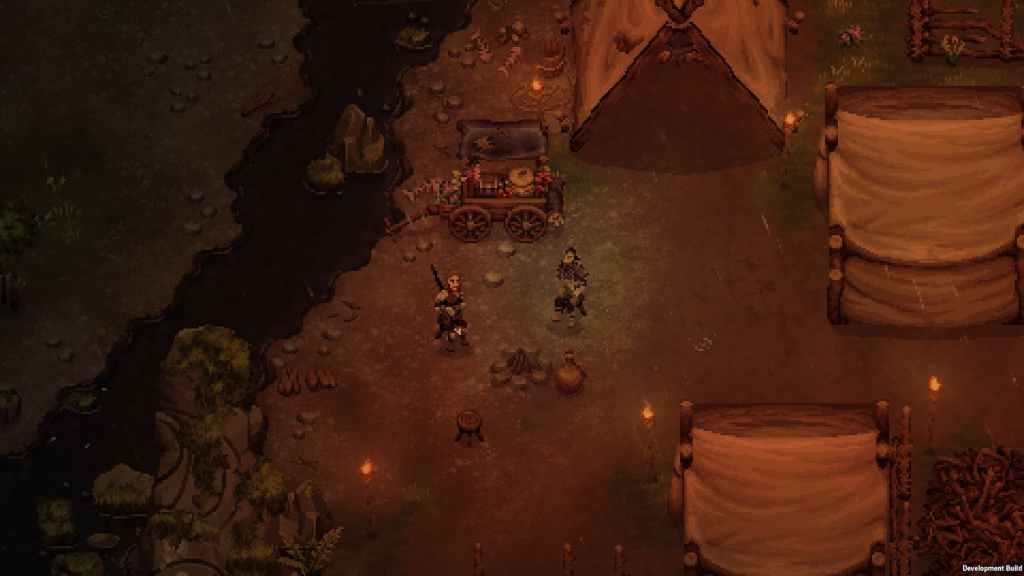
One of the first things that stood out to me about Drova: Forsaken Kin was how quickly it captured that same sense of freedom I remember feeling the first time I wandered away from the main road in Skyrim. Instead of pushing players from marker to marker, the game simply lets the world exist around you. I spent my first few hours ignoring quests entirely, stumbling into forests, caves, and settlements that felt genuinely dangerous but impossible to resist exploring. Its dark fantasy setting, heavily inspired by Celtic mythology, creates a harsh world shaped by political conflict, ancient powers, and supernatural forces, and every region feels naturally connected to the larger lore rather than built purely for side quests.
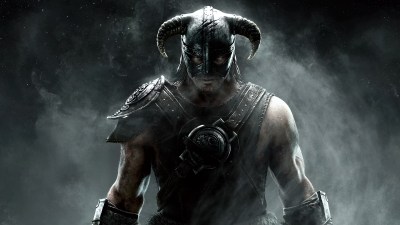
The faction system also reminded me of older RPGs that trusted players to make difficult decisions without obvious good or bad outcomes. At one point, I found myself siding with a group simply because their ideals sounded reasonable, only to later realize the consequences were far more complicated than I expected. That moral ambiguity gives the world a believable edge many modern fantasy RPGs lack. Every faction feels like it has its own history, priorities, and flaws, which makes the choices feel meaningful instead of cosmetic.
What I appreciated most, though, was how little Drova holds the player’s hand. Modern open world games often flood maps with icons and tutorials, but Drova trusts players to experiment and learn naturally. I still remember wandering into an area far above my level and getting completely overwhelmed within minutes. Instead of feeling frustrating, it made the world feel authentic and dangerous. Returning later with better gear and finally surviving those encounters created one of the most satisfying feelings of progression I’ve had in an RPG in years.
The Gameplay and Exploration Are Surprisingly Deep
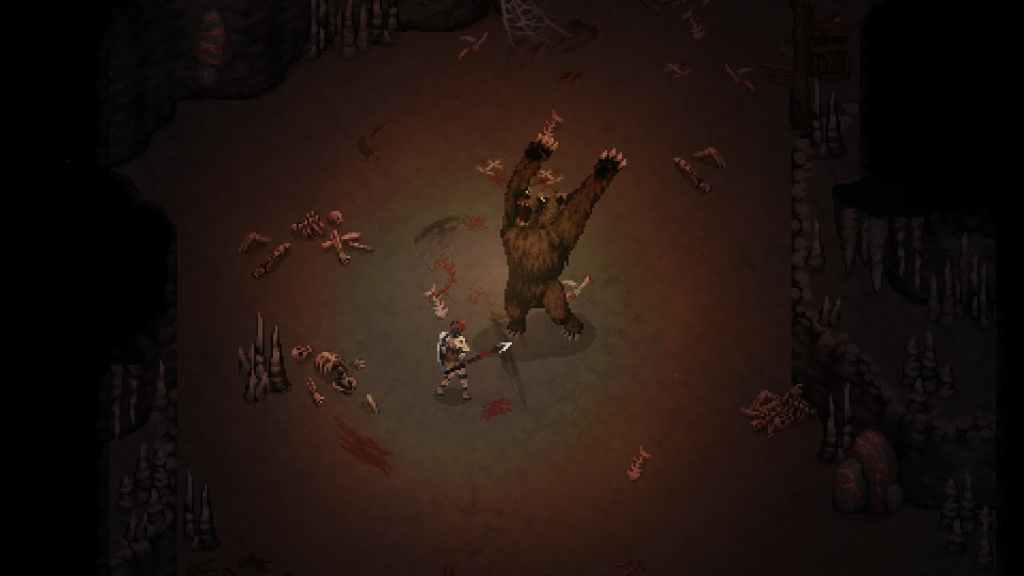
Many players initially assume Drova: Forsaken Kin is a smaller or simpler RPG because of its pixel art style, but the game is far more ambitious than it first appears. Combat relies heavily on timing, positioning, stamina management, and preparation rather than mindless button mashing. Early on, I made the mistake of wandering into a dangerous area with poor equipment and quickly got overwhelmed, which immediately reminded me of the harsher progression systems found in older RPGs. That difficulty creates real tension during exploration because every encounter feels like something players need to think through carefully.
Character progression is equally rewarding because the game gives players plenty of freedom in shaping their build over time. Skills, gear, and faction choices all influence how combat and exploration play out, making progression feel personal instead of linear. I found myself constantly adjusting my approach depending on the enemies and areas I was exploring, which made experimentation surprisingly addictive. Fans of RPGs with flexible progression systems will likely appreciate how much control Drova gives players over their character development.
Exploration is easily one of the game’s strongest features. Hidden paths, environmental storytelling, dangerous ruins, and optional encounters consistently reward curiosity in ways that reminded me of wandering off the main road in The Witcher 3. More than once, I planned to follow the main quest only to spend another hour exploring caves or investigating suspicious ruins because the world kept pulling me deeper. The pixel art visuals also deserve far more credit than they often receive, with detailed forests, villages, and ancient ruins creating a moody atmosphere that makes discovery feel genuinely rewarding.
The Story and Writing Are Better Than Many Players Expect
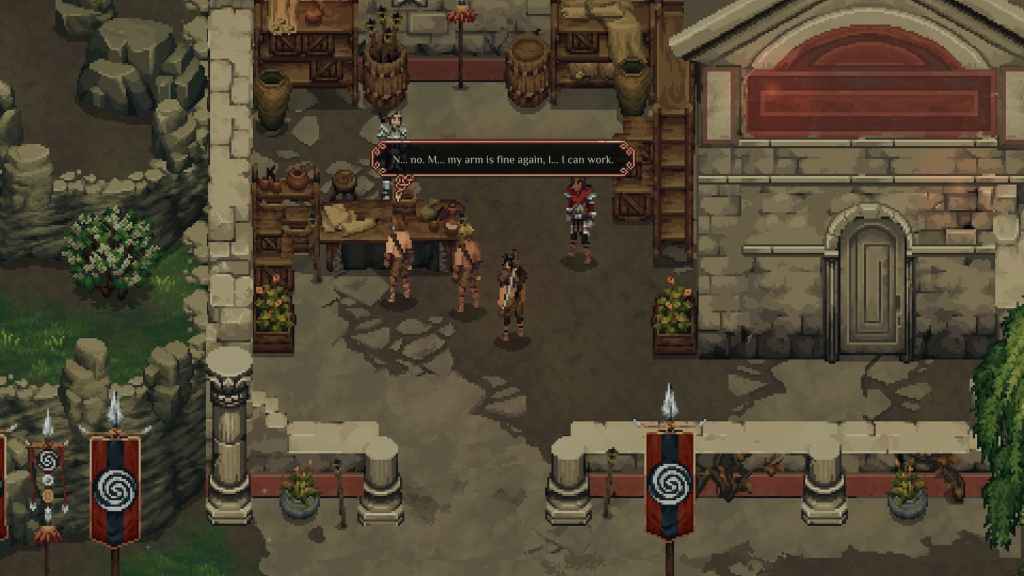
One of the biggest surprises in Drova: Forsaken Kin is how strong the writing actually is. Many indie RPGs focus almost entirely on gameplay systems, but Drova invests heavily in worldbuilding, dialogue, and character interactions. The story explores themes like power, survival, belief systems, and humanity’s relationship with ancient forces, while its factions avoid feeling purely heroic or villainous. I found myself second guessing several major decisions because every group had understandable motivations, which made the world feel far more believable and immersive than I expected going in.
The characters and dialogue also help the setting feel genuinely alive. Relationships evolve naturally as the story progresses, and conversations often reflect the political and cultural tensions shaping the world around you. What stood out to me most was how the darker fantasy tone never becomes exhausting or overly cynical. Even in the middle of dangerous regions and brutal conflicts, there are still small moments of warmth and humanity that give the story emotional balance. That subtle writing reminded me why smaller RPGs sometimes feel more immersive than massive AAA games that rely heavily on cinematic spectacle.
The comparisons to Skyrim and The Witcher 3 make sense because Drova captures many of the same feelings that made those games memorable: exploring dangerous lands, uncovering hidden stories, shaping your character, and navigating morally complex factions. At the same time, it never feels like a simple imitation. I came away appreciating how confidently the game embraces its own identity instead of chasing bigger RPG trends. By combining classic RPG design with modern storytelling and exploration systems, Drova: Forsaken Kin quietly became one of the most underrated fantasy RPGs I’ve played in years.
What do you think? Leave a comment below and join the conversation now in the ComicBook Forum!
More Gaming
-
Image Courtesy of AdHoc Studio -

Courtesy of IllFonic