The late 90s were a turning point for games, as many developers were transitioning into 3D worlds. New genres were forming, and familiar characters were being reimagined in new, bold ways. And one of the leaders of this revolution was Nintendo. It released one of the best games of all time with The Legend of Zelda: Ocarina of Time, and this wasn’t the only genre-defining game it released. However, the game I am thinking of may not have had the same impact at release, but it would have led to what is easily the most ambitious and biggest series in all of gaming.
Videos by ComicBook.com
Super Smash Bros. on the Nintendo 64 was released on April 26th, 1999, and brought a unique perspective to the fighting game genre. Instead of simply being a 2D fighter like most games of the genre, it implemented Nintendo’s history of platforming and created the platformer fighting genre. Yet despite this, it seemed simple on the surface, a small fighting game featuring characters from across Nintendo’s library. No one could have predicted that years and years down the road, it would bring together some of the biggest icons in gaming history.
Super Smash Bros.’ Humble Beginning Changed Everything
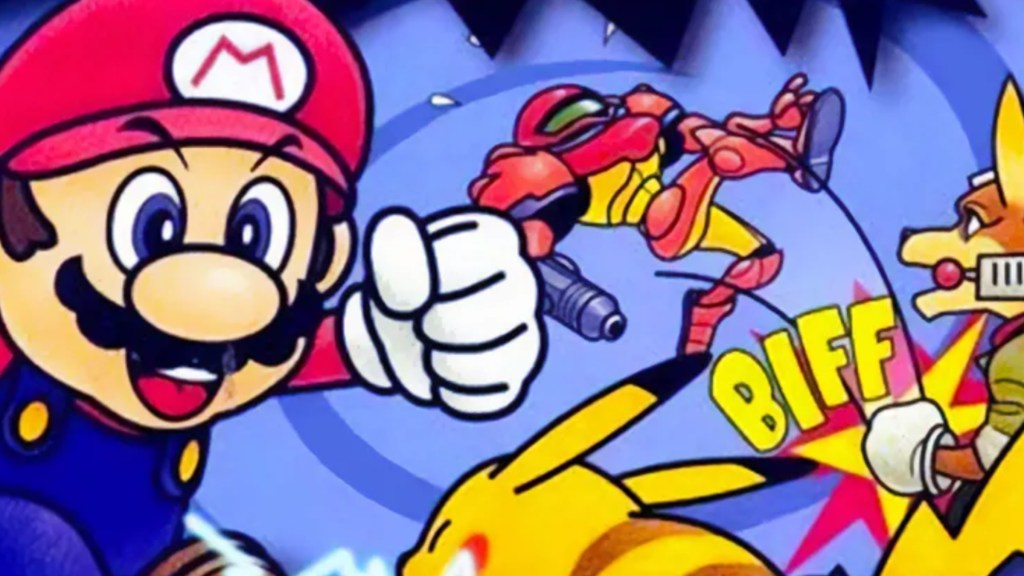
When Super Smash Bros. first launched on the Nintendo 64, it did not feel like a massive industry event. The roster was small, the stages were limited, and the concept itself was surprisingly straightforward. You had characters like Mario, Link, and Pikachu fighting each other in a platform-based arena. At the time, it was a novel twist on the fighting game genre, but nothing revolutionary. Today, it does not hold up well at all, showcasing its dated graphics and clunky gameplay.

But it was certainly fun back then. I spend hours playing the game with my brother. Link and Yoshi were my mains, at least until I discovered you could unlock Jigglypuff. And that was what made it special: the interaction between characters that had no business being together. While the mechanics were different from other fighting games, focusing on knocking opponents off the stage rather than draining a health bar, it was the novelty of seeing Mario and Pikachu throwing hands that made Super Smash Bros. special.
Looking back, this crossover seemed less important because the roster was made up of Nintendo’s characters. But it opened the door for the series, and eventually Nintendo wouldn’t settle for just its IPs. Super Smash Bros. proved that crossover fighting games could work, and that players enjoyed seeing familiar characters share the same space. Without that initial success, the series would never have had the opportunity to grow into what it is today.
Expanding Beyond Nintendo
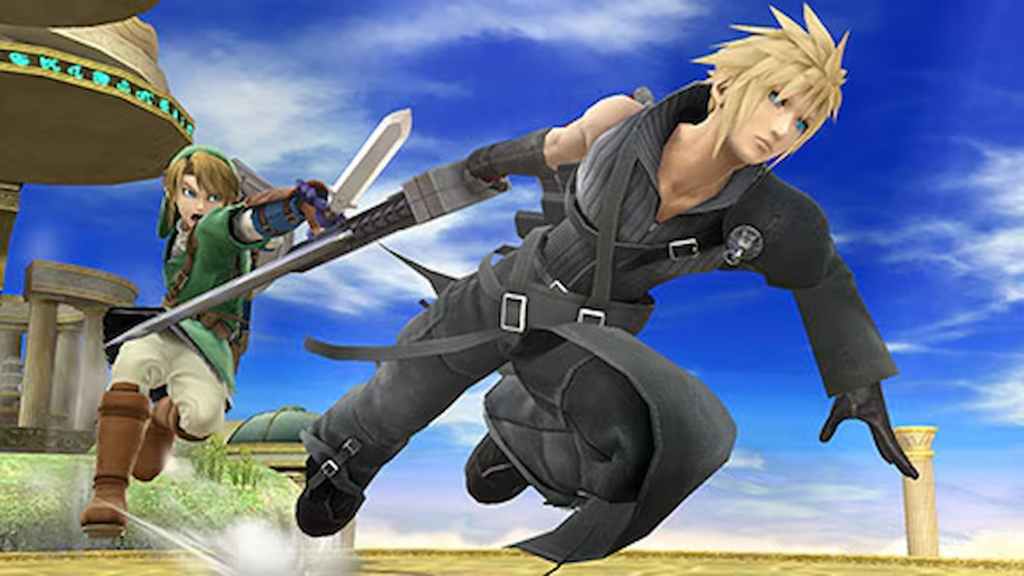
As the series moved forward with entries like Super Smash Bros. Melee and Super Smash Bros. Brawl, it began to evolve rapidly. The gameplay became faster and more technical, the rosters expanded, and the stages became more dynamic. Each new release was built on the last in a way that felt deliberate and exciting. But it was Super Smash Bros. Brawl on the Wii that changed everything. While new characters were added, Nintendo pulled from its own library. That is, until this entry shocked everyone.
When Solid Snake and Sonic the Hedgehog were revealed for Super Smash Bros. Brawl, I was completely shocked. Even as someone who didn’t care for either franchise, I couldn’t believe that I was seeing these third-party characters appear in a Nintendo game. This shift changed the identity of the series. It was no longer just a Nintendo crossover. It became a celebration of gaming as a whole. Developers from different companies were now contributing to a shared project, something that had rarely been seen at this scale. It set a new standard for collaboration in the industry.
Super Smash Bros. Wii U + 3DS continued this trend. Mega Man, Pac-Man, Ryu, and even Cloud Strife were added to the roster. The latter proved to be the most exciting and impossible, but it showed how much impact the series had on gaming. Expectations for it and future characters seemed to have no limit, and fans speculated for years what third-party characters would join Super Smash Bros. for its next entry. Polls went up, debates were had, but the actual characters added to Super Smash Bros. Ultimate continued to shock players.
Super Smash Bros. Ultimate Is Peak Crossover
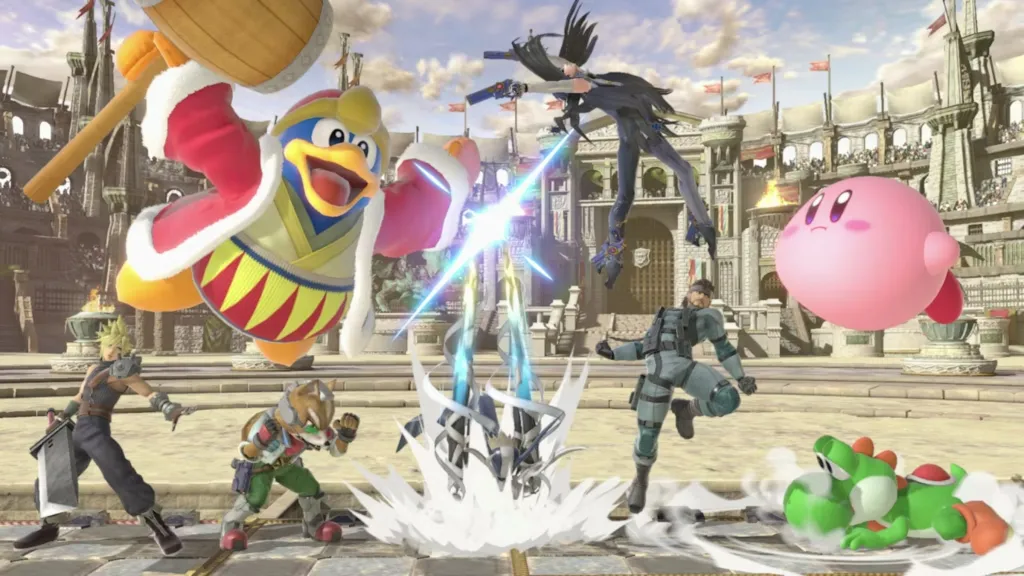
All of this growth led to Super Smash Bros. Ultimate, which was released on the Nintendo Switch and pushed the concept further than anyone expected. The game’s tagline, “Everyone is here,” was not just marketing, but a promise that every character from previous entries would return, alongside new additions from across gaming history. Nintendo didn’t just pull from its own games, but it brought in third-party characters like never before.
Ken, Simon & Richter Belmont, Joker, Banjo & Kazooie, Terry Bogard, Minecraft Steve, Sephiroth, Kazuya Mishima, and even Sora all took the stage to duke it out with Nintendo’s best. Playing Super Smash Bros. Ultimate felt like stepping into a museum of video game history. You had characters from some of the most iconic franchises in history, all represented in one place. The only other game that has achieved this level of crossover is Fortnite, but even this feels lacking in comparison to Ultimate.
The lead-up to Super Smash Bros. Ultimate felt like a fever dream. Every reveal was an event, and the discussions around each new character showed just how much this series means to players. It became more than a fighting game. It turned into a celebration of the medium itself, bringing together fans from different communities. And if the roster wasn’t enough, Super Smash Bros. Ultimate’s mechanics felt the best they ever had, making the game more accessible while still offering the depth longtime fans loved.
What makes this achievement even more impressive is how it functions as a cohesive game. Ultimate maintains strong mechanics, balanced gameplay, and a clear sense of purpose. It doesn’t let itself skimp out on the most important aspects and rely on star power to draw players in. Whether you prefer playing as a classic Nintendo character or one of the shiny new ones, you can see the love and attention to detail that goes into every character to respect their source series. That balance between ambition and execution is what sets it apart from other crossover attempts and makes Super Smash Bros. one of the most ambitious series of all time.
What do you think? Leave a comment below and join the conversation now in the ComicBook Forum!
More Gaming
-
Image Courtesy of AdHoc Studio -

Courtesy of IllFonic