CD Projekt Red has built its reputation on making enormous RPGs that can dominate conversations for years. The Witcher 3: Wild Hunt remains one of the most celebrated role-playing games ever made, while Cyberpunk 2077 has transformed from a disastrous launch into one of the studio’s biggest success stories. With both game’s sequels on the horizon, expectations are understandably enormous. Unfortunately, that’s precisely where CD Projekt Red could run into trouble.
Videos by ComicBook.com
Following up on a beloved game is difficult enough, but the expectations surrounding blockbuster sequels have become increasingly unreasonable by pretty much every metric. The consumers want bigger an better everything that somehow surpass everything else that came before. Publishers and investors want those games to be even more commercially successful, too. When a studio has already delivered something extraordinary, trying to outdo it can become an incredibly expensive gamble. CD Projekt Red is effectively facing a business model that increasingly expects every success to be surpassed by the next.
The Witcher 4 Doesn’t Need to Be Bigger Than The Witcher 3 to Be Better
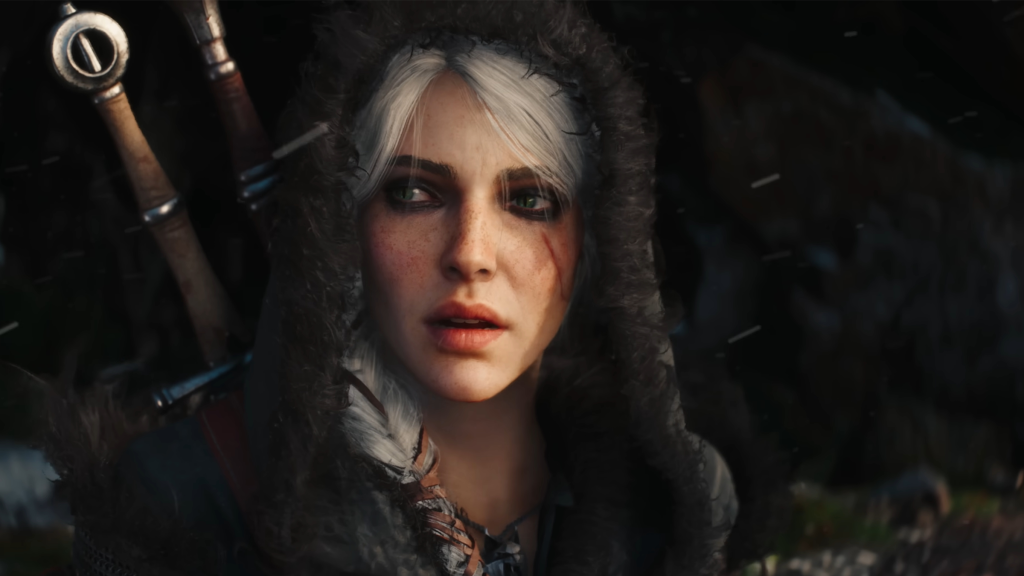
The Witcher 3 is an incredibly difficult game to follow up with, given its tremendous success from day one, and a franchise legacy that already has a ton of traction. Its world is enormous without feeling entirely empty, and its quests regularly demonstrate how much storytelling can be packed into even seemingly insignificant encounters. It established a standard for open-world RPGs that developers are still trying to match. Naturally, fans want The Witcher 4 to deliver more, but better: that same magic, just meatier in every possible regard. But there’s a real danger in assuming the only way to accomplish that is by making everything bigger.
A larger map doesn’t necessarily make for a more interesting world, just as adding more quests doesn’t guarantee that players will remember them. The Witcher 3 already offers hundreds of hours of content, and its strongest moments aren’t necessarily the ones that involve the most elaborate systems or enormous set pieces. They’re often the smaller stories that give its world context and personality. Trying to surpass the game by simply adding more of everything could make its successor feel bloated rather than ambitious. The next Witcher doesn’t need to overwhelm players with an even larger checklist of activities. In reality, it just needs to give compelling reasons to care about the world itself.
That is certainly a difficult distinction for any major studio to make when expectations are so sky high. Players naturally want a sequel to build upon what made its predecessor special, and there’s nothing wrong with wanting meaningful improvements. However, there’s a difference between refining an established formula and trying to outdo every aspect of a previous game. The Witcher 4 could benefit far more from a carefully considered world and stronger storytelling than from a development process centered on making every feature larger than life.
Gaming’s Biggest RPGs Are Becoming Increasingly Difficult to Sustain

This problem extends well beyond The Witcher 4. Cyberpunk 2077 has its own enormous legacy to contend with, especially after years of updates and the success of Phantom Liberty helped reshape the game’s reputation. Cyberpunk 2 will inevitably be compared to every aspect that experience, from the game’s release, to any updates to recieves. Everything about it will be carefully scrutinized, good or bad. Even so, there’s already a substantial amount of anticipation surrounding what CD Projekt Red might accomplish next, and once a franchise reaches a certain level of popularity, expectations for its next installment can grow far beyond what made the original successful.
The problem is that blockbuster development has become an increasingly demanding business. Larger teams and longer production schedules all contribute to the bottom line cost of making modern AAA games. Investments create opportunities for developers to accomplish things that would have been unthinkable a generation ago, but they also raise the stakes considerably. When a game takes years to make and requires an enormous budget to produce, selling millions of copies might not be enough to satisfy the expectations surrounding it. Studios can find themselves chasing increasingly ambitious commercial targets simply to justify the resources required to bring their projects to life. Such a cycle would be difficult to maintain, especially when every new release is expected to surpass the last.
CD Projekt Red has already experienced what happens when expectations and reality collide with Cyberpunk 2077, and no doubt a monstrously large lesson was learned. Its recovery is an impressive achievement, but the next generation of RPGs shouldn’t have to carry an even heavier burden simply because the studio managed to turn things around. The Witcher 3 and Cyberpunk 2077 were major successes for different reasons, and trying to recreate those achievements through sheer scale could undermine what made them special.
Do you think blockbuster RPGs need to keep getting bigger, or is it time for studios to rethink what makes a sequel successful? Feel free to share your thoughts in the comments below!
More Gaming
-
Image Courtesy of Ubisoft -

Courtesy of Rockstar Games