Fighting games have always reflected the era they were born into. Arcades shaped their early design, home consoles expanded their reach, and competitive scenes kept them alive long after credits rolled. Some series adapted and evolved, finding ways to remain relevant across generations, while others had a moment in the spotlight before fading. Today, when people think of fighting games, titles like Street Fighter and Tekken dominate discussions.
Videos by ComicBook.com
For players like me who grew up during the late 1990s and 2000s, there were several fighting game series to choose from, but some of them were inseparable from that time. They offered something different from the genre’s established norms, whether through mechanics, presentation, or sheer personality. One of the most memorable examples is Bloody Roar, a fighting game series that blended traditional mechanics with a bold transformation system. Despite its popularity and distinct identity, it has not received a new mainline entry in over twenty years.
Bloody Roar and Its Unique Identity
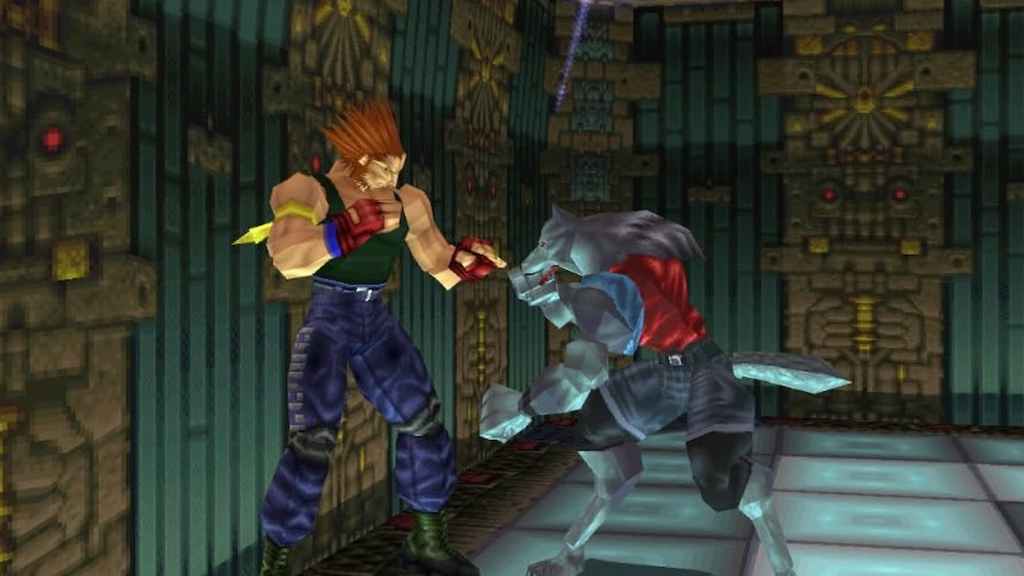
Bloody Roar stood out immediately to me because it dared to be different. First released in 1997, the series introduced the concept of fighters transforming into powerful beast forms mid-match. These transformations were not cosmetic or visual effects. They altered movesets, increased damage, and introduced new tactical layers that fundamentally changed how matches played out.

I still remember the first time I triggered a beast transformation. The shift in momentum felt dramatic and cinematic. It instantly solidified the game as incredible in my eyes. Matches in Bloody Roar had depth I’d never seen before. It wasn’t just about landing combos but about timing, resource management, and pressure. Holding onto your transformation until the right moment could completely flip the outcome of a fight.
Beyond mechanics, Bloody Roar had a distinct tone. Characters were stylized but grounded, blending anime-influenced designs with a darker edge. Each fighter had a clear identity tied to their beast form, whether it was a wolf, tiger, or chimera. This thematic consistency helped the series stand apart in a crowded genre.
How It Compared to Other Fighters of Its Era

During its peak, Bloody Roar existed alongside giants like Tekken and Soulcalibur. These games defined 3D fighting for an entire generation and continue to do so today. Tekken emphasized precision and execution, while Soulcalibur focused on weapon-based combat and fluid movement. Between the two, it was understandable why so few fighting game fans remember Bloody Roar, which occupied the same space but differentiated itself.
While it shared the 3D plane, Bloody Roar’s combat felt faster and more aggressive. Ring outs were replaced by environmental damage. Defensive play often gave way to explosive offense. The beast system encouraged momentum shifts that were less common in its peers. Bloody Roar embraced raw intensity. This made it particularly appealing to players who wanted a fighting game that felt immediately thrilling.
Unlike Tekken, which steadily built competitive depth, or Soulcalibur, which prioritized elegant weapon combat and narrative, Bloody Roar leaned into spectacle without sacrificing mechanical integrity. However, that strategy may have worked against it in the long term. As the fighting game community became more tournament-focused, balance and longevity became critical. Tekken, Soulcalibur, and other fighters like Street Fighter continued evolving, while Bloody Roar struggled to find a place in a shifting market.
Why Bloody Roar Deserves a Return

The last mainline entry, Bloody Roar 4, was released in 2003. Despite a solid reception, the series quietly disappeared afterward. But now, the modern fighting game landscape is more diverse than ever. Nostalgia-driven revivals have proven successful, from classic franchises returning with modern mechanics to full remakes that honor their roots. This era feels ideal for a Bloody Roar revival.
A remake or new entry could refine the beast system with modern balance philosophies. Online infrastructure could give the series the competitive longevity it never fully achieved. Most importantly, its core concept remains fresh as no other major fighter offers transformations that meaningfully alter gameplay mid-match in the same way.
There is also a clear audience. Players who grew up with the series are eager for its return, and younger fans are more open than ever to unconventional fighters. A well-executed Bloody Roar comeback could bridge generations, much like recent revivals of other legacy franchises. With new hardware, transformations could be more impressive than ever and showcase the game’s main draw.
More than two decades later, the absence of Bloody Roar feels like a missed opportunity. Its identity was strong. Its mechanics were innovative. And its legacy still resonates. In a genre that thrives on reinvention, few series are better positioned for a meaningful return. Nothing would please me more than to see one of my most beloved fighting series return triumphantly in a space dominated by names that existed for decades.
What do you think? Leave a comment below and join the conversation now in the ComicBook Forum!
Most Viewed
-

Courtesy of Sony Pictures Animation / McDonalds -

Courtesy of Viz Media -

Courtesy of Crunchyroll