Some of the most addicting experiences in your favorite games are the mini-games it creates, allowing you to start and finish a separate experience entirely. The more amount of detail a mini-game has, the more you can get lost in it as you try to master the details behind an immersive part of the larger game it’s a part of. Sometimes, it’s easy to get lost in the “games within games,” with some even being fun enough to create spin-off titles of their own.
Videos by ComicBook.com
Some mini-games are incredibly straightforward, but others have their own complex set of details that are completely separate from the gameplay of the game they’re in. While not necessarily the most innovative games of all time, the right mini-games have core loops that stand well on their own, sometimes from emulating other full titles. Whether acting as a nice distraction, an Easter Egg, or the highlight of a certain game, these mini-games can help whatever world you’ve jumped into feel more lived-in.
5. Wolfstone 3D (Wolfenstein 2: The New Colossus)
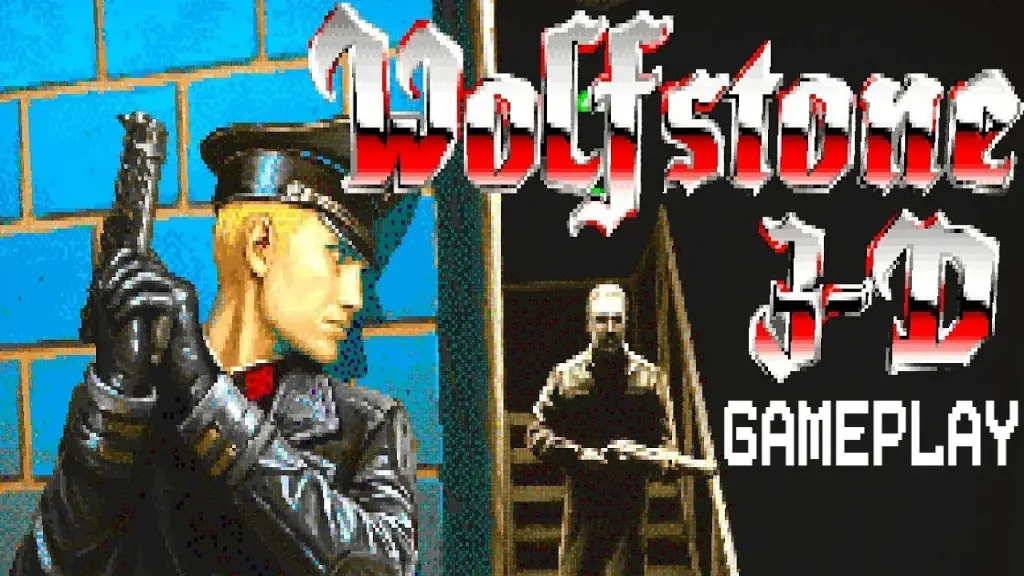
A great mini-game Easter Egg comes from Wolfenstein 2: The New Colossus, where players can find a game called “Wolfstone 3-D” on an arcade machine in Club Kreisau. This game is essentially a re-skin of Wolfenstein 3D from 1992, the game that would help pioneer the FPS genre alongside other juggernauts like Doom. This arcade title was the first to feature series protagonist William “B.J.” Blazkowicz, setting the stage for games like The New Colossus to come years later.
Wolfstone is like getting two Wolfenstein experiences in one game, with the entirety of Wolftenstein 3D playable within The New Colossus. It’s only real change is the name, with even the main characters commenting how the graphics “sure are realistic.” This cameo can easily take up a few more hours of playtime, both respecting the history of the series and providing a glimpse into how far it’s come between Wolfenstein 2: The New Colossus and the iconic game that drove the genre forward.
4. Machine Strike (Horizon: Forbidden West)
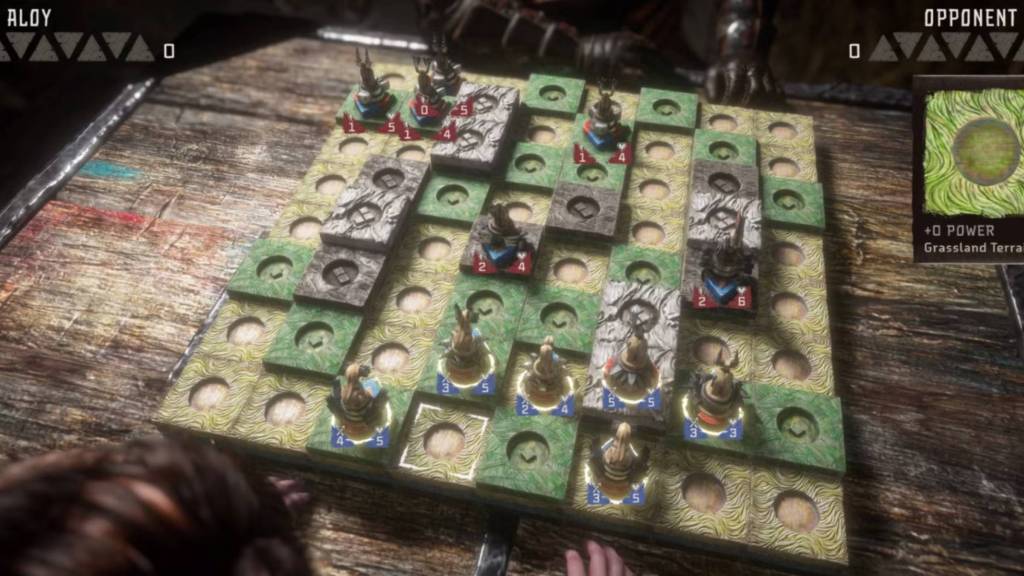
Horizon: Forbidden West‘s action-adventure experience gives players very little time to settle down, as missions have a variety of robotic and human dangers to face in large-scale conflicts. The vast nature of the world can be focused somewhat through Machine Strike, a strategic mini-game similar to board games like Stratego or Chess to a degree. Machine Strike gives two players a collection of specific units to control, with the objective to defeat the armies of rivals to collect new, stronger pieces for your board.

The progressive nature of this mini-game is as addicting as the core gameplay of Horzion: Forbidden West itself, with finding good players being crucial to taking their strongest pieces for yourself. The wood carving depictions of robotic creatures from the game adds a artistic quality to Machine Strike along with its surprisingly deep mechanics. The right strategy matters in Machine Strike, much like it would in a game like XCOM or Starcraft.
Knowing the stats and skills of each piece makes each Machine Strike game exciting, especially when you challenge a new player who has a piece you’ve never seen. Various environmental factors on the game board change each match too, making Machine Strike an experience you’ll seek out in Horizon: Forbidden West on top of your normal mission objectives.
3. Queen’s Blood (Final Fantasy 7 Rebirth)
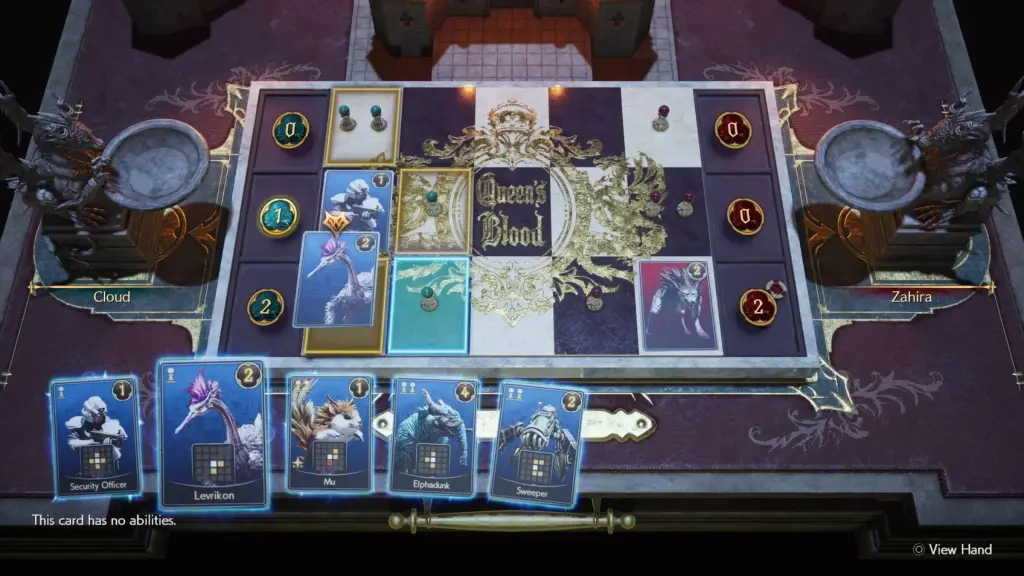
Queen’s Blood is a card game within Final Fantasy 7 Rebirth, with a shocking amount of variety through its complex systems that craft something that feels like it has a high skill ceiling. A grid of three lanes is divided into five sections each, with the objective of the game to accumulate more power than your opponent in those lanes before they fill up with individual cards. The unique abilities of specific cards adds a dynamic element to every match, with your deck composition being extremely important for victory.
The addition of pawns on spaces correlating to what cards can be played there create a back-and-forth game of taking space in Queen’s Blood that is fascinating and compelling in equal measure. Crafting the perfect deck for this mini-game will take up as much time as exploring the large world or mastering the combat of Final Fantasy 7 Rebirth, with Queen’s Blood becoming one of the most satisfying features of the game when you become an expert.
2. Dondoko Island (Like A Dragon: Infinite Wealth)

Like a Dragon: Infinite Wealth, like many games in the Yakuza series, is full of mini-games meant to provide small distractions from the main missions you embark on. That being said, the sheer scale of Dondoko Island in Infinite Wealth is beyond anything the series has seen before, with the game acting like an Animal Crossing adventure stuffed into the already existing RPG. Dondoko Island is a remote island resort that comes under your care, leading to an entire game about managing and transforming it into a paradise.

Much like the best Animal Crossing titles, Dondoko Island’s gameplay revolves around resource management and tycoon-style organization of structures, decorations, and other features to make the island the best it can be. You clean up trash, collecting specific resources, and invite guests to stay there while earning money to continue Dondoko Island’s growth. Renovating Dondoko Island to fully meet your standards could take dozens of hours before you remember that Infinite Wealth is already an RPG with hundreds of hours of content.
1. Gwent (The Witcher 3)
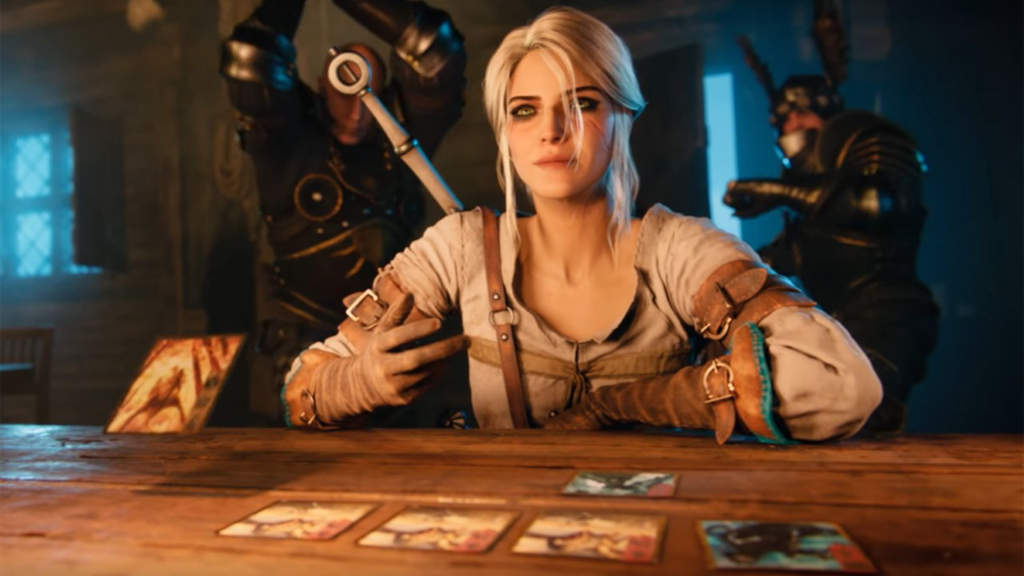
When players think of stellar games within games, Gwent is often the first that comes to mind. So popular it got a physical release and its own successful spin-off title, Gwent originally appeared as a mini-game in The Witcher 3: Wild Hunt. Much like Queen’s Blood, Gwent is a card game with layers of complexity, challenging players to find the best synergy between individual cards to defeat opponents with rival decks.
Divided into three rounds, the objective of Gwent is to have more points than your opponent in at least two of those rounds. Each game consists of players taking turns placing cards to earn points, passing when they are satisfied. Five unique factions with different playstyles change up how player approaches the game, leading to distinct strategies with every play. Unlocking leaders, managing weather conditions, or finding ways to pair card “families” are just some of the strategies Gwent uses to make each game interesting.
It would be impossible to explain the entirety of Gwent‘s depth in just a few sentences, with its ever-evolving gameplay being one of the few “games within games” that have transcended beyond its intended purpose. There are dedicated audiences to Gwent outside of The Witcher 3, proving just how impactful a great mini-game can be when implemented with thought and care into a title that wants to give players more to do.
What is your favorite mini-game within a game? Leave a comment below or join the conversation in the ComicBook Forum!