There is nothing so important in the platforming genre as movement. While it has split into several subgenres, it still remains one of the founding aspects. Visuals, level design, music, and story all matter, but none of them work if simply controlling the character is not satisfying. The best platformers make movement feel rewarding even when players are doing absolutely nothing important. Running across rooftops, chaining jumps together, wall running through obstacles, or maintaining momentum through difficult stages becomes enjoyable on its own. That sense of mastery is why the genre continues attracting dedicated fans decades after its creation.
Videos by ComicBook.com
Platformers have also seen a major rise in popularity recently, thanks in part to games like Astro Bot, which reminded players how enjoyable movement-focused games can be. While Astro Bot succeeds because of polish and charm, its mechanics are fairly straightforward compared to some other modern platformers. Over the last several years, developers have created games built almost entirely around stylish, technical, or deeply satisfying movement systems. These five platformers all approach movement differently, but each turns traversal itself into the main attraction.
5) Bombrush Cyberpunk
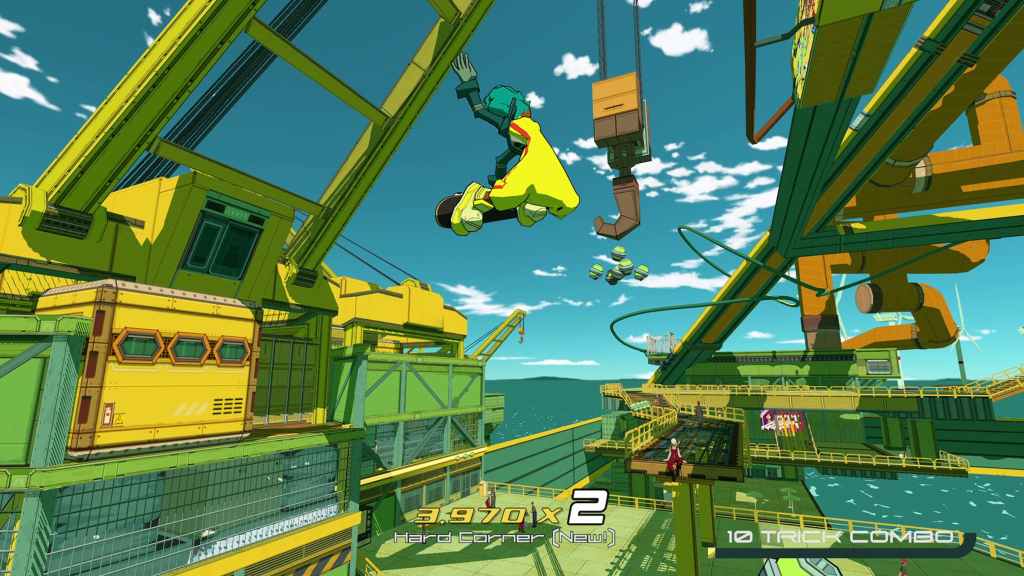
Bomb Rush Cyberfunk immediately stands out because of its visuals, but it is its movement style that keeps players hooked. Developed by Team Reptile, the game clearly draws inspiration from Jet Set Radio while building its own systems around momentum, tricks, and traversal. Players grind rails, wall run, skateboard, BMX, and chain movement combos across a futuristic urban environment.
Players use boost packs to traverse New Amsterdam while competing for control of the city through graffiti crews. What makes the movement system so satisfying is how naturally everything flows together. Grinding transitions into flips, wall rides connect to jumps, and maintaining momentum becomes almost rhythmic once the controls click. Once mastered, players can speed through the city quickly through flashy combinations.

The game’s open level structure also helps movement shine. Instead of simply moving from objective to objective, players are encouraged to explore vertically and experiment with traversal routes. Every environment feels designed around rewarding creativity and style. That freedom gives the game incredible replay value because movement itself remains entertaining long after missions end.
4) Neon White
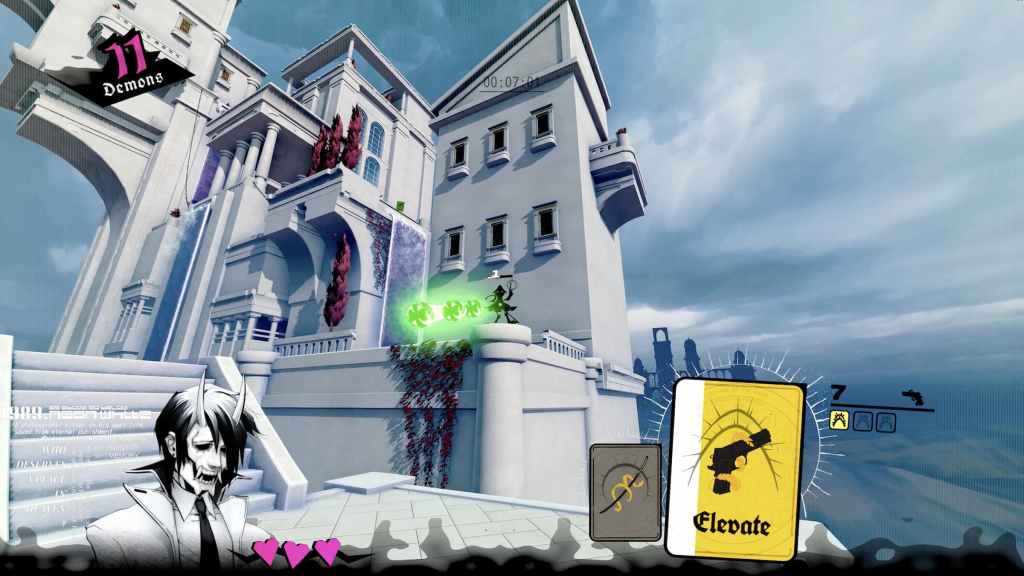
Neon White puts one of the most interesting spins on the platforming genre, combining fast movement with card mechanics. Developed by Angel Matrix, the game uses first-person platforming with speedrunning, shooting, and deck-building mechanics in a way that sounds chaotic on paper but works brilliantly in practice. The result is a lightning-fast action game where players must think quickly if they wish to reach the end of the level.
Neon White’s core mechanic revolves around Soul Cards, which function as both weapons and movement abilities. Players can shoot enemies with cards or discard them for traversal skills like double jumps, dashes, and explosive movement boosts. This is critical because players need to balance movement with combat as they exterminate demons in Heaven. This system creates incredible depth because every level becomes a puzzle focused on optimization.
The game constantly encourages players to replay stages, improve routes, and shave seconds off completion times. Movement feels rewarding because mastering it requires both mechanical skill and strategic planning. Not only that, but there are rewards for uncovering secrets and exploring levels or completing challenges, and these are important for those who wish to partake in the side activities, specifically romance.
3) Celeste
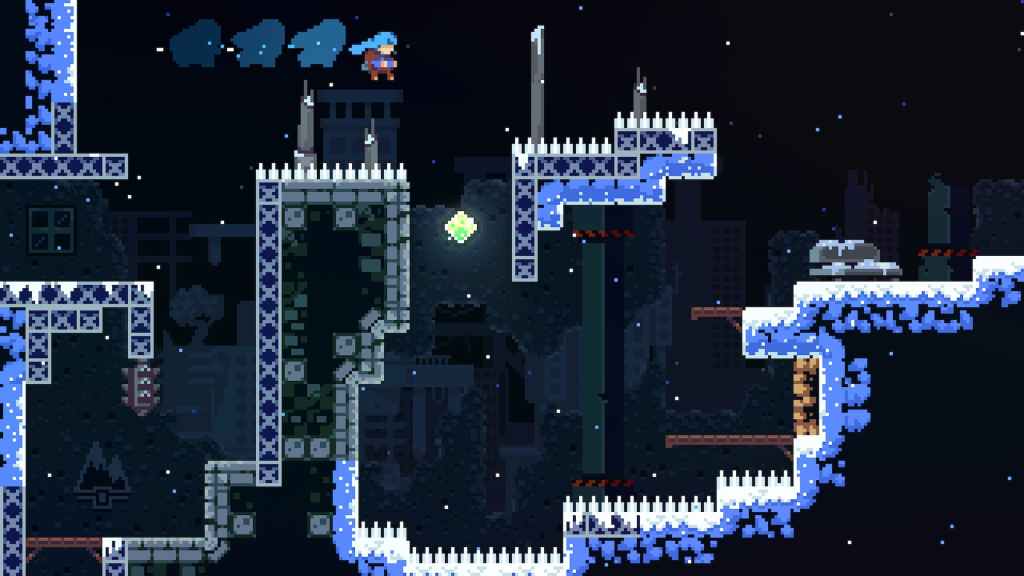
Celeste proves that movement does not need to be flashy to feel incredible. Developed by Extremely OK Games, the indie platformer became famous for its precise controls, emotional storytelling, and brutally satisfying level design. Every death in Celeste feels fair because the controls are so responsive. The game demands precision, but it also gives players total control over their movement. Advanced techniques like wavedashing and momentum preservation add even more depth for experienced players without overwhelming newcomers initially.
Throughout this platforming journey, players help Madeline survive her inner demons on a journey to the top of Celeste Mountain. Mechanically, the game revolves around a relatively simple moveset involving jumping, climbing, and directional dashes. Yet the way those systems interact creates one of the tightest movement systems in platforming history. The quick respawn time further reinforces how tight the movement is in Celeste.
What makes Celeste stand out emotionally is how the gameplay reinforces the story’s themes. Climbing the mountain feels exhausting, frustrating, and rewarding in ways that mirror Madeline’s personal struggles. Personally, few platformers have matched the satisfaction of finally clearing a difficult Celeste room after dozens of failed attempts. To this day, Celeste remains one of my favorite games of all time thanks to its movement and story.
2) Penny’s Big Breakaway
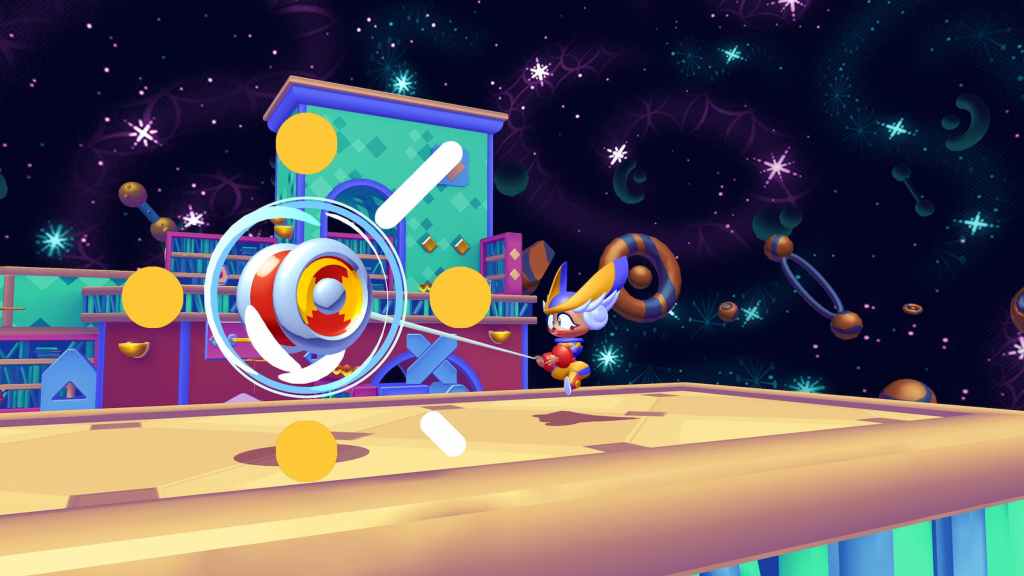
Created by Evening Star, the developers who previously worked on Sonic Mania, Penny’s Big Breakaway immediately feels designed by people who deeply understand momentum-based platforming and speed. The game stars Penny and her living yo-yo companion as they sprint, swing, dash, and trick through colorful levels packed with movement opportunities. It features one of the most unique and satisfying movement systems in recent platforming history. The accompanying art style and its bright colors add further joy to exploration as well.
Penny’s Big Breakaway is focused on expressive movement and fast-paced platforming. Penny’s yo-yo acts as both a weapon and a traversal tool, allowing players to launch themselves across environments, maintain speed, and chain movements together fluidly. Momentum is the heart of the experience, and much like classic Sonic the Hedgehog games, the better players understand the mechanics, the faster and smoother the movement becomes.
Levels encourage improvisation and experimentation rather than strict linear paths. Maintaining flow through obstacles feels incredibly rewarding once players fully understand the physics. One reason Penny’s Big Breakaway stands out is how playful its movement feels. The game constantly introduces new tricks and traversal opportunities without overwhelming players. It captures the same sense of joyful momentum that made classic mascot platformers so memorable while still feeling modern mechanically.
1) Demon’s Tides
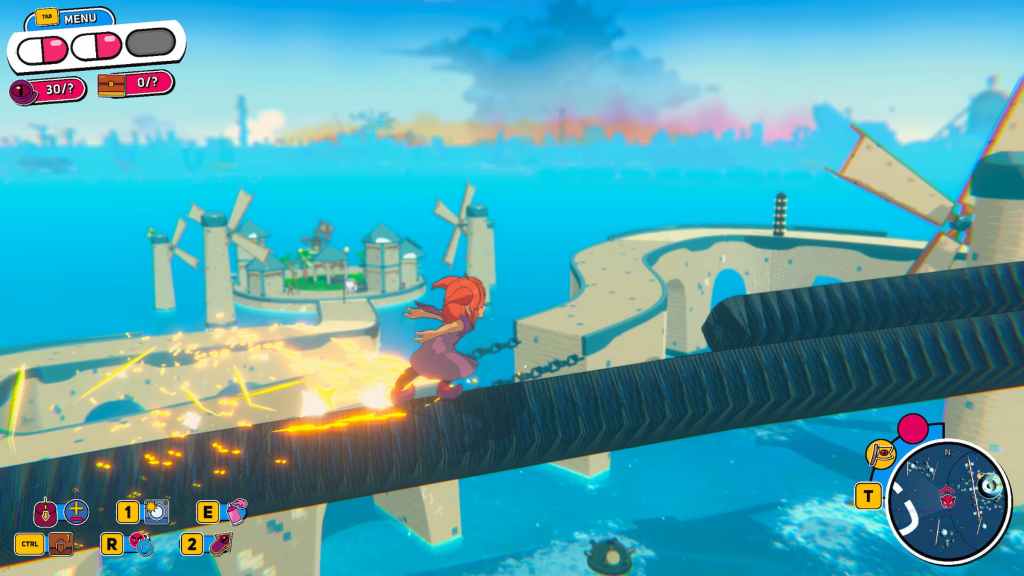
Among modern platformers, Demon’s Tides may have one of the most ambitious movement systems ever created. Developed by Fabraz, it feels like a modern spiritual successor to Super Mario 64, one of the best platformers ever made. It emphasizes freedom, momentum, and advanced traversal mechanics above everything else. Each world is built around exploration, platforming, and player expression.
Demon’s Tides gives players a massive toolkit of movement abilities almost immediately. Wall jumps, dives, slides, flips, momentum chaining, and advanced techniques all combine into a system with enormous depth. Beebz’s movement is further enhanced by transformations that give players even more options on how they move through levels and reach objectives.
What makes the movement so impressive is how skillfully expressive it becomes. Beginners can still progress comfortably, but experienced players can practically break levels with advanced techniques and creative routing. The game constantly rewards experimentation, which gives traversal a huge sense of freedom rarely seen in platformers.
The open level design also helps separate Demon’s Tides from many modern platformers. Exploration feels organic because players are rarely restricted to one intended path. Instead, the movement system encourages players to create their own solutions and routes through environments. Demon’s Tides represents exactly what makes movement-focused platformers exciting. It trusts players to learn complex systems naturally through experimentation instead of excessive tutorials or restrictions. That freedom creates an incredible sense of mastery once the mechanics fully click.
What do you think? Leave a comment below and join the conversation now in the ComicBook Forum!
More Gaming
-

Courtesy of Rockstar Games -
Courtesy of The Pokemon Company