Nintendo made its name with Mario, easily the most recognizable gaming figure and the father of the platforming genre. Since then, Nintendo has built its reputation on platformers that feel polished, inventive, and endlessly replayable. While Mario often defines that legacy, the company has developed a lineup of 3D platformers that stand on their own strengths.
Videos by ComicBook.com
When Mario isn’t the lead, Nintendo has far more room for experimentation. Even if the movement was familiar, the goals, pacing, and personality created something fresh. That is where Nintendo excels. It takes the foundation of platforming and reshapes it around new characters and ideas. For players searching for the best Nintendo 3D platformers, these five games prove the company’s creativity runs deeper than Mario’s iconic name.
5) Captain Toad Treasure Tracker
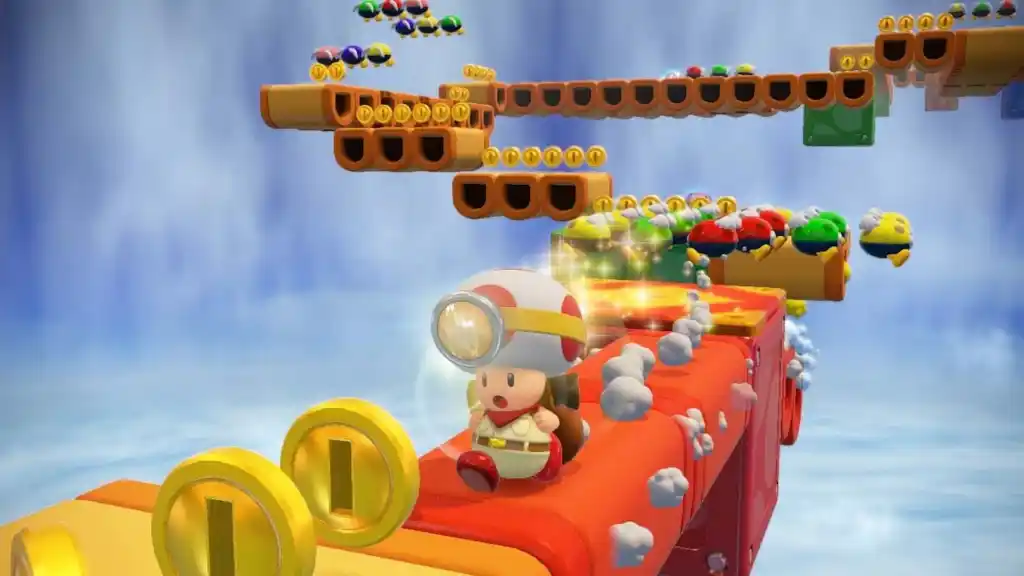
Captain Toad Treasure Tracker may not be a 3D platformer in the traditional sense, but it captures the same sense of adventure. It removes traditional jumping mechanics and replaces them with careful navigation and puzzle-solving. Originally developed from concepts introduced in Super Mario 3D World, the game launched in 2014 for Wii U and later expanded to Nintendo Switch and Nintendo 3DS. It focuses on small, self-contained diorama levels that encourage observation over reflex.
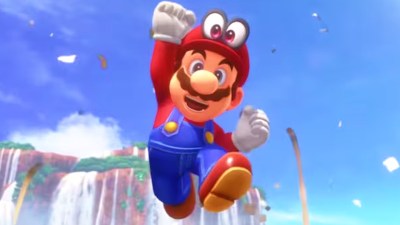
Each stage is built like a miniature puzzle box. Players rotate the camera, uncover hidden paths, and interact with environmental elements to reach a Power Star. This structure creates a slower, more thoughtful pace compared to other platformers. It also highlights Nintendo’s ability to design levels that feel dense despite their small size.
The satisfaction comes from solving a level cleanly. There is no rush. Instead, the reward is understanding how every piece fits together. For players interested in puzzle platformers or creative level design, this game remains one of the best Nintendo 3D platformers without relying on traditional mechanics.
4) Wario World
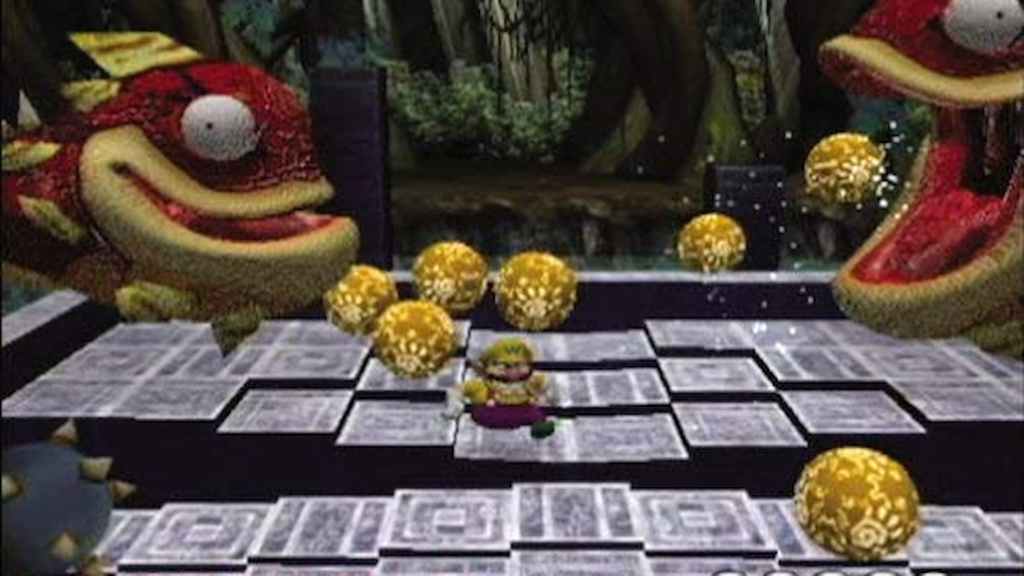
Wario World offers a completely different tone than anything Nintendo had done before. Released in 2003 for the Nintendo GameCube, it leans into combat, exploration, and a heavier sense of impact compared to Mario’s 3D platformers that focus on movement. As such, this game emphasizes strength and physical interaction with enemies and the environment that fits Wario’s personality.
The gameplay revolves around grabbing, throwing, and slamming enemies. Wario’s moveset includes powerful attacks that turn combat into a central mechanic rather than a side element. Levels are structured around arenas and branching paths, encouraging players to explore for treasure and hidden collectibles.
What is surprising is how aggressive the gameplay feels compared to other Nintendo titles. It created a unique rhythm where platforming and combat blended. While it may not have the same level of polish as later entries in the genre, Wario World remains a memorable experiment and a key part of Nintendo’s broader platforming catalog.
3) Donky Kong 64
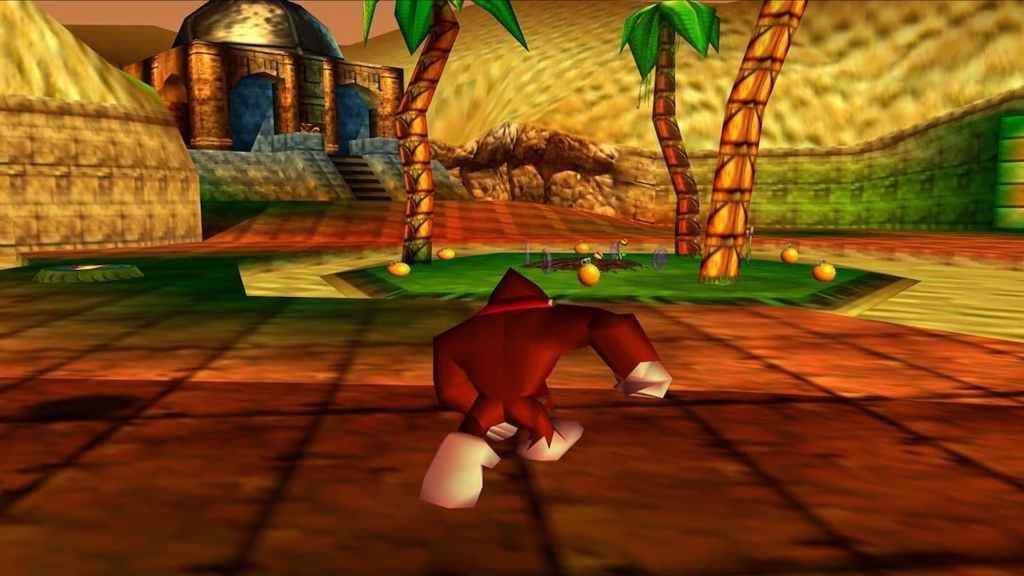
Donkey Kong 64 is one of the most ambitious platformers on the Nintendo 64. Released in 1999 and developed by Rare, the game features large open levels filled with collectibles, puzzles, and character-specific abilities. Players switch between five different Kongs, each with unique skills required to progress, which incorporates some Metroidvania elements.
The scale of the game was impressive for its time. Expansive worlds, layered objectives, and a large number of collectibles created a sense of depth that few games matched, even today. This design also contributed to its reputation for complexity, as players needed to manage multiple characters and revisit areas frequently. This did have the downside of making the game tedious on replays, but it was a major part of its charm on release.
Looking back, the game’s ambition stands out more than anything. It was one of the first times players felt overwhelmed by how much there was to do in a platformer, especially a Nintendo platformer. While some aspects have aged, Donkey Kong 64 remains an important example of how Nintendo and its partners pushed the limits of 3D platforming during that era.
2) Kirby and the Forgotten Land
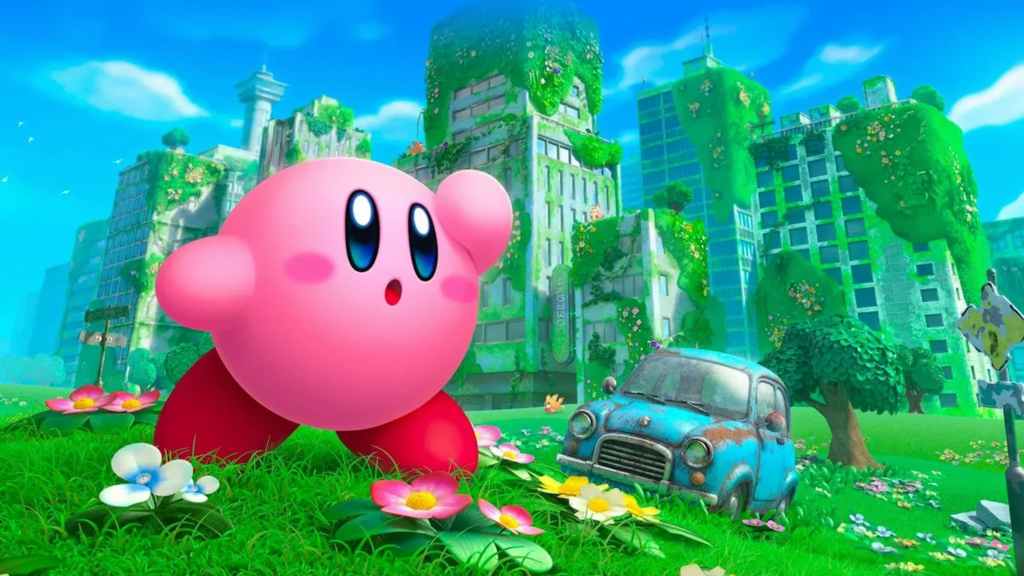
Kirby and the Forgotten Land marked a major step forward for the series when it released in 2022 on Nintendo Switch. It was the first fully 3D mainline Kirby game, transitioning the franchise from side-scrolling roots into a new perspective while maintaining its accessible design. This was huge for Kirby and opened the door to other iconic Nintendo characters, like Yoshi, to possibly have their own 3D adventure.
The game introduces open 3D environments filled with enemies, secrets, and platforming challenges. Kirby’s copy abilities return, allowing players to adapt to different situations, while new features like Mouthful Mode add variety to gameplay. These mechanics keep the experience engaging without overwhelming players.
The most impressive part of Kirby and the Forgotten Lands was how natural the transition felt. The controls remained simple, yet the environments felt expansive and alive. It struck a balance between innovation and familiarity, making it one of the best Nintendo 3D platformers for both newcomers and longtime fans.
1) Donkey Kong Bananza
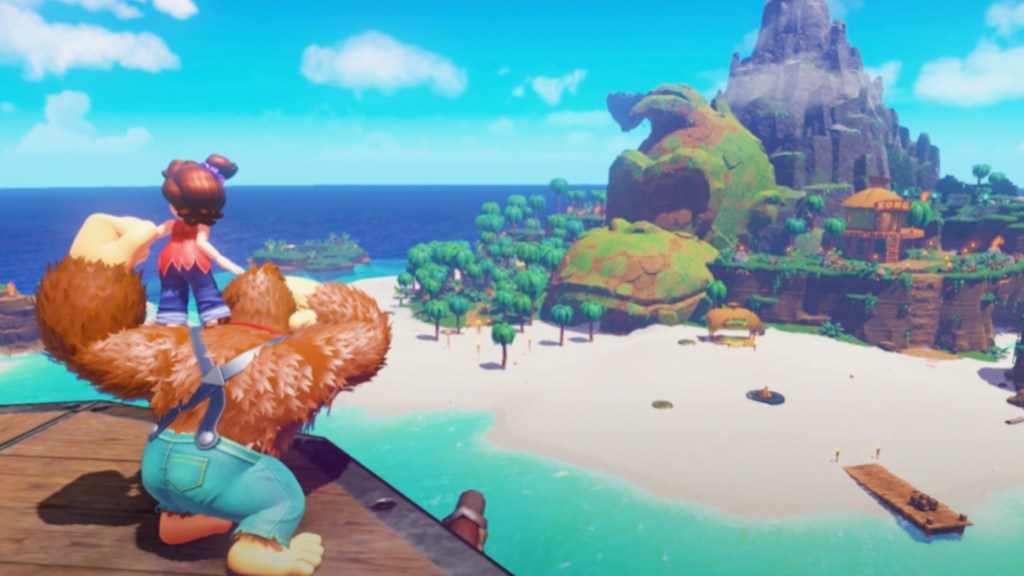
Donkey Kong Bananza represents Nintendo’s continued investment in expanding its platforming lineup beyond its most recognizable character, Mario. The game builds on the legacy of Donkey Kong titles while exploring new ideas in 3D level design and gameplay systems. But beyond that, it completely leans into DK’s personality and even brings Pauline back into mainstream attention in a new way.
The Nintendo Switch 2 is perfect for the destructive gameplay of Donkey Kong Bananza, proven by the incredible reception the game received. Like previous Donkey Kong games, it emphasizes movement, momentum, and environmental interaction, but with a modern approach to scale and presentation. Nintendo incorporates many new ideas into the game to deliver one of the strongest first-year titles in its history.
It also marks Donkey Kong’s first 3D adventure since Donkey Kong 64. The fact that it landed so solidly proves Nintendo is the king of 3D platformers, even as Sony’s Astro Bot shows it up. Donkey Kong Bananza highlights how Nintendo continues to experiment within the genre, ensuring that its 3D platformers remain diverse and engaging.
What do you think? Leave a comment below and join the conversation now in the ComicBook Forum!