The 1990s were an incredible decade to grow up in for gamers, and many of the most acclaimed and beloved games hail from this time. This is particularly true for role-playing games, and some of the most genre-changing titles belong to this era. Developers experimented with sprawling stories, memorable characters, elaborate combat systems, and worlds that were enormous for their time. Kids could spend weeks working through a single adventure, and what is remarkable is that many of these hold up today.
Videos by ComicBook.com
Going back to the best 90s RPGs today can be surprising because nostalgia only explains part of their appeal. Graphics and interfaces have aged, but many of the decade’s defining RPGs remain thoroughly enjoyable. Some helped establish mechanics that developers continue using, while others showed their narratives could rival cinematic films. More importantly, these were games people actually played in huge numbers. From Super Nintendo cartridges to PlayStation discs and Game Boy link cables, these five RPGs helped define what role-playing games meant to an entire generation of players.
5) Baldur’s Gate
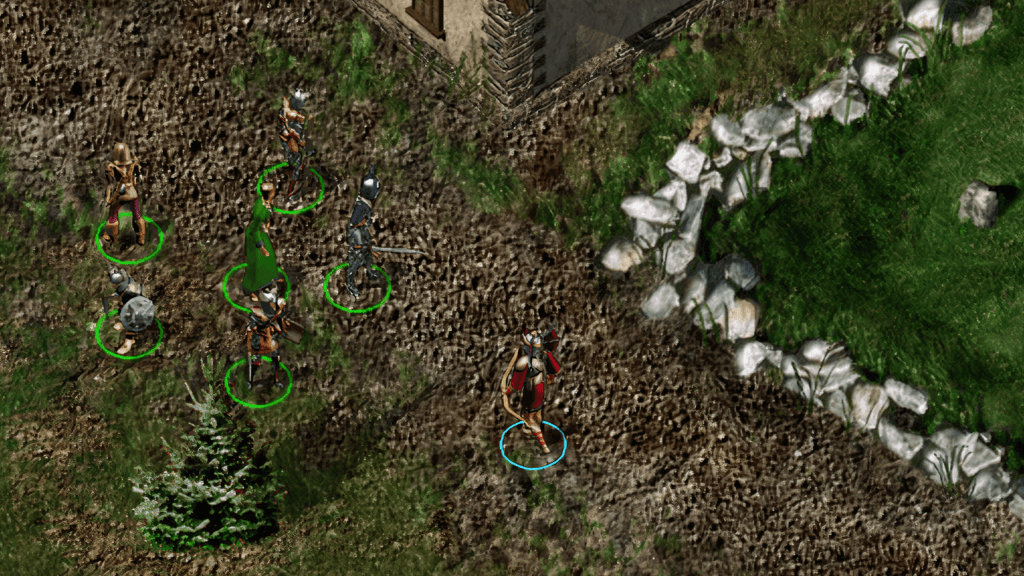
While consoles were producing some of the decade’s biggest JRPGs, PC players had their own obsession. BioWare’s Baldur’s Gate brought the rules of Dungeons & Dragons to computers with huge ambitions. Set along the Sword Coast in the Forgotten Realms, the game begins in Candlekeep before sending players into a sprawling adventure filled with companions, monsters, quests, and mysteries surrounding the protagonist’s heritage. Character creation drew heavily from second-edition AD&D, while players could assemble and control a party of up to six adventurers. Most importantly, its real-time combat could be paused whenever players needed to issue orders, almost simulating stopping combat mid-session to strategize.
Returning to Baldur’s Gate today can require some adjustment, especially considering the tabletop game is on 5.5E. It feels completely different to D&D today, but it is still an excellent RPG. Baldur’s Gate 3’s popularity shows just how much influence the original had and how the series still pulls fans in. The hand-crafted isometric environments still give the Sword Coast a distinctive identity, while its party building, exploration, optional quests, colorful companions, and freedom of approach created many of the building blocks future CRPGs would use. For what it set out to accomplish, Baldur’s Gate is an incredible experience and should be enjoyed even today.
4) Diablo
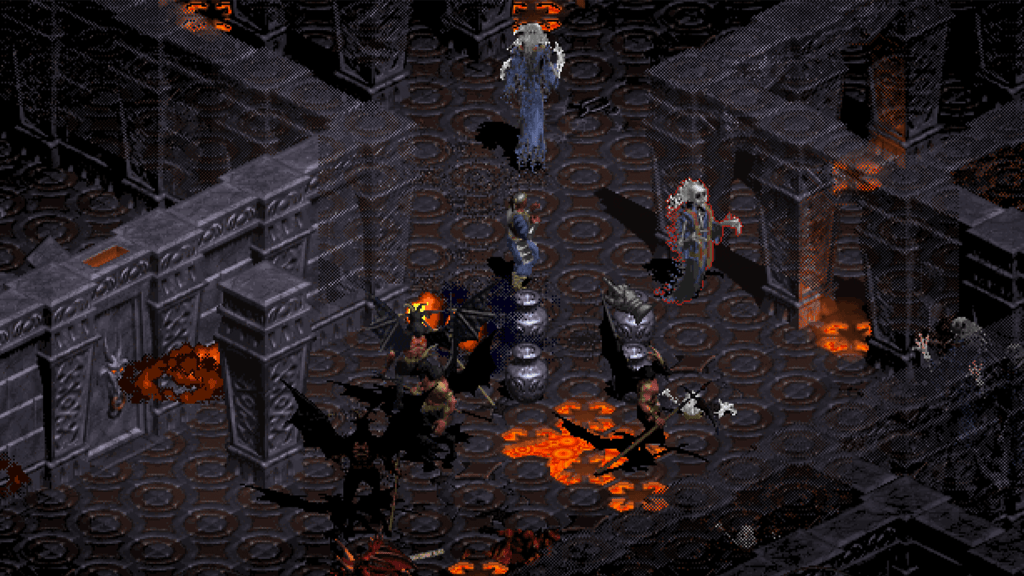
PC gaming was very different in the 1990s than it is today. Diablo stripped away much of the slower exploration associated with traditional computer role-playing games and built an adventure around an engaging and challenging cycle: enter the dungeon, kill monsters, find better equipment, become stronger, and descend another level. Blizzard’s randomized 16 dungeons and three classes in Warrior, Rogue, and Sorcerer provided countless hours of fun. The randomness was crucial in giving the game its replayability, because every adventure could be completely different.
That formula sounds common today, and that is in part thanks to Diablo. Loot-driven action RPGs have spent decades expanding and experimenting on this foundation. It has even evolved into other genres thanks to Blizzard’s initial release. The original Diablo is considerably slower and more restrictive compared to some of these, but that is part of the charm. Tristan is wonderfully oppressive, and the deliberate movement makes venturing deeper underground genuinely uncomfortable. Multiplayer added to this, completely changing how the game is played. So much of modern gaming owes a debt to Diablo, and the series is still running strong, with Diablo 4 receiving its last major update and Diablo 5 officially announced.
3) Chrono Trigger
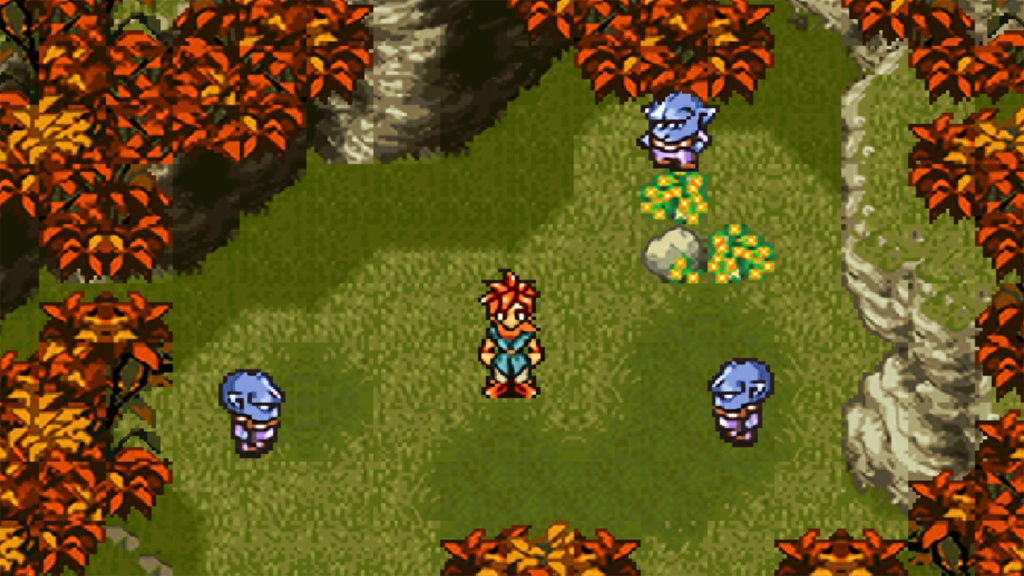
Few games capture the 16-bit RPG era as well as Chrono Trigger. It was an ambitious time-travel adventure composed by a legendary team that included Final Fantasy creator Hironobu Sakaguchi, Dragon Quest creator Yuji Horii, and Dragon Ball creator Akira Toriyama. This dream team created one of the best JRPGs of all time, even if Square Enix refuses to remake it. Chrono Trigger offered an adventure spanning multiple eras, visible enemies instead of conventional random encounters, combination attacks between party members, and decisions that could affect the story. It was ambitious without becoming bloated, which is one reason returning to it today can feel surprisingly good.
The pacing is a major strength of Chrono Trigger, and it allows its other elements to shine. It cuts down on lengthy grinding, slow random battles, or boring stretches of time. Instead, it constantly offers new locations, characters, historical periods, and story reveals, while its multiple endings encourage players to experience the adventure again. RPGs released decades after Chrono Trigger still fail to stand up to it, and this is thanks to how strong all its individual pieces are, from narrative to gameplay, but also how they all come together to create a cohesive masterpiece.
2) Final Fantasy VII
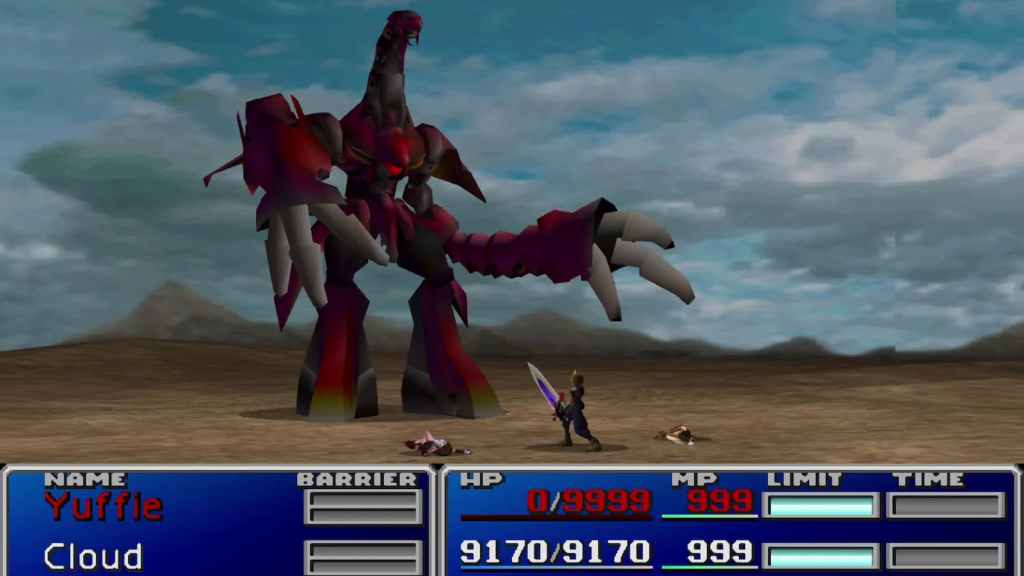
It is impossible to state how important Final Fantasy VII was, not just to the RPG genre, but to gaming as a whole. The impressive commercials hyped the game up like no game before it, and it absolutely delivered. The cinematic sequences, iconic characters like Cloud and Sephiroth, and the dark, gritty narrative have made it one of the most beloved and well-known games in history. It was also one of the largest games at the time, requiring a total of three discs, showing how much content and development went into the experience. Today, Final Fantasy VII has produced spin-offs, a remake trilogy, and even its own animated film. Some may argue that Square Enix is milking it, but the game has stood the test of time and influenced so many games that came after.
Cloud’s arrival in Midgar completely changed the RPG scene. While its age is immediately evident today, its greatest strengths remain relevant today. The Materia system gives players enormous flexibility when building characters; the soundtrack is inseparable from the story; and the game’s narrative mixed environmentalism, corporate power, identity, grief, and memory to create the perfect sci-fi fantasy world. Its continuing legacy is obvious in the larger Final Fantasy VII universe and modern remake project, but the 1997 original remains the game that turned Cloud, Sephiroth, Aerith, and Midgar into gaming icons, and many still prefer the original release.
1) Pokemon Red and Blue
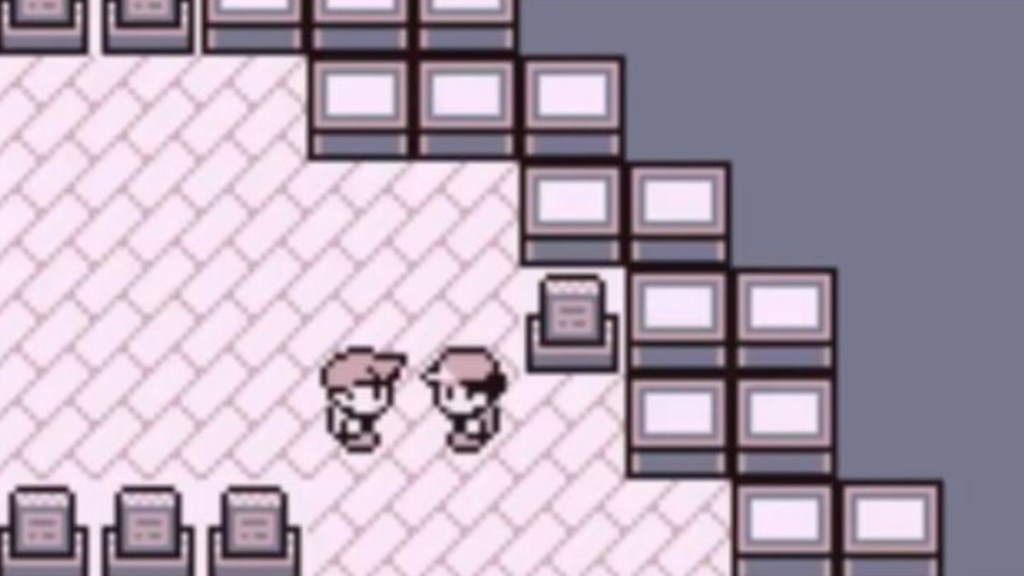
Even non-gamers have heard of Pokemon, and it all started with Pokemon Red and Blue in the 1990s. Pokemania was a wild time, and it truly felt like the world came together for these legendary Game Boy games. Everyone seemed to know somebody who had a Pokemon you needed, a strategy for defeating a gym leader, or a completely unsubstantiated rumor about something hidden inside the game like Mew. Catching 150 creatures was already an irresistible objective, but dividing Pokemon between versions created a sense of community that remains strong today. Completing the Pokedex required interaction with another player, turning a single-player RPG into something inherently social.
Today, Pokemon is the largest franchise in the world and has extended well beyond gaming. Pokemon Red and Blue are the best-selling Game Boy video games, and the series still does incredible numbers with each new release. That said, the original games definitely feel dated, but nostalgia brings players back again and again thanks to how appealing the core formula is. Choose a starter, explore towns and routes, catch monsters, build a six-Pokemon team, challenge Gym Leaders, trade with friends, and ultimately attempt to become Champion. 30 years of sequels have only expanded on this, and Pokemon Winds and Waves is poised to be the greatest chapter of Pokemon yet.
What RPGs did you grow up playing in the 1990s? Let us know on the ComicBook.com forum!