I love a really great JRPG, one that completely immerses you in its world, high-stakes narrative, epic combat, and typically phenomenal soundtrack for hours on end. I’ve sunk well over 500 hours across the three mainline Xenoblade Chronicles games, eagerly search for news about Final Fantasy 7 Remake Part 3, play through the classics like Chrono Trigger, Xenogears, and Final Fantasy X on repeat, and complain ad nauseam that Xenosaga isn’t more readily available in the UK. I feel as if I’ve got the mainstream JRPG scene pretty well covered, and that has inspired me to look into the lesser-known gems that fly a little under the radar.
Videos by ComicBook.com
Fortunately, hidden in the endless cavalcade of AI slop and low-effort cash grabs on Steam are a handful of truly exceptional JRPGs, some of which have even made it onto consoles. From sprawling open-world titles with music by iconic JRPG composers to an overlooked classic developed by one of the greats, these hidden gems are actually some of the greatest JRPGs ever made. So, whether you’re done with playing through every Final Fantasy or just fancy a change in pace, these underrated JRPGs are absolutely worth giving a go.
5. Wolfstride
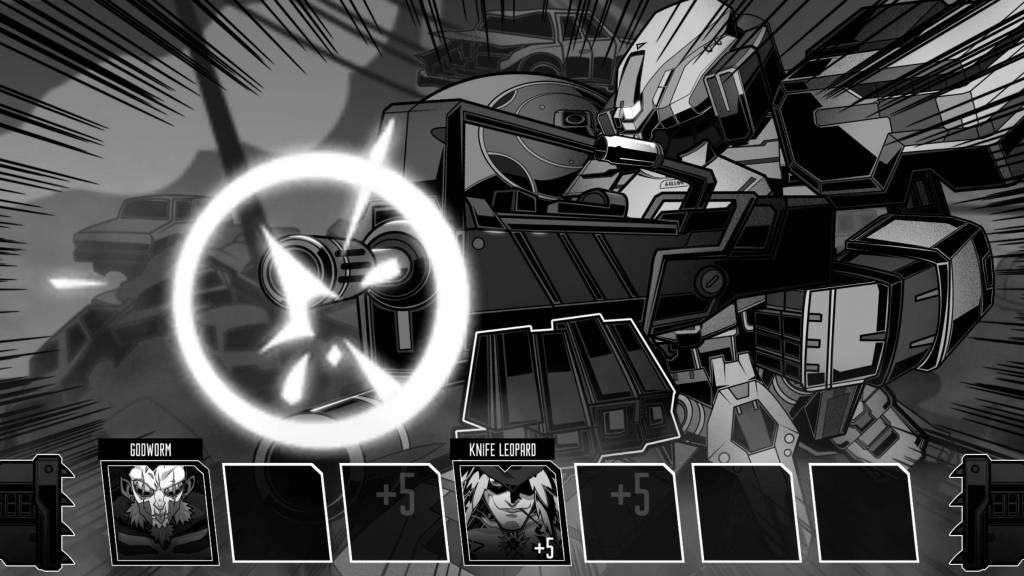
Wolfstride is one of those rare games that is impossibly difficult to compare to anything else. It is so utterly unique in its approach to its stylish mech combat, its existential storytelling, its stunning visual aesthetic, and its witty and often poignant writing. One minute you’ll be partaking in a brutal, nailbitingly tense battle against an opponent’s mech, trying your best to outsmart them and pull off well-planned strategies, and the next you’ll be contemplating life, existance and everything in between. Sure, many JRPGs cover these topics, but so few do it with such panache, style, and memorable writing.
Easily the best part about Wolfstride is its exceptionally eccentric yet lovable cast of characters that’ll quickly start to feel like a second family. However, for those more interested in the mechanical and gameplay aspects of the JRPG genre, Wolfstride’s mech customization, battles, and suite of fun minigames give you so much to do that you’ll never be bored across its 20ish-hour story. It is also available on Nintendo’s handy handheld, which is my preferred way of playing it, and is therefore a must-play JRPG on the Switch in addition to just being a great genre-defining title too. I cannot recommend Wolfstride enough, especially to those allured by its staggeringly beautiful art style.
4. Crystal Project
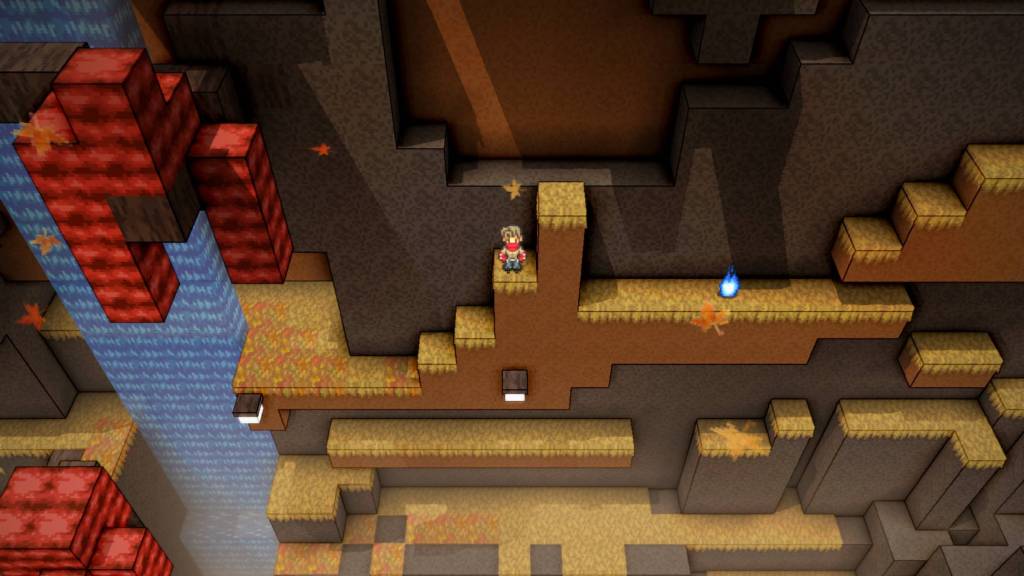
Crystal Project is a legitimately staggering achievement and one that blows me away every time I play it. While a little light on storytelling (although filled to the brim with fantastic writing and memorable moments I shan’t spoil), Crystal Project undeniably excels when it comes to its exploration and combat. Its world, which blends your 2D sprite with 3D, very vertical voxel environments, is teeming with things to discover. You’ll reach locations you never thought possible, stare out at distant vistas and marvel in their beauty, and uncover secrets in the most unexpected of places. I have never quite experienced a world as rewarding and exploration-focused within the JRPG genre as Crystal Project’s.
When you’re not bounding across its astonishingly impressive world, you’ll be collecting the titular crystals, battling against a plethora of fun enemy types and challenging bosses, and collecting gear to improve your party. The whole experience has a very early Final Fantasy feel to it, something compounded by the myriad of classes available to you and the flashy turn-based combat. It is a novel idea to combine the JRPG-style of yesteryear with the Metroidvania platforming and exploration of today, but Crystal Project executes it flawlessly.
3. Bloomtown: A Different Story
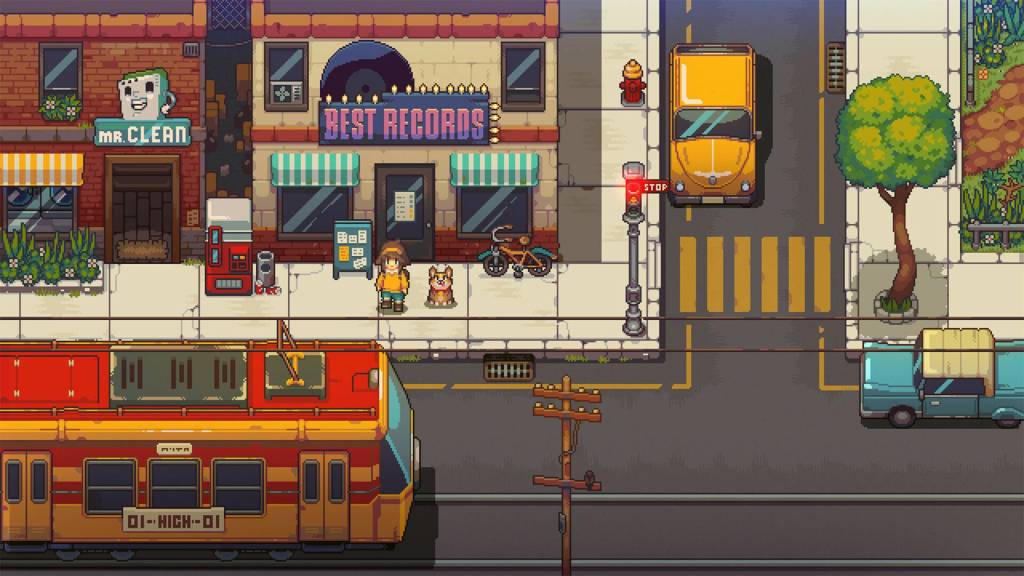
If you’ve ever wondered what an indie Persona game would be like, then look no further than Bloomtown: A Different Story. Blending shades of Earthbound’s Americana aesthetic and Persona’s demon-hunting, mind-cleansing mechanics, Bloomtown: A Different Story is an effortlessly stylish and endlessly enjoyable life-sim JRPG that is as excellent as its inspirations. It takes the core principles of games like Persona 5 and fuses them with plenty of its own ideas, adding a greater level of freedom when it comes to exploration and the way players can spend their time while still honing in on the turn-based battles and mature storytelling.
Despite its rather cute aesthetic (Bloomtown’s pixel art is some of the most detailed I’ve ever seen), it tells a rather dark and mature narrative that mirrors the same structure as Persona 5. You’ll discover a source of pain, delve deep into the warped mind of its perpetrator, and then attempt to clear a demon-infested dungeon before eventually bringing the villain to justice. When you’re not battling, collecting, and fusing monsters, there’s crafting, side quests, vinyl collecting, plant growing, gym going, and so much more to engage with. Companions have their own quests, many of which serve as the best in the game, and it’s all scored by an incredibly catchy soundtrack that I still listen to long after having beaten it. Bloomtown: A Different Story is a seriously underrated JRPG that I hope gets more attention, as, in many ways, I genuinely preferred it to Persona.
2. Edge of Eternity
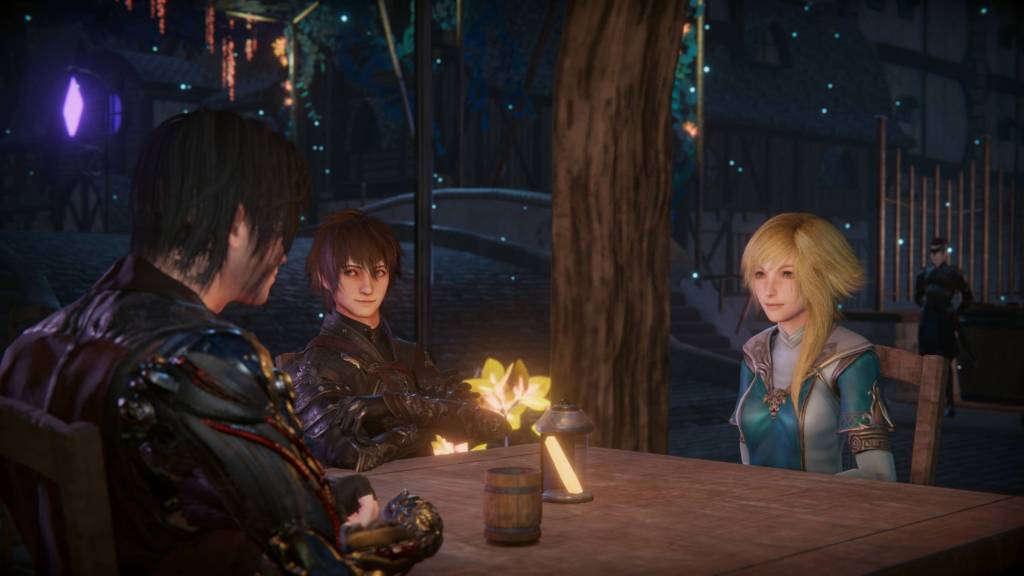
Edge of Eternity is the immensely ambitious JRPG from developer Midgar Studio. Heavily inspired by the likes of Xenoblade Chronicles (it even features music from long-time Monolith Soft collaborator, Yasunori Mitsuda), Edge of Eternity is a sprawling, open-world turn-based JRPG with an epic narrative, an abundance of quests, and some of the best visuals in the entire genre. It has evolved a lot over the years, both during its Early Access phase and long after it, turning it from an inspired passion project into easily one of the greatest JRPGs ever made. Its characters, voice acting, music, visuals, combat, quests, and everything in between are so good that one can’t help but feel as if it were made by a AAA studio, rather than a team of around 30 people.
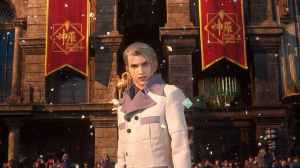
There is, of course, a little jank, but that isn’t surprising for a game of this scale and ambition. Nevertheless, it is astounding what has been accomplished here, and this is easily the most traditional and AAA-feeling indie JRPG ever made. If you’re craving something akin to Xenoblade Chronicles or even more recent Final Fantasy titles, then I highly recommend Edge of Eternity. It is an especially good time to give it a go, as its success has landed it a successor of sorts, Edge of Memories, which is due out in 2026.
1. Baten Kaitos 1 & 2 HD Remaster

You’d be forgiven for having never heard of Baten Kaitos. It is one of the many obscure GameCube games that, until recently, were trapped on the system. It didn’t sell particularly well at launch, and while a prequel was developed, it never garnered enough traction to warrant future entries. However, Baten Kaitos has remained somewhat in the zeitgeist as a result of both being one of the earlier games of developer Monolith Soft, the same folks behind the Xenosaga and Xenoblade Chronicles games, and having recently received a pretty great remaster.
What made Baten Kaitos such a unique experience was its card-based combat, something that separates it from the likes of XBC. It takes a little getting used to, especially as it’s incorporated into practically every facet of Baten Kaitos’ design, but Monolith Soft’s execution of it is near flawless the deeper into the experience you go. While it is, as a result, a very different game in style and gameplay, it nevertheless adopts a lot of the core ideas and themes explored in those games and much of the studio’s work. You’re getting a very Monolith Soft-style experience here with some truly stunning locales to explore, a pretty fascinating narrative, and memorable characters. Baten Kaitos is as worth playing today as it was when it was released in 2003, if only to experience Monolith Soft’s back catalogue and see how its style has developed over the years.
What underrated JRPGs do you recommend? Leave a comment below and join the conversation now in the ComicBook Forum!
Most Viewed
-

Image Courtesy of Netflix -
Image Courtesy of Ufotable