Action games live and die by the feeling of a great fight. A perfectly timed parry can turn a desperate struggle into a power fantasy, while a brutal boss encounter can make finally landing that finishing blow feel like a personal achievement. The best examples of the genre go beyond flashy animations, giving players combat systems worth mastering and enemies who demand more than button-mashing to defeat.
Videos by ComicBook.com
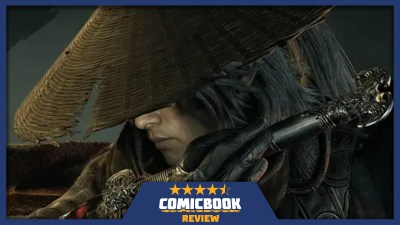
With Phantom Blade Zero promising stellar swordplay wrapped in a dark wuxia fantasy, now is a great time to revisit the games that make action combat so satisfying. These seven picks approach fighting from different angles, whether through punishing duels or extravagant combo systems, and each offers a useful point of comparison for S-Game’s upcoming adventure. Playing them beforehand can help players recognize what makes Phantom Blade Zero stand out when its blades finally start flying.
7. Where Winds Meet

Where Winds Meet is an excellent place to start for anyone eager to experience the fantasy of becoming a martial arts master. Its wuxia setting draws from the same romantic vision of Chinese martial arts that makes Phantom Blade Zero so immediately appealing, with sword fights that feel like duels between legendary warriors rather than ordinary fantasy combat. Its emphasis on stylish techniques helps every encounter feel rooted in a martial arts tradition. The world itself adds to that appeal by embracing the larger-than-life heroes and rivalries associated with wuxia storytelling.
Where the game really helps prepare players is in its approach to combat variety. Different weapons and martial arts abilities encourage experimentation, so victory isn’t simply a matter of swinging faster than the enemy. Playing it makes the appeal of Phantom Blade Zero‘s own wuxia-inspired world clearer, especially for anyone who wants their action to feel like a martial arts fantasy brought to life. In a lot of ways, the games are pretty similar in combat scope, so its nice little intro to what to expect from Phantom Blade Zero. It also offers a useful look at how a game’s setting can make its combat feel like part of a distinct cultural and cinematic tradition.
6. Nioh 3

Nioh 3 is a natural pick for players who want their action combat to demand serious commitment. The Nioh series has built its reputation on intricate weapon movesets and enemies that punish careless aggression, making every successful encounter feel like a hard-earned victory. Its combat rewards players who take the time to understand their tools rather than simply mash through a fight. Even ordinary encounters can become dangerous when you lose track of their timing or spend too long attacking without a plan.
That discipline should serve Phantom Blade Zero fans quite well. When an action game packs so much movement and technique into its fights, knowing when to attack matters just as much as knowing how. Nioh 3 helps you appreciate the depth that comes from mastering a weapon’s full moveset, rather than relying on a handful of reliable attacks whenever things get messy. It is a reminder that flashy combat becomes much more satisfying when every move has a purpose and mistakes carry real consequences.
5. Sekiro: Shadows Die Twice

Few games understand the thrill of a deadly duel quite like Sekiro: Shadows Die Twice. Rather than encouraging you to dodge away from every threat, it asks them to stand their ground and break an opponent’s posture through precise deflections. The resulting sword fights can feel like frantic exchanges between two warriors searching for the tiniest opening, with one mistake capable of turning the whole encounter around. Few mechanics make the rhythm of a sword fight feel as immediate as Sekiro‘s posture system.
Sekiro is a really solid, and honestly, essential preparation for anyone drawn to Phantom Blade Zero‘s intense swordplay. Learning to read an enemy’s attacks transforms combat from a scramble for survival into a contest of timing and nerve. Parry timing is crucial to combat in Phantom Blade Zero, and Sekiro‘s posture system is particularly valuable to experience because of that. It demonstrates perfectly how defensive precision can become the most exciting part of an aggressive sword fight, and how it was useful in Phantom Blade Zero. Players who learn to welcome an enemy’s next attack instead of fearing it may find themselves better equipped to appreciate similarly demanding encounters.
4. Black Myth: Wukong

Black Myth: Wukong is a must-play for anyone who wants to see spectacular action combat built around a larger-than-life mythological setting. Its staff-based fighting gives encounters a distinctive rhythm, while transformations and powerful spells add dramatic flourishes to an already acrobatic combat system. Boss encounters often feel like showdowns against creatures pulled straight from an epic legend. Its visual ambition also makes even familiar fantasy ideas feel grand and imposing.
What makes it especially relevant to Phantom Blade Zero is the way spectacle can enhance the challenge rather than replace it. A gorgeous animation only goes so far if the player isn’t making meaningful decisions, and Black Myth: Wukong frequently asks players to find openings amid its visual fireworks. It offers a great lesson in how imposing bosses and cinematic combat can make every victory feel like the climax of an epic martial arts showdown. Its biggest encounters also demonstrate how a memorable opponent can test a player’s skill while delivering the kind of spectacle that makes a fight worth remembering.
3. Sifu

If Phantom Blade Zero‘s martial arts choreography has caught your attention, Sifu deserves a spot on your playlist. Its hand-to-hand combat makes positioning and awareness essential, forcing you to manage groups of enemies without letting a single opponent dictate the entire encounter. Every fight feels like a messy brawl that can turn against you in seconds, especially when enemies surround you or interrupt an attack. The result is a combat system that makes even a crowded hallway feel like a serious test of skill.
The game’s most valuable lesson is that mastery comes from learning how to control the flow of a fight, especially when surrounded, a common occurrence in Phantom Blade Zero. Blocking, dodging, and punishing an opening become second nature only after plenty of hard-earned practice. Sifu is especially worth playing for its environmental combat, which shows how using the space around you can turn a desperate encounter into a stylish beatdown. That physical, improvisational approach is a great way to appreciate how martial arts action can feel expressive without relying on oversized weapons or magical effects.
2. Devil May Cry 5

For a very different kind of combat education, Devil May Cry 5 is practically a masterclass in making players look impossibly cool. Its combat system rewards creativity through a style ranking that encourages players to mix attacks rather than rely on the same reliable combo. Each character brings a distinct approach to fighting, making the act of mastering their movesets part of the appeal. It turns the simple act of defeating enemies into an opportunity to show off.
That focus on expressive combat is a useful contrast to the more deliberate duels found in other games on this list. Phantom Blade Zero has the potential to make its swordplay feel like a dazzling martial arts performance, and Devil May Cry 5 shows just how satisfying it can be when a combat system gives you room to develop your own rhythm; something you’ll also be doing in Phantom Blade Zero. Its combo system presentation show that the best action games make experimenting with how you win an adventure in itself. For players who love discovering a spectacular new sequence of attacks, it demonstrates how much personality can emerge from a well-designed combat system.
1. Wo Long: Fallen Dynasty

Wo Long: Fallen Dynasty brings a fast and aggressive spin to action RPG combat, built around deflecting attacks and seizing momentum. Its Spirit system makes the back-and-forth of battle especially important, rewarding players who can turn an enemy’s pressure into an opportunity to strike. Instead of treating defense as downtime, Wo Long makes it an active part of the offensive. Its combat encourages players to stay engaged even when an enemy appears to have the upper hand.
That approach makes it a compelling warm-up for Phantom Blade Zero. If you enjoy the idea of meeting an opponent head-on and responding with a decisive counter, you will find plenty to appreciate here. Wo Long is particularly useful for understanding how deflections can do more than prevent damage: they can shift the balance of a fight and create the perfect opening for a punishing counterattack. It is a strong reminder that an action game’s defensive mechanics can be just as thrilling as its most aggressive flourshing attacks..
More Gaming
-

Image Courtesy of Ubisoft -
Image Courtesy of Dotemu -

Courtesy of Electronic Arts -
Image Courtesy of Electronic Arts -

Courtesy of Arkane, Bethesda Studios, and Marvel Games