In the landscape of role-playing games, few franchises can claim to have fundamentally reshaped how players and developers alike think about difficulty. FromSoftware’s Souls series, spanning from the original Dark Souls to Elden Ring, stands as one of the rare cases where nearly every installment is hailed as a masterpiece. Each release has not only earned critical acclaim but also a deep and enduring respect from its audience, who often regard these games as perfect titles. They are remembered as great within their genre, but also as cultural landmarks that define modern action RPGs.
Videos by ComicBook.com
To be clear, the Souls games are not simply “good RPGs.” They are experiences that no other game in the industry can match. Many have tried, and while some get close, there’s always something missing to seal the deal. Each entry introduces new ideas while respecting its foundations, ensuring that no two feel identical but all feel undeniably part of the same bloodline. It is this careful balance of tradition and innovation that gives the series its aura of perfection and keeps every installment lodged in the conversation of “10 out of 10” gaming experiences.
Why the Souls Games Stand Apart
The first reason for this reputation lies in the combat system. Souls combat is weighty and unforgiving, rewarding patience and punishing hesitation. Every swing of a sword or timing of a dodge carries immense consequence, and players quickly learn that mastery comes from precision rather than brute force. If this lesson isn’t learned, then death is all but inevitable. This creates a sense of mastery that stays with players who manage to overcome the overwhelming challenge these games offer. When a player can attach a personal victory to an obstacle, that victory is valued and remembered, which is why Souls games stand so far apart from other action RPGs.
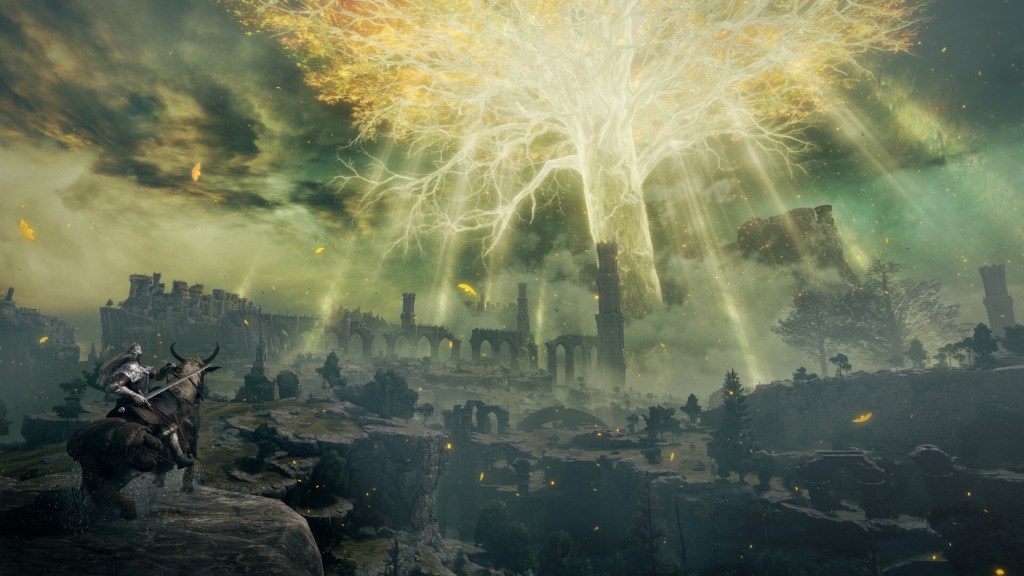
The level design is also a significant reason why Souls games are so impactful. Put frankly, it is legendary. Dark Souls is perhaps the most iconic example, with its web of interconnected areas that loop and fold back in surprising ways. Discovering a shortcut never feels like a convenience but like unearthing a secret about the very structure of the world, and a breath of fresh air. Even with Elden Ring’s open-world format, the essence of discovery shines brightest, with numerous hidden dungeons and twisting castles spread out across a massive landscape that rewards those who walk beyond the beaten path. This world-building through geography is something few other games have achieved so consistently.

Lastly, but certainly just as important, FromSoftware’s approach to storytelling is a staple reason why Souls games are recalled in tabletop conversation. FromSoftware avoids traditional cutscene-heavy exposition, instead opting for fragmented lore hidden in item descriptions, cryptic dialogue, and environmental clues. Players should pay attention if they wish to learn the land they walk on. This approach transforms the act of playing into one of player discovery, once again tying personal agency to the player. The result is a story that feels less like something told and more like something found. This sense of mystery has inspired countless imitators, but few have matched the careful subtlety that makes each Souls narrative so endlessly fascinating. The best part: most players never get the full picture, and yet the narrative holds strong with very few actual words uttered.
Even the “Weakest” Entry Is Still a Masterpiece
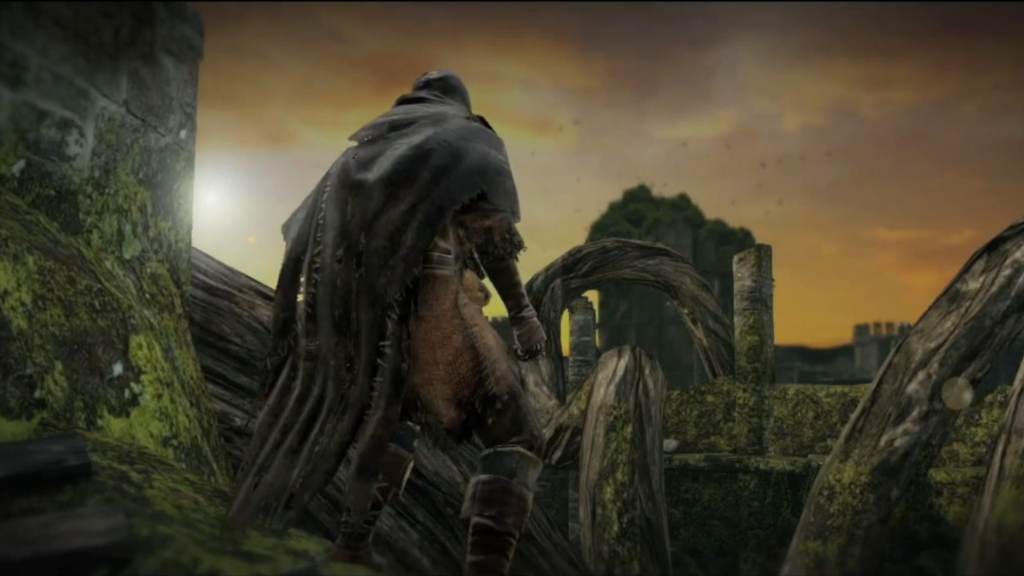
If one game is commonly considered the weakest link, it is undoubtedly Dark Souls 2. Yet that judgment only holds value when side by side with its siblings. On its own, Dark Souls 2 remains a rich RPG filled with ambitious design choices and unique ideas, all while having a staggering number of bosses to face. While it experimented in ways that divided fans, it also carved its own identity within the series, proving that even a so-called misstep by FromSoftware still shines by normal industry standards.
What makes this discussion so interesting is how relative the critique really is. For most franchises, Dark Souls 2 would stand as the pinnacle of achievement. The only reason it bears the label of “weakest” is because of the impossibly high bar set by its predecessors and successors. Compared to Dark Souls and Elden Ring, its ideas feel less tightly executed, but never bad or lacking in vision.
This dynamic demonstrates just how consistent FromSoftware has been. To have the least acclaimed entry still regarded as a classic is something few developers can and will ever claim. The franchise is judged not against the broader gaming landscape but against itself, a sign of its complete and utter dominance of the action RPG space. Dark Souls 2 may not sit at the mountain top when compared to other FromSoft Souls games, but its presence only reinforces the strength of the foundation on which the series rests.
The Lasting Legacy of the Souls Franchise

The influence of the Souls series extends far beyond its own borders. Before Dark Souls, the notion of a difficult but fair game seemed like a relic of the past. Many publishers believed players preferred easy accessibility. After all, if more people play a game, then surely the better it is, right? A foolish assumption that FromSoftware flipped on its head by proving that audiences not only accepted difficulty but craved it when paired with balance and reward. The result was the birth of an entirely new subgenre of the RPG spectrum, the so-called “Soulslike” becoming shorthand for challenging, reflex-testing RPG design.
This influence spread rapidly across the industry. Titles like Nioh 2, Hollow Knight, and Lies of P clearly follow the blueprint laid down by FromSoft, borrowing framework mechanics such as stamina-based combat and complex boss design. Even games outside your standard action RPG have intelligently incorporated Souls elements, from the interconnectivity of Metroidvania games to the atmospheric storytelling found in Remnant 2. The ripple effect has been significant in redefining how developers approach both mechanics and world-building.
At the same time, the Souls games built one of the most unique gaming communities. The iconic message system allows players to leave notes for strangers, while the shared struggle against seemingly impossible odds created a sense of camaraderie across the world. Facing Malenia, Blade of Miquella was, in many ways, a collective, global challenge when Elden Ring first hit the shelves, for example. This community-like identity, paired with the series’ streak of excellence, cements the Souls franchise as one of the most important in gaming history, up there with the likes of immensely influential franchises like Half-Life.
What do you think? Leave a comment below and join the conversation now in the ComicBook Forum!
Most Viewed
-

Image courtesy of Netflix -
Image courtesy of Bethesda -

Warner Bros. Animation / Cartoon Network Studios -

Courtesy of Crunchyroll