When it comes to Marvel’s Wolverine, the combat is what most players were waiting to see, and Sony’s State of Play for June 2026 did not disappoint. Extended gameplay was shown for the game featuring the adamantium clawed mutant, including how his rage and signature healing factor work throughout various levels. With unexpected allies and brutal hack-and-slash action, there are more layers to Marvel’s Wolverine‘s combat than many anticipated.
Videos by ComicBook.com
Already, the gameplay of Marvel’s Wolverine shows just how different Insomniac’s next superhero title is compared to Marvel’s Spider-Man. The fighting style of Logan is brutal, bloody, and reliant on relentless offense rather than agile movements or tricky gadgets. The commitment to R-rated violence may turn away some squeamish players, but thankfully, the combat has options for those looking to avoid Wolverine’s merciless approach to his enemies.
Marvel’s Wolverine Blends Hack-And-Slash Action With Bloody Takedowns & Rage
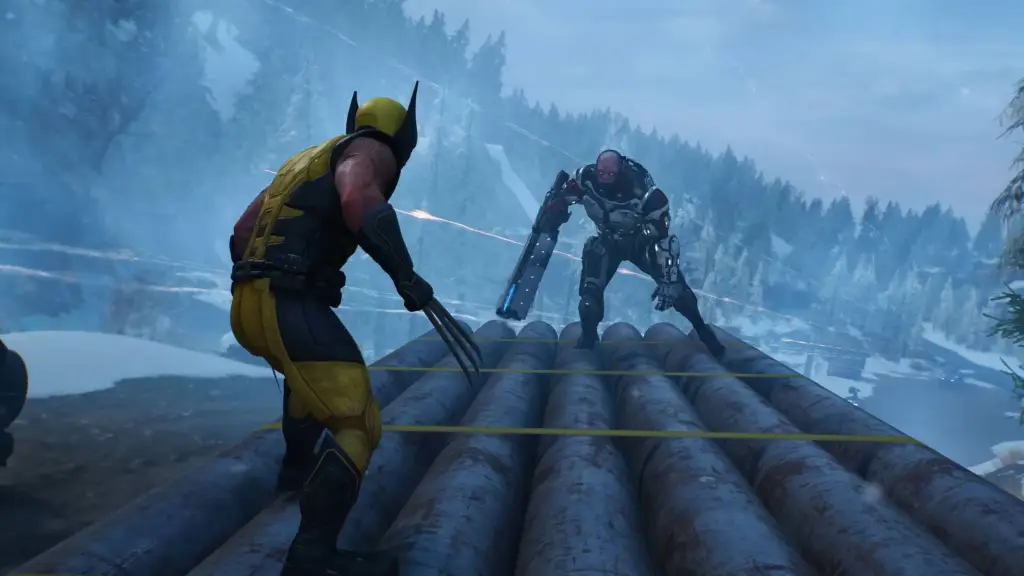
Most of Wolverine’s combat matches the expectations of players, featuring relentless offense and gory finishing moves. However, one new mechanic introduced in the extended gameplay trailer was Logan’s Rage meter, a three-bar resource he builds over time after getting hit or dealing damage to his foes. Although the full applications of this system were not broken down, it’s easy to assume that the more Rage Wolverine gets, the stronger he will become against his toughest enemies.
Marvel’s Wolverine also showed off some limited stealth systems, where Wolverine can sneak up on opponents for an instant takedown, similar to the Assassin’s Creed games. Much like Marvel’s Spider-Man, Wolverine can perform a takedown on an enemy after dealing enough damage to them, or maybe after having enough Rage built up before an encounter. Logan also has the ability to leap from target to target, launching himself forward to get up close and personal with enemies of any type.

That being said, this version of Wolverine is not indestructible, with a definitive health bar that can be impacted by enemy attacks. Wolverine can die in this game, meaning that players will have to be on their guard to not perish during a mission. Wolverine does have the ability to block and parry attacks using his claws, sometimes even using special techniques between quick attacks to kick, push, or slam enemies into unfavorable spots. Awareness seems to be at the forefront of Marvel’s Wolverine, encouraging players not to be mindless with their rage.
Logan’s Healing Factor Can Bring Players Back Into The Toughest Fights
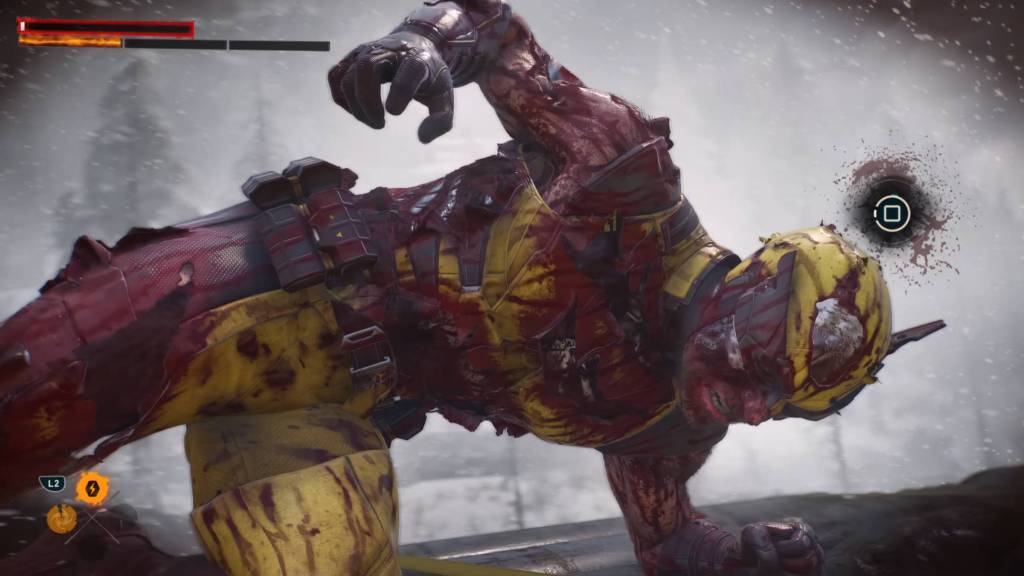
Another use of the Rage mechanic in Marvel’s Wolverine seems to be directly tied to Wolverine’s healing factor, mainly when players have their health reduced to 0. When players have at least one Rage meter built up, Logan’s healing factor will kick in when he is “defeated,” prompting the player to do a quick-time event to recover fast. If players are able to recover in time, they lose the Rage, but Wolverine’s health is completely restored.
This rapid healing state could be incredibly useful during boss fights, where you naturally build Rage just by fighting for a long time. Depending on what else Rage can do once accumulated, there could be a trade-off for holding onto it for the healing factor, or spending it for other combat benefits. Other gameplay details state that Rage may also be tied to Wolverine’s ultra-violent Berserker state when he gets three bars, so players may have to choose between the healing factor or Berserker effects.
Accessibility Options & Character Team-Ups Expand What Is Possible While Fighting As Wolverine
The brutal damage Wolverine can suffer to visualize his healing factor is nothing compared to the rips and tears he inflicts to his enemies. While some players might revel in Logan’s violence, others may want to use Marvel’s Wolverine‘s accessibility features to tone down the blood and gore. Multiple presets exist within the game to toggle the violence to lower settings, disabling the dynamic blood, dismemberment, visceral healing, or general violence present in your adventure.

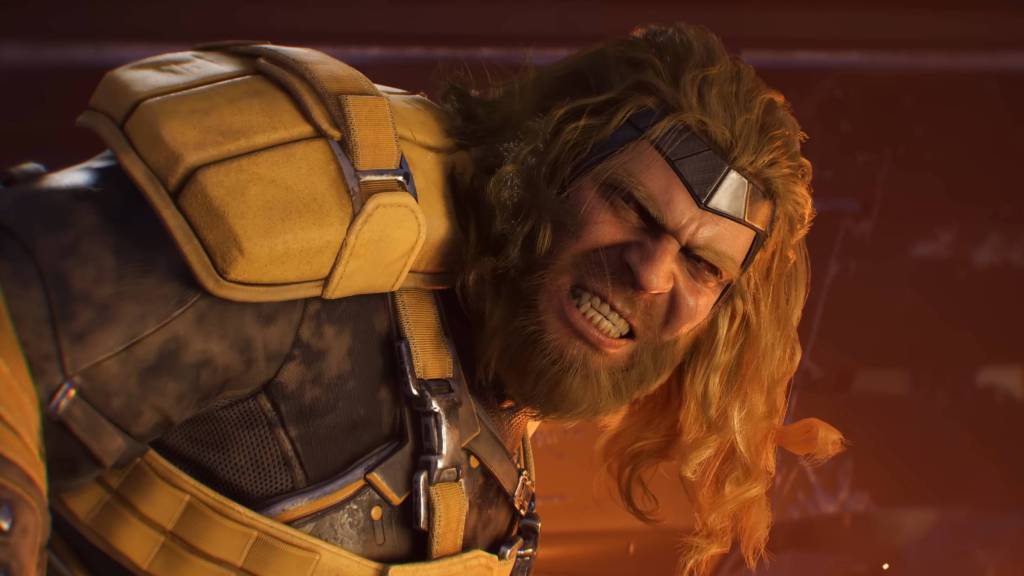
Alongside the normal combat, Wolverine will run into famous mutant characters from across Marvel Comics, some of which will aid him in fights. Figures like Jean Grey, Mystique, and Sabretooth will come to Wolverine’s aid on occasion, fighting alongside him in their own way. According to Insomniac, the relationship characters have to Logan will influence how they fight with him. For example, Jean Grey will use her telekinesis to lift enemies off the ground for Wolverine to take down, while Sabretooth will steal your kills to antagonize his greatest rival.
Special Team-Up mechanics might be dependent on a specific mission, with unified stealth take downs or special systems for boss fights. Regardless, Wolverine can perform critical strikes with certain characters, setting up enemies for their downfall far faster than normal. When combined with all the other combat systems in Marvel’s Wolverine, this game’s dynamic fighting has far more depth to explore as you unlock new skills and meet greater challenges.
What do you think about the combat systems in Marvel’s Wolverine? Leave a comment below or join the conversation in the ComicBook Forum!
More Gaming
-

Image Courtesy of Dreamworks -
Image Courtesy of Electronic Arts -
Image Courtesy of Electronic Arts