These days, the state of gaming is a mixed bag. On the one hand, it’s easier than ever to find games that suit your interests with a ton of new games in every genre and for every platform. But on the other hand, we’ve seen some big flops struggle to find their footing, and it feels like every new game is riddled with microtransactions. Not to mention release date delays and wondering if we’ll ever actually get to play games that were announced years ago.
Videos by ComicBook.com
Clearly, despite some great games coming out in recent years, there are a few modern trends these days that truly need to meet their end. These are the top trends in modern gaming that we’d love to leave behind this year.
10. Trying to Capitalize on Trends & What’s Worked in the Past
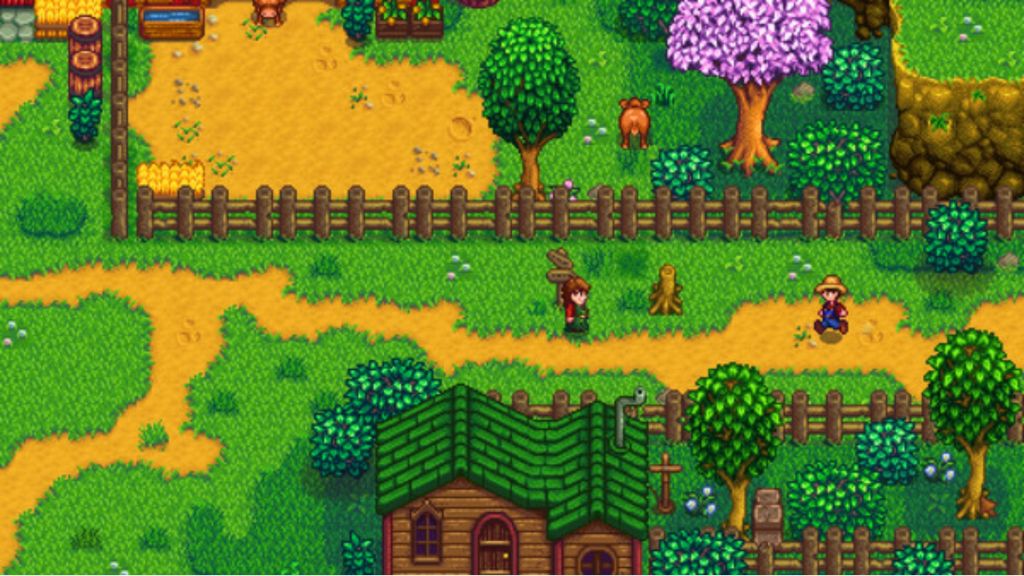
If I had a nickel for every time a new farming sim was billed as “the next Stardew Valley,” I would be rich. These days, the market feels saturated with games that try to recycle what’s worked, rather than branch out and try something new. 2025 in particular feels rife with farming sims with pixel art that tries to be the next Stardew, along with endless first-person shooters trying to dethrone Call of Duty or even call back to the Halo glory days.
As great as these games are, trying to follow trends or recreate the wheel leaves a lot of creativity unexplored. Often, the games we fall in love with don’t become our favorites because they do exactly what our last favorite game did. Rather, it’s the creativity and the freshness of a gaming experience that gives us our personal game of the year. Trying to capitalize on what’s popular or rehash what’s worked risks losing the opportunity for the next surprising something new.
9. Remasters & Remakes Over New IP or Fresh Installments
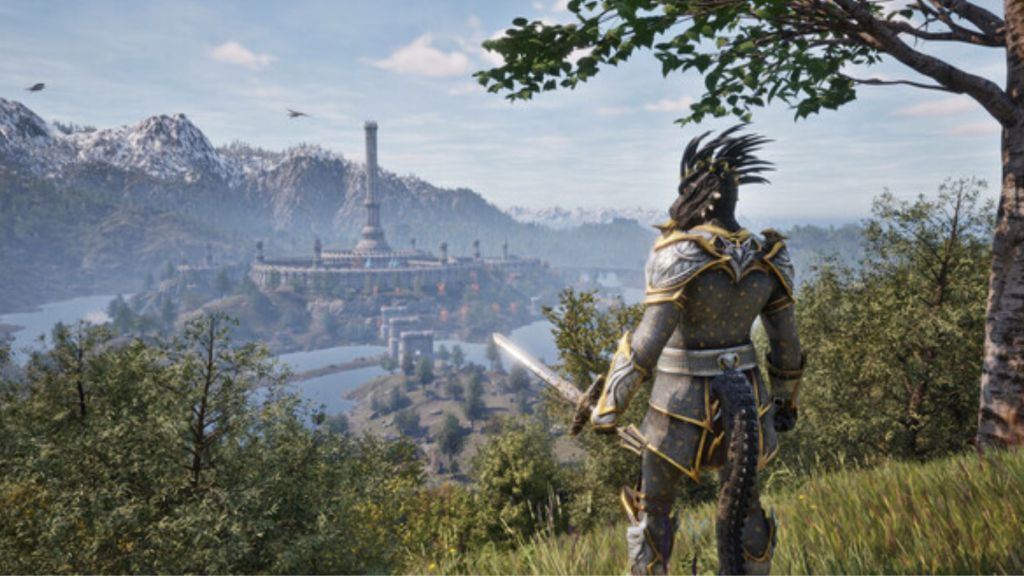
In a similar vein, it feels like we’ve had more remasters and remakes from old IP than fresh new games in recent years. I was as excited for The Elder Scrolls 4: Oblivion Remastered as the next RPG fan. But even though I’m very much enjoying my adventures in Cyrodiil, I would rather have the fully new experience of The Elder Scrolls 6 than a remaster of a story we’ve seen before.
Whether it’s big franchises stalling on their next release with another remaster or just an influx of re-releases filling up the game store, this trend is getting to be too much. Yes, nostalgia is a huge driver for sales and serotonin for the older gamers among us. But with all this energy going towards remasters and remakes of beloved titles, it feels like we’re missing out on exciting new ideas. Where are the brand new IPs, and where are those long-awaited sequels?
8. Forcing Open Worlds Where They Don’t Belong
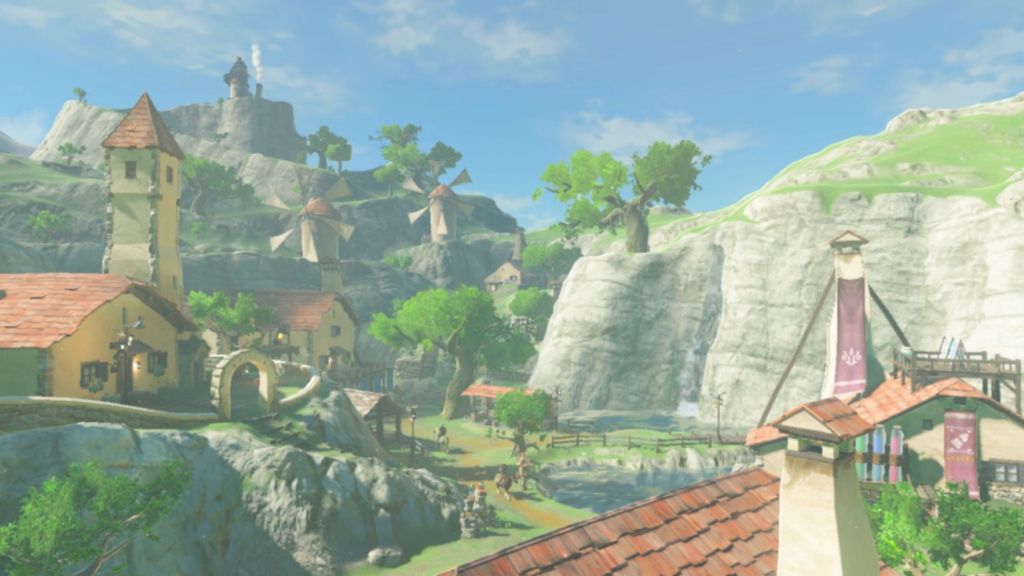
Open worlds can be amazing. They add hours of gameplay, letting players drive our own experiences and hunt down hidden gems. But not every game needs an open world, and some would be better served without it.
A big offender in this area is Pokemon Scarlet and Violet. Fans thought we wanted an open-world Pokemon game, but the end result fell a little flat. The world might be expansive, but it was also empty, without a ton to discover as you explored. The vast openness of Starfield‘s version of space is another recent example. Games forever chasing the open world format, regardless of what they’ve got to put in it, has been a big drawback in recent years. Developers need to think about the format that fits their game before defaulting to an open world just because it worked for games like Skryim and Breath of the Wild.
7. Too Many Microtransactions/DLC For Paid Games
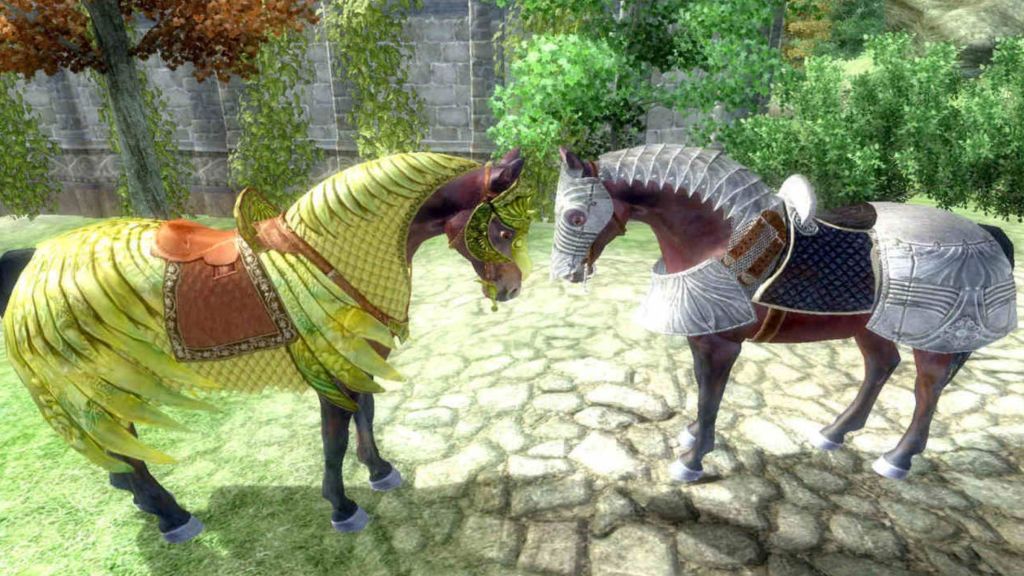
It’s no secret that I’m a free-to-play game aficionado. I will tolerate all manner of grinding for in-game currency. In fact, I kind of like the grind. However, one trend that needs to stop is the sheer number of microtransactions and paid DLC for games that already come with a hefty price tag attached.
If I’m paying full price for a game, I want to know that I’m getting the full experience. Yet these days, many full price games launch with microtransactions built in, from Battle Passes to in-game shops full of cosmetics. I’m all for earning in-game cash to outfit my character in something stunning. But paying real money to add features that should’ve come with the game to begin with? No thank you. Some games, like Pokemon Scarlet & Violet, even fail to finish the full story without forcing the player into paid DLC to get everything the game has to offer.
6. Online Only Gameplay Options, Even for Singleplayer

Have you ever tried to bring your Nintendo Switch on a road trip, only to realize that you can’t play the games you want because they require an online connection? This makes sense for games with a multiplayer component, or live-service ones that need to download new content. But these days, many single-player games force you to connect online before you can play, limiting the portability of gaming dramatically.
More games need to have offline play modes available. If you’re not playing online with others or actively checking in for the latest update, there’s no reason to require an online connection to play something like Digimon Survive. Doing so limits when and where gamers can play the games they’ve paid for, and it also adds to the likelihood that the game will vanish altogether if online support ever ends.
5. Leaving Games in Early Access Limbo
This is a particularly common problem with indie games, likely due to the need to get an influx of cash to keep a project going. But these days, too many games launch in Early Access with no real timeline for hitting 1.0. I don’t think Early Access as a whole is a bad model. Many games, like Hades 2, actually use the time period to refine mechanics and prep for a 1.0 launch. But others wind up staying in Early Access for years, to the point that players begin to wonder if a full release was ever the plan at all.
Putting a game out in Early Access shouldn’t be an excuse to get it out there early and underdeveloped, just to collect cash from players without actually finishing a game. Too many times, players opt in for Early Access for a game only to have it stay that way, getting abandoned without updates. Of course, things do happen, and it makes sense that some projects don’t hit the finish line. But in general, it’s become too common for games to linger in Early Access without transparency or a clear plan for what’s next.
4. Forcing Live Service Elements into Everything

Remember that time EA said Dragon Age: The Veilguard would have been a success if only it had included live service elements? Reader, I profoundly disagree. Adding live-service elements to every game is not the way. Sure, some games lend themselves to frequent updates, like MMORPGs and other titles meant to be played for years to come. But not every game needs live service. In fact, some games are better off without it.
Some games need a solid beginning, middle, and end. Story-driven titles focused on a single-player narrative experience don’t need a random Battle Royale or multiplayer throwaway mode. Not every game has to get constant content updates after it releases. In fact, doing this can actually hurt the replayability and longevity of a game. If a game is only good when it’s getting updates, a studio has to keep devoting resources to supporting that game forever. If they stop, the game is effectively dead. Not to mention, having constant live service updates to keep up with gets overwhelming for players. You can only remember to log in for new events so many times before you give up on the game altogether. Some games are better launched whole and complete, without the need for constant events and updates to keep players hooked on coming back for more.
3. Poor Optimization & Shoddy Frame Rates

The number of games that have launched with terrible optimization, especially for PC, in recent years is appalling. Even some games that were beloved on other platforms, like Monster Hunter Wilds, performed terribly for PC gamers. It seems likely that graphics are taking precedence over games performing well, and for those who prefer PC as their go-to platform, this is incredibly frustrating.
Gamers want the games they play to actually run well, without dropping frames or other performance issues. Not only does this break immersion, it can actually cost you precious moments in combat and exploration. If you run into lag, it can be an in-game difference between life and death. When games are released, they need to be properly optimized to run well on modern consoles and PCs that meet the recommended specs. And right now, that just doesn’t seem to be happening.
2. Announcing Games Too Early
It’s fun to have something to look forward to, but sometimes, a game needs to stay a secret a bit longer. Over the last few years, we’ve seen many prominent titles canceled seemingly out of the blue. This is in large part because games are just announced too early, before they’re really even more than an idea.
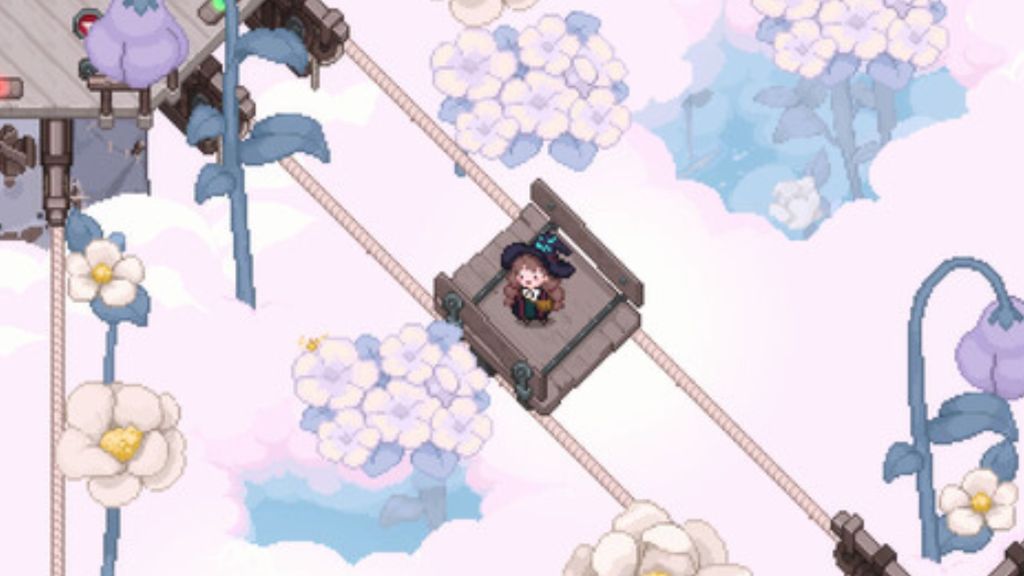
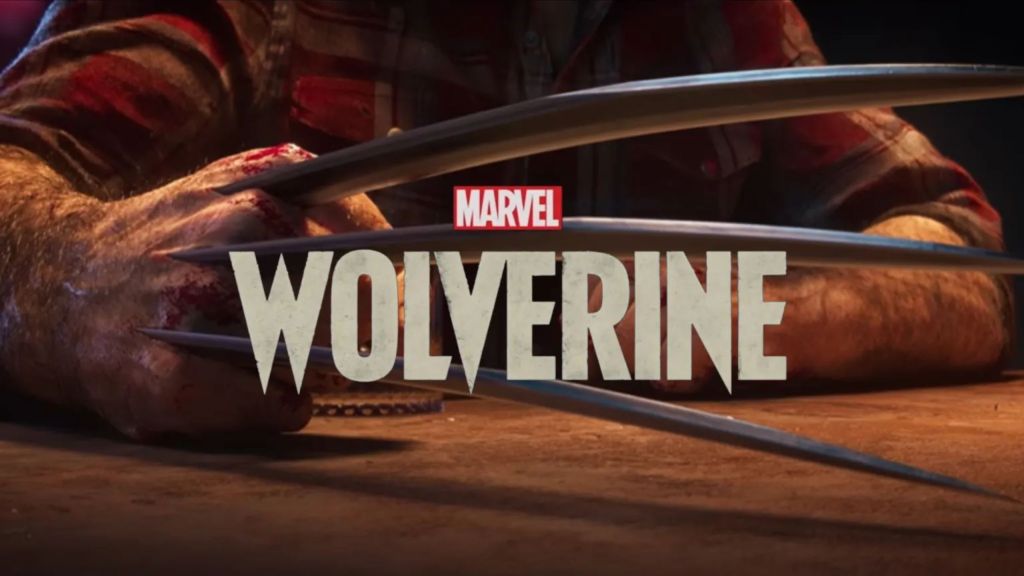
There’s a long wait, like the years of silence for Witchbrook, and then there’s projects that seem increasingly unlikely to ever see the light of day. Games like Insomniac’s Wolverine or the now-canceled Wonder Woman game should not have been revealed so long before there was anything beyond a basic concept. With games announced long before they’ll ever be ready for even a gameplay trailer, it’s harder to get earnestly hyped because it seems more and more likely the projects will never come to fruition. There’s a balance to strike here, and honestly, many game developers have been missing the mark with it recently.
1. Releasing Broken Games
Hands-down, the worst trend in gaming has got to be the release of unfinished games. And no, I don’t mean Early Access or DLC here. I’m talking about games that release with a ton of bugs and glitches, in a near-unplayable state. And it’s gotten alarmingly common in recent years.
Earlier this year, fans were shocked when highly anticipated Mindseye debuted full of glitches that made it hard to imagine what the quality assurance process for the game looked like. This trend feels hand in hand with announcing games too early, as companies seem eager to get their games out there before they’re truly ready. Rather than announce a delay, it seems, companies tend to push games out before they’re ready, with a plan to patch the issues later. This results in a bad launch day experience for fans, and it often spells the end of hype for games that might’ve been great, if they had a little more time in the oven.
More Gaming
-

Courtesy of Ubisoft