Crimson Desert is such a monster of a game to review because there are just so many moving parts to it. There’s almost too much here. It borders on absurd, but it fits like a glove when you consider that the developer behind it, Pearl Abyss, also threw the kitchen sink into Black Desert Online, one of the most complex MMORPGs out there. In many ways, you can see and feel the MMO aspect rolling through Crimson Desert, reminiscent of Kingdoms of Amalur, but unlike Kingdoms, the repurposing of MMO systems into a single-player experience did the game huge favors while keeping that “systems everywhere” feel.
Videos by ComicBook.com
The result is a sprawling fantasy experience that feels almost impossibly ambitious. Even after over 200 hours, I’m not at all done with this game. There was no way I could have been. Too many systems, too many quests, too big a world to explore. Even now, I constantly find myself discovering new mechanics, uncovering secrets tucked deep within the world, or realizing that a system I thought I understood had another layer hiding beneath it. Crimson Desert is unfathomably big, but ambition on this scale rarely comes without consequences, right?
Rating: 4.5/5
| Pros | Cons |
|---|---|
| Utterly massive, meticulously crafted world that deeply rewards exploration | Clunky controls and UI, along with inventory management that is very often frustrating |
| Visceral combat pairs with challenging, creative puzzles, all supported by a wealth of rewarding side activities. | Input inconsistencies and occasional finicky interactions in combat and the environment |
| Impressive performance complements a world packed with breathtaking, scenic vistas | The difficulty and learning curve might be overwhelming for players looking for a more laid-back experience |
| Multi-layered, emotionally engaging narrative on all fronts | Camera is geninuely painful to deal with |
| Camp progression and resource management that tie strategy, gameplay, and story together |
Combat in Crimson Desert Rewards Mastery but Punishes Ignorance

Combat in Crimson Desert is a language you are forced to learn, unlearn, and then relearn again as the game continuously expands its expectations. The early hours present a version of combat that feels readable and even familiar, drawing on the shared vocabulary of modern action games. That familiarity is deliberate to ease you into the system. It creates a foundation of confidence that the game slowly begins to destabilize, introducing enemies and encounter design that expose the limitations of relying on instinctive button mashing alone. What initially feels intuitive gradually reveals itself to be layered with rules that demand precision and, above all, awareness.
As encounters grow more complex, the underlying systems begin to assert themselves in ways that feel both punishing and rewarding. Invulnerability frames are not generous safety nets but exact windows that must be respected. Enemy Super Armor forces a reconsideration of offensive habits, making it clear that not every attack is meant to interrupt. Groups of enemies are positioned in ways that challenge spatial awareness, turning what could have been straightforward engagements into dynamic scenarios where positioning becomes just as important as execution. The result is a combat system that resists simplification, constantly asking you to adapt rather than settle into repetition.
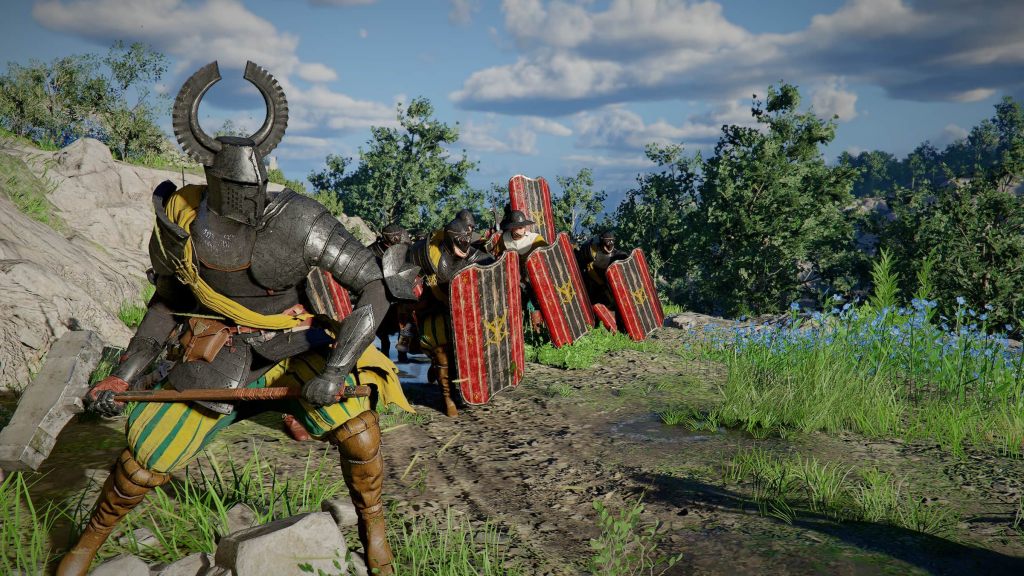
What elevates this system is how it evolves alongside your understanding. There is a tangible shift that occurs after dozens of hours, where confusion gives way to recognition, and recognition evolves into intentional play. I began to see patterns not just in enemy behavior, but in the systems themselves, identifying moments where specific abilities could create openings or where positioning tools could control the flow of an encounter. Combat transitions from reaction to interpretation, from surviving encounters to shaping their ebb and flow.
Mechanics aside, combat in Crimson Desert is pure exhilaration. Every swing and blow lands with the weight of a mountain collapsing atop your foes. Clotheslining a charge of enemies and slamming them headfirst into the earth never loses its thrill, no matter how many times it happens. Each impact resonates through both sight and sound. Even after 200 hours, the feeling of combat remains breathtaking and endlessly satisfying, making every encounter feel like an event worth savoring.
Crimson Desert Delivers a Shockingly Relentless Challenge
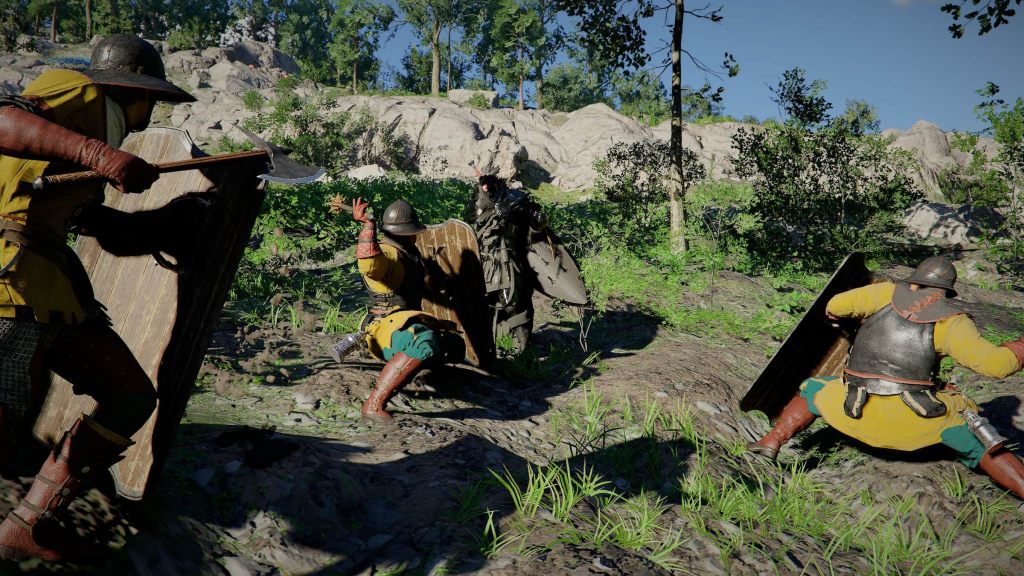
Difficulty in Crimson Desert deserves its own section due to how impactful it is to the overarching gameplay. Despite pre-release media painting a picture of ease due to marketing, the game is surprisingly challenging by default. There is no slider or setting to allow you to adjust the difficulty either. It is a philosophy that informs every aspect of the design, too, shaping how you interact with the world and how the world responds in return. From the outset, the game establishes an expectation that progress must be earned, not granted, creating an experience that prioritizes engagement over accessibility. This approach can be immediately jarring, particularly in a landscape where many games, especially in the open world genre, are designed to minimize friction.
The absence of direct guidance extends beyond combat into exploration, quest design, and progression systems, creating a sense that the game is less interested in directing you and more interested in challenging you to interpret its systems. Objectives are often presented with minimal context, usually a marker on the map only, requiring further observation and deduction rather than simple adherence to said markers. This design encourages a deeper level of engagement, where success is tied to understanding rather than compliance.
Boss encounters represent the most concentrated expression of this philosophy, functioning as deliberate barriers that test your ability to utilize everything you have learned. Many of these fights are extremely difficult, but they are also instructive, designed to expose weaknesses in understanding and force adaptation. Failure is not only expected, but it is also integrated into the learning process, creating a loop where each attempt brings the player closer to mastery, similar to what you’d find in a FromSoftware title.

The inclusion of consumable healing items introduces an interesting layer of flexibility within this framework, allowing you to mitigate some of the difficulty through preparation. However, this system is carefully balanced to prevent it from undermining the core design. While it is possible to rely on consumables to push through certain challenges, doing so often reveals gaps in understanding that become impossible to ignore in later encounters. Sustaining that “food spam” approach also carries practical limitations, as acquiring and managing resources required to prepare such consumables takes quite a bit of time and effort that could be spent developing skills instead. This creates a natural incentive to engage with the systems, reinforcing the idea that true progress comes from mastery rather than circumvention.
In hindsight, I realized that many encounters were built up from others that I had previously run into. Had I attempted or succeeded in brute forcing through the use of constant healing consumables, I would have been deeply worse for wear later in the game. Personally, I think this is a fantastic balance, though I’m certain some will not like the difficulty present. Crimson Desert is not an easy game, and it is rather shocking to experience the challenge considering the game’s genre. Even so, the difficulty is welcome in my book.
Camp Management Becomes the Heart of Your Adventure
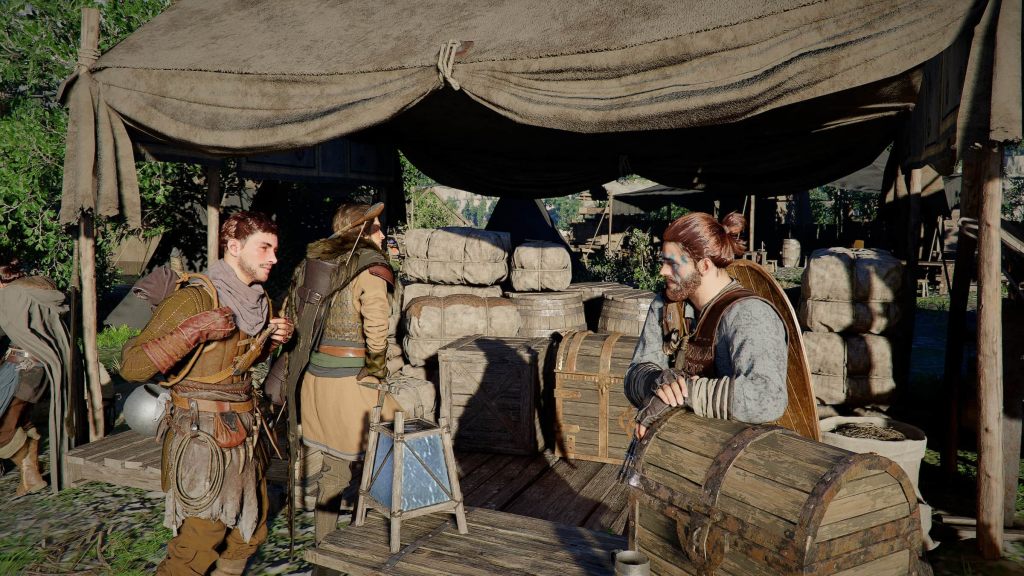
The camp system in Crimson Desert is where my time spent exploring and fighting started to coalesce into tangible progression. Early on, the camp felt like a convenient hub, a place to check inventory, send out a few missions, and return to later. But as I spent more time interacting with it, the camp revealed itself as the beating heart of the experience. Upgrading structures, recruiting new members, and strategically sending them on dispatch missions became as engaging as combat itself. Each decision carried weight, and I felt increasingly invested in the outcomes.
Dispatch missions were a particular highlight. Assigning the right Greymane to the right task required more than just glancing at a name. I had to evaluate skills and camp resources to ensure the mission succeeded efficiently. Sending someone to gather apples from an orchard might seem simple, but assigning the wrong person could cost more resources than what was needed. Similarly, raids on enemy strongholds demanded careful planning and the right mix of personnel to even begin. I felt a genuine sense of strategy in these moments, and seeing the camp benefit from my decisions gave me a rare feeling of ownership in an open-world game.
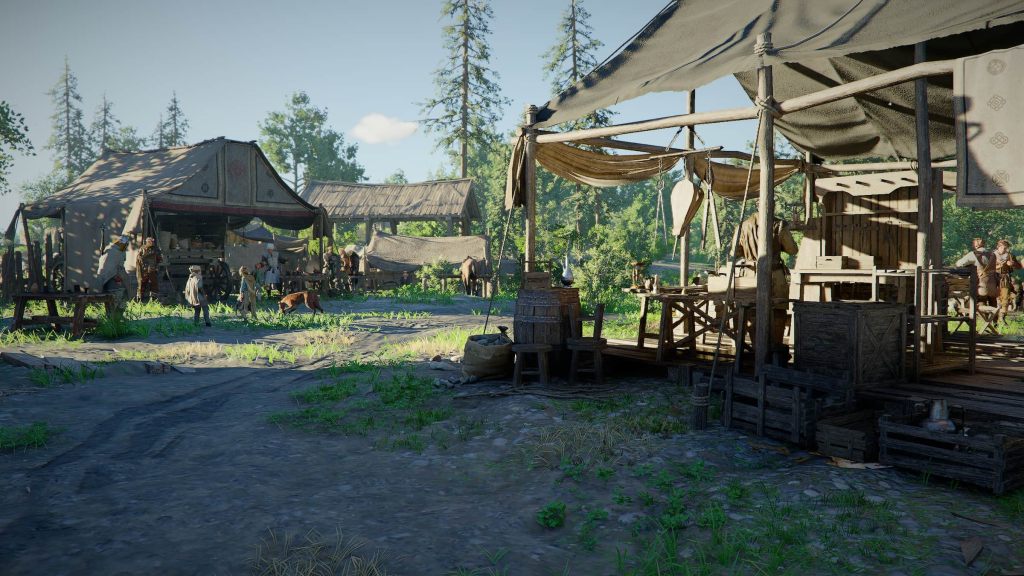
Recruiting members for the camp became a rewarding pursuit in itself. I actively sought individuals who could expand the camp’s capabilities, whether that meant unlocking new crafting options or enabling more complex dispatch missions. Each new member added depth to the camp’s systems and increased the tactical options available. As my roster grew, I found myself considering not just what I needed immediately, but what might serve me best in the future, creating a strategic layer that enriched the overall adventure.
What really impressed me was the sense of progression that emerged from these systems. The camp is not just another mechanic: it is the anchor that ties together exploration, combat, and resource management as a whole. Watching it grow and evolve made me feel connected to the world in a way few games manage. By the time I reached the mid-to-late game, the camp had become something I genuinely cared about maintaining and expanding, and it elevated every other aspect of the adventure. Not to mention it was extremely useful as well.
Ultimately, the camp is a lens through which the game’s complexity becomes understandable. It encourages planning and engagement, and it rewards diligence and creativity. It is simultaneously a strategic playground and a mechanical anchor.
Exploration Delivers One of the Most Immersive Fantasy Worlds Ever Built
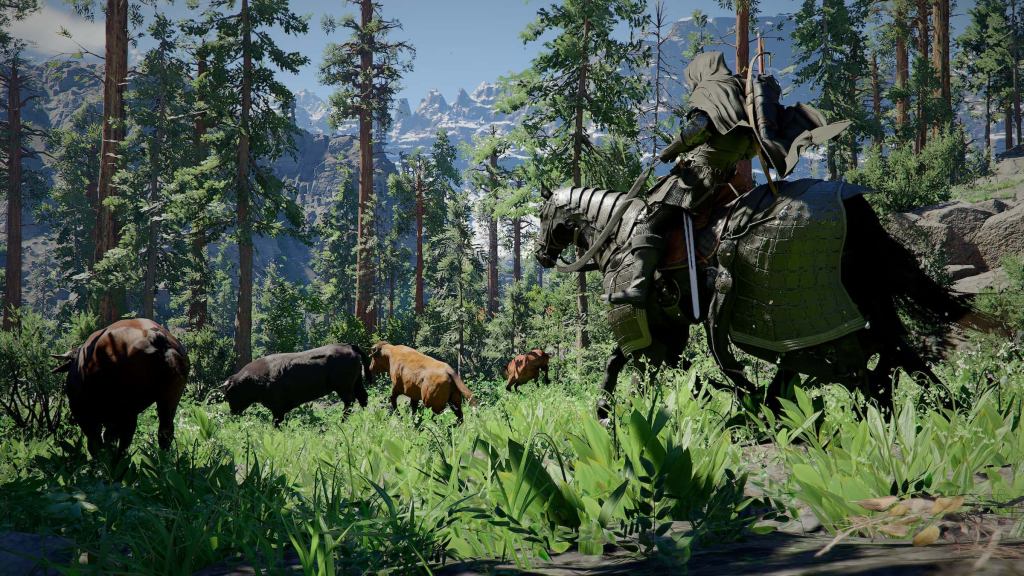
Stepping into Crimson Desert is like opening a living storybook where every river and ruin whispers secrets waiting to be discovered. I spent hours wandering without direction, yet I was never idle or bored. Light glinted off water in a way that made me pause, fog clung to the edges of swamps like a veil concealing mysteries, and distant fortresses stood not as decoration but as invitations. Every detail, from the curvature of a bridge to the way a tree’s shadow stretched across the ground and the distant echo of a blacksmith’s hammer, made me feel the world’s heartbeat, and I became a part of it simply by moving through it. Exploration here is an act of presence where curiosity is rewarded by discovery that feels both organic and earned.
The world demanded that I look, climb, and engage in ways beyond following quest markers. I manipulated physics-based objects to solve subtle environmental puzzles, investigated caves for hidden herbs and materials, and tracked elusive wildlife whose behavior was both beautiful and tactically useful. Each choice, each detour, revealed layers of the world that were invisible at first glance. A sunken cart in a river hinted at a local legend, a broken statue suggested long-forgotten conflict, and a lone traveler could offer both practical resources and narrative depth. I felt the thrill of uncovering secrets and learned that patience and observation were more valuable than sheer force or speed.
Even moments of traversal became exercises in attentiveness and delight. I scaled towers to survey distant lands, noting the shifting shapes of villages and fortresses as weather moved across the terrain. I followed the flow of rivers to discover hidden camps, and sometimes the mere act of climbing a craggy cliff led to a vista so breathtaking it demanded I stop, breathe, and absorb the artistry. The world’s composition, including the interplay of architecture, natural forms, lighting, and weather, felt intentional and responsive to my curiosity, rewarding my attention with both resources and wonder.
Crimson Desert also respects subtlety in its world design. Asset reuse exists, but it is never lazy; each village, ruin, and fortress carries its own personality. I found myself marveling at how interior layouts and the positioning of objects told stories without a single line of dialogue. Even the small encounters, such as a group of children chasing chickens, made the world feel inhabited. Even after hundreds of hours, I stumbled upon areas that were unfamiliar, proving that no corner was wasted or meaningless.
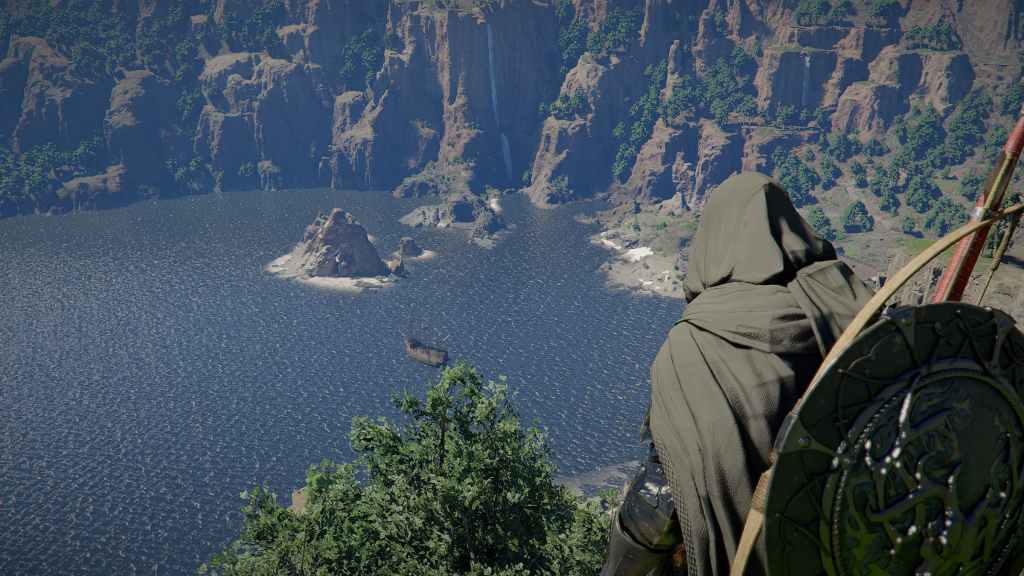
Ultimately, exploration in Crimson Desert is a symphony of sight, sound, and subtle narrative, where every step is mesmerizing. I became not just a player, but an observer, a wanderer, and an investigator, rewarded endlessly for my hungering curiosity. The game’s world is an odyssey in itself, and it is the very medium through which the adventure unfolds. Each dubious journey outside the safety of my camp left a memorable imprint.
Strong RPG Systems Offer Solid Build Depth
Now, there is an elephant in the room when discussing Crimson Desert: despite marketing insisting this is not an RPG, its systems, mechanics, and progression unmistakably anchor it firmly in role-playing territory. For all intents and purposes, Crimson Desert is an action-adventure RPG in a similar vein to Monster Hunter. Sure, there are no levels or experience, but there are plenty of other things that highlight this.
Abyss Cores alone demonstrate this hidden identity. These cores, loot from various activities, slotted into weapons and gear, allow you to sculpt combat with almost alchemical precision. I experimented with various cores that boosted critical strike chance and attack damage, just to name a few. Then there are the more fantastical options, like a core I purchased from a shady merchant that let me unleash blood gouts from the tip of my sword, transforming every stab into a bloody spectacle. Each core I chose altered how I approached combat and how I planned my build, ensuring that mastery demanded both creativity and thought.
This intricate system is the main reason buildcraft exists in Crimson Desert. I could create a setup that favored staggering enemies quickly with a flood of homing shadow ravens, or alternatively, one that combined burst effects with Spirit regeneration, or even a mix that exploited multiple weaknesses simultaneously. Due to this, builds require deliberate thought. By midgame, I felt like I had crafted a powerful setup specialized toward taking down elite enemies as quickly as possible. Why elites, when I could shoot blood clots from my blade? Elites are really strong, and killing them quickly in a large fight is more valuable than you think.
Character development and skill progression deepen this RPG identity further. Every stat investment, skill upgrade, and enhancement I selected shaped combat and world interaction. The game constantly encourages experimentation, and the repercussions of my choices ripple across combat, resource management, and even environmental interaction.
The Knowledge system further defines the RPG core of Crimson Desert. Unlike standard quest logs or encyclopedia entries, Knowledge accumulates through observation and engagement with the world. This system rewards curiosity, giving tangible mechanical benefits that especially impact crafting, but also combat and exploration. For example, discovering the knowledge for a recipe that let me craft food that gave me significant ice resistance allowed me to prepare for a particularly taxing encounter. Knowledge is not passive; it encourages active participation in exploration and makes the world feel engaging as a result.
Narrative Craftsmanship Anchors the Entire Experience
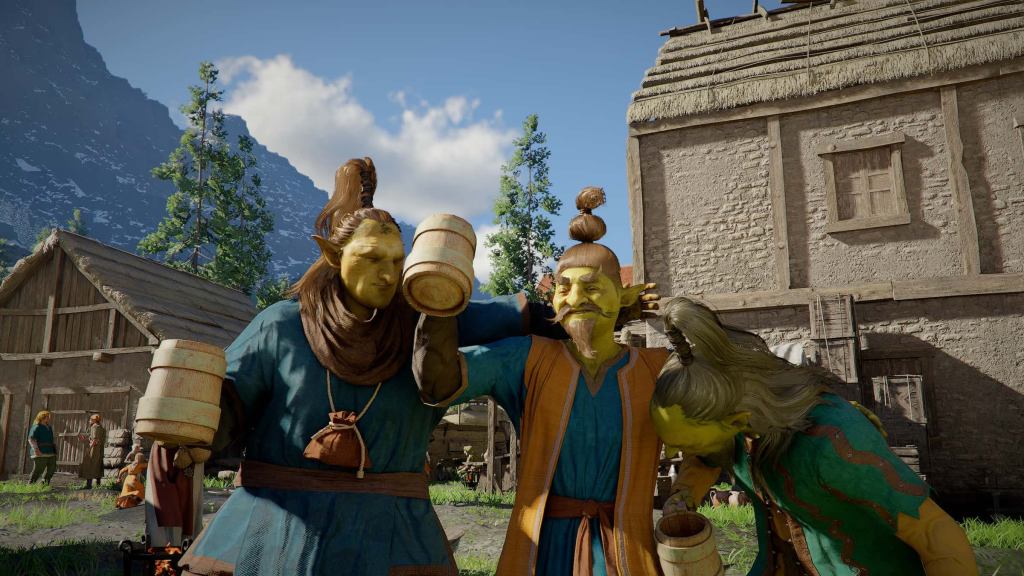
Crimson Desert’s narrative is a masterclass in layered storytelling, carefully crafted to unfold across three intertwined dimensions: the main plot, the lives of the Greymanes, and the smaller world stories that bring Pywell to life. Without any spoilers attached, the main story unfolds with deliberate pacing, giving you time to absorb context and character motivations without feeling rushed. Early hours introduce factional conflicts and personal stakes, laying a foundation that makes every later event resonate. It’s an interesting fantasy tale that houses a lot of known tropes, but spins them in ways that keep everything flowing nicely, even if it’s a bit slow at the start.
The Greymane storyline is the beating heart of this experience, even over the main plot. Kliff and his companions function as an extraordinary found family. Each Greymane has their quirks, ambitions, history, and the interactions between them feel remarkably organic and heartwarming. Watching these bonds deepen over time was honestly moving. The camaraderie, teasing, encouragement, and protection displayed within the group create a rare sense of belonging and emotional warmth in a game of this scale. Their interactions make the camp feel joyful, infused with laughter and raw loyalty; the shared triumphs of a family that truly looks out for one another. It’s great stuff.
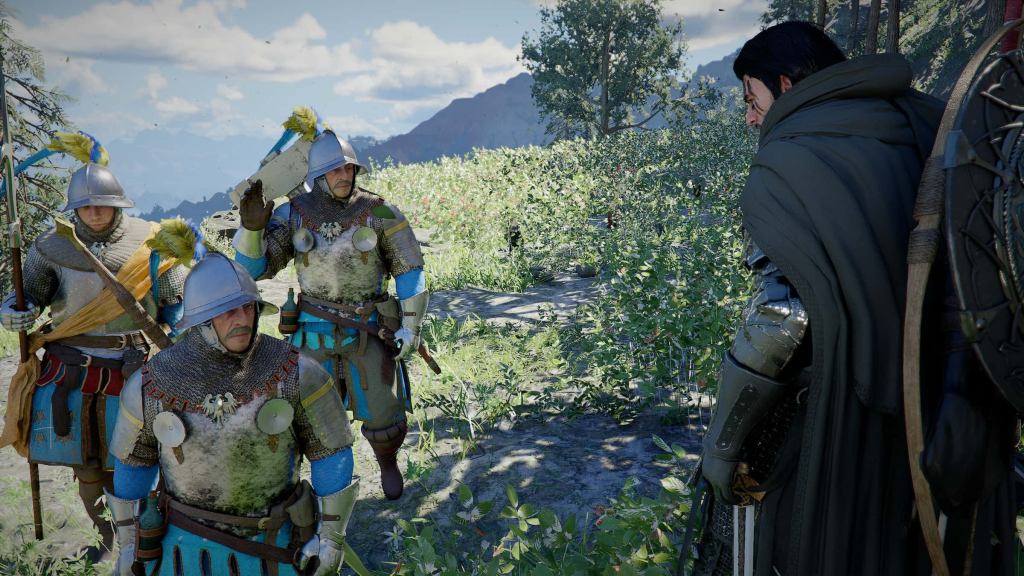
Kliff himself emerges as one of the most compelling protagonists I have encountered in years. He perfectly balances strength with leadership and personal connection. In many ways, he reminds me of Clive from Final Fantasy XVI with his commanding presence and moral pragmatism, yet he also carries the grounded stoicism and tactical intelligence of Geralt of Rivia from the Witcher franchise.
Beyond his combat prowess, what makes Kliff extraordinary is his role within the Greymanes. He is the glue that binds them, the almost-father figure that anchors and stabilizes their world. He is the best friend, the mentor, and the protective figure all at once. Seeing him interact with the Greymanes, the genuine care, subtle guidance, and occasional playful teasing, creates moments that are both heroic and deeply touching. He is every man’s man, but in a way that elevates him to someone players can feel emotionally invested in, not just admire.
World stories supplement these layers, threading smaller narratives into the larger tapestry of Pywell. From helping citizens with simple tasks to encountering morally complex factional conflicts, these stories reinforce the sense that this world is vibrant and responsive. Each interaction adds texture and deepens engagement with the main story. They make exploration purposeful, connecting gameplay with narrative weight, and strengthening the feeling that the player’s presence matters in a living, breathing world.
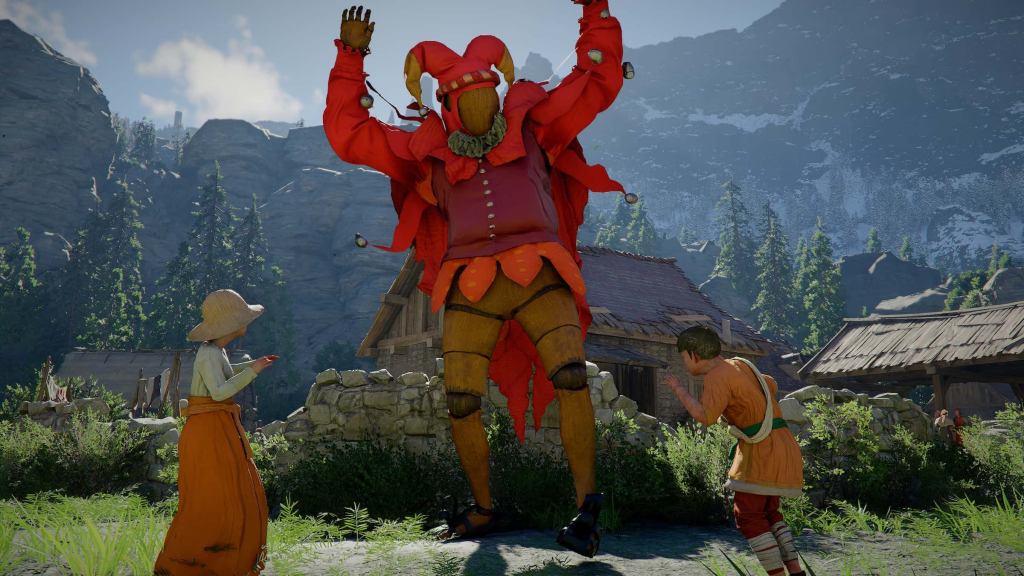
In combination, these narrative layers make Crimson Desert’s story both expansive and intimate. The careful pacing, the depth of the Greymanes’ relationships, and the integration of personal and world stories ensure that every moment carries emotional resonance. The heart of the game is unmistakably the bonds Kliff shares with his friends, a family forged in battle, loyalty, and shared experience, and that emotional center transforms every struggle and every quiet moment into something memorable and profoundly human.
Graphics and Performance Impress on Every Level
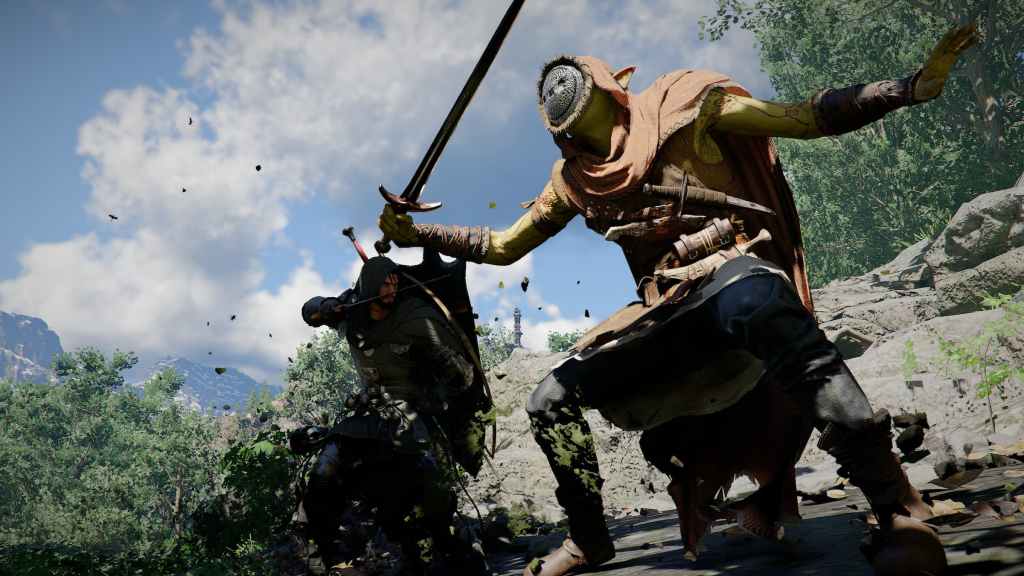
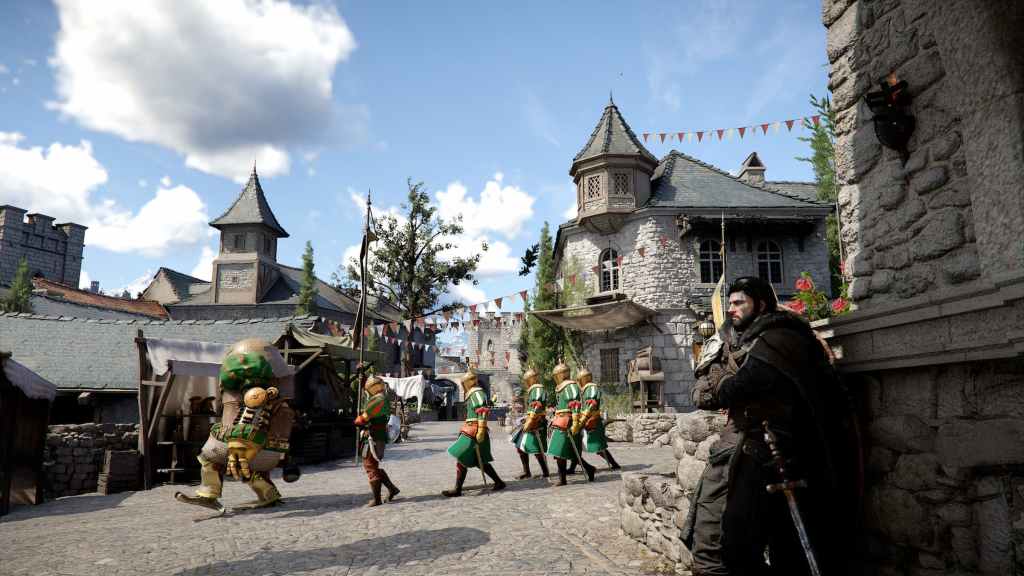
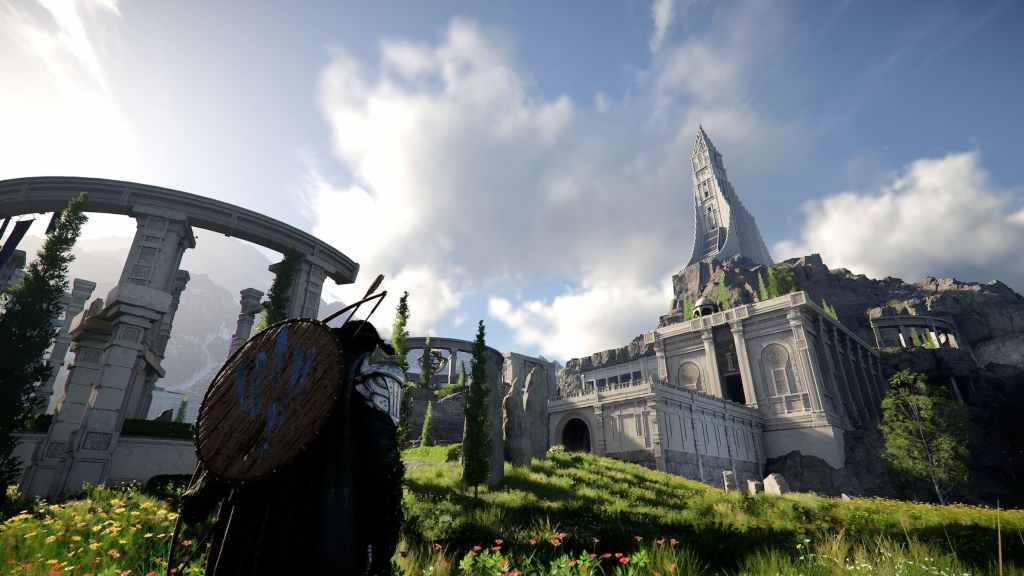
I don’t think it needs to be said, but Crimson Desert looks incredible. The landscapes are detailed and varied, from rugged mountains to bustling villages. Light, water, and shadows are handled realistically, and small touches, like wildlife moving through fields or weather changes, make the world feel active and moving, even if you’re not close by. Occasionally, visual oddities pop in, such as distant objects or foliage appearing suddenly. Players familiar with Black Desert Online will recognize this trait, as it seems to have carried over from the studio’s previous work. Hardly a big deal though, and very rarely even noticeable.
Character models move with remarkable fluidity, their expressions and gestures conveying weight and intention. Armor and weapons react to the environment in ways that make each encounter feel grounded. Enemies telegraph attacks through motion alone, and the environment communicates subtle cues without the need for intrusive prompts. It is a world designed to be read with your eyes, and that is a very good thing in a game focused on combat and exploration.
My also very happy to report that performance is steady, even in the thickest battles or the most visually dense areas. On a GeForce RTX 3060, I was able to maintain at consistant 60 FPS, while switching to a 4090 let me push well beyond that with ease. Frame rates remain smooth, and loading is nearly invisible as zones shift seamlessly around you. When surprises occur, like sudden weather changes or hordes of enemies appearing, the game holds together without stutter or slowdown. I did have a few crashes, but they were many hours apart and far from a regular occurrence.
Mechanical Frustrations Hold Back the Experience A Bit
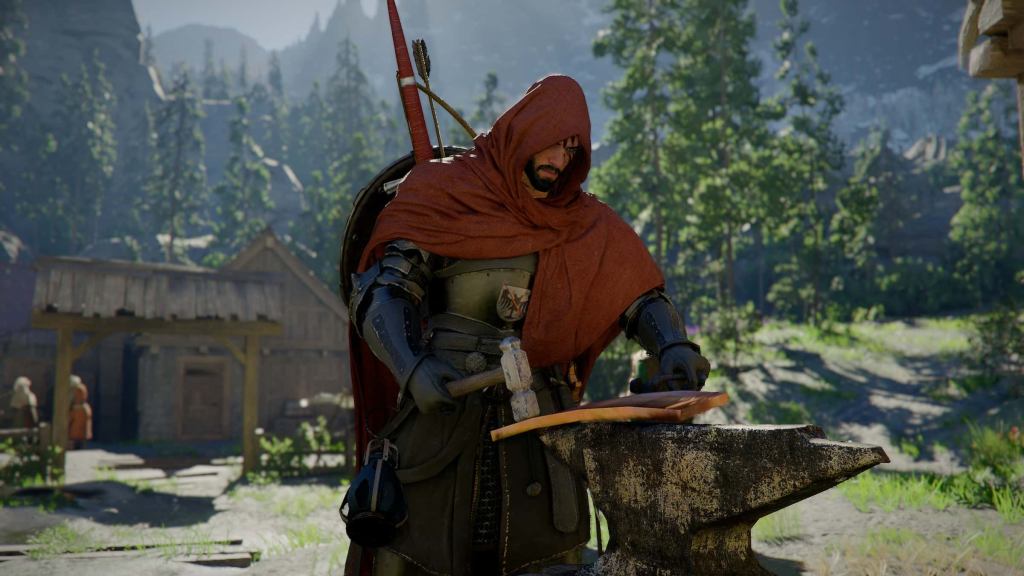
Despite all the beauty, Crimson Desert is not without its flaws, and some are distracting enough to temper the overall experience. The user interface often feels cumbersome and unintuitive. Managing inventory becomes a constant task as loot piles up and storage options remain limited. Even with nearly 200 slots, I found myself repeatedly juggling items, making frequent trips to vendors, and prioritizing resources in ways that broke immersion during exploration and combat. These interruptions were enough to pull me out of the moment more often than I would have liked and reduced the overall enjoyment I could take from the game, but not enough for me to drop the score.
Input inconsistencies further complicated gameplay. Basic maneuvers such as jumping, dodging, or performing combos sometimes failed unpredictably. Interacting with objects or NPCs could require multiple attempts, and even something as seemingly simple as drawing a bow could be frustrating if the timing was off, often resulting in missed shots or wasted resources. While none of these issues is catastrophic individually, together they created frequent moments of irritation that distracted from otherwise immersive systems. Even when engaging with the camp or dispatch missions, slow menus and awkward inputs made routine management feel tedious at times.
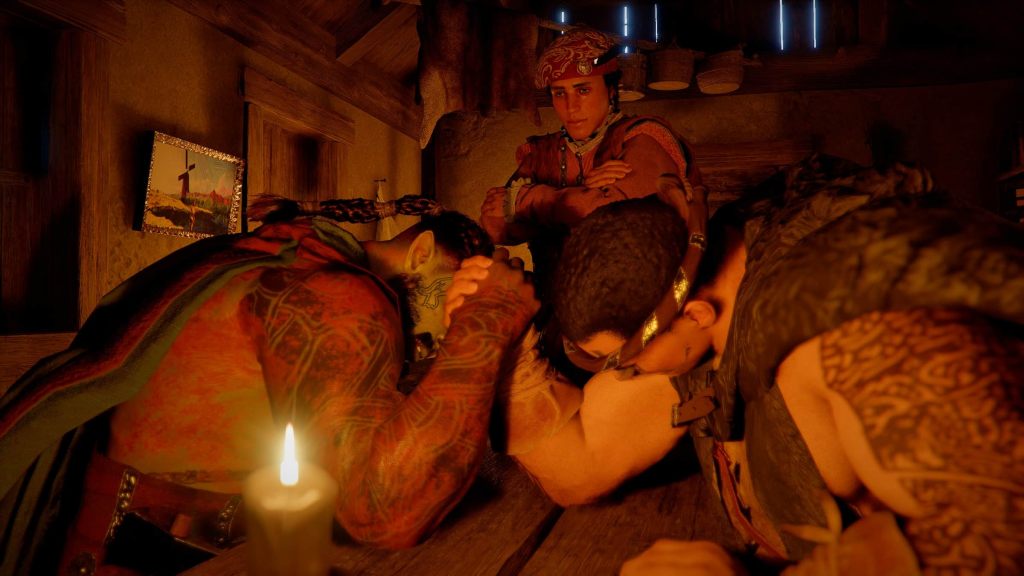
Certain systems, including crafting, equipment enhancement, and Abyss Cores, rely heavily on experimentation rather than clear guidance. Understanding how different Abyss Cores affect weapon abilities or how upgrades interact with builds requires trial and error. While discovery can be rewarding, in practice, it sometimes becomes tedious, especially when it disrupts pacing or preparation for difficult encounters. These mechanical frustrations did not ruin the game by a long shot, but they were consistent enough to affect my enjoyment in short-term bursts.
Ultimately, Crimson Desert is a game built on impossible ambition, meticulously realized. Its UI frustrations and annoying inventory management are most certainly setbacks from true perfection, but they cannot and do not obscure the brilliance beneath. Even with these flaws, it undoubtedly stands atop the peaks of open-world games, looking down on nearly everything else alongside legends like Elden Ring. It is a triumph of scale and vision; a world that lingers long after the play session ends.
ComicBook was provided a Steam code for the purposes of this review.
What do you think? Leave a comment below and join the conversation now in the ComicBook Forum!
Most Viewed
-

Image Courtesy of MAPPA -

Image courtesy of Marvel Studios -

Image courtesy of Marvel Studios