Over two decades later, Psychonauts remains a highlight of the platformer genre. Debuting April 19, 2005, Psychonauts introduced audiences to Raz, a daring acrobat’s son and aspiring psychic agent whose darkly comedic and surprisingly emotional adventure takes him through a dozen wildly unique mental landscapes. While the controls may feel clunky by modern standards, the creativity of the worldbuilding, cleverness of the level design, and charm of the story make it a timeless success.
Videos by ComicBook.com
That legacy feels especially rewarding because, for a while, the game was considered a cult classic at best — and that’s after it barely managed to cross the finish line and reach players. The original plans for Psychonauts would have made Raz an exclusive star for the Xbox early in the history of the console, potentially turning the psychic into an icon. 21 years after he debuted, here’s how Raz almost became Microsoft’s true answer to Mario and how he survived a tumultuous development to become a beloved cult classic.
Psychonauts Was Originally Meant To Be An Xbox Exclusive
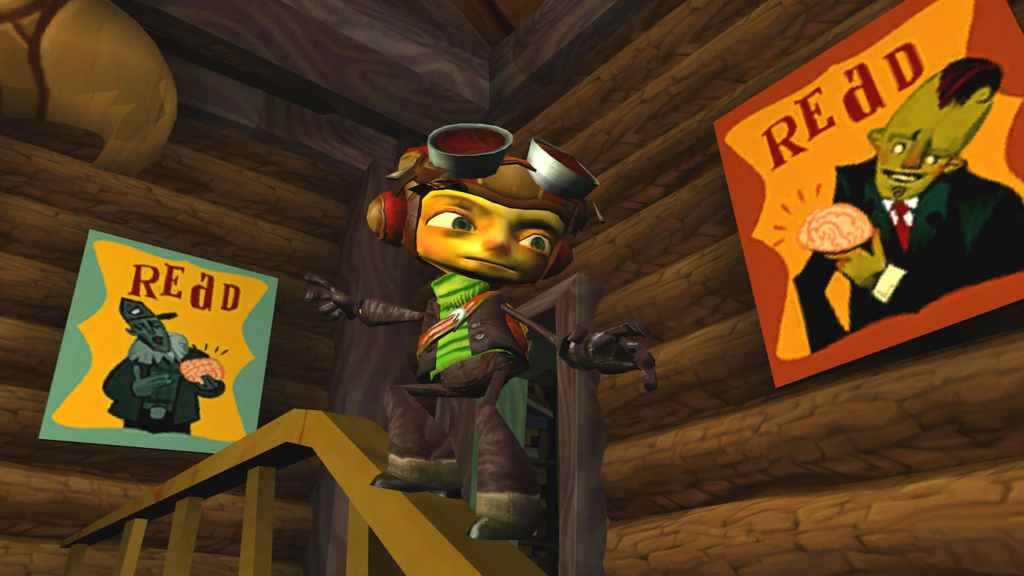
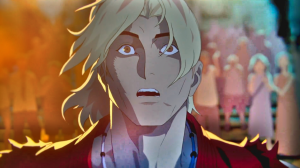
The debut title by Double Fine Productions, Psychonauts, focuses on Raz. The game follows an aspiring telepathic hero who is forced to untangle a conspiracy at a summer camp for psychics. The distinct art design gave the game a unique sense of personality instantly, all while fitting in nicely with the typical graphics of the time. Outside of the overworld settings, much of the action in Psychonauts takes place within the minds of various people that Raz encounters. Each level is therefore constructed by the psyche of the NPC, leading to all sorts of creative level designs and gameplay tweaks that reflect the personalities, fears, and secrets of each person Raz encounters. Intrigued by the mechanics of games like Super Mario 64 and interested in moving away from point-and-click adventures when he left LucasArts, creator Tim Schafer’s long-brewing ideas for an adventure game began to formulate in the late 90s.
The idea caught the attention of Ed Fries, a VP of game publishing at Microsoft. Seeing potential in the concept, Fries pushed for Psychonauts to be an exclusive title for the Xbox when the game entered development in 2001. However, various delays resulted in the game being delayed for years, with Microsoft pulling its publishing deal with Double Fine after Fries left Microsoft in early 2004. Double Fine was able to survive long enough, thanks to a loan from Maxis co-founder Will Wright, to make a new deal with Majesco Entertainment to publish the game. While Psychonauts still landed on the Xbox, it was joined by a release on Windows and later on the PlayStation 2.
Although Psychonauts was critically acclaimed, it didn’t become a huge seller and only really gained momentum when its quick elevation as an instant cult classic led to players seeking it out. Double Fine’s acquisition of the rights for the game allowed them to make the game more readily available, which in turn made the game into a verifiable success. Since then, Double Fine has produced two sequels: 2017’s VR adventure Psychonauts in the Rhombus of Ruin and 2021’s Psychonauts 2. The series has become a fan favorite, with typically strong reviews and good sales in the modern market. However, it took a while to get to that point, thanks to the internal delays the team faced during development and Microsoft’s decision not to publish the game itself.
Psychonauts Could Have Been Xbox’s Mario
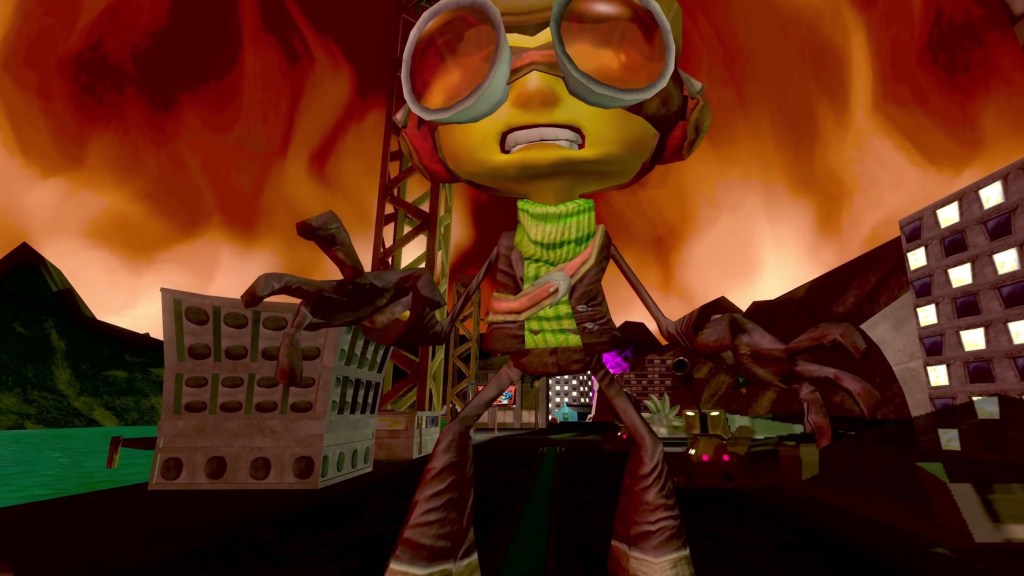
That latter choice feels especially ridiculous in retrospect, given the potential that Raz has displayed in the years since. Raz works very well as a platforming character, with a natural sense of adventure and a tailor-made ability to learn new powers for new adventures. He also works naturally well as a mascot character, the kind of character that can easily appeal to broad audiences and embody the spirit of the console they’re on. Raz was, in many ways, a perfect figure for the Xbox — a brash new kid with lots of potential and the drive to pay off his inventive ambitions. The world established by Psychonauts is one of limitless possibilities, given the way each level is inherently designed to be entirely unique in terms of both gameplay and design. The different levels could allow for plenty of developers to play with the concept and introduce their own wrinkles on the setting.
Given the initial deal between Double Fine and Microsoft, it’s worth considering how Psychonauts might have fared if it had been a first-party exclusive that came out closer to the launch of the Xbox instead of towards the end of the console’s lifespan. The game would have benefited from the full weight of Microsoft’s advertising potential, which could have helped get the game off the ground quicker with a broad audience. Raz could have generated plenty of adventures and become just as important to the public perception of the company as Mario is to Nintendo. The inherent marketability of the character and his world could have translated into cross-media material like films or TV shows. Double Fine could have gotten more support after bringing a critically acclaimed title to the Xbox, potentially opening the floodgates for the developer to continue experimenting with a larger canvas. There’s a world where Psychonauts became a part of the Xbox brand identity, which would have realized the full potential of this terrific title. Still, if this was the path that got us the game and the just as good sequel, it was all worth it in the end.
More Gaming
-

Courtesy of The Coalition