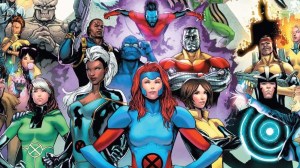
Events are, in many ways, the lifeblood of superhero comic books. The biggest names in superherodom are far from the only heroes in town, living alongside other like-minded costumed crusaders who fight evil together as much as they do on their own. For example, each of Marvel’s comics highlights a different section of the massive Marvel Universe, with every hero, villain, and side character being a brick in this house of ideas cobbled together over decades. Every hero has their own adventures, and while there’s certainly some crossover, typically they operate on their own. That’s exactly what makes events so important. It lets all the characters we know and love come together and tell a single story, making the world feel connected and alive.
Videos by ComicBook.com
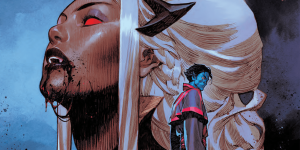
Obviously, pitting all the incredibly powerful heroes against a single threat that they still struggle to bring down is also a fantastic way to break tension. Events bring these disparate stories together under one umbrella with an awesome central conflict. However, there’s no denying that Marvel’s events have felt lackluster recently. “Queen in Black” is a prime example of the problems with modern Marvel events, as while the majority of it is well written, it reads as empty or lacking impact. Thankfully, the X-Men have shown us how to break out of this slump, as “DNX,” their newest event, has fixed all of these problems by lowering the scale and focusing on what’s important: the characters.
Intensity Versus Scale Over Function
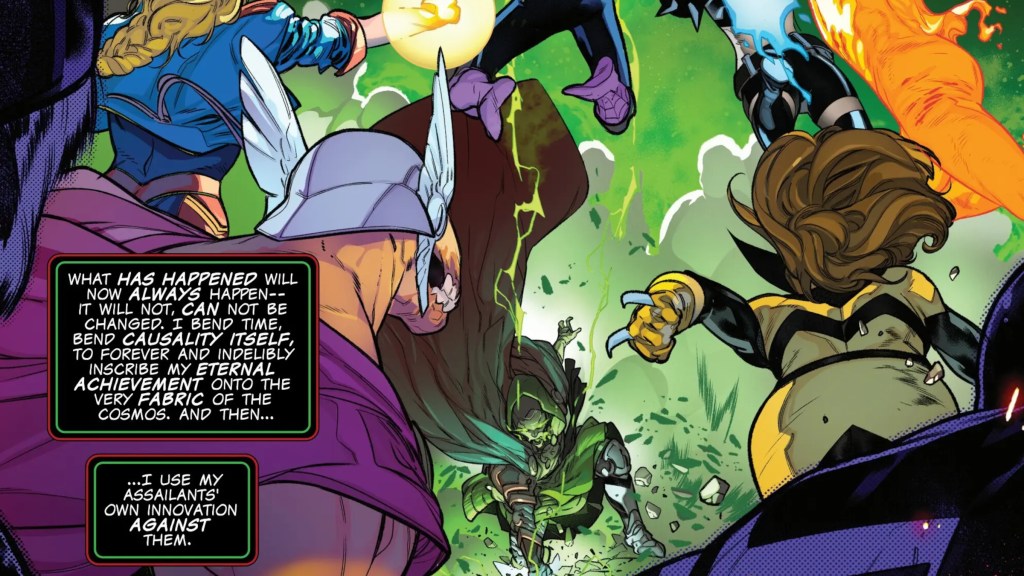
Before we dig into what “DNX” is apart from other events, let’s dig into exactly what the problem with current Marvel events is. In the past several months alone, there have been three major events, including “Avengers: Armageddon,” “Queen in Black,” and “DNX.” Even though some of these events are certainly larger than others, this is still far too many to keep track of. Fans are hardly given the chance to breathe and feel the consequences of one event before the next sprints into being. Heck, before “Queen in Black” concluded, all three were ongoing at the same time. On top of the frequency, the events themselves have gotten very samey.
Given the insane number of events Marvel outputs, averaging three or four a year now, they’ve fallen into a rut of similar storylines. A monumental threat appears that forces all of Earth’s heroes to unite under a single banner to defeat it, often having them question each other while the focus on the central characters pushes the plot forward. Superhero comics are no strangers to circular storytelling, but when it’s this blatant and in your face, it gets old fast. Of course, beyond all of this, the real event killer is the scale they choose to operate at. To top the event prior, build on it, or just draw readers in without doing disservice to any character, events need to include practically everyone, and it gets overwhelming.
Take “Queen in Black” as an example. I’d argue that it’s the best example of Marvel’s standard event style, including a cosmic threat that can rewrite reality if it wins. Of course, when the stakes get so high and the cast so massive, it’s easy for the tension to get lost along the way. This isn’t so much a suspension of disbelief issue, as we’re all forced to imagine the kinds of stakes these stories operate at, but with so many moving parts operating at such a massive scale, fights and dramatic moments become more about spectacle than intimate interactions. The quieter moments are condensed and drowned out by the sheer volume of everything else the story needs to show. This is the issue that “DNX” has completely subverted, and that’s exactly what makes it so incredible.
A Story With an Intimate Heart At Its Core
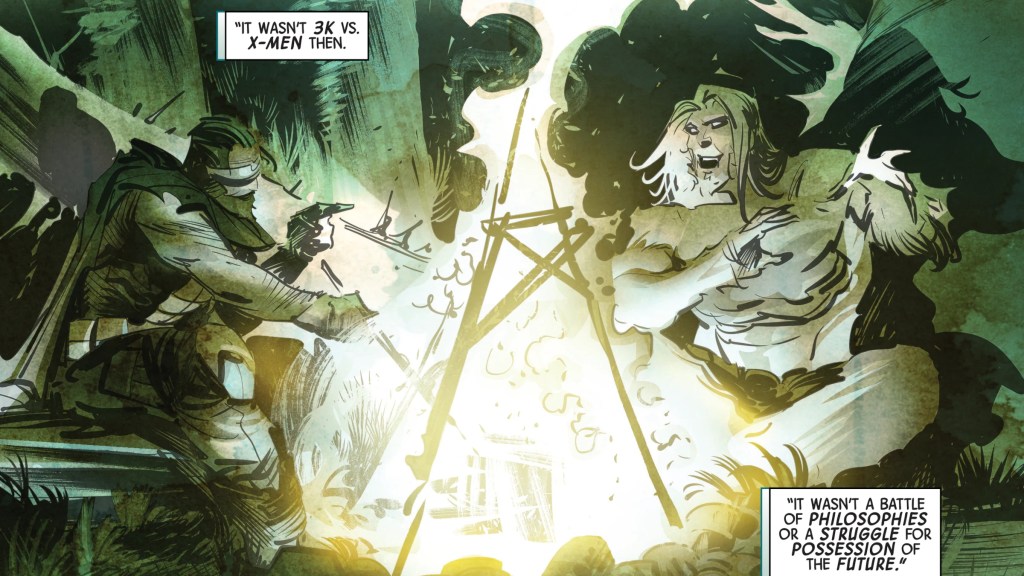
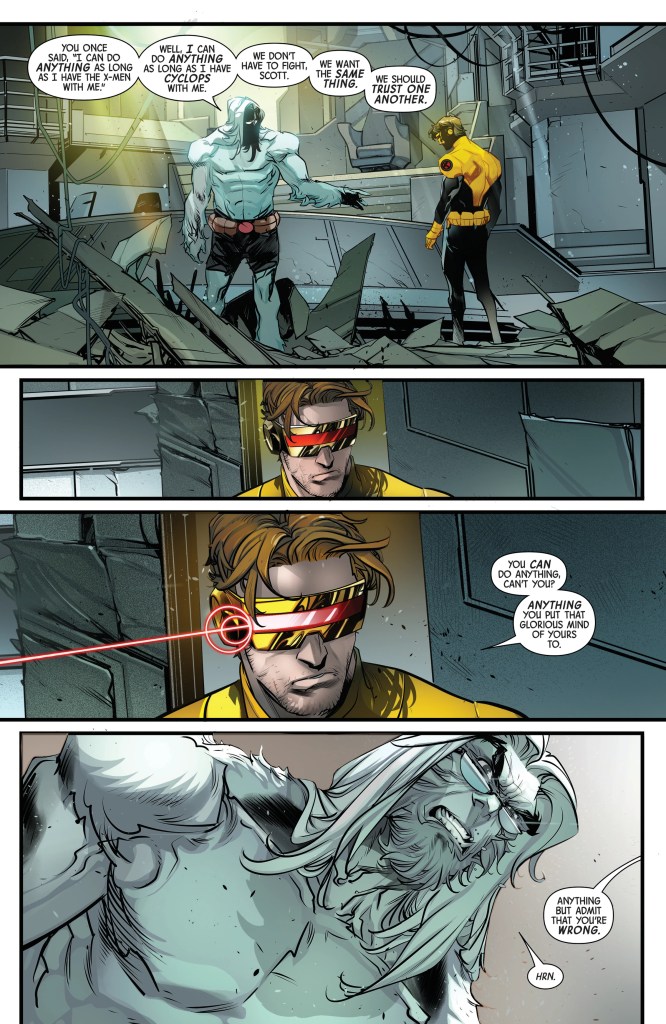
Where “One World Under Doom” saw Doctor Doom challenge literally the entire world and “Queen in Black” was structured around the battle between two cosmic deities, “DNX” focuses on a small-scale, intimate conflict. The physical battle is the X-Men stopping 3K from unleashing a virus that will decimate the world’s population over Philadelphia, but the real conflict stems from the fractured friendship between Cyclops and the Chairman, the original Beast. These are two men who have grown up together, faced everything the world has thrown at them, now standing on opposite ends of a war, but still care about each other so deeply.
We’ve all seen the X-Men battle evil organizations before, but this event has differentiated itself because everything revolves around this emotional core. 3K falls apart because the Chairman treated them like the X-Men, but the team of villains couldn’t trust each other. He recounts how much he misses working alongside Scott, how much fun they had in “The Age of Revelation,” and how the two of them could change the world together. Yet, his pride and refusal to admit his own faults keep him firmly on the wrong side of things. We see how desperate Scott is to bring in his old friend, and how much the conflict is pushing on his soul with his desperation. Heck, he figures out 3K’s plan specifically because of how well he knows Hank. Just look at how much tension is generated from a single conversation between these two, versus the raw spectacle of Doom facing all the world’s heroes.
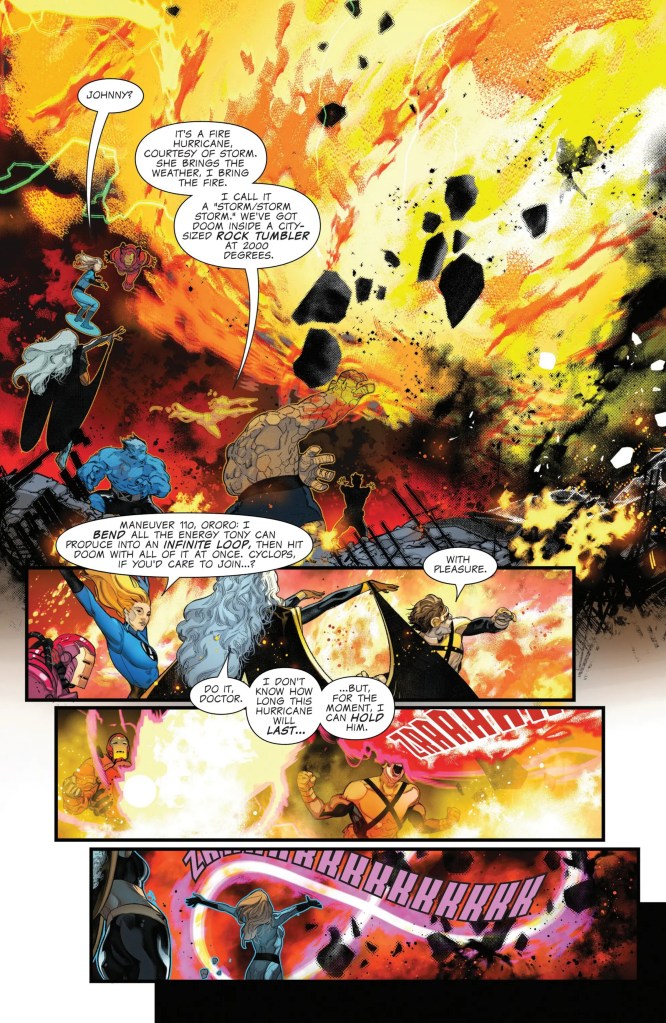
This event features all the bombastic stakes of every other “save the world” type story, but the real emotions keep it grounded. Alongside the fraught friendship that drives the conflict, every tie-in thus far has focused on equally emotional relationships and how they define the characters. X-Men (2024) #27 saw Quinten Quire demonstrate how far he’s come as a hero by rebuking Cassandra Nova’s selfish, revenge-fueled narrative, which he once would have agreed with. Issue #38 had Magneto and Professor X reflect on what value Magneto had as a man, emphasizing his role as a mentor over his power. Even Fantastic Four (2025) #17 focused on the dynamic between Marvel’s First Family and why they work so well as a team.
Everything in this event thus far feels like it’s trying to tell an emotional story instead of checking boxes on what needs done. The spectacle is still there, but it’s only there in service of the story as a whole, instead of taking away from it. The villains are as fleshed-out as the heroes, importantly not just being pure evil, and everyone is challenged thematically as well as physically. Thus far, “DNX” has blown every other Marvel event out of the water with its focus on storytelling over scale, and more events need to learn from its example.
Which Marvel event in recent years do you think has been the best? Let us know in the comments below!
More Marvel
-
Image Courtesy of Marvel Comics -
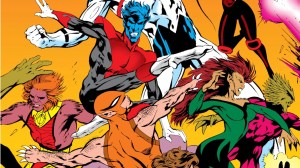
Image Courtesy of Marvel Comics -
Image Courtesy of Marvel -
Image Courtesy of Marvel -

A scene from Death to Smoochy