When Ryan Reynolds made his debut as Wade Wilson in X-Men Origins: Wolverine, few could have predicted he would go on to become one of the faces of the franchise. Though Reynolds was the perfect choice to portray a fast-talking mercenary, X-Men Origins was widely panned, and fans derided some of the infamous creative decisions (such as sewing Deadpool’s mouth shut in the third act). Following the underwhelming performance of Wolverine, Fox took things in a different direction with the well-received reboot X-Men: First Class, which revolved around a new cast. Viewers were interested in seeing Reynolds play a comics-accurate version of the Merc with a Mouth, but that wasn’t high on Fox’s list of priorities.
Videos by ComicBook.com
Deadpool wouldn’t appear on screen again until his long-awaited solo movie in 2016, seven years after X-Men Origins disappointed. And it wasn’t because Fox executives suddenly had a change of heart and believed in the character. Deadpool didn’t get a green light until the now-infamous leaked test footage went viral, sparking enthusiasm for the full vision. Fox decided to take a chance on the project based on that response. After years in limbo, Deadpool finally premiered in theaters on February 12, 2016, and by the end of that first weekend, it was clear Fox should have given the film a green light a long time ago.
Deadpool Proved Fox Wrong By Making Box Office History
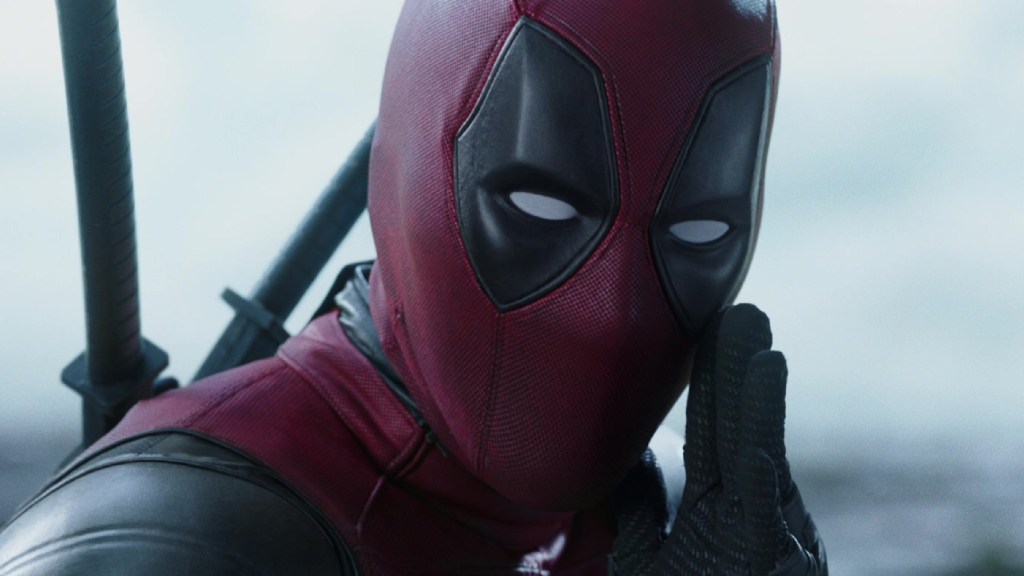
From a business perspective, it’s arguably easy to understand why Fox was leery of signing off on Deadpool. Prior to the first film’s release, Deadpool wasn’t as popular a character as Spider-Man or Wolverine in the mainstream (despite having a passionate following amongst comics readers). Plus, in order to do Deadpool “properly,” the film would need to be R-rated, which was another risk. While there had been R-rated comic book movies before Deadpool (most notably the Blade trilogy), PG-13 had long been the norm in that space since it was seen as more commercially viable. Fox didn’t want to limit its potential audience with the more restrictive rating.
Once Deadpool debuted, any concerns Fox had were rendered moot and misguided. Bolstered by positive reviews praising it as a fresh take on a well-worn genre, Deadpool grossed a staggering $132.4 million domestically in its first weekend, a record for the X-Men franchise at the time. It ended its run with $363 million in the United States and $782.8 million worldwide, more record-breaking figures for the X-Men films. Before Deadpool, no X-Men movie had come close to reaching $300 million domestically. Fox was reluctant to green light Deadpool because it was concerned there wouldn’t be an audience, but there very much was.
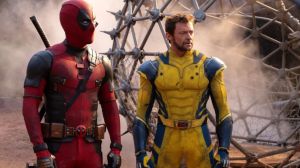
Unsurprisingly, a Deadpool sequel quickly got off the ground, and it proved the original wasn’t just a fluke. The Deadpool series is now one of the most successful comic book adaptations of all time. Deadpool 2 built on the success of its predecessor by earning $786.3 million worldwide. Thanks to the hype surrounding Hugh Jackman’s surprise return, threequel Deadpool & Wolverine was an even bigger blockbuster, hitting $1.3 billion worldwide — only the second R-rated movie to pass the $1 billion mark. All three Deadpool movies are among the five highest-grossing R-rated movies of all time. Seeing those numbers, it’s wild to think that this trilogy might not have happened if Reynolds didn’t leak the test footage.
Deadpool is now firmly cemented as one of Marvel’s most bankable characters, and another film featuring the Merc with a Mouth is said to be in development. It remains to be seen if Deadpool will factor into Avengers: Doomsday or Avengers: Secret Wars in any capacity, but Marvel Studios and Disney will surely want to keep him around — especially since the X-Men are expected to be a big part of the Marvel Cinematic Universe’s next saga. Even if there’s a bit of a wait for the next Deadpool movie, it won’t take viral test footage to get it approved.
Deadpool Changed the Superhero Movie Landscape
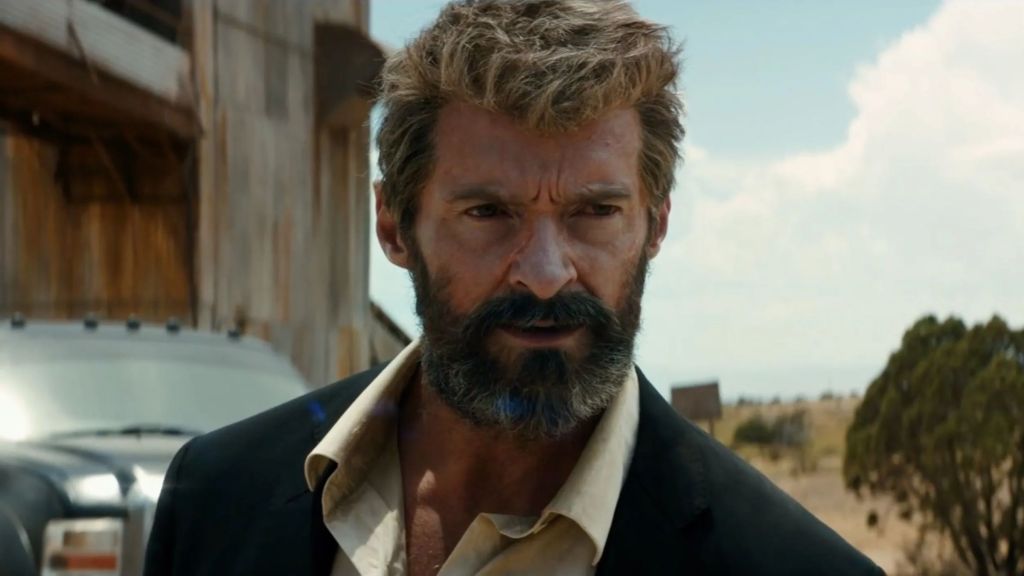
Again, there were R-rated comic book movies before Deadpool, but none had acquired the same level of box office success. Deadpool was a watershed moment for the industry in the sense that it made studios much more comfortable with the idea of an R-rated superhero film. While there’s always the risk of Hollywood learning the wrong lessons from a massive success, Deadpool paved the way for some exciting projects. Without Deadpool, it’s hard to see something like Logan getting off the ground. Widely considered one of the best comic book films of all time, Logan made $614.2 million worldwide and earned critical acclaim (including an Oscar nomination for Best Adapted Screenplay).
It wasn’t just Marvel that reaped the benefits of the post-Deadpool world. DC got into the action as well, most notably with Joker. The standalone film about the classic Batman villain became the first R-rated movie to gross over $1 billion, and it won star Joaquin Phoenix the Oscar for Best Actor. If Deadpool hadn’t blazed a trail, the odds of Joker getting the green light are low. DC was also willing to embrace a more adult-oriented approach for titles like Birds of Prey and The Suicide Squad. For various reasons, neither of these were as big of a success at the box office, but they were still well-received and highlighted what’s possible creatively with the R rating.

A decade after Deadpool‘s release, Marvel and DC continue to explore R-rated possibilities. This fall, DC Studios will release Clayface; while that project is worlds apart from Deadpool tonally (body horror vs. raunchy comedy), the basic principles of Clayface stick close to the spirit of Deadpool. It’s a mid-budget, unique spin on the comic book adaptation, demonstrating the breadth of storytelling possibilities in this realm. As for Marvel, in addition to the next Deadpool film, they’re also hard at work on a Blade reboot (which, admittedly, has been stuck in development hell for years), or they could shift things around and make Midnight Sons instead, bringing together a team of characters that would benefit from an R rating.
Deadpool‘s record-breaking success might have caught Fox off guard, but in retrospect, it isn’t surprising the film was a massive blockbuster. While superhero movies were omnipresent in the mid-2010s (and still are), there was a void for this particular kind of superhero movie — one that went against the trends and broke some of the rules. Given their status as studio tentpoles, many comic book films are PG-13, but too many projects confined to that rating can create a homogenous feeling. Deadpool felt fresh and different, and it satiated the appetite many had for a new kind of comic book film. Fox executives have probably never been happier to be proven wrong.
What do you think? Leave a comment below and join the conversation now in the ComicBook Forum!
Most Viewed
-

Image Courtesy of Netflix -

Courtesy of ENGI / Kadokawa / Sentai Filmworks -

Courtesy of Wizards of the Coast