It may be wild for modern audiences to believe, but before the current prominence of the legacy sequel, Hollywood used to just move past certain movie franchises if too many years had gone by without significant movement on a sequel. While the world of horror, for instance, has been able to put a different actor behind the masked faces of Leatherface, Jason Voorhees, and Michael Myers, most other stories simply declared it was “too late” for another installment with a certain character if the actor associated with that role had aged. But something significant shifted in the past couple of decades, as proven by the sheer volume of franchise revivals and reboots audiences have witnessed.
Videos by ComicBook.com
Certainly, the advent of the internet and, with it, the ability to constantly lean into the nostalgia of past entertainment is a part of it. Another element is the development of de-aging technology that can shave decades off of 80-year-old Harrison Ford for over 20 minutes of Indiana Jones and the Dial of Destiny. But the real trend behind never letting franchises truly die is the explosion of the legacy sequel. With every film franchise from Star Wars to Rocky rebranding with a next-generation lead, it’s easy to think this concept is a new development. But in truth, Tom Cruise starred in one of the earliest mainstream examples of a legacy sequel 40 years ago.
The Color of Money Brought Paul Newman’s Fast Eddie Felson Back 25 Years Later
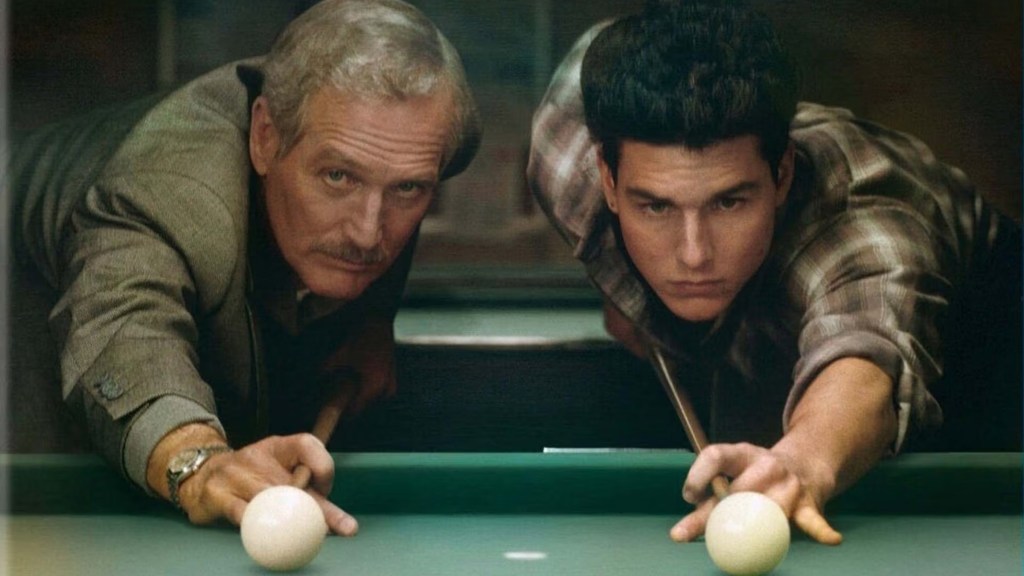
In 1986, Cruise was only a few years into his acting career. He had made his film debut in 1981’s Endless Love and had a breakthrough year in 1983 with the triple-header of The Outsiders, All the Right Moves, and especially Risky Business. But just three years later, he shared the screen with Paul Newman in The Color of Money. Directed by Martin Scorsese, the film served as a sequel to the 1961 release The Hustler, which starred Newman as a small-time pool hustler named “Fast Eddie” Felson. That film became a critically acclaimed classic, but Hollywood didn’t move forward on a follow-up until 25 years later.
In The Color of Money, Newman returns as Felson, who comes across a young man named Vincent Lauria (Cruise). Recognizing his skill at playing pool, Eddie and Vincent hit the road for a six-week road trip of pool hustling. The Color of Money earned Newman the Academy Award for Best Actor, the only Oscar the legendary star won during his career. And mirroring the on-screen mentor-mentee relationship, the film can be easily read as one iconic movie star anointing the next. After all, Cruise has been a defining screen presence ever since, and intriguingly enough, The Color of Money hit theaters the very same year as Cruise’s star-making Top Gun.
Tom Cruise Would Eventually Find Himself on the Other Side of the Legacy Sequel
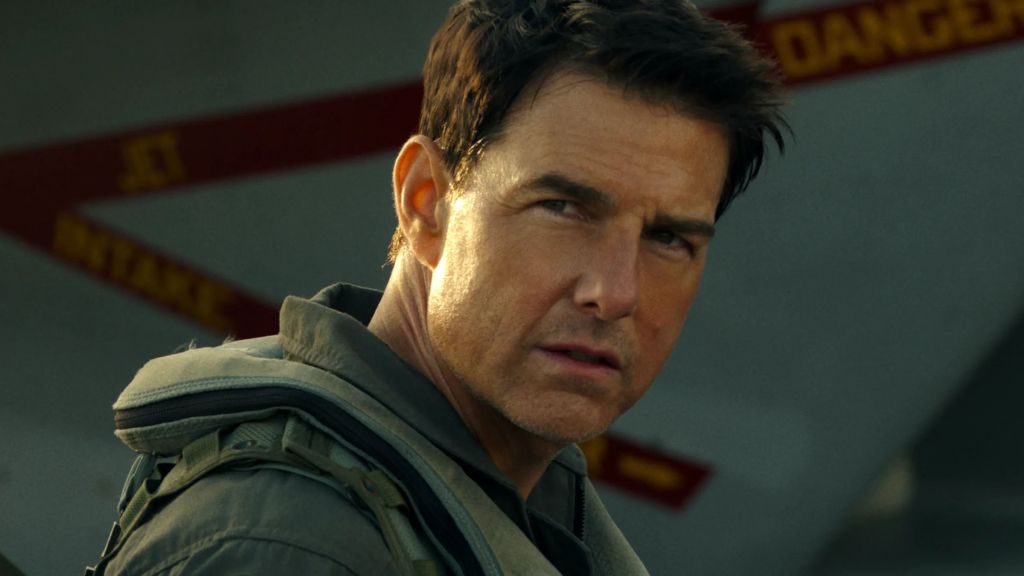
As fans well know, Cruise’s brush with the legacy sequel didn’t end with The Color of Money. In 2022, he returned as Pete “Maverick” Mitchell — the role he originated in 1986’s Top Gun — for the long-awaited sequel, Top Gun: Maverick. For more than a decade, a follow-up to director Tony Scott’s original film was in the works, and by the time Cruise and director Joseph Kosinski made it, the project had turned into a bona fide legacy sequel. The twist is that this time Cruise was the elder statesman to a new generation of pilots, with Miles Teller playing the son of his late best friend Goose. But no one could have expected how warm a reception the film would receive.
Top Gun: Maverick was more than a hit when it arrived in theaters; it became a full-fledged phenomenon. With an older, wiser version of Cruise’s Maverick at the center, the movie carried a gravitas that propelled it to a whopping $1.5 billion at the worldwide box office and six Academy Award nominations, including Best Picture. It’s remarkable to see how The Color of Money and Top Gun: Maverick represent two very different sides of Cruise’s career, and they certainly make intriguing companion pieces as, respectively, one of the earliest legacy sequels and one of the most successful examples of it done right.
Which franchise would you like to see get a legacy sequel? Let us know in the comments below!
More Movies
-
Courtesy of Paramount Pictures -
Image courtesy of Marvel