I’ve always found abandoned Star Wars projects fascinating. There’s something a little maddening about knowing Lucasfilm has ideas sitting around that we’ll probably never get to see. But Star Wars: Underworld is a particularly interesting case. George Lucas didn’t just kick around the idea of a live-action show and move on. He spent years developing it with a team of writers, and they came up with an enormous amount of material. We’re talking dozens of scripts and stories that were actually being prepared for television. The show never happened, which is a shame. But some of its ideas have already made their way into the franchise in ways fans might not realize.
Videos by ComicBook.com
What’s even more interesting is that pieces of this project have already found their way into the Star Wars universe. Fans have spotted connections to some of the franchise’s biggest movies and television shows. But there’s plenty we still haven’t seen. And considering how much Lucas and his collaborators developed before the project disappeared, I wouldn’t be surprised if more of those ideas eventually turn up in another galaxy far, far away.
George Lucas’ Star Wars: Underworld Was Much Bigger Than Anyone Realized
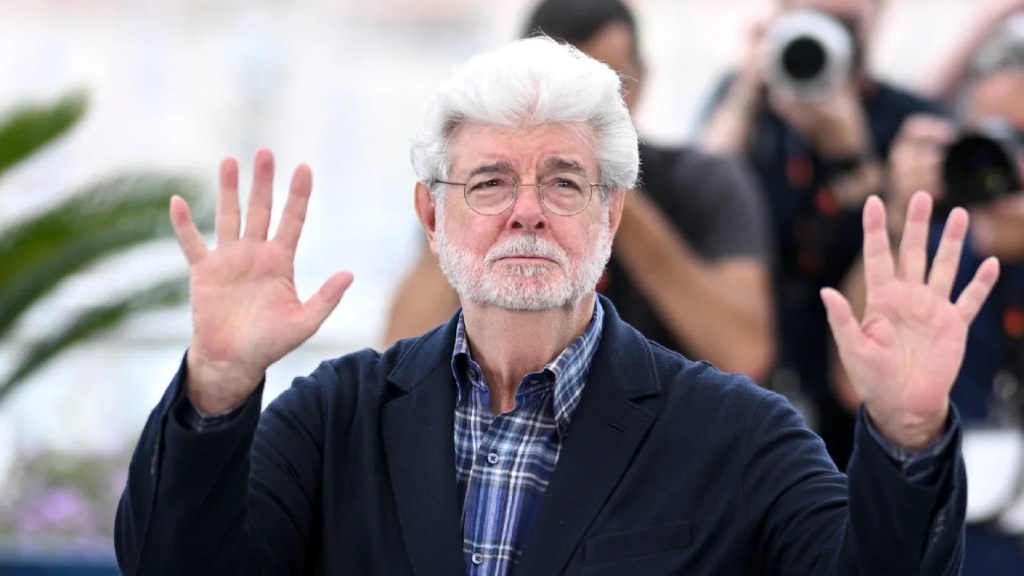
The show was called Star Wars: Underworld, and George Lucas started talking about it publicly back in 2005. He wanted to explore the years between Revenge of the Sith and A New Hope, but he wasn’t interested in making another series about Jedi running around with lightsabers. Instead, the focus would be on the people living in the less glamorous parts of the galaxy. Criminals, bounty hunters, gangsters, and corrupt officials would all have their place. Coruscant was going to be a particularly important setting. Lucas even described the project as having a film noir influence. Honestly, that sounds like a terrific change of pace. We’ve spent so much time following the heroes of Star Wars that seeing how ordinary people survived under the Empire would’ve been a welcome change. And Lucas had already assembled a serious writing team. Ronald D. Moore worked alongside other writers at Skywalker Ranch, developing somewhere between 40 and 48 scripts according to Moore’s recollections. Producer Rick McCallum later discussed more than 60 scripts at various stages of development. That’s an awful lot of stories for a show that never made it to television.
Unfortunately, the ambition came with a rather enormous price tag. Lucas wanted the show to look like the movies while producing episodes on a television schedule. McCallum later estimated that individual episodes could have cost around $40 million. That’s a lot of money for a television series. The production technology also wasn’t where Lucas wanted it to be. He experimented with virtual environments and digital filmmaking techniques that could eventually make the show affordable. But the project never reached production. Unfortunately, Underworld never made it into production. Its enormous budget and technological demands had already created serious obstacles. Even after Disney acquired Lucasfilm in 2012, the project was still being considered, with ABC reportedly exploring the possibility and stories continuing to receive attention in the years that followed. Ultimately, however, the ambitious series never moved forward. Still, the work didn’t simply disappear. Lucasfilm had already developed an enormous collection of stories and concepts that could be revisited later.
Rogue One and Solo Already Showed How Underworld Could Shape Star Wars Again
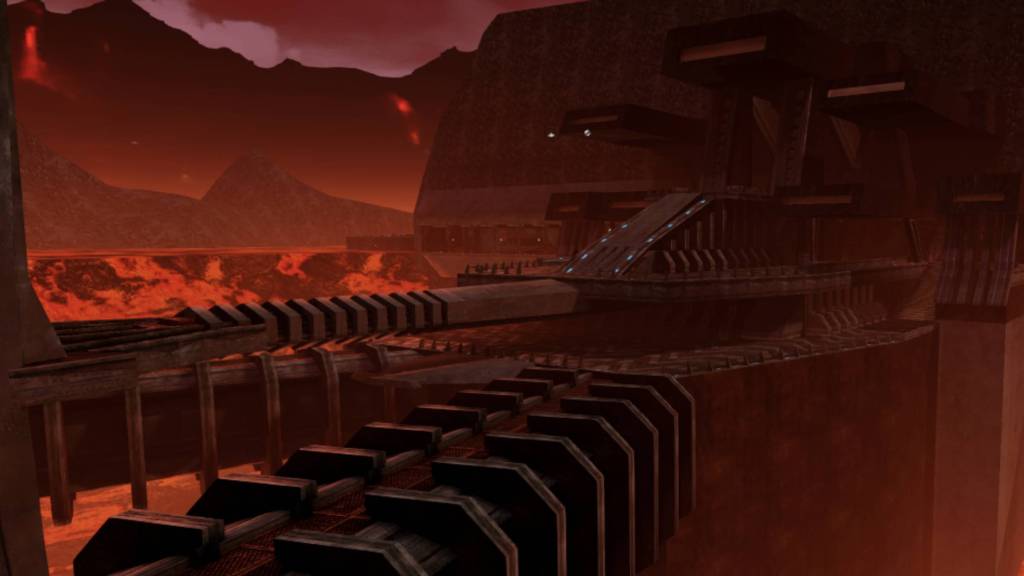
Here’s where things get particularly interesting. Some of the ideas developed for Underworld eventually resurfaced in other Star Wars projects. The proposed series included stories about Han Solo’s early adventures, how he met Chewbacca, how he eventually won the Millennium Falcon from Lando Calrissian, and how the Rebellion obtained the Death Star plans. Sound familiar? Those ideas have obvious connections to Solo: A Star Wars Story and Rogue One. The series also explored the criminal organizations operating beneath the Empire’s polished public image. The Pyke Syndicate featured in that development work later appeared in Solo and became an important part of The Book of Boba Fett. That doesn’t mean the finished movies simply adapted abandoned television scripts. But it does show how Lucasfilm could take ideas developed for one project and find another place for them. There’s even a reported two-part story involving Darth Vader putting down an uprising on Coruscant. Another proposed storyline explored Emperor Palpatine’s personal life. I can’t imagine that would’ve been a particularly cheerful family drama.
And that’s why I think Underworld could still matter to the future of Star Wars. There are entire corners of its development that audiences have never seen. Lucasfilm creative chief Dave Filoni has spoken about how the material remains valuable because it contains ideas created by Lucas himself. The series also helped push the virtual production technology that eventually played a major role in The Mandalorian. That alone makes it an important part of the franchise’s history. I wouldn’t necessarily expect Disney to revive Underworld as Lucas originally envisioned it. Too much has changed, and some of its ideas have already found homes elsewhere. But there’s no reason filmmakers couldn’t revisit the unused storylines or develop new projects around the same characters and concepts. We already know that the galaxy has room for stories beyond the Jedi and the Skywalkers. Lucas spent years preparing some of them. It would be a shame if they never got another chance.
More Movies
-
Image Courtesy of Marvel Studios -
Courtesy of Warner Bros. Pictures