For a long time, vampire movies were tied to horror and dark stories, as seen in films like Nosferatu, Horror of Dracula, and Salem’s Lot. But over the years, filmmakers started exploring different takes on the genre, giving us movies such as Bram Stoker’s Dracula, Twilight, Only Lovers Left Alive, among others. And while it can get oversaturated, like any other genre, vampire tales always seem to find their way back because there’s still something fascinating about characters who never age, have to deal with their own nature, and have centuries of stories behind them. Still, with so many released, some have gotten lost in time, to the point where almost anyone remembers them. And usually, that’s when a reboot comes along.
Videos by ComicBook.com
The problem is that not every new adaptation, no matter how good it is, can give you the same experience as the original — that’s the case with Interview with the Vampire, which was released on November 11, 1994. These days, people seem more likely to talk about AMC’s TV series than the movie, which was actually written by the author of the books it was based on, Anne Rice. But is the show good? Totally, as it has much more room to dig into the original concept behind the vampires in The Vampire Chronicles. On the other hand, that doesn’t mean we should forget about the film, considering there are some things it actually does better.
How Interview with the Vampire Still Stands Out as One of the Best Vampire Movies Ever Made
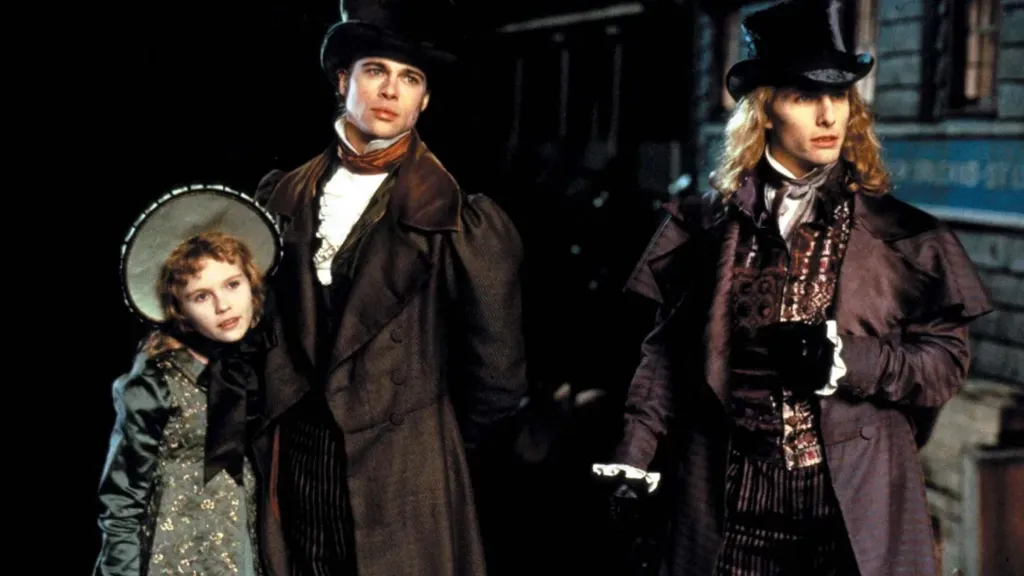
As you probably know, the classic movie follows Louis de Pointe du Lac (Brad Pitt), a man who has lost his will to live and is turned into a vampire by Lestat de Lioncourt (Tom Cruise). But even though he gains immortality, Louis can’t bring himself to accept the idea of killing humans to survive, which puts him at odds with Lestat and the way he sees his new life. But their relationship only takes a real turn when they turn Claudia (Kirsten Dunst), a young girl who is now forced to spend eternity trapped in a child’s body. Decades later, Louis decides to tell this whole story to journalist Daniel Molloy (Christian Slater), looking back on the relationships, losses, and consequences of living forever.
Rice’s series of novels really took off in the ’80s, since they weren’t your typical vampire stories about biting necks and killing people. The idea was to get inside this creature’s head, from the moment they’re turned to the way they learn to deal with their new existence. So bringing that story to the screen was a chance to show everyone a much more human and psychological side of figures who had mostly been portrayed as monsters up until then. And one of the most curious things about Interview with the Vampire is how quickly Louis realizes that being a vampire isn’t nearly as amazing as Lestat makes it seem.
Louis is turned by someone who enjoys every second of immortality, but the two have completely different ideas about what it means to live forever. Lestat has no problem killing humans to feed and can’t understand why Louis insists on feeling guilty about it. Louis, on the other hand, can’t just leave behind everything he believed in when he was human. That’s where the film’s central conflict comes from, especially since Lestat is arrogant, manipulative, and always likes to make it clear that he’s the one in control. And as Louis grows lonely and miserable, Claudia enters the picture. Lestat turns her in an attempt to please his partner and keep him around, but condemning a child to eternal life only brings more problems, as her mind continues to mature while her body remains stuck in childhood.
And it’s this existential side of the story that makes Interview with the Vampire one of the genre’s greatest movies. Rather than sticking to the usual formula, exploring what’s going on inside a vampire’s mind can be even more uncomfortable than just showing them as dangerous creatures of the night. That’s not to say they aren’t still dangerous, of course, but there’s something deeply terrifying about the reality of living forever: it might sound pretty appealing at first, but it also means watching the people around you die, leaving behind different versions of yourself, and staying trapped in relationships that should have ended a long time ago. It’s a different kind of horror, one that’s dramatic and tragic, but still horror all the same. The scene where Claudia breaks down after realizing what her existence really means is a perfect example:
The pacing also works in the movie’s favor. At around two hours long, it has no trouble introducing Louis, Lestat, and Claudia, developing their dynamics, and taking the story through its consequences with other vampires without feeling like everything is being saved for a sequel. Plus, the interview with Daniel gives Louis a reason to revisit his past and piece together the events from his own perspective. Overall, it’s a simple approach, but an effective one, since everything is structured to keep the focus on the protagonist’s experience, just as it is in the original novel. So why is this movie so often overlooked, as people seem to focus entirely on the TV adaptation?
AMC’s Show Has a Lot Going for It, But That Doesn’t Make the Movie Outdated
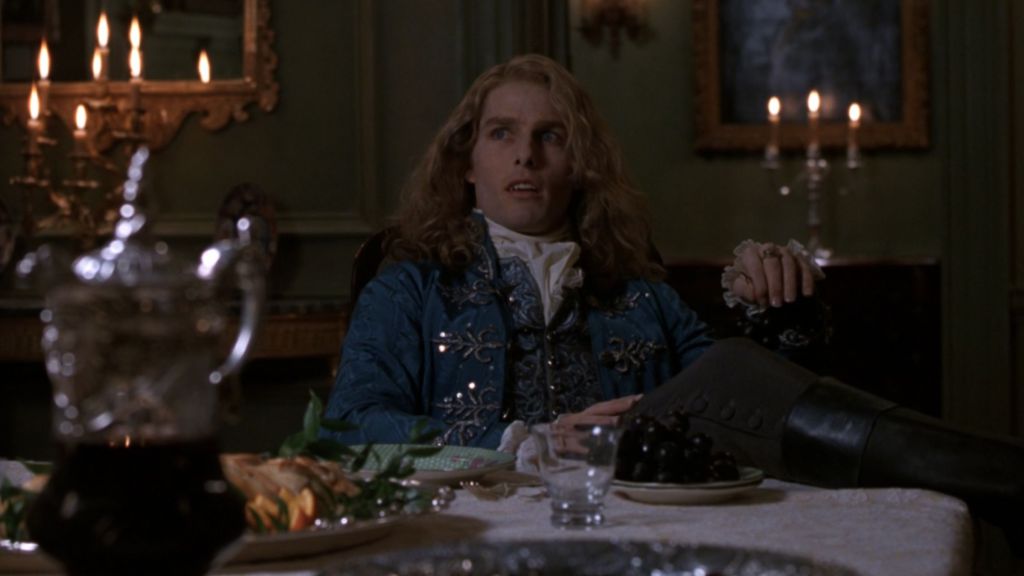
The series has plenty of reasons to be praised, after all, there wouldn’t be much point in adapting such a well-known story again if the show just repeated everything director Neil Jordan had already done. Instead, it took some creative liberties, including changing the historical setting and reworking Louis’ characterization. In the show, he’s a Black gay man living in early 20th-century New Orleans. So that naturally changes the way the story approaches his relationship with Lestat and gives room to explore social issues that weren’t given the same attention in the movie (or even in the books, which were written in a very different time and kept many things much more subtle).
And there’s no denying that this change, along with several others, was one of the show’s strongest points — a big reason Rice’s fans embraced the adaptation. Some changes were made to give the main characters more moral complexity and depth, others to make better use of historical events, or to create new mysteries for the audience, which helps set things up for the series to bring in elements from other books in later seasons. But some of these changes also brought to the surface things that had always been there between the lines of the novels: the romantic nature of Louis and Lestat’s relationship. Therefore, this gave the show more freedom to develop their tensions in a different way, particularly when violence, jealousy, and emotional dependency come into play.
But showing more doesn’t mean doing it better, right? One of the best things about the movie is how it actually lets you pick up on what’s going on between Louis and Lestat without constantly spelling out their feelings: their looks, their teasing, and how much they seem to need each other already say a lot about these characters. The show is more upfront about it and can spend several episodes building those feelings, but the movie manages to maintain a fascinating tension without having to turn everything into dialogue, for example (especially at the end, when Louis goes looking for Lestat in the present day).
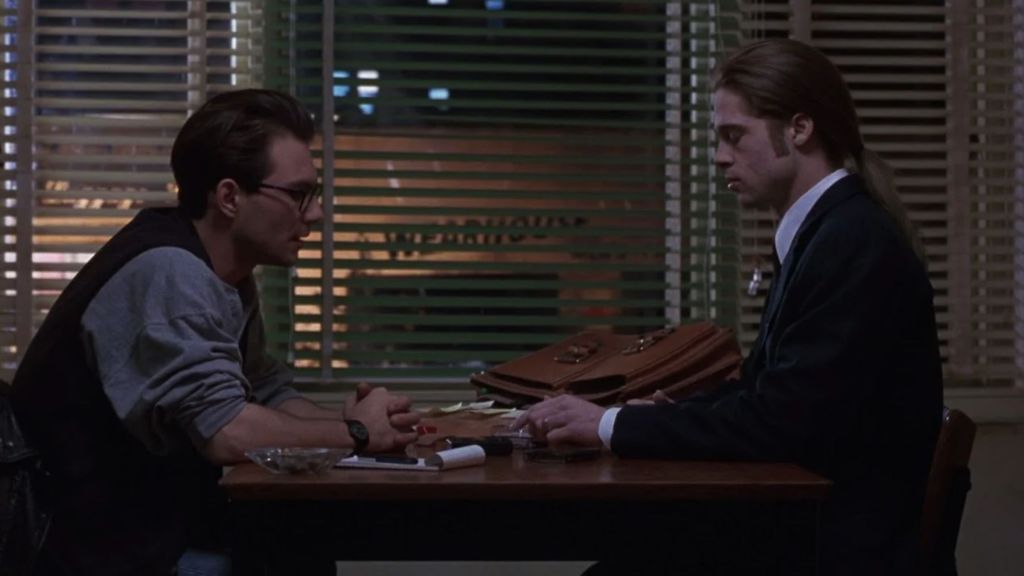
Besides, the film has the edge when it comes to its visual style as well. The show is beautifully made and certainly doesn’t fall short regarding the costumes or sets, but the ’90s feature has a very distinct look that brings out the gothic atmosphere that first helped make Rice’s original story so appealing to readers. That atmosphere isn’t just there to serve as a backdrop, as it’s part of what gives the vampires their identity, since they are figures of almost hypnotic beauty but never let us forget their monstrous side.
At the end of the day, both the movie and AMC’s production are good at what they set out to do, because they’re ultimately going for different things. The show has more flexibility to explore parts of the story the movie couldn’t address with the same depth. Still, Jordan’s work has an exceptional cast, a more direct plot, and a vibe that fits Louis, Lestat, and Claudia’s story perfectly. It’s great to see how the TV version of Interview with the Vampire has won over longtime fans and a whole new generation of viewers, but that doesn’t mean we should forget the first adaptation. More than 30 years later, whenever people talk about this story, the original movie deserves to be remembered just as much as the version that came along later.
Interview with the Vampire is available to stream on HBO Max.
More Movies
-
Image courtesy of Marvel