Hollywood relies heavily on established intellectual property, hoping that successes of the past can diminish the financial risks of a new cinematic endeavor. Plus, because sprawling sci-fi universes require massive financial investments, studio executives refuse to abandon a property that has proven profitable before, often greenlighting sequels that fail to connect with audiences. For instance, properties like The Terminator and The Matrix revolutionized visual storytelling upon their inception, only to suffer from decades of diminishing returns as successive creative teams struggled to recapture that original cinematic magic. Meanwhile, franchises such as Men in Black and Jurassic World demonstrate that relying exclusively on nostalgia and escalating visual effects cannot mask a lack of thematic direction.
Videos by ComicBook.com
Rather than driving a property into the ground until it produces a definitive theatrical bomb, it would be better if studios recognized when a story has run its course. Knowing when to walk away preserves the integrity of a successful movie series, leaving the audience satisfied rather than exhausted.
5) M3GAN
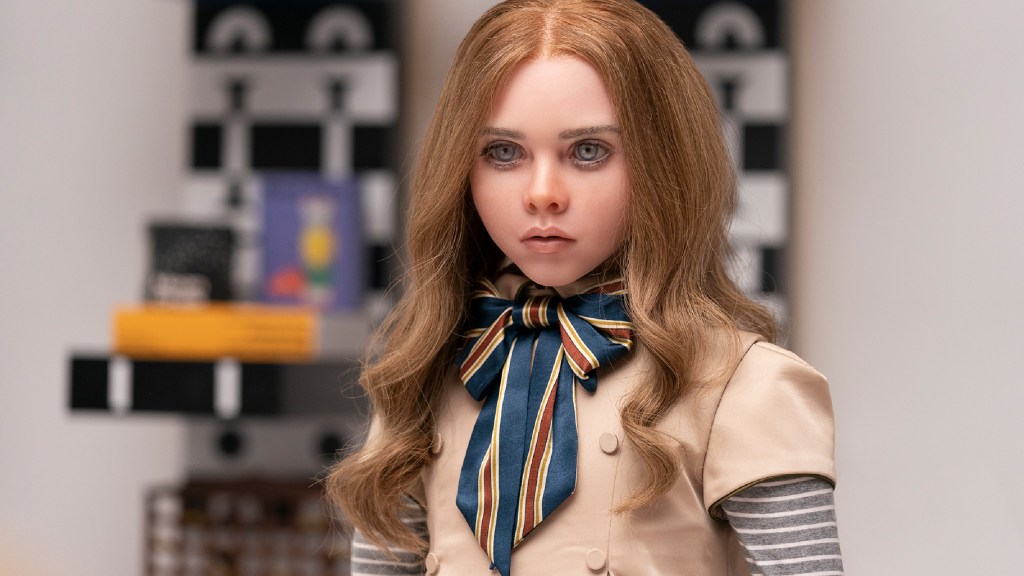
Blumhouse Productions executed a brilliant marketing strategy with M3GAN, turning a satirical artificial intelligence thriller into an instant viral sensation. The killer android’s unique blend of uncanny valley horror and absurd campiness resonated with audiences, resulting in a massive financial windfall for the studio. Unsurprisingly, executives immediately greenlit a sequel to capitalize on the momentum, rushing M3GAN 2.0 into production.
Unfortunately, the sequel didn’t reach the same heights as the original movie. The fight against another rogue algorithm felt largely uninspired, and the tone shift lost the horror edge of the original, which, added to the unbalanced campiness, led to a noticeable decline in critical reception and box office returns. Blumhouse’s plans for a shared universe seem to have stalled after the planned erotic thriller spin-off, SOULM8TE, was abruptly cancelled. It’s unlikely, then, that M3GAN will get another sequel anytime soon, and that might be for the best.
4) Planet of the Apes

The modern era of Planet of the Apes stands as a rare example of a highly successful cinematic revival, anchored by the groundbreaking motion-capture performance of Andy Serkis as Caesar. The prequel trilogy carefully mapped the tragic downfall of human civilization and the rise of a new primate society, culminating in an emotional and satisfying finale. Attempting to capitalize on that goodwill, 20th Century Studios released Kingdom of the Planet of the Apes in 2024.
While the sequel delivered a visually impressive continuation, it fundamentally failed to capture the psychological depth and thematic resonance that defined Caesar’s journey. Rather than learning from this qualitative dip, the studio is currently pivoting toward a bizarre new direction, as director Matt Shakman was hired to helm a brand-new movie that reportedly abandons the established continuation in favor of an original story. It seems obvious that the executives are merely chasing brand recognition instead of treating the mythology with the respect it deserves.
3) Avatar
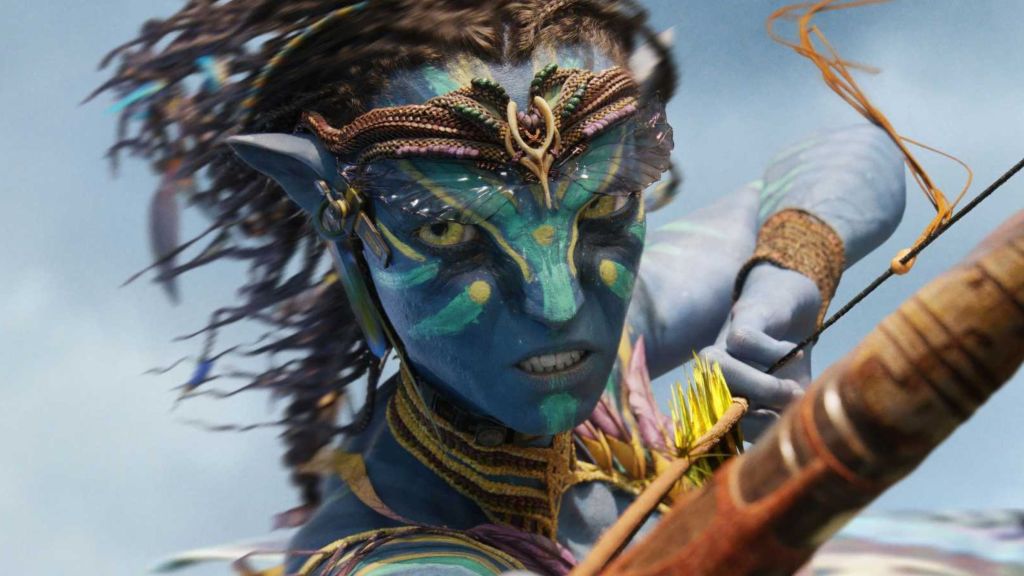
James Cameron changed the visual effects industry with Avatar, engineering a vibrant alien ecosystem that captivated a global audience and shattered box office records. Its 2022 sequel, Avatar: The Way of Water, further expanded the borders of Pandora, becoming another $2 billion hit. However, Avatar: Fire and Ash indicates that the massive cultural momentum driving this property is finally beginning to slow down.
While the third installment delivered an adequate continuation of the conflict between the Na’vi and human invaders, its box office gross dropped significantly compared to the financial heights of its predecessors. In addition, Jake Sully (Sam Worthington) has already led his family through multiple grueling wars, with the narrative being highly repetitive, to the point where entire set pieces echo battles from previous installments. With two more sequels originally planned to stretch the franchise all the way into the next decade, 20th Century Studios needs to seriously reevaluate its long-term strategy.
2) The Hunger Games

Lionsgate achieved a monumental success with The Hunger Games, delivering a fan-favorite dystopian saga that launched Katniss Everdeen (Jennifer Lawrence) into the center of pop culture. The original four-film narrative adapted Suzanne Collins’ novels with impressive fidelity, reaching a satisfying conclusion. Decades later, the studio revived the property with The Hunger Games: The Ballad of Songbirds & Snakes, a prequel that proved surprisingly serviceable while detailing the origins of Panem’s dictatorial regime. Despite that moderate creative victory, the announcement of yet another prequel, The Hunger Games: Sunrise on the Reaping, scheduled for a November 2026 release, signals a dangerous reliance on a completed mythology.
Returning to the 50th Quarter Quell to explore the backstory of a young Haymitch Abernathy (Joseph Zada) shows that the franchise is running out of meaningful ideas. There’s only so much you can do with expanding the timeline backward, and The Hunger Games risks transform a poignant critique of media consumption and totalitarianism into the exact type of endless spectacle the original narrative condemned.
1) A Quiet Place
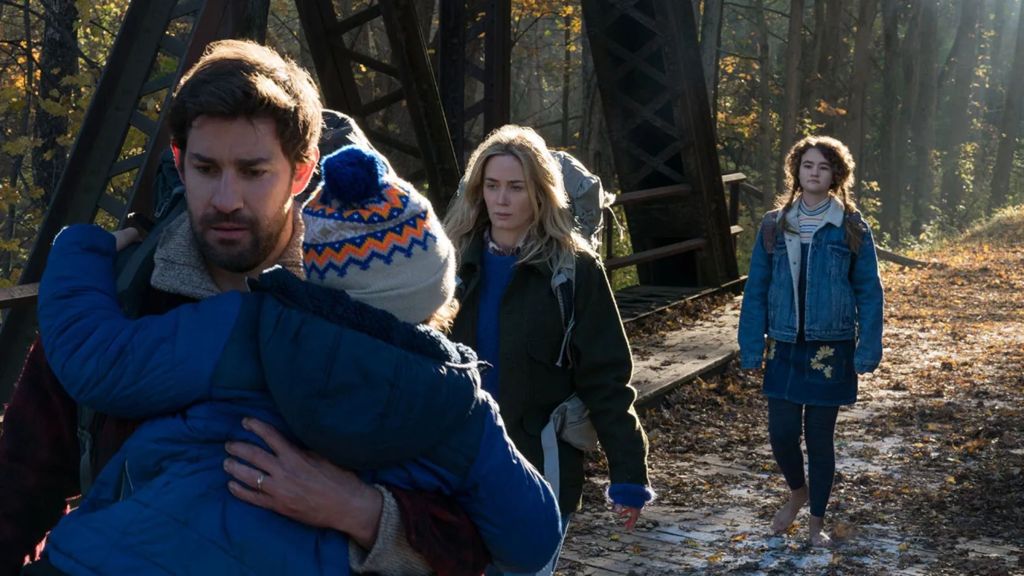
John Krasinski’s A Quiet Place became an unexpected critical and commercial success by using a brilliant high-concept premise that mixes horror and sci-fi. The movie follows Lee Abbott (John Krasinski) and his family navigating a world overrun by sound-hunting aliens, a self-contained thriller that places the focus on character instead of worldbuilding, enthralling audiences due to its creative use of silence. Paramount Pictures quickly expanded the property, yet the newer installments have struggled to justify their existence.
While A Quiet Place Part II provided a serviceable continuation, it lacked the claustrophobic tension of its predecessor, relying heavily on standard post-apocalyptic tropes. The subsequent 2024 spin-off A Quiet Place: Day One further diluted the mythology, offering diminishing returns despite its broader urban setting. Currently, A Quiet Place Part III is filming and scheduled for a July 2027 theatrical release, promising to wrap the main storyline by bringing back Evelyn Abbott (Emily Blunt). Still, given the noticeable decline in quality across the extended universe, closing the book on this franchise would help preserve the legacy of the original cinematic achievement before audience exhaustion completely sets in.
Which science fiction movie franchise do you think should end? Leave a comment below and join the conversation now in the ComicBook Forum!
More Movies
-
Image courtesy of Warner Bros. Pictures -

Image via Marvel Studios/Sony Pictures -

Image Courtesy of Universal Pictures -
Image Courtesy of Lucasfilm