Lanterns Season 1 is now over, and it’s safe to say that the show is one of the biggest hits of the fall TV season. Aside from being a very fresh and interesting take on a superhero origin story, Lanterns was a much-needed bounce-back for the DC Universe franchise, after Supergirl became one of the biggest box office bombs of the summer. For the diehards, the conversation has also turned to looking at what the DCU is doing on the television side as a whole, and comparing it to the Marvel Cinematic Universe.
Videos by ComicBook.com
Marvel is about to premiere its latest MCU series, VisionQuest, as Lanterns comes to an end, so this is the perfect time to look at how the MCU and DCU have handled streaming shows (respectively). More specifically: it’s a good time to look at how the DCU is utilizing TV in the exact way the MCU failed to do (but still should).
Don’t Be Afraid to Slow It Down & Build It Up
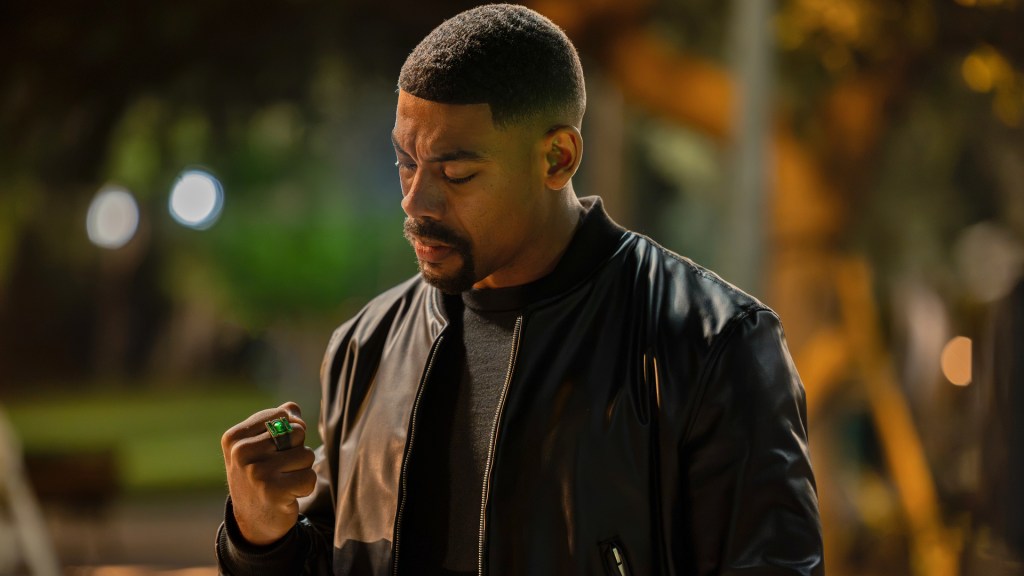
The biggest difference between how the DCU and MCU handle television series is that the former isn’t afraid to slow things down to properly build character and story. Lanterns and Penguin are prime examples of how DC will invest heavily in character drama in a way that the Marvel shows simply don’t. There are exceptions (WandaVision, Loki, some of Moon Knight), but on the whole, MCU Disney+ series have felt like they belong on a Disney platform; the DCU is putting out series that are owning a Sunday night HBO primetime slot. That’s a mainstream level of prestige TV few brands or studios ever reach. Penguin sealed the deal with an armful of Emmys, and Lanterns already feels poised to do the same.

There’s also a very big difference in how each franchise approaches the arc of a television series. The DCU will invest heavily in fleshing out one or two major characters in full depth, complexity, and backstory; the MCU, not so much. Even one of Marvel’s best shows, WandaVision, led to a jarring character turn from Elizabeth Olsen’s Scarlet Witch in Doctor Strange in the Multiverse of Madness. Aside from the highly-rated penultimate episode (a flashback through the traumas of Wanda’s life), WandaVision leaned more into mystery and red herrings than deep-dive character work.
To Marvel’s credit, VisionQuest looks like it will be the kind of character study we’re talking about. Then again, it’s still adhering to the familiar MCU ‘hero vs. mirror villain’ formula, so maybe we should temper expectations.
Good TV Doesn’t Need Movie-Sized Super-Stuff

If there’s one thing that can be said for the Marvel Netflix era, those shows set a new precedent for superhero shows as TV character dramas. They also pulled off those compelling dramas without leaning too hard on the superpowered aspects of the Marvel Universe – or better yet, made the powers of characters like David Tennant’s mind-possessing villain, Kilgrave, into powerful metaphors instead of empty spectacles.
The best DCU content is doing the same; both Lanterns and Penguin lacked any real superhero action, but viewers and critics didn’t mind the absence, as both shows took us inside the central characters so deeply. Oz Cobb/Penguin (Colin Farrell), John Stewart (Aaron Pierre), Hal Jordan (Kyle Chandler), and Guy Gardner (Nathan Fillion) are all characters DC fans have known and loved for some time, and now millions of new fans are not just embracing them: they know them.
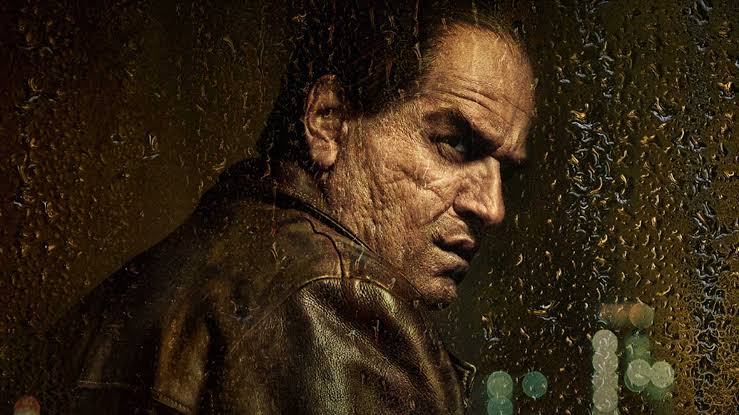
This issue extends behind the scenes, too. One thing these DCU TV shows have learned is not to make movie-sized TV shows the standard. Lanterns, Penguin – even doing Creature Commandos in animated format – all of these shows have worked within the scale restraints of television, smartly and effectively. Even if they have movie-sized budgets behind them, DC’s shows have been far more consistent in engaging fans specifically in the way that long-form TV can: weeks of online discourse and buzz, fan theories, and even some classic ‘watercooler talk,’ which used to be the measure of a show’s success. Not only have they maneuvered around a lot of big superpowered spectacle, but they’ve also eschewed major staples of the genre like colorful costumes.
It’s a smart play: Audiences can wait until a character like Colin Farrell’s Penguin or Aaron Pierre’s John Stewart crosses over into a major DCU movie to get the epic battles and costume designs worthy of the big screen. And they’ll be (somewhat) just as accepting when the character is downscaled again for a new season of a show.
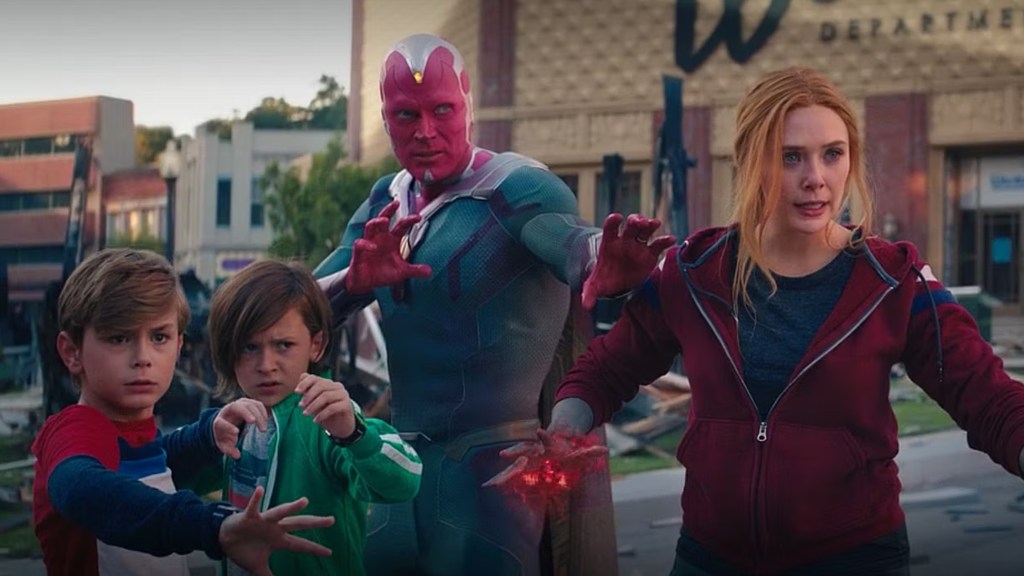
That’s probably the biggest takeaway for Marvel Studios and Disney+: shows like Moon Knight are probably better off without the poorly choreographed superhero fights or giant deities slugging it out in the sky. And even WandaVision is infamous for a final episode that tossed off all the style and character work for a hokey super-family boss battle. The MCU shows with the best finales have been low-key ones like Loki, which famously ended its first season with a conversational episode, much like Lanterns did. Let TV be TV; don’t try to make it into a movie.
Keeping TV Stylistically Separate Is the Right Move

Both Lanterns and Penguin are genre-blend shows that stylistically borrow from previous hit HBO shows (True Detective and The Sopranos, respectively). Both shows were clearly spun out of popular DC movies (Superman and The Batman, respectively), yet they both also work as standalone experiences that TV millions of viewers can access and enjoy, even if they never saw the films or invested in the larger franchise universe. Through crossover characters and plotlines, both series have also shown that the DCU can seamlessly blend the different styles of content: For example, a character like Guy Gardner remains consistent and entertaining whether he’s in a family-friendly blockbuster like Superman, an adult-themed comedy show like Peacemaker, or a Noir-style prestige show like Lanterns. It gives fans reason to be excited for each DCU TV show, without the performance of the show negatively affecting its corresponding movie franchise, or vice versa.
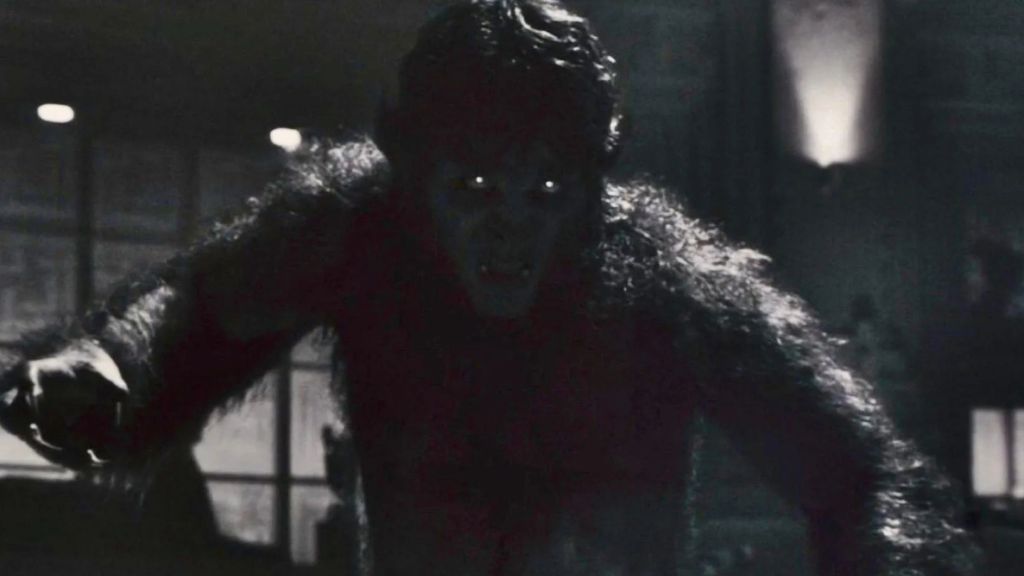
The MCU has taken the ill-fated approach of making its TV series and movies fit the same stylistic mold, as the shows and films are seamlessly connected. However, that attempt at cohesion has arguably been the Marvel Disney+ era’s biggest downfall: the total lack of carryover between shows and movies has been egregious (see: Secret Wars and The Marvels), and the burden of keeping the franchise lore consistent has heavily weighed on certain projects (Doctor Strange in the Multiverse of Madness). MCU TV content has done well when stepping out on its own, stylistically and narratively (see: WandaVision, Loki, Werewolf by Night); now it just needs to fully commit to the practice, because VisionQuest still looks like it was fitted for the mold of MCU Disney+ series, despite some of its unique story traits.
How do you rank MCU TV projects vs. DCU ones? Let us know in the comments! Lanterns is streaming on HBO Max; VisioQuest begins streaming on Disney+ on Wednesday, October 14th.
More TV Shows
-
Image Courtesy of Marvel Studios